Your arteries are responsible for carrying oxygen-rich blood from your heart to every part of your body. Healthy arteries are flexible and allow blood to flow freely, delivering oxygen and nutrients to your organs, muscles, and tissues.
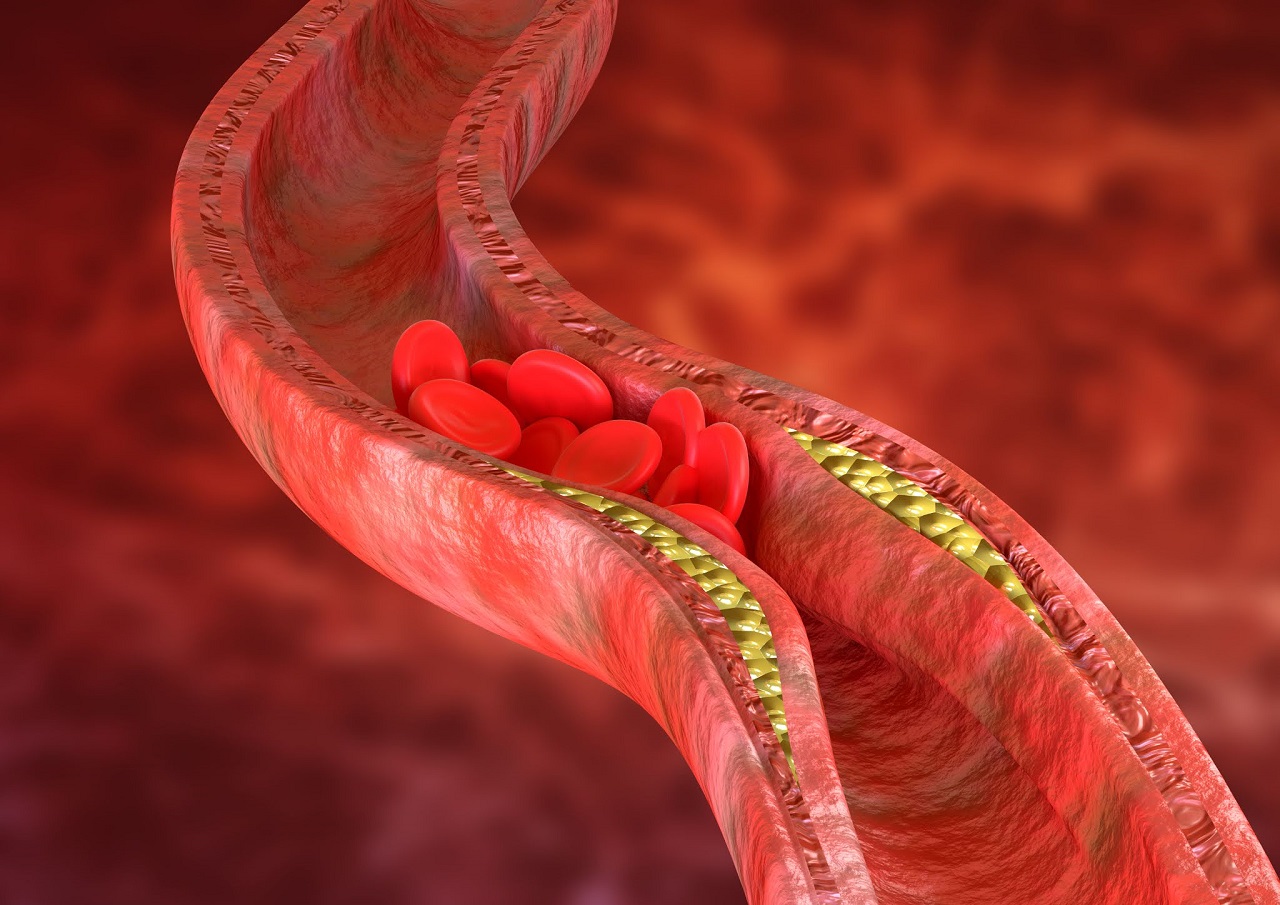
Over time, however, fatty deposits known as plaque can build up inside the arteries. This process, called atherosclerosis, may gradually narrow the arteries and reduce blood flow. If a plaque ruptures or an artery becomes severely blocked, it can lead to serious conditions such as a heart attack, stroke, or peripheral artery disease.
One challenge is that blocked or narrowed arteries often develop silently, with few or no symptoms in the early stages. When symptoms do occur, they vary depending on which arteries are affected.
It's important to remember that the symptoms below are not specific to blocked arteries. Many can also result from other medical conditions. However, persistent or unexplained symptoms deserve medical evaluation, particularly if you have risk factors such as high blood pressure, diabetes, high cholesterol, smoking, obesity, or a family history of cardiovascular disease.
Here are 10 symptoms that may be linked to reduced blood flow from narrowed or blocked arteries.
1. Chest Pain or Pressure (Angina)
One of the most recognized symptoms of reduced blood flow to the heart is angina.
People often describe it as:
-
Pressure
-
Tightness
-
Heaviness
-
Squeezing
-
Burning discomfort
The pain may spread to the:
-
Left arm
-
Right arm
-
Neck
-
Jaw
-
Shoulder
-
Upper back
Angina often occurs during physical activity or emotional stress because the heart needs more oxygen.
Symptoms usually improve with rest, but chest pain should always be taken seriously.
Seek emergency medical care immediately if chest pain is severe, lasts several minutes, or occurs with shortness of breath, sweating, or nausea.
2. Shortness of Breath
When the heart doesn't receive enough oxygen-rich blood, it may not pump as efficiently.
Some people notice:
-
Becoming winded during activities that were once easy
-
Difficulty climbing stairs
-
Breathlessness during walking
-
Shortness of breath while lying flat
Shortness of breath has many possible causes, including lung disease and anemia, so professional evaluation is important.
3. Pain in the Legs While Walking
Pain that develops in the calves, thighs, or buttocks during walking and improves with rest may be a sign of peripheral artery disease (PAD).
This symptom is called intermittent claudication.
Reduced blood flow to the leg muscles means they receive less oxygen during activity.
Symptoms may include:
-
Cramping
-
Aching
-
Fatigue
-
Tightness
If left untreated, PAD can increase the risk of serious cardiovascular events.
4. Cold Feet or Legs
Healthy circulation helps maintain normal skin temperature.
Reduced blood flow may cause one foot or leg to feel:
-
Colder than the other
-
Pale
-
Cool to the touch
These changes should be evaluated, especially if they develop suddenly or are accompanied by pain or skin color changes.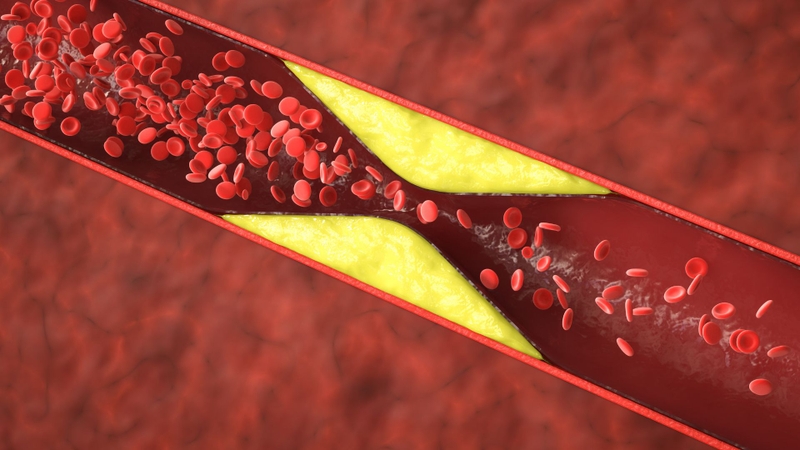
5. Numbness or Weakness
Poor circulation may reduce oxygen delivery to nerves and muscles.
Possible symptoms include:
-
Numbness
-
Tingling
-
Weakness
-
A heavy feeling in the limbs
These symptoms can also result from diabetes, nerve disorders, vitamin deficiencies, or spinal problems.
6. Slow-Healing Wounds
Adequate blood flow is essential for wound healing.
Poor circulation may contribute to:
-
Cuts that heal slowly
-
Foot sores
-
Leg ulcers
-
Recurrent skin infections
People with diabetes should pay particular attention to wounds on their feet, as both diabetes and poor circulation can delay healing.
7. Erectile Dysfunction
In some men, erectile dysfunction (ED) may be one of the earliest signs of blood vessel disease.
An erection depends on healthy blood flow.
While ED has many possible causes—including stress, hormonal changes, medications, and neurological conditions—it may sometimes be associated with cardiovascular disease.
Discussing persistent ED with a healthcare provider is important, as it may provide an opportunity to identify underlying health conditions.
8. Sudden Weakness, Facial Drooping, or Difficulty Speaking
Reduced blood flow to the brain may cause a transient ischemic attack (TIA) or a stroke.
Possible symptoms include:
-
Sudden weakness on one side of the body
-
Facial drooping
-
Slurred speech
-
Difficulty understanding speech
-
Sudden vision changes
-
Loss of balance
These symptoms require immediate emergency medical attention.
Remember the acronym FAST:
-
Face drooping
-
Arm weakness
-
Speech difficulty
-
Time to call emergency services
9. Fatigue During Everyday Activities
Feeling unusually tired during activities that were previously easy may sometimes occur when the heart isn't receiving enough blood.
Examples include:
-
Walking short distances
-
Housework
-
Shopping
-
Climbing stairs
Fatigue is a non-specific symptom and can result from many conditions, including anemia, thyroid disease, sleep disorders, and depression.
Persistent fatigue deserves medical evaluation.
10. Heart Attack Symptoms
Sometimes the first sign of severely blocked coronary arteries is a heart attack.
Possible symptoms include:
-
Chest pressure or pain
-
Pain spreading to the arm, jaw, neck, shoulder, or back
-
Shortness of breath
-
Cold sweat
-
Nausea
-
Lightheadedness
Women, older adults, and people with diabetes may experience less typical symptoms, such as unusual fatigue, nausea, or discomfort rather than severe chest pain.
A heart attack is a medical emergency.
Call emergency services immediately if you suspect one.
What Causes Arteries to Become Blocked?
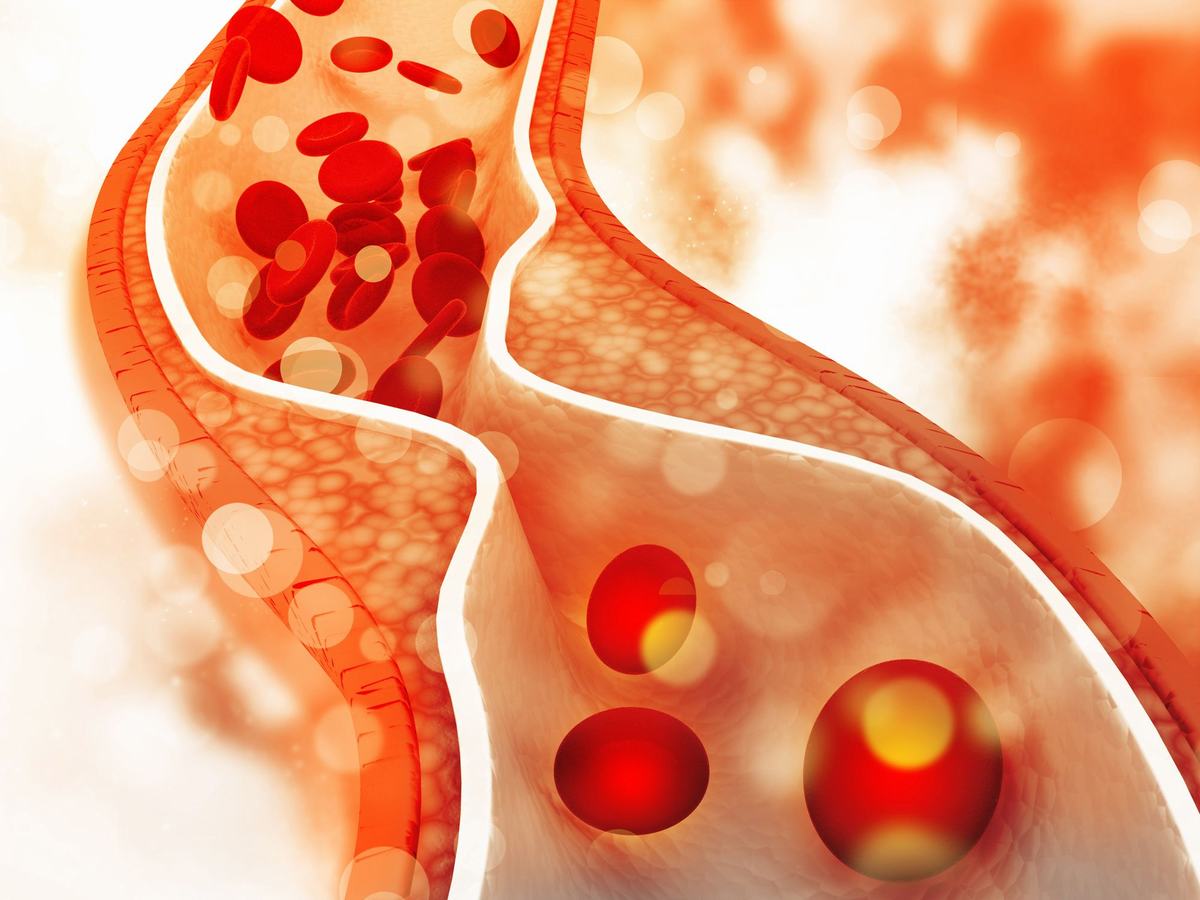
The most common cause is atherosclerosis, a gradual buildup of plaque inside artery walls.
Plaque contains:
-
Cholesterol
-
Fat
-
Calcium
-
Inflammatory cells
-
Other substances found in the blood
Over time, plaque can narrow the artery and reduce blood flow.
If a plaque ruptures, a blood clot may suddenly block the artery.
Who Is at Higher Risk?
Several factors increase the likelihood of developing artery disease.
These include:
High Blood Pressure
Persistent hypertension damages artery walls and promotes plaque formation.
High Cholesterol
Elevated LDL ("bad") cholesterol contributes to plaque buildup.
Diabetes
High blood glucose damages blood vessels over time.
Smoking
Smoking damages the lining of arteries, increases inflammation, and raises the risk of blood clots.
Obesity
Excess body weight is associated with multiple cardiovascular risk factors.
Physical Inactivity
Regular exercise helps support healthy blood vessels, blood pressure, cholesterol, and blood sugar.
Family History
A family history of early cardiovascular disease may increase your risk.
How Are Blocked Arteries Diagnosed?
Depending on your symptoms, your healthcare provider may recommend:
-
Blood pressure measurement
-
Cholesterol testing
-
Blood glucose testing
-
Electrocardiogram (ECG)
-
Stress testing
-
Echocardiogram
-
CT angiography
-
Ultrasound of the carotid or leg arteries
-
Coronary angiography in selected cases
The appropriate tests depend on your symptoms and overall health.
Can Blocked Arteries Be Prevented?
While aging cannot be changed, many cardiovascular risk factors can be managed.
Healthy habits include:
Don't Smoke
Quitting smoking is one of the most effective ways to protect your arteries.
Eat a Heart-Healthy Diet
Choose foods such as:
-
Vegetables
-
Fruits
-
Whole grains
-
Beans
-
Fish
-
Nuts
-
Healthy fats like olive oil
Limit:
-
Processed meats
-
Foods high in saturated fat
-
Trans fats
-
Excess sodium
-
Sugar-sweetened beverages
Stay Active
Aim for at least 150 minutes of moderate-intensity physical activity each week, unless your healthcare provider advises otherwise.
Maintain a Healthy Weight
Even modest weight loss may improve blood pressure, cholesterol, and blood sugar.
Manage Chronic Conditions
Follow your treatment plan if you have:
-
High blood pressure
-
Diabetes
-
High cholesterol
Regular checkups help monitor these conditions and reduce long-term risk.
Common Myths About Blocked Arteries
Myth: You will always feel symptoms early.
False.
Atherosclerosis often develops silently for years before causing noticeable symptoms.
Myth: Only older adults get blocked arteries.
While age increases risk, younger adults can also develop atherosclerosis, particularly if they have significant risk factors.
Myth: Chest pain is the only warning sign.
Blocked arteries can affect different parts of the body, producing symptoms such as leg pain, stroke symptoms, or erectile dysfunction.
Myth: If you feel healthy, your arteries must be healthy.
Many people with early artery disease have no symptoms.
Regular medical checkups are important, especially if you have cardiovascular risk factors.
When Should You Seek Immediate Medical Care?
Call emergency services immediately if you experience:
-
Chest pain lasting more than a few minutes
-
Sudden shortness of breath
-
Pain spreading to the arm, jaw, or back
-
Sudden facial drooping
-
Weakness on one side of the body
-
Difficulty speaking
-
Loss of consciousness
Rapid treatment can save heart muscle, brain tissue, and lives.
The Bottom Line
Blocked or narrowed arteries can reduce blood flow to the heart, brain, legs, and other parts of the body. While the condition often develops gradually without symptoms, warning signs such as chest pain, shortness of breath, leg pain while walking, slow-healing wounds, sudden neurological symptoms, or unexplained fatigue may sometimes indicate reduced circulation.
It's important to remember that these symptoms are not unique to blocked arteries, and many other health conditions can cause similar problems. The only way to determine the underlying cause is through proper medical evaluation.
Maintaining healthy blood pressure, managing cholesterol and diabetes, avoiding tobacco, staying physically active, eating a balanced diet, and attending regular health checkups are among the most effective ways to support healthy arteries and reduce your risk of cardiovascular disease.
Paying attention to your body's signals and acting early when something doesn't seem right - can make a meaningful difference in protecting your long-term heart and vascular health.