
Is Your Body Trying to Tell You Something? 8 Possible Signs of Nutrient Deficiencies
Your Body May Show These 8 Clues When You're Lacking Important Nutrients
Health 05/08/2026 10:39
Japan is home to one of the world's longest life expectancies, and many of its residents remain active and independent well into old age. Naturally, this has sparked curiosity around the globe. What is it about the Japanese lifestyle that may contribute to healthy aging?
There is no single secret.
Longevity is influenced by a combination of genetics, healthcare, physical activity, diet, social connections, sleep, environment, and lifestyle choices. While not every Japanese person lives a long life or maintains a healthy weight, certain traditional habits are commonly associated with better overall health and have attracted the attention of researchers.
Rather than looking for miracle foods or quick fixes, these habits focus on balance, consistency, and moderation.
Here are 10 traditional Japanese habits that may help support healthy aging and a balanced weight.

One of the best-known Japanese wellness concepts is "Hara Hachi Bu," a phrase traditionally associated with Okinawa.
It roughly translates to:
"Eat until you are about 80% full."
Instead of continuing to eat until feeling completely stuffed, many people following this philosophy stop eating when they feel comfortably satisfied.
This approach may help reduce overeating because it gives the brain time to recognize fullness.
Portion awareness can play an important role in maintaining a healthy body weight over time.
It isn't about strict calorie counting.
It's about learning to recognize your body's natural hunger and fullness signals.
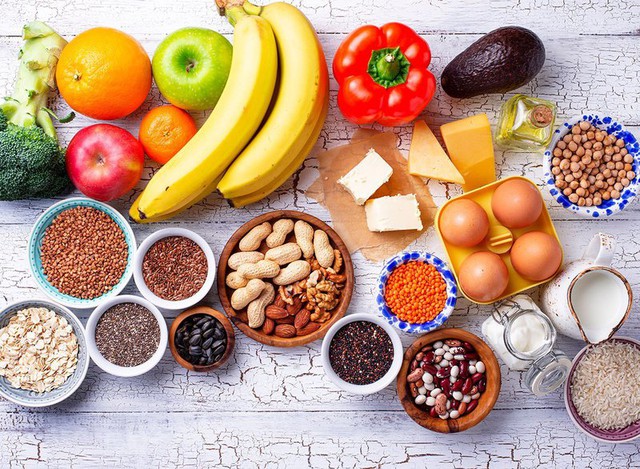
Traditional Japanese meals often include many different ingredients served in relatively small portions.
A single meal might contain:
Rice
Fish
Vegetables
Seaweed
Tofu
Soup
Pickled vegetables
Fruit
This variety helps provide a broad range of nutrients without relying heavily on one particular food.
Instead of emphasizing large servings of a single dish, the focus is often on balance and diversity.
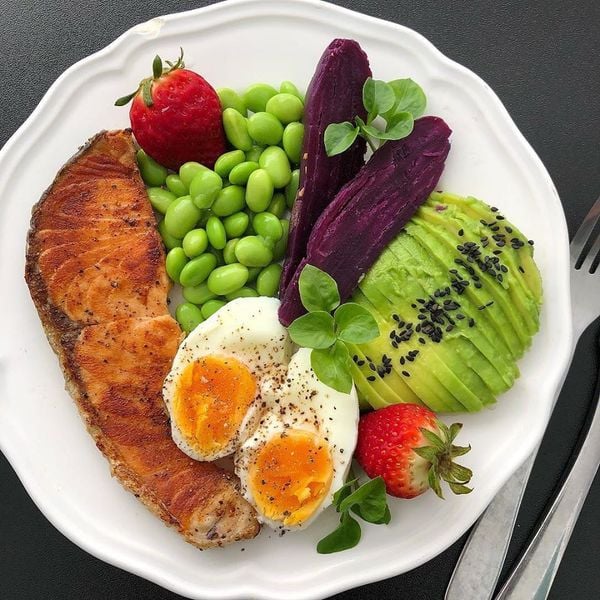
Fish plays an important role in many traditional Japanese diets.
Fatty fish such as:
Salmon
Mackerel
Sardines
provide omega-3 fatty acids, which have been associated with heart health when consumed as part of a balanced diet.
That doesn't mean everyone needs to eliminate red meat completely.
Rather, incorporating fish regularly can increase dietary variety and provide nutrients such as vitamin D, iodine, selenium, and high-quality protein.
Vegetables appear throughout traditional Japanese cuisine.
Popular choices include:
Daikon radish
Napa cabbage
Spinach
Eggplant
Mushrooms
Carrots
Burdock root
Green onions
Vegetables provide:
Fiber
Vitamins
Minerals
Antioxidants
Fiber contributes to digestive health and can help increase feelings of fullness after meals.
Rather than treating vegetables as a side dish, many Japanese meals make them an essential part of the plate.
Green tea is one of Japan's most iconic beverages.
Unlike sugar-sweetened soft drinks, unsweetened green tea contains virtually no calories.
It also provides naturally occurring compounds called catechins, which continue to be studied for their potential health effects.
Current research suggests green tea may contribute to a healthy dietary pattern, although it should not be viewed as a cure for chronic disease.
Replacing sugary beverages with unsweetened drinks may be one of its greatest practical benefits.
Meals are often enjoyed at a relaxed pace.
Eating slowly allows more time for:
Chewing thoroughly
Appreciating flavors
Recognizing fullness
Research suggests that people who eat very quickly may be more likely to consume excess calories before feeling satisfied.
Slowing down can help make meals more enjoyable while supporting portion awareness.
Simple ways to practice this include:
Putting utensils down between bites
Chewing thoroughly
Minimizing distractions during meals
Exercise isn't always limited to the gym.
Many Japanese adults naturally incorporate movement into daily life by:
Walking
Cycling
Using public transportation
Gardening
Household activities
These small amounts of movement accumulate throughout the day.
Regular physical activity supports:
Heart health
Muscle strength
Bone health
Blood sugar management
Healthy aging
Even short walks after meals can contribute to an active lifestyle.
Traditional Japanese cuisine includes several fermented foods, such as:
Miso
Natto
Pickled vegetables
Fermentation can change the nutritional characteristics of foods and contributes unique flavors.
Some fermented foods also contain beneficial microorganisms, although their effects vary depending on the product.
Research into the gut microbiome continues to evolve, but including a variety of minimally processed foods may support digestive health.
It's important to note that some fermented foods can also be high in sodium, so moderation remains important.
Healthy aging involves much more than nutrition.
Many long-lived communities emphasize:
Family relationships
Friendships
Community involvement
Shared meals
Purposeful daily activities
Social connection has been associated with better mental health and overall well-being.
Eating meals together can also encourage slower eating and more mindful food choices.
Strong relationships contribute to quality of life throughout the aging process.
Perhaps the greatest lesson from traditional Japanese culture is consistency.
Rather than searching for dramatic transformations, healthy habits are repeated every day.
Examples include:
Eating balanced meals
Walking regularly
Drinking unsweetened beverages
Sleeping adequately
Managing stress
Enjoying hobbies
Staying socially connected
These small actions become powerful because they are sustainable.
Healthy aging is usually built through years of everyday choices rather than one extraordinary intervention.
Although eating patterns vary widely across modern Japan, the traditional diet generally emphasizes:
Rice
Vegetables
Fish
Soy foods
Seaweed
Fruits
Green tea
Compared with many Western dietary patterns, traditional Japanese meals often contain:
More vegetables
More seafood
Less added sugar
Fewer ultra-processed foods
Smaller portion sizes
Of course, modern diets in Japan have also changed over time, and not everyone follows traditional eating habits.
No single habit guarantees a healthy body weight.
However, several traditional Japanese practices may support weight management indirectly.
These include:
Smaller portions
Slower eating
Higher vegetable intake
Regular physical activity
Fewer sugar-sweetened beverages
Balanced meals
Combined together, these habits can make it easier to maintain an appropriate energy balance over time.
When researchers study populations with long life expectancy, they rarely identify one magical ingredient.
Instead, they observe combinations of factors, including:
Access to healthcare
Physical activity
Healthy body weight
Strong social support
Purpose in life
Lower smoking rates
Good sleep
Preventive medical care
Diet is only one piece of a much larger picture.
You don't need to completely change your lifestyle overnight.
Instead, consider adopting one or two habits at a time.
For example:
Add one extra serving of vegetables to dinner.
Replace one sugary drink with green tea or water.
Walk for 20–30 minutes most days.
Eat more slowly.
Stop eating when comfortably satisfied rather than overly full.
Cook more meals at home.
Share meals with family or friends whenever possible.
Small, consistent improvements are often easier to maintain than drastic changes.
It's easy to oversimplify the reasons behind Japan's long life expectancy.
Not every Japanese person is thin.
Not every Japanese person lives beyond 90.
And not every aspect of Japanese cuisine is automatically healthy.
Some traditional foods are relatively high in sodium, and modern lifestyles have introduced many of the same challenges seen elsewhere, including processed foods and sedentary habits.
The goal isn't to copy another culture perfectly.
It's to learn useful principles that can fit into your own lifestyle.
The remarkable longevity often associated with Japan is unlikely to be the result of one special food or one secret tradition.
Instead, it appears to reflect a combination of balanced eating, regular physical activity, mindful portions, strong social connections, and consistent healthy habits practiced over many years.
Eating until comfortably full, enjoying a wide variety of vegetables, choosing fish more often, drinking unsweetened green tea, eating slowly, staying active, and maintaining meaningful relationships are all habits that may contribute to healthy aging and overall well-being.
The most powerful lesson isn't that there is a perfect diet.
It's that lasting health is usually built through simple choices repeated every day.
Whether you live in Tokyo, New York, London, or anywhere else in the world, adopting even a few of these habits may help support a healthier, more balanced lifestyle.
Your Body May Show These 8 Clues When You're Lacking Important Nutrients
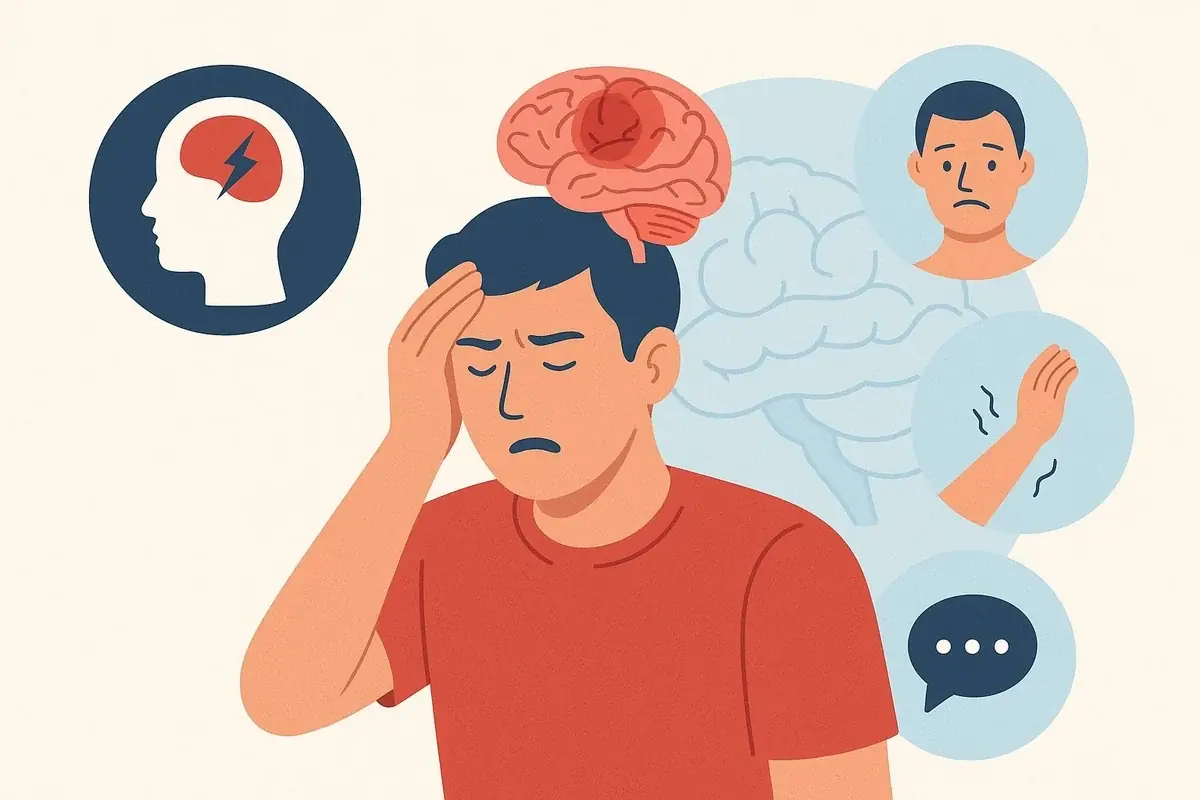
Your Body May Show Warning Signs Before a Stroke - Here's What Experts Want You to Know

Dry mouth at night may signal hidden health issues.


Doctors Say These 8 Symptoms May Sometimes Be Linked to Cervical Can.cer
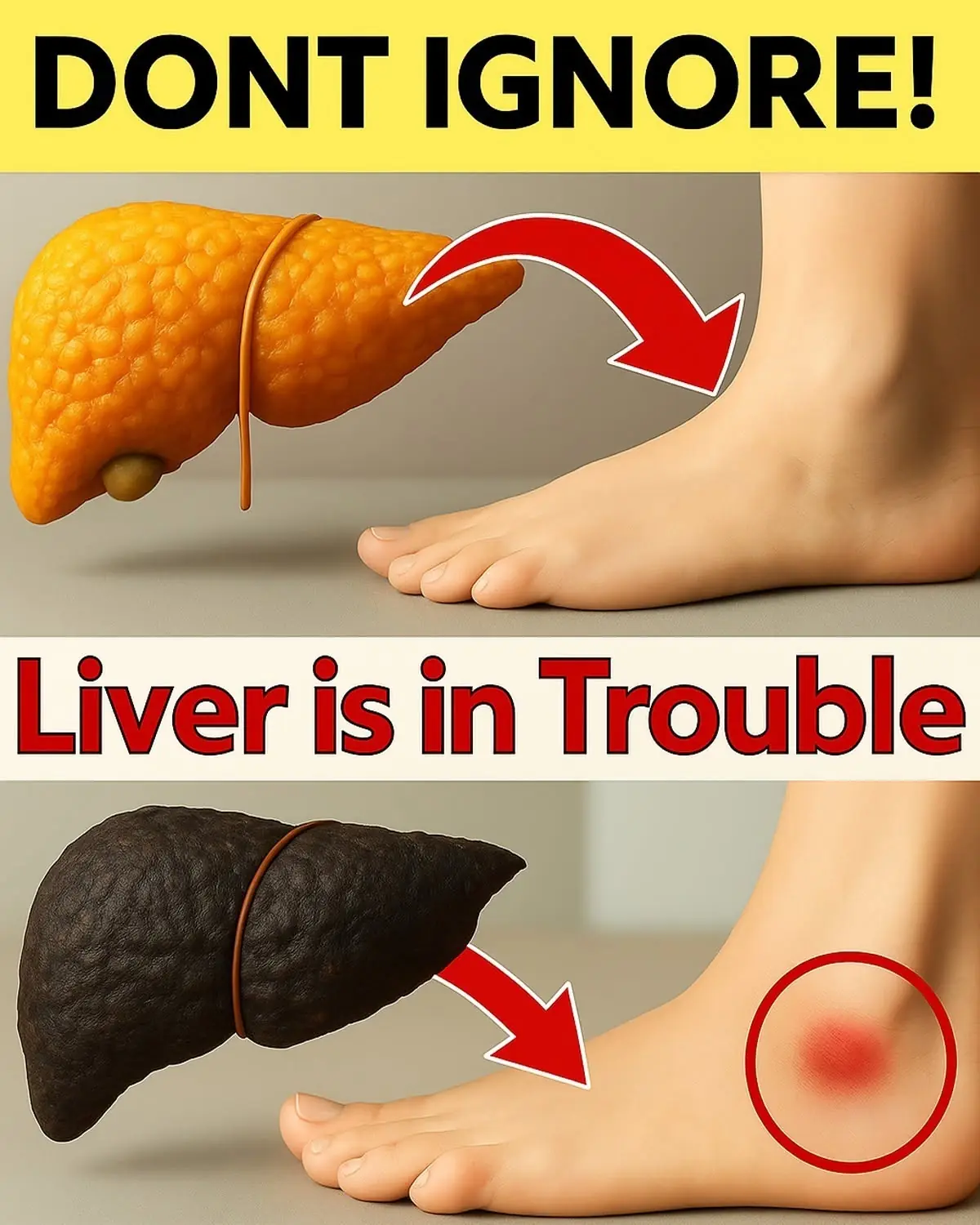
These Foot Symptoms May Sometimes Signal Liver Problems

Suddenly noticing bulging veins? Doctors say your body may be trying to tell you something…
Blood Type and Nutrition: Separating Fact From Fiction

These 3 Vegetables May Raise Ca:ncer Risk

Frequent nighttime leg cramps may signal hidden health problems early.

Eat 2 Cloves Daily for 7 Days and Here’s What May Happen

5 Strange Foot Symptoms That Could Be Warning You About Diabetes

Many People Drink These Every Day Without Knowing the Risk
Not every nail line is dangerous, but some changes deserve medical attention.

A Common Eating Habit Led to a Shocking Diagnosis
Could Your Body Be Sending Silent Warning Signals?

The Surprising Truth Behind Her Longevity

Could Your Face Be Trying to Tell You Something?

They promised to enter the same university and never be separated. But when she failed by a few points, she chose to repeat a year while he moved ahead. He thought he was protecting her by walking away. She thought he had stopped loving her.
Your Body May Show These 8 Clues When You're Lacking Important Nutrients

A Lizard Visiting Your House? Discover the Symbolism and Traditional Interpretations
Your Body May Show Warning Signs Before a Stroke - Here's What Experts Want You to Know

He disappeared on the day of their wedding and left her humiliated in front of everyone. She thought he had abandoned her. She never imagined he had sacrificed everything to save someone else.
Dry mouth at night may signal hidden health issues.
Doctors Say These 8 Symptoms May Sometimes Be Linked to Cervical Can.cer

Emma believed she had finally found true love. Until one afternoon, she was slapped in front of an entire café and called a homewrecker. But the cruelest part was that she had never known she was the other woman.
These Foot Symptoms May Sometimes Signal Liver Problems
Suddenly noticing bulging veins? Doctors say your body may be trying to tell you something…
Blood Type and Nutrition: Separating Fact From Fiction
These 3 Vegetables May Raise Ca:ncer Risk
Frequent nighttime leg cramps may signal hidden health problems early.
Eat 2 Cloves Daily for 7 Days and Here’s What May Happen

A fake marriage. Endless misunderstandings. A cold-hearted CEO and a woman drowning in debt. Neither expected that their contract would turn into real love.