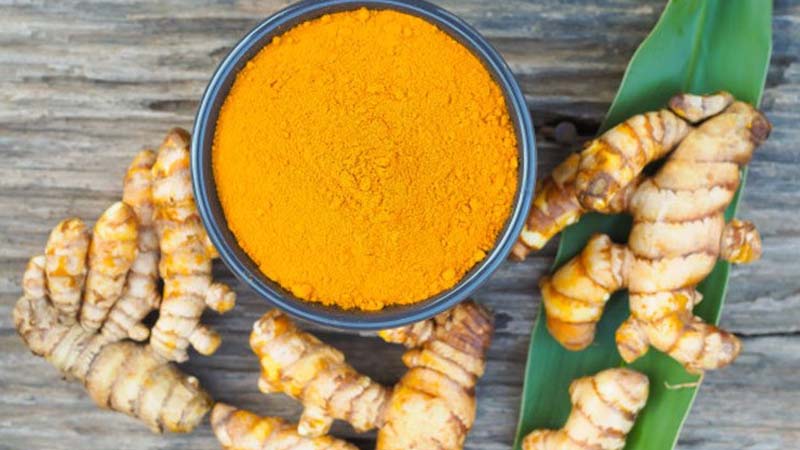
Turmeric—the bright yellow spice from Curcuma longa—has been used for centuries in cooking and traditional medicine. Its star compound, curcumin, is known for anti-inflammatory and antioxidant effects. But beyond adding color to curries, turmeric has a range of practical uses for skin care and everyday wellness.
Here are 10 smart, evidence-informed ways to use it effectively—plus the caveats most people miss.

1. DIY Brightening Face Mask (Short Contact)
How to use
- Mix a pinch of turmeric with yogurt or honey
- Apply a thin layer for 10–15 minutes, then rinse
Why it helps
- Antioxidants can calm mild inflammation
- May temporarily improve skin tone appearance
Watch out
- Turmeric can stain skin/clothes; use a small amount
2. “Golden Milk” for Evening Wind-Down
How to use
- Warm milk (dairy or plant-based) + turmeric + a pinch of black pepper
Why it helps
- Comforting drink; curcumin has anti-inflammatory potential
- Pepper (piperine) improves curcumin absorption
3. Spot Treatment for Blemishes
How to use
- Mix turmeric with a drop of water or aloe; dab lightly on a blemish
Why it helps
- Anti-inflammatory properties may reduce redness
Note
- Patch-test first; avoid leaving on too long to prevent staining
4. Scalp Care Add-In
How to use
- Add a small pinch to carrier oil (coconut/jojoba) and massage gently
Why it helps
- May soothe an itchy scalp and support a healthier skin barrier
Tip
- Rinse thoroughly; keep quantities small
5. Post-Workout Anti-Inflammatory Smoothie
How to use
- Blend banana, berries, yogurt, turmeric, and a pinch of black pepper
Why it helps
- Curcumin may help modulate inflammation after exercise

6. Joint Support in Cooking
How to use
- Add to soups, stews, or sautéed vegetables
Why it helps
- Regular dietary intake contributes antioxidants and polyphenols
7. Gentle Teeth-Stain Awareness Hack (Proceed Carefully)
What people try
- Mixing turmeric with coconut oil for brushing
Reality check
- Turmeric itself stains; evidence for whitening is limited
Safer approach
- Use it sparingly or skip; rely on proven dental methods instead
8. Immune-Support Tea
How to use
- Hot water + turmeric + ginger + lemon
Why it helps
- Hydration plus bioactive compounds; soothing for the throat
9. Minor Skin Irritation Soother
How to use
- Mix turmeric with aloe vera gel; apply briefly to calm irritated areas
Why it helps
- Anti-inflammatory effect may reduce redness
Caution
- Avoid open wounds; rinse off after short contact
10. Better Absorption Hack (The One Most People Miss)
Key principle
- Curcumin alone has low bioavailability
Do this instead
- Pair turmeric with black pepper (piperine)
- Include a fat source (olive oil, milk, yogurt)
This combination can significantly improve how much your body actually uses.
Safety Notes You Shouldn’t Skip
- Skin sensitivity: always patch-test
- Staining: use minimal amounts; protect fabrics
- Supplements: high-dose curcumin can interact with medications (e.g., blood thinners)
- Medical conditions: consult a clinician if you have gallbladder issues or are pregnant
What Turmeric Can—and Can’t—Do
Can
- Provide antioxidants
- Support anti-inflammatory pathways
- Complement a balanced diet and routine
Can’t
- Replace medical treatment
- Deliver instant or dramatic results on its own
Final Take
Turmeric is powerful - but only when used consistently, correctly, and in context. The real gains come from small, repeatable habits: adding it to meals, pairing it for absorption, and using it topically with care.
No hype needed - just smart application.
Because with ingredients like turmeric, how you use it matters more than how much you use.