Your kidneys work quietly every day, filtering waste from your blood, helping control fluid balance, supporting blood pressure regulation, and contributing to the production of certain hormones.
Because they perform these jobs silently, kidney problems can sometimes develop without obvious warning.
In the early stages, a person may feel completely normal. Even when symptoms eventually appear, they can be vague enough to look like ordinary tiredness, dehydration, poor sleep, or other common health issues.
That is why knowing the possible warning signs can be useful.
However, an important point comes first: none of the symptoms below automatically means you have kidney disease. Many can occur for dozens of other reasons. Only appropriate medical evaluation and testing can determine whether your kidneys are working properly.
Here are 10 changes that can sometimes be associated with kidney problems and are easy to overlook.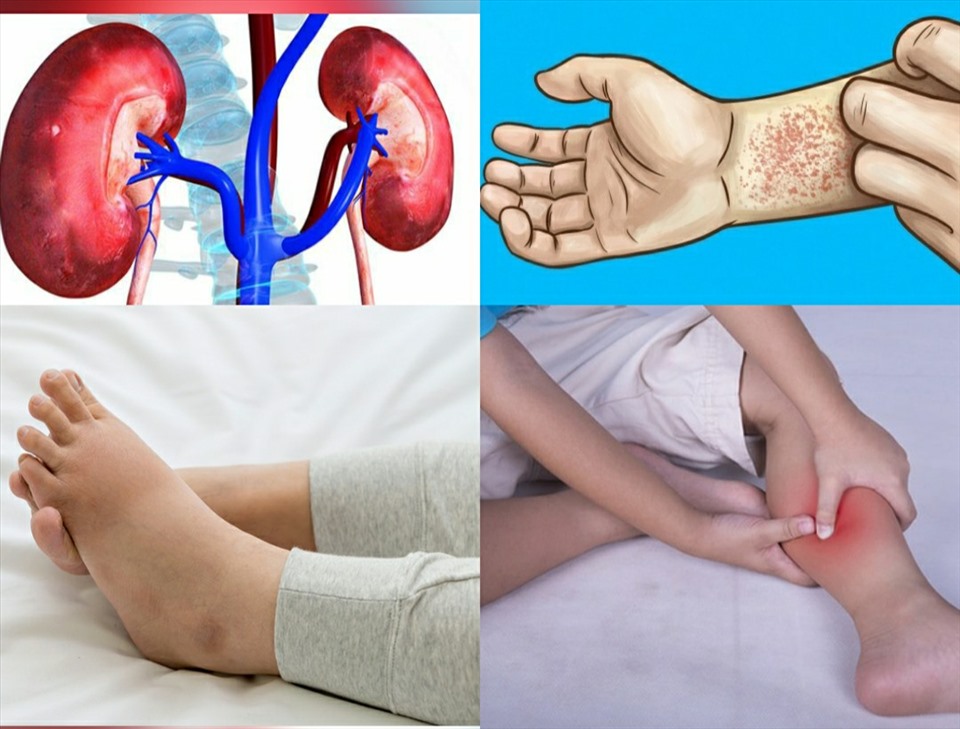
1. Persistent Fatigue That Doesn't Seem to Have an Obvious Cause
Everyone feels tired occasionally.
A demanding week, poor sleep, stress, illness, or a busy schedule can leave almost anyone exhausted.
But persistent fatigue that continues despite adequate rest may deserve more attention.
One reason kidney disease can contribute to fatigue is anemia. Healthy kidneys help produce a hormone called erythropoietin, which signals the body to make red blood cells. When kidney function declines, this process can be affected.
As a result, some people with significant kidney disease may experience weakness, reduced stamina, difficulty concentrating, or a persistent feeling of being drained.
Of course, fatigue is extremely nonspecific.
Thyroid problems, iron deficiency, sleep disorders, depression, infections, medication side effects, and many other conditions can produce similar symptoms.
The important thing is to pay attention when unusual fatigue is persistent rather than assuming you simply need more coffee or sleep.
2. Swelling Around the Ankles, Feet, or Hands
Your kidneys help maintain the body's fluid balance.
When kidney function is impaired, the body may retain more sodium and fluid than it should.
That excess fluid can accumulate in tissues and cause swelling, particularly around the ankles and feet.
Some people notice that their shoes feel tighter at the end of the day. Others may see sock marks that seem deeper than usual or notice swelling around their fingers.
Swelling can have many other causes, including heart problems, liver disease, certain medications, venous circulation problems, and prolonged standing.
Still, unexplained or persistent swelling should not simply be dismissed.
If swelling appears suddenly, becomes severe, or occurs alongside shortness of breath or chest discomfort, prompt medical attention is important.
3. Changes in Urination
Changes in urination are often associated with kidney problems, but they can be difficult to interpret because normal bathroom habits vary from person to person.
You might notice that you're urinating much more frequently, especially at night.
Some people experience a noticeable decrease in urine output.
Others may notice changes in the appearance of their urine, such as persistent foaminess or blood.
Foamy urine can sometimes occur when there is protein in the urine, although occasional bubbles may also happen for completely harmless reasons.
Blood in the urine can have many causes, including urinary tract infections, kidney stones, medications, and other conditions. It should nevertheless be medically evaluated, particularly when it is unexplained.
A persistent change from your normal urination pattern is worth discussing with a healthcare professional.
4. Waking Up Frequently at Night to Urinate
Getting up once during the night may not be unusual, particularly as people get older.
But repeatedly waking several times to urinate—especially when this represents a new change—can be worth investigating.
Frequent nighttime urination, known as nocturia, can occur with several conditions, including an enlarged prostate, diabetes, certain medications, sleep disorders, and kidney problems.
When the kidneys lose some of their ability to concentrate urine, more water may remain in the urine rather than being conserved efficiently.
That can contribute to increased nighttime urination.
Again, nocturia does not automatically indicate kidney disease.
But a persistent change in nighttime bathroom habits shouldn't be ignored simply because it seems like a normal part of aging.
5. Persistent Itching or Very Dry Skin
Unexplained itching can be one of the less obvious symptoms associated with advanced kidney disease.
Healthy kidneys help remove waste products from the bloodstream.
When kidney function becomes significantly impaired, waste products and changes in mineral balance can contribute to skin symptoms, including itching and dryness.
The sensation may be widespread rather than limited to one small area.
But itchy skin is far more commonly caused by things such as dry weather, eczema, allergies, medications, or dermatological conditions.
So itching alone isn't enough to suggest kidney disease.
The concern becomes greater when persistent itching occurs alongside other unexplained changes, such as fatigue, swelling, changes in urination, or nausea.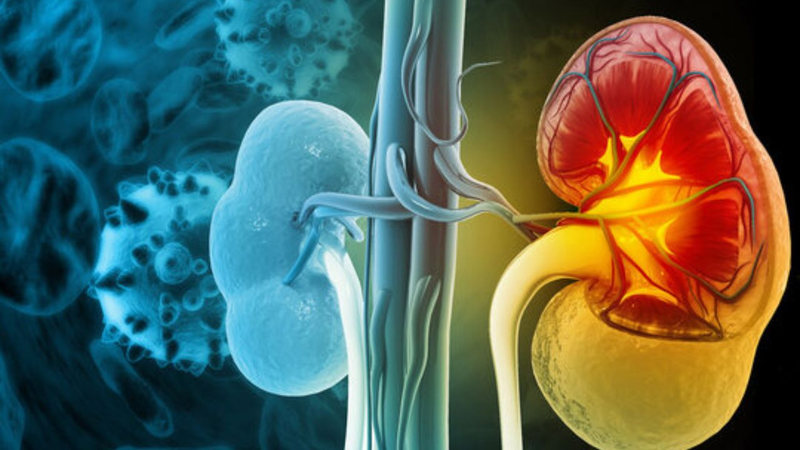
6. A Metallic Taste or Unpleasant Breath
Some people with advanced kidney disease develop changes in taste.
Food may begin to taste metallic, bitter, or simply “different.”
Others may notice persistent bad breath that does not seem to improve with normal dental hygiene.
One possible reason is the accumulation of waste products in the blood as kidney function deteriorates.
Certain compounds can affect taste and breath.
But there are many more common explanations for unpleasant taste or breath, including dental disease, gum problems, acid reflux, dehydration, sinus conditions, infections, and medications.
If the change is persistent and occurs with other concerning symptoms, medical evaluation can help identify the cause.
7. Nausea, Poor Appetite, or Feeling Full Quickly
The digestive system can also be affected when kidney disease becomes advanced.
Some people experience nausea, loss of appetite, an unpleasant taste in the mouth, or a reduced desire to eat.
In more advanced kidney dysfunction, waste products that normally would be removed through the kidneys can accumulate in the bloodstream and contribute to gastrointestinal symptoms.
But nausea and appetite changes are extraordinarily common.
They can occur with infections, stomach disorders, medication side effects, anxiety, pregnancy, food intolerance, and many other conditions.
That's why context matters.
Persistent nausea accompanied by swelling, unusual fatigue, major changes in urination, or unexplained weight loss deserves more attention than an isolated upset stomach.
8. Muscle Cramps or Unusual Weakness
Kidneys help regulate electrolytes and minerals in the body.
When kidney function becomes impaired, levels of substances such as potassium, calcium, phosphorus, and other electrolytes can become abnormal.
These changes may contribute to muscle cramps, weakness, twitching, or discomfort.
However, muscle cramps are also common among healthy people and may result from exercise, dehydration, prolonged sitting, medication use, or other factors.
Persistent or severe cramping is worth discussing with a healthcare professional, particularly if it occurs alongside other symptoms.
Sudden severe weakness, confusion, difficulty breathing, or heart-related symptoms requires urgent assessment because significant electrolyte disturbances can be dangerous.
9. Trouble Concentrating or Feeling Mentally “Foggy”
People sometimes describe a vague sense of mental cloudiness when something is wrong with their health.
They may struggle to concentrate, feel unusually sleepy, or have difficulty maintaining attention.
In advanced kidney disease, the accumulation of waste products and changes in the body's chemical balance can affect the nervous system.
However, brain fog is not specific to kidney disease.
Poor sleep, stress, anxiety, depression, menopause, nutritional deficiencies, infections, medications, and many other conditions can produce similar experiences.
If mental changes are persistent or progressively worsening, it's better to investigate the underlying cause rather than assuming the problem is simply stress.
Sudden confusion or a major change in mental status should be treated as an urgent medical problem.
10. High Blood Pressure That Becomes Difficult to Control
This sign is different from the others because it may be picked up through a measurement rather than something you feel.
Your kidneys play an important role in regulating blood pressure.
At the same time, high blood pressure can damage the blood vessels and filtering structures inside the kidneys.
That creates a potentially harmful cycle:
High blood pressure can contribute to kidney damage, while kidney disease can make blood pressure harder to control.
For that reason, persistently elevated blood pressure deserves attention even when a person feels perfectly healthy.
This is one of the strongest reasons regular health checkups can be useful.
You don't have to wait until symptoms appear to discover that something may be wrong.
Why Kidney Disease Can Be So Difficult to Notice
The kidneys have substantial functional reserve.
This means a person can lose a significant amount of kidney function before obvious symptoms necessarily develop.
That's why someone can feel relatively normal even while laboratory tests are beginning to show abnormalities.
Common tests used to evaluate kidney function include blood measurements such as creatinine and estimated glomerular filtration rate (eGFR), along with urine testing for protein or albumin.
These tests can provide information that symptoms alone cannot.
Who May Need to Pay Extra Attention?
Some people have a higher risk of chronic kidney disease.
Risk factors include:
Diabetes
High blood pressure
Heart disease
Family history of kidney disease
Older age
Obesity
Certain autoimmune or hereditary conditions
Long-term use of certain medications
People with these risk factors should discuss appropriate kidney screening with their healthcare professionals.
Diabetes and Kidney Health Are Closely Connected
Diabetes is one of the major causes of chronic kidney disease.
Persistently elevated blood glucose can damage the tiny blood vessels and filtering structures within the kidneys.
This process can occur gradually.
A person may have no obvious symptoms until significant kidney damage has developed.
That's why managing blood glucose and having recommended urine and kidney-function tests can be particularly important for people with diabetes.
High Blood Pressure Can Also Damage the Kidneys
High blood pressure puts extra stress on the blood vessels throughout the body, including those within the kidneys.
Over time, uncontrolled hypertension can damage the kidney's filtering system.
The relationship works in both directions: kidney disease can also contribute to worsening blood pressure.
This makes blood-pressure control an important part of protecting long-term kidney health.
Don't Ignore Protein in the Urine
Healthy kidneys generally prevent significant amounts of protein from escaping into urine.
When the kidney's filtering barrier is damaged, proteins such as albumin may leak into the urine.
This can sometimes produce persistent foamy urine, although visual appearance alone cannot determine whether protein is present.
A simple urine test can detect albumin more reliably.
This is one example of why laboratory testing can identify kidney problems earlier than symptoms alone.
Hydration: More Isn't Always Better
People often hear that drinking enormous amounts of water is the best way to protect their kidneys.
That isn't universally true.
Most healthy adults should drink enough fluid to stay appropriately hydrated, but individual needs vary.
People with advanced kidney disease, heart failure, or certain other conditions may actually need to follow specific fluid recommendations from their healthcare team.
So don't force yourself to drink extreme amounts of water based on generic online advice.
Be Careful With Painkillers
Certain medications, particularly nonsteroidal anti-inflammatory drugs (NSAIDs) such as ibuprofen and naproxen, can affect kidney function, especially when used frequently or in people who already have kidney disease, dehydration, heart failure, or other risk factors.
That doesn't mean everyone needs to avoid these medications.
It means they should be used according to medical guidance and label instructions, particularly when used regularly.
People taking multiple medications should also periodically review them with a healthcare professional or pharmacist.
Don't Assume Herbal Means Kidney-Safe
“Natural” does not automatically mean harmless.
Some herbal supplements may affect kidney function or interact with medications.
The safety of supplements can vary depending on the ingredients, dosage, contamination, and a person's underlying health.
If you have kidney disease or take regular medication, discuss supplements with a healthcare professional before using them.
When Should You Seek Medical Attention?
Some symptoms should not wait for a routine appointment.
Seek prompt medical care if you notice:
Blood in your urine
A major or sudden decrease in urine output
Severe swelling
Shortness of breath
Severe weakness or confusion
Persistent vomiting with signs of dehydration
Severe flank or back pain accompanied by urinary symptoms
These symptoms have many possible causes, but some can require urgent treatment.
How Can You Protect Your Kidneys?
There is no single food or drink that guarantees perfect kidney health.
A more reliable approach is to manage the factors that can damage the kidneys over time.
Keep blood pressure under control.
Manage diabetes effectively.
Avoid smoking.
Stay physically active.
Maintain a healthy body weight when appropriate.
Eat a balanced diet and moderate excessive sodium intake.
Use medications responsibly.
Stay adequately hydrated based on your individual health needs.
And attend recommended health screenings.
These habits can support not only the kidneys but cardiovascular and metabolic health as well.
The Bottom Line
Kidney disease can develop quietly, which is why subtle changes deserve attention—especially when they persist.
Unusual fatigue, swelling, changes in urination, frequent nighttime urination, persistent itching, altered taste, nausea, muscle cramps, mental fog, and difficult-to-control blood pressure can all occur in people with kidney problems.
But none of these symptoms proves that your kidneys are failing.
Many have much more common explanations.
The most reliable way to assess kidney health is through appropriate medical evaluation and testing, particularly if you have risk factors such as diabetes, high blood pressure, cardiovascular disease, or a family history of kidney disease.
The key message isn't to become alarmed every time your body feels different.
It's to pay attention when a change is new, persistent, unexplained, or occurring alongside other symptoms.
Your kidneys may not always give you a dramatic warning.
Sometimes, the earliest clue is simply a small change that you almost ignored.