6 Hidden Things Your Phone’s Volume Buttons Can Do Besides Adjusting Sound
Most smartphone users overlook these surprisingly useful button shortcuts.
⏱️ 1 min read 25/08/2026 22:35
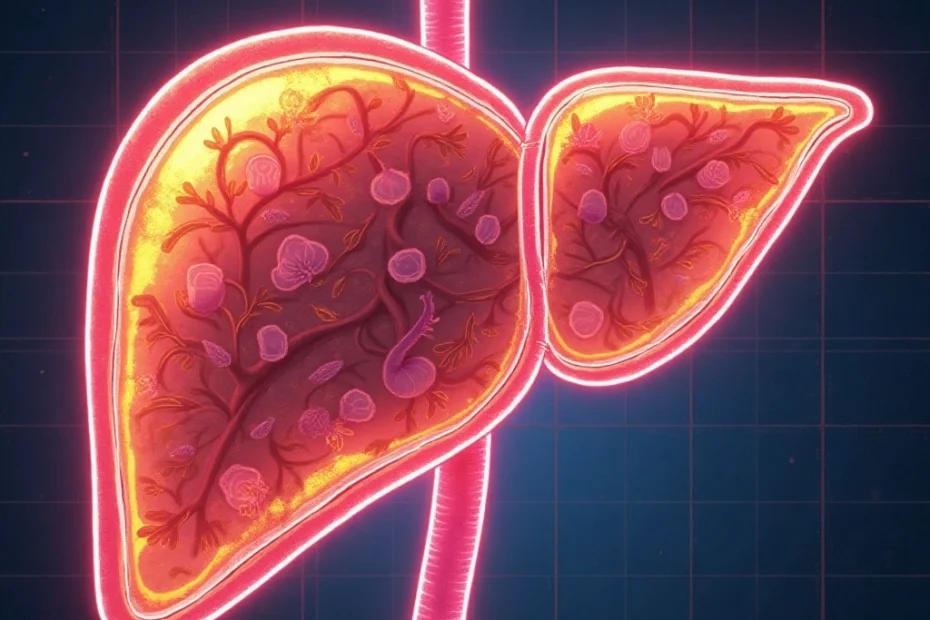
The liver is one of the hardest-working organs in the body. It helps filter toxins, process nutrients, produce essential proteins, and support digestion. Because the liver can continue functioning even when damaged, liver disease often develops silently until it becomes more advanced.
Recognizing the early warning signs may help you seek medical care sooner and prevent serious complications.
Here are 10 common symptoms that could indicate a liver problem.

Feeling unusually tired despite getting enough sleep may be one of the earliest signs of liver disease.
People often describe:
Constant exhaustion
Low energy
Difficulty concentrating
Reduced physical stamina
Fatigue alone does not diagnose liver disease, but persistent symptoms deserve medical evaluation.

Jaundice occurs when bilirubin builds up in the bloodstream because the liver cannot process it properly.
Signs include:
Yellow skin
Yellowing of the whites of the eyes
Dark urine
Pale or clay-colored stools
Jaundice should always be evaluated promptly by a healthcare professional.

The liver is located beneath the right rib cage.
Liver problems may cause:
Dull aching pain
Tenderness
A feeling of fullness or pressure
Pain in this area can have many causes and should not be ignored.
Advanced liver disease may lead to fluid buildup.
You may notice:
Swollen ankles
Swollen feet
Enlarged abdomen (ascites)
Rapid weight gain from fluid retention
These symptoms require medical assessment.
The liver produces proteins that help blood clot.
When liver function declines, you may experience:
Frequent bruising
Nosebleeds
Bleeding gums
Cuts that bleed longer than usual
Persistent itching without an obvious rash may occur when bile flow is impaired and certain substances accumulate in the body.
The itching may become worse at night and can affect large areas of the body.
Liver disease may reduce appetite and interfere with normal digestion.
Symptoms may include:
Feeling full quickly
Nausea
Reduced interest in food
Unintentional weight loss
Some people with liver disease experience:
Nausea
Vomiting
Bloating
Indigestion
These symptoms are common to many conditions but should be evaluated if they persist.
When the liver cannot effectively remove toxins from the blood, they may affect brain function—a condition known as hepatic encephalopathy.
Possible symptoms include:
Memory problems
Confusion
Difficulty concentrating
Personality changes
Excessive sleepiness
This is a medical emergency and requires immediate care.
Changes in urine and stool color may occur when bile is not processed normally.
Watch for:
Tea-colored or dark brown urine
Gray, pale, or clay-colored stools
These changes, especially when accompanied by jaundice, should be evaluated promptly.
Certain factors increase the risk of developing liver problems, including:
Heavy alcohol consumption
Obesity
Type 2 diabetes
Chronic hepatitis B or C infection
Nonalcoholic fatty liver disease (NAFLD)
A family history of liver disease
Long-term exposure to certain medications or toxins
Regular checkups are especially important for people with these risk factors.
Healthy lifestyle choices can reduce your risk of liver disease:
Maintain a healthy weight.
Eat a balanced diet rich in fruits, vegetables, whole grains, and lean proteins.
Limit alcohol consumption.
Exercise regularly.
Get vaccinated against hepatitis A and B if recommended.
Avoid sharing needles or personal items that may carry blood.
Take medications only as directed and avoid unnecessary supplements.
Schedule a medical evaluation if you experience:
Persistent fatigue lasting several weeks.
Yellowing of the skin or eyes.
Ongoing abdominal pain.
Unexplained swelling.
Dark urine or pale stools.
Unexplained weight loss.
Seek emergency medical care immediately if you develop severe confusion, difficulty staying awake, vomiting blood, black tarry stools, or severe abdominal swelling, as these may indicate a serious liver condition.
The liver performs hundreds of vital functions, and many liver diseases develop without obvious symptoms in their early stages. Persistent fatigue, jaundice, abdominal pain, swelling, itching, easy bruising, and changes in urine or stool color are warning signs that should not be ignored.
Early diagnosis and treatment can make a significant difference. If you notice any of these symptoms or have risk factors for liver disease, consult a healthcare professional for appropriate evaluation and testing.
Most smartphone users overlook these surprisingly useful button shortcuts.
A simple intersection puzzle is challenging logic and road-rule knowledge.
Experts say daily food choices may play a key role in brain aging.
New research raises concerns about a common compound found in breakfast staples.
A simple photo sparked confusion online as thousands mistook a fence for a lake.
A small purple butterfly carries a message of love, loss, and compassion.
Those strange avocado strings may reveal more than you think.
Spotted These Bugs Around Your Home? Here’s What You Should Know
Spotted This Insect in Your House? Here’s What It Could Mean
Seeing Silverfish at Home? Here’s Why You Should Pay Attention
I Soaked My Berries in Salt Water and Found These Strange White Larvae - What Happened?
Found an Old Cast-Iron Tool With a Strap? Here’s What It Was Used For
What Does a Three-Point Tattoo Mean? The Story Behind the Symbol
At First, It Looked Like Wet Trash Then I Saw What Was Moving Inside
Why You Should Think Twice Before Tying a Ribbon to Your Suitcase?
Had a Dream About a Loved One Who Passed Away? Here’s What It Could Mean

Scientists have finally determined when Elon Musk’s warning that “eventually, all life on Earth will be destroyed by the sun” could come to pass.


Face, wolf, or moon? Your answer may say more than you think.
Ways to Soothe a Cough and Support Clearer Breathing
🍳 What Happens When You Eat Eggs Every Morning? Doctors Explain…
❤️ Feeling Your Heartbeat While Lying Down? Here’s What It Could Mean…
A simple sleeping position may offer surprising benefits for your body.
Recognizing unusual symptoms early may help prompt timely medical care.
Most smartphone users overlook these surprisingly useful button shortcuts.
If You See This Type of Chicken, Doctors Advise You to Throw It Out Immediately
A simple intersection puzzle is challenging logic and road-rule knowledge.
Experts say daily food choices may play a key role in brain aging.
Could Lemon Water Help Blo:od Pressure? He Tried It for 2 Years and the Outcome Was Unexpected
New research raises concerns about a common compound found in breakfast staples.
🚨 9 Signs Your Blood Sugar May Be Trying to Tell You Something…
4 Early Warning Signs That Could Show Up Minutes Before a Stroke — Don’t Ignore Them
As one of the most nutrient-dense foods on the planet, salmon has long been celebrated by health experts and culinary enthusiasts alike. Beyond its rich flavor and versatility in the kitchen, this popular fatty fish offers an impressive array of health be
A simple photo sparked confusion online as thousands mistook a fence for a lake.
After 40, Your Nails Can Reveal Hidden Changes in Your Body—Don’t Ignore This
The Body Whispers First: Warning Signs of Breast Can.cer That May Appear a Year Before Diagnosis
A small purple butterfly carries a message of love, loss, and compassion.
Many people dismiss nighttime leg cramps as nothing more than a sign of overexertion or dehydration. While occasional muscle cramps are common and usually harmless, frequent or severe episodes can sometimes point to underlying health issues that deserve a
Your Thyroid Is Begging You to Stop Eating These 6 Foods Immediately