The foods we eat play an important role in our overall health, including our long-term risk of developing chronic diseases such as cancer. While no single food can directly cause or prevent cancer, decades of research suggest that certain dietary patterns may influence cancer risk over time.
It's important to understand that frequency, portion size, preparation methods, and overall lifestyle all matter. Eating one serving of a particular food occasionally is very different from consuming it regularly as part of an unbalanced diet. Likewise, factors such as smoking, alcohol use, physical activity, body weight, genetics, and environmental exposures also contribute significantly to cancer risk.
Health organizations such as the World Health Organization (WHO), the American Cancer Society (ACS), and the World Cancer Research Fund (WCRF) generally recommend eating a diet rich in vegetables, fruits, whole grains, legumes, and lean proteins while limiting foods that have been consistently linked with a higher risk of certain cancers.
Here are 11 foods that research suggests may be associated with an increased cancer risk when consumed frequently or in large amounts.
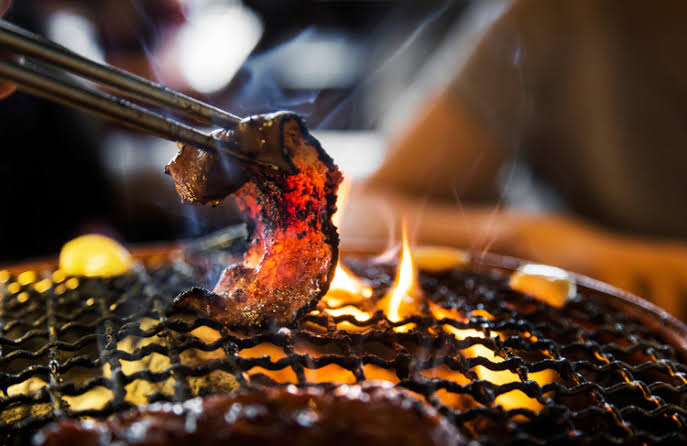
1. Processed Meats
Processed meats include foods such as:
-
Bacon
-
Hot dogs
-
Sausages
-
Ham
-
Salami
-
Pepperoni
-
Deli meats
These products are often preserved by smoking, curing, salting, or adding chemical preservatives such as nitrites and nitrates.
The International Agency for Research on Cancer (IARC) has classified processed meat as a Group 1 carcinogen, meaning there is sufficient evidence that frequent consumption increases the risk of colorectal cancer. The classification reflects the strength of the evidence, not the magnitude of the risk.
Enjoying processed meat occasionally is different from eating it regularly. Replacing some processed meats with poultry, fish, beans, or lentils may support better long-term health.
2. Red Meat Consumed in Large Amounts
Red meat includes:
-
Beef
-
Pork
-
Lamb
-
Goat
-
Veal
These foods provide valuable nutrients, including:
-
Iron
-
Zinc
-
Vitamin B12
-
High-quality protein
However, frequent consumption of large amounts of red meat has been associated with a higher risk of colorectal cancer in some studies.
Many health organizations recommend moderate portions rather than eliminating red meat entirely.
3. Charred or Heavily Burned Meat
Cooking meat over very high temperatures can produce compounds such as:
-
Heterocyclic amines (HCAs)
-
Polycyclic aromatic hydrocarbons (PAHs)
These chemicals have been shown to cause cancer in laboratory animals, and researchers continue to study their effects in humans.
To reduce exposure:
-
Avoid excessive charring.
-
Turn meat frequently.
-
Remove burned portions.
-
Consider baking, steaming, or stewing more often.
4. Alcoholic Beverages
Research consistently shows that alcohol consumption increases the risk of several cancers, including cancers of the:
-
Mouth
-
Throat
-
Esophagus
-
Liver
-
Breast
-
Colon and rectum
The risk generally increases with higher alcohol intake.
There is no completely risk-free level of alcohol consumption for cancer prevention, although reducing intake may lower risk.

5. Sugar-Sweetened Beverages
Soft drinks, sweetened teas, energy drinks, and other sugary beverages have not been proven to directly cause cancer.
However, frequent consumption may contribute to:
-
Weight gain
-
Obesity
-
Type 2 diabetes
Excess body weight is associated with an increased risk of several types of cancer.
Choosing water, sparkling water, or unsweetened beverages more often may support overall health.
6. Highly Processed Snack Foods
Examples include:
-
Potato chips
-
Packaged pastries
-
Candy
-
Sweet baked goods
-
Some packaged desserts
These foods are often high in:
-
Added sugars
-
Saturated fats
-
Sodium
-
Calories
Although these foods are not considered direct causes of cancer, diets high in ultra-processed foods have been associated in some observational studies with poorer health outcomes. More research is ongoing to better understand these relationships.
7. Foods High in Added Sugar
Foods containing large amounts of added sugar include:
-
Frosted cereals
-
Cakes
-
Cookies
-
Doughnuts
-
Candy
-
Sweet desserts
Sugar itself does not "feed cancer" in a unique way—every cell in the body uses glucose for energy.
However, consistently consuming large amounts of added sugar may contribute to excess calorie intake, weight gain, and obesity, which are linked with an increased risk of several cancers.
8. Mold-Contaminated Foods
Foods that develop mold should generally be discarded unless specific food safety guidance indicates otherwise.
Certain molds can produce aflatoxins, naturally occurring toxins that have been linked to liver cancer with significant long-term exposure.
Foods at risk include:
-
Peanuts
-
Corn
-
Tree nuts
-
Grains
-
Some spices stored improperly
Proper storage helps reduce the risk of mold contamination.
9. Salt-Preserved and Highly Salted Foods
Foods such as:
-
Salted fish
-
Pickled foods with high salt content
-
Salt-cured meats
-
Very salty preserved foods
have been associated in some populations with a higher risk of stomach cancer, particularly when consumed frequently over many years.
Reducing sodium intake also supports cardiovascular health.
10. Deep-Fried Foods Eaten Frequently
Deep frying at high temperatures can produce compounds such as acrylamide in certain starchy foods, including french fries and potato chips.
Research is ongoing to clarify how dietary acrylamide affects cancer risk in humans.
In addition, regularly eating large amounts of deep-fried foods may contribute to obesity and other health problems.
Choosing baked, roasted, steamed, or air-fried alternatives more often can be part of a healthier dietary pattern.
11. Foods Stored or Cooked Improperly
Food safety matters.
Improper storage may increase the risk of contamination with harmful bacteria, molds, or toxins.
Examples include:
-
Foods left at room temperature too long
-
Poorly stored grains
-
Improperly canned foods
-
Spoiled leftovers
While foodborne illnesses themselves are not typically cancer causes, avoiding contaminated foods supports overall health and reduces exposure to certain naturally occurring toxins.
Foods That May Help Support Long-Term Health
Instead of focusing only on foods to limit, it is equally important to include foods associated with better overall health.
Examples include:
-
Colorful vegetables
-
Fresh fruits
-
Whole grains
-
Beans and lentils
-
Nuts and seeds
-
Fish
-
Skinless poultry
-
Low-fat dairy (if appropriate)
-
Olive oil
-
Herbs and spices
A varied, balanced diet provides vitamins, minerals, fiber, and beneficial plant compounds that support normal body functions.
Lifestyle Factors Matter Too
Diet is only one part of cancer prevention.
Research suggests that these habits may also help lower cancer risk:
-
Avoid smoking and tobacco products.
-
Limit or avoid alcohol.
-
Maintain a healthy body weight.
-
Stay physically active.
-
Protect your skin from excessive UV exposure.
-
Get recommended vaccinations, such as HPV and hepatitis B when appropriate.
-
Participate in recommended cancer screening programs.
-
Get adequate sleep.
-
Manage chronic medical conditions with the help of your healthcare provider.
Common Myths About Food and Cancer
Myth 1: One Food Causes Cancer
False.
Cancer develops through a complex interaction of genetics, lifestyle, environmental exposures, and aging. No single food determines whether someone will develop cancer.
Myth 2: Sugar Feeds Cancer More Than Normal Cells
False.
All cells—including healthy ones—use glucose for energy. There is no evidence that eliminating sugar alone can stop or cure cancer.
Myth 3: Organic Foods Prevent Cancer
There is no conclusive evidence that eating only organic foods prevents cancer. Both organic and conventionally grown fruits and vegetables can be part of a healthy diet.
Myth 4: Superfoods Can Protect You From Cancer
No individual food can guarantee cancer prevention.
Overall dietary patterns are much more important than any single ingredient.
Myth 5: You Must Eliminate Every "Unhealthy" Food
False.
For most people, occasional treats can fit within an overall healthy diet. Long-term eating habits matter far more than individual meals.
Tips for Building a Cancer-Conscious Diet
Consider these practical habits:
-
Fill at least half your plate with vegetables and fruits.
-
Choose whole grains more often than refined grains.
-
Replace some red and processed meats with beans, lentils, fish, or poultry.
-
Limit sugary drinks and highly processed snacks.
-
Cook meats using gentler methods such as baking, steaming, or stewing when possible.
-
Reduce sodium by using herbs and spices for flavor.
-
Store foods properly to reduce spoilage and mold.
-
Practice portion control and eat a variety of foods.
When Should You Talk to a Healthcare Professional?
Speak with a healthcare provider or registered dietitian if you:
-
Have a family history of cancer and want personalized dietary guidance.
-
Need help managing your weight.
-
Have digestive symptoms that persist.
-
Are undergoing cancer treatment and need nutritional support.
-
Have questions about supplements or specialized diets.
Personalized advice can help ensure your nutritional needs are met while supporting your overall health.

Final Thoughts
Scientific research does not support the idea that any single food will inevitably cause cancer. However, a growing body of evidence suggests that regular consumption of processed meats, excessive amounts of red meat, alcohol, highly salted foods, and diets rich in ultra-processed, high-calorie foods may contribute to a higher risk of certain cancers over time, particularly when combined with other lifestyle risk factors.
Rather than focusing on strict avoidance, aim for a balanced dietary pattern centered on vegetables, fruits, whole grains, legumes, lean protein sources, and healthy fats. Combined with regular physical activity, maintaining a healthy weight, avoiding tobacco, limiting alcohol, and participating in recommended health screenings, these habits offer a practical and evidence-based approach to supporting long-term health and reducing cancer risk.