We all know that diet plays an important role in overall health. But when it comes to cancer, the relationship between food and disease is often more complicated than a simple list of “good” and “bad” foods.
Eating one particular food does not automatically cause cancer. Cancer develops through a complex combination of genetics, environmental exposures, lifestyle factors, infections, age, and chance. However, research has identified certain dietary patterns and food types that are associated with a higher risk of some cancers, particularly when they are consumed frequently over long periods.
The important distinction is frequency and overall dietary pattern.
A slice of bacon at a special breakfast is very different from eating processed meat every day. A grilled steak occasionally is different from consuming large amounts of red and processed meat throughout the week. Similarly, an occasional dessert is not the same as a diet dominated by highly processed, calorie-dense foods.
So rather than asking, “Which foods cause cancer?” a better question is:
Which foods should I avoid eating too often if I want to support my long-term health?
Here are 11 foods and food categories worth paying attention to.
1. Processed Meats
Processed meat is one of the most frequently discussed food categories when it comes to cancer risk.
Examples include:
-
Bacon
-
Sausages
-
Hot dogs
-
Ham
-
Salami
-
Pepperoni
-
Certain deli meats
-
Cured or smoked meats
These products are often preserved through salting, curing, fermentation, smoking, or other processes.
Research has found a consistent association between higher consumption of processed meat and an increased risk of colorectal cancer.
This doesn't mean that eating a hot dog once will cause cancer.
The concern is primarily about regular, long-term consumption.
Processed meats may contain compounds that can contribute to carcinogenic processes, and some preservation and cooking methods can produce additional potentially harmful compounds.
A practical approach
You don't necessarily need to panic about an occasional serving.
Instead, consider replacing processed meats more often with options such as:
-
Eggs
-
Beans
-
Lentils
-
Fresh poultry
-
Fresh meat in moderate portions
-
Tofu
-
Other minimally processed protein sources
The goal is to make processed meat an occasional food rather than an everyday staple.
2. Large Amounts of Red Meat
Beef, pork, lamb, and other mammalian meats can provide valuable nutrients, including protein, iron, zinc, and vitamin B12.
But frequent consumption of large amounts of red meat has been associated with increased colorectal cancer risk.
The relationship is not as strong or as clearly established as it is for processed meat, but it is still an important part of dietary guidance.
One possible explanation involves compounds generated during cooking and digestion, as well as the overall dietary pattern associated with high red-meat consumption.
You don't have to eliminate red meat
For many people, moderation is a more realistic approach.
Instead of making red meat the centerpiece of every meal, alternate it with:
-
Beans
-
Lentils
-
Eggs
-
Poultry
-
Soy foods
-
Nuts and seeds
-
Other protein sources
And consider keeping portions reasonable.
3. Charred or Heavily Blackened Meat
The way food is cooked can matter as much as the food itself.
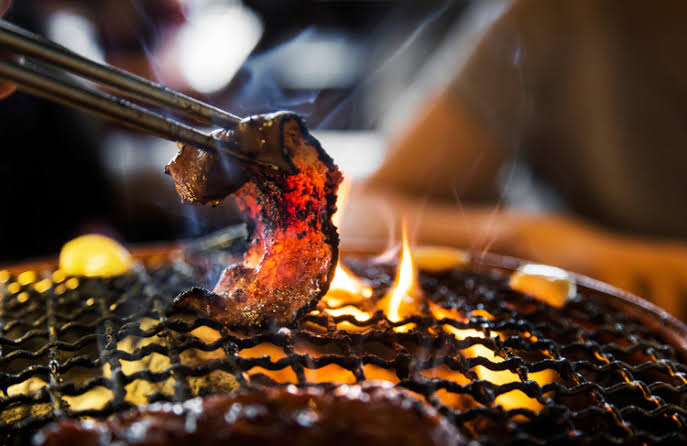
When meat is exposed to very high temperatures—especially during grilling, barbecuing, pan-frying, or open-flame cooking—certain compounds can form.
Two groups that receive considerable attention are:
Heterocyclic amines (HCAs) and polycyclic aromatic hydrocarbons (PAHs).
These compounds can form when meat is cooked at high temperatures or when fat drips onto flames and smoke deposits onto the food.
That doesn't mean grilled food is automatically dangerous.
The concern is greater when meat is frequently heavily charred or blackened.
Simple ways to reduce exposure
You can:
-
Avoid intentionally burning meat
-
Remove heavily charred portions
-
Turn meat regularly while cooking
-
Avoid prolonged exposure to intense flames
-
Use lower-temperature cooking methods more often
-
Include vegetables alongside grilled foods
Grilling occasionally isn't something most people need to fear. The bigger picture is how frequently heavily charred meat appears in the diet.
4. Deep-Fried Foods
French fries, fried chicken, fried snacks, and other deep-fried foods aren't usually discussed as direct cancer-causing foods.
The concern is more complicated.
Deep frying can produce compounds such as acrylamide, particularly in starchy foods cooked at high temperatures.
Acrylamide has been studied extensively because high levels can cause cancer in laboratory animals, while evidence about cancer risk from typical dietary exposure in humans is less clear.
At the same time, frequent consumption of deep-fried foods can contribute to:
-
Excess calorie intake
-
Weight gain
-
Poorer overall diet quality
-
Metabolic problems
And excess body fat is associated with increased risk of several types of cancer.
The better approach
You don't have to eliminate fried food forever.
Instead:
-
Eat fried foods less frequently.
-
Choose baked, steamed, boiled, or roasted foods more often.
-
Avoid cooking starchy foods until they become very dark.
-
Build meals around vegetables, whole grains, and minimally processed foods.
5. Heavily Processed Packaged Foods
This category includes many foods that are convenient but easy to overconsume.
Examples include:
-
Packaged snack cakes
-
Certain cookies
-
Highly processed frozen meals
-
Sugary breakfast products
-
Processed snack foods
-
Some instant meals
-
Highly refined packaged desserts
Not every packaged food is unhealthy, and “processed” does not automatically mean “cancer-causing.”
The concern is that diets high in ultra-processed foods are associated with poorer health outcomes, including obesity and metabolic disease, which themselves can influence cancer risk.
Ultra-processed foods may also contain large amounts of:
-
Added sugars
-
Sodium
-
Refined starches
-
Unhealthy fats
-
Calories
while providing relatively little fiber.
The solution isn't perfection
Instead of eliminating everything that comes in a package, look at the overall diet.
Try making minimally processed foods the foundation of your meals and treating highly processed snacks as occasional foods.
6. Sugary Drinks
Soft drinks, sweetened teas, energy drinks, and other sugar-sweetened beverages can provide a surprisingly large amount of added sugar.
A major concern is not that sugar itself directly “feeds cancer.”
That's an oversimplification.
The concern is that frequent consumption of sugary beverages can make it easier to consume excess calories and gain excess body fat.
Higher levels of body fat are associated with an increased risk of several cancers.
Sugary drinks can also contribute to metabolic problems such as insulin resistance and type 2 diabetes.
A simple swap
Instead of drinking sugary beverages every day, consider:
-
Water
-
Sparkling water without added sugar
-
Unsweetened tea
-
Unsweetened coffee
-
Water flavored with fresh fruit
You can still enjoy sweet drinks occasionally without making them a daily habit.
7. Alcoholic Beverages
Alcohol deserves special attention because the relationship between alcohol and cancer is considerably stronger than many people realize.
Alcohol consumption is associated with increased risk of several cancers, including cancers of the:
-
Mouth
-
Throat
-
Esophagus
-
Liver
-
Breast
-
Colorectum
The risk generally increases with greater alcohol consumption, and some cancer risk can occur even at relatively low levels of drinking.
Alcohol is metabolized into acetaldehyde, a compound that can damage DNA.
Alcohol can also affect hormone levels and influence other biological processes involved in cancer development.
What does this mean?
If you drink alcohol, reducing your intake can reduce risk.
And if you don't drink, there is no health reason to start drinking for supposed benefits.
8. Foods Extremely High in Salt
Salt itself isn't a direct carcinogen in the same way that tobacco smoke is.
However, very high dietary salt intake has been associated with an increased risk of stomach cancer in research, particularly in certain dietary contexts.
High-salt foods may damage the stomach lining or contribute to conditions that increase vulnerability.
Common high-sodium foods include:
-
Salted preserved meats
-
Instant noodles
-
Pickled foods
-
Salted fish
-
Processed soups
-
Salty snacks
-
Highly processed sauces
In addition to potential cancer associations, excessive sodium intake can contribute to high blood pressure.
The practical solution
Try using herbs, garlic, ginger, pepper, citrus juice, vinegar, and other seasonings to add flavor without relying heavily on salt.
9. Foods With Lots of Added Sugar
Sugar is one of the most misunderstood subjects in cancer nutrition.
You may see claims online that “sugar causes cancer.”
That's not an accurate way to describe the evidence.
All cells in the body use glucose for energy, and simply eating sugar does not selectively feed cancer cells.
The more relevant concern is that a diet consistently high in added sugar can contribute to excess calorie intake, weight gain, and metabolic problems.
Excess body fat is associated with an increased risk of numerous cancers.
Foods often high in added sugar include:
-
Cakes
-
Candy
-
Sweetened cereals
-
Cookies
-
Pastries
-
Ice cream
-
Sweetened beverages
-
Desserts
What should you do?
You don't need to fear fruit because it contains natural sugar.
Whole fruits also contain fiber, water, vitamins, minerals, and plant compounds.
Instead, focus on reducing added sugars, particularly from highly processed foods and drinks.
10. Refined Grains When They Dominate the Diet
White bread, refined cereals, pastries, and other foods made primarily from refined grains aren't inherently carcinogenic.
The concern is what happens when refined grains dominate the diet while replacing fiber-rich foods.
A diet low in dietary fiber and high in refined carbohydrates may be associated with poorer metabolic health and may not provide the same colorectal benefits associated with adequate fiber intake.
Whole grains contain more of the grain's natural structure and generally provide more fiber and nutrients.
Try making simple substitutions
Instead of always choosing:
-
White bread → try whole-grain bread
-
Refined cereal → choose a higher-fiber cereal
-
Refined snacks → choose nuts, fruit, or other minimally processed options
You don't have to eliminate white rice or white bread entirely.
Balance matters.
11. Highly Processed Convenience Foods
The final category overlaps with several foods already mentioned, but it's worth highlighting because modern diets often rely heavily on convenience.
Think about meals that are:
-
Highly processed
-
High in sodium
-
Low in fiber
-
High in calories
-
High in added sugar
-
Heavy in refined carbohydrates
-
Made with processed meats
Eating one occasionally isn't necessarily a problem.
The concern arises when these foods become the foundation of the diet.
A diet built largely around minimally processed plant foods, whole grains, appropriate protein sources, and healthier fats generally offers a much stronger nutritional foundation.
The Bigger Risk May Be the Overall Dietary Pattern
One of the most important things to understand is that cancer isn't caused by one meal.
It's rarely useful to say:
“I ate this food, therefore I will get cancer.”
That's not how cancer develops.
Cancer risk is influenced by a combination of factors, including:
-
Age
-
Genetics
-
Family history
-
Smoking
-
Alcohol
-
Body weight
-
Physical activity
-
Certain infections
-
Sun exposure
-
Environmental exposures
-
Hormonal factors
-
Diet
Food is only one piece of a much larger picture.
That's why a balanced dietary pattern is more meaningful than obsessing over individual ingredients.
What Should You Eat More Often?
Instead of focusing entirely on what to remove, consider what you can add.
A health-supportive eating pattern can include plenty of:
Vegetables
Aim for variety rather than eating the same vegetables every day.
Whole fruits
Apples, berries, oranges, grapes, pears, and other fruits provide fiber and beneficial plant compounds.
Whole grains
Examples include brown rice, whole-grain bread, barley, oats, and other intact or minimally processed grains.
Beans and legumes
Beans, lentils, and chickpeas provide fiber and plant-based protein.
Nuts and seeds
These can provide healthy fats, minerals, and other nutrients when eaten in appropriate portions.
Fish and other minimally processed protein sources
Depending on your dietary needs, fish, poultry, eggs, tofu, beans, and other protein sources can provide variety.
Does This Mean You Can Never Eat Bacon or Cake Again?
No.
This is one of the most important messages.
Healthy eating does not require perfection.
If you occasionally eat:
-
Bacon
-
Steak
-
French fries
-
Cake
-
Ice cream
-
A salty snack
that doesn't mean you've ruined your health.
The concern is habitual, frequent consumption over time.
Think about your diet across weeks, months, and years—not a single meal.
If 90% of your meals are built around nutritious foods, an occasional indulgence is very different from eating highly processed foods at nearly every meal.
The "80/20" Mindset Can Be More Sustainable
For some people, an extremely restrictive diet is difficult to maintain.
Instead, you can think about your eating pattern in terms of priorities.
Most of the time:
Choose vegetables, fruit, whole grains, beans, nuts, seeds, and minimally processed foods.
Often:
Choose appropriate sources of protein and healthy fats.
Less often:
Choose processed meats, heavily fried foods, sugary drinks, highly processed snacks, and alcohol.
This approach allows flexibility while still keeping your overall dietary pattern aligned with long-term health.
Don't Forget About Fiber
If there is one dietary component that deserves more attention, it's fiber.
Fiber is found naturally in:
-
Vegetables
-
Fruits
-
Whole grains
-
Beans
-
Lentils
-
Nuts
-
Seeds
Adequate fiber intake supports digestive health and is an important part of a healthy dietary pattern.
For colorectal health in particular, replacing highly processed foods with fiber-rich plant foods can be a useful strategy.
Increase fiber gradually if you're currently eating very little, because suddenly consuming large amounts can cause bloating or digestive discomfort.
And drink enough fluid according to your individual needs.
Cooking Method Matters
Even nutritious foods can change depending on how they're prepared.
Compare:
Chicken grilled until heavily blackened
with:
Chicken cooked gently and served with vegetables.
Or:
Potatoes deep-fried until very dark
with:
Potatoes roasted or boiled and served as part of a balanced meal.
The ingredients aren't the only consideration.
Cooking temperature, duration, added salt, added sugar, and portion size can all influence the nutritional quality of a meal.
Don't Fall for "Cancer-Fighting Food" Claims
Just as some foods are unfairly labeled as dangerous, other foods are often promoted as miracle cancer preventers.
You may see claims that a particular berry, tea, spice, juice, or supplement can “kill cancer cells.”
Laboratory studies can be interesting, but results from test tubes or animals don't automatically translate into a treatment that works in humans.
No single food can replace cancer screening, medical treatment, or a healthy overall lifestyle.
Instead of looking for a miracle ingredient, focus on a diverse diet rich in minimally processed plant foods.
Your Daily Habits Matter More Than One Meal
If you want to reduce preventable cancer risk, food is only one area worth addressing.
Other important habits include:
-
Don't smoke.
-
Avoid secondhand smoke when possible.
-
Keep alcohol consumption low or avoid it.
-
Maintain a healthy body weight.
-
Stay physically active.
-
Protect your skin from excessive ultraviolet exposure.
-
Follow recommended cancer screening guidelines.
-
Get appropriate vaccinations that reduce cancer-associated infections.
-
Manage chronic health conditions with appropriate medical care.
These measures work together.
No diet can completely eliminate cancer risk, but healthy habits can reduce risk for many diseases and improve overall health.
The Bottom Line
There is no single food that guarantees cancer—and there is no single food that guarantees you won't develop it.
However, research suggests that frequent consumption of processed meats, high amounts of red meat, heavily charred foods, alcohol, and diets dominated by highly processed, calorie-dense foods can be associated with higher risks of certain cancers or with risk factors that contribute to cancer.
The answer isn't fear.
It's balance.
Instead of asking, “Can I ever eat this again?”, ask:
“How often does this food appear in my diet?”
That simple question can change the way you think about nutrition.
Make vegetables, fruits, fiber-rich foods, whole grains, legumes, and minimally processed foods the foundation of your meals. Keep processed meats, heavily charred foods, sugary drinks, highly processed snacks, and alcohol to a minimum.
You don't need a perfect diet.
You need a consistent pattern of better choices over time.
And when it comes to reducing cancer risk, that long-term pattern is far more important than any single meal sitting on your plate.