Honey has been treasured for thousands of years - not only as a natural sweetener but also as a traditional home remedy in cultures around the world. Ancient Egyptians used it to care for wounds, traditional Chinese medicine incorporated it into herbal preparations, and Ayurvedic practitioners valued it for its soothing properties. Today, honey remains one of the most popular natural ingredients found in kitchens worldwide.
Modern scientific research has shown that honey contains naturally occurring sugars, antioxidants, trace vitamins, minerals, enzymes, and plant compounds that may contribute to its health-supporting properties. However, while some uses are supported by scientific evidence, others are based mainly on traditional practice. Honey should not be viewed as a cure for illness or a replacement for professional medical care.
If used appropriately as part of a balanced diet and healthy lifestyle, honey may offer several benefits. Here are 11 traditional honey remedies that may help support your health naturally.
1. Honey for a Sore Throat
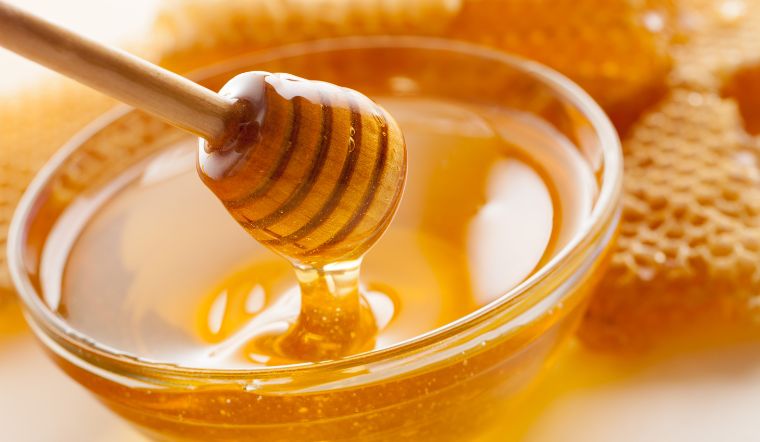
One of the best-known traditional uses of honey is soothing an irritated throat.
Its thick, smooth texture coats the throat, providing temporary relief from irritation. Some research suggests that honey may also help reduce the frequency of coughing associated with upper respiratory infections in adults and children over one year of age.
How to use it
-
Stir one or two teaspoons of honey into warm water.
-
Add fresh lemon juice for extra flavor.
-
Sip slowly.
Important: Never give honey to infants under 12 months of age because of the risk of infant botulism.
2. Honey and Ginger Tea for Seasonal Comfort
Ginger has long been used in traditional medicine to support digestive health and provide comfort during seasonal illnesses.
Combining ginger with honey creates a warm beverage that many people find soothing.
Ingredients
-
Fresh ginger slices
-
Hot water
-
One teaspoon of honey
-
Optional lemon juice
This comforting drink may help soothe the throat and encourage hydration.
3. Honey and Lemon for Hydration
Warm lemon water with honey is a popular morning beverage in many households.
While there is no evidence that it "detoxifies" the body, it can:
-
Encourage fluid intake
-
Provide vitamin C from lemon
-
Offer a pleasant alternative to sugary drinks
Staying well hydrated supports many important body functions.
4. Honey as Part of Wound Care
Medical-grade honey has been used in healthcare settings under professional supervision for certain types of wounds and burns.
Some studies suggest specially prepared medical honey may help create a moist healing environment and reduce bacterial growth.
However, raw kitchen honey should not be applied to wounds, as it is not sterile and may contain contaminants.
Always follow the advice of a healthcare professional for wound care.
5. Honey in Herbal Tea Before Bed
Many people enjoy adding honey to herbal teas such as:
-
Chamomile
-
Peppermint
-
Lemon balm
A warm beverage before bedtime may promote relaxation as part of a healthy nighttime routine.
While honey itself is not a sleep medication, this calming ritual may help some people unwind.
6. Honey With Plain Yogurt
Plain yogurt contains beneficial bacteria, while honey adds natural sweetness.
Together they create a nutritious snack rich in:
-
Protein
-
Calcium
-
Probiotics
-
Antioxidants
Choose unsweetened yogurt and use honey in moderation.
7. Honey in Oatmeal
Instead of adding refined sugar to breakfast, many people choose a small amount of honey.
Pair it with:
-
Oats
-
Nuts
-
Fresh berries
-
Cinnamon
-
Chia seeds
This combination provides fiber, healthy fats, vitamins, and minerals to help support overall health.
8. Honey and Cinnamon
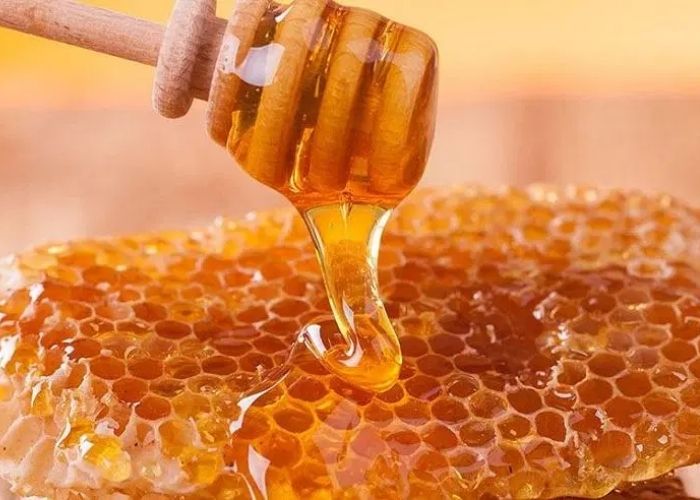
Honey and cinnamon are commonly combined in traditional wellness practices.
Cinnamon contains naturally occurring polyphenols with antioxidant activity, while honey contributes additional plant compounds.
Although some internet claims about this combination are exaggerated, enjoying honey and cinnamon as part of a balanced diet can add flavor without relying on highly processed sweeteners.
9. Honey for Dry Coughs
Several studies suggest that honey may help reduce nighttime coughing associated with uncomplicated upper respiratory infections in some adults and children over one year old.
Its soothing texture may temporarily reduce throat irritation.
However, persistent coughs, high fever, difficulty breathing, coughing up blood, or symptoms lasting more than a few weeks should be evaluated by a healthcare professional.
10. Honey as a Natural Sweetener
Replacing some refined sugar with small amounts of honey may help reduce consumption of highly processed sweeteners.
Honey can be added to:
-
Tea
-
Coffee
-
Smoothies
-
Homemade salad dressings
-
Yogurt
-
Oatmeal
Although honey contains beneficial plant compounds, it is still a source of added sugar and should be consumed in moderation.
11. Honey With Fruits and Nuts
One of the healthiest ways to enjoy honey is by pairing it with nutrient-dense foods.
Try combining honey with:
-
Apples
-
Pears
-
Berries
-
Walnuts
-
Almonds
-
Greek yogurt
This creates a satisfying snack that provides:
-
Fiber
-
Protein
-
Healthy fats
-
Vitamins
-
Minerals
-
Antioxidants
Why Honey Is Special
Unlike refined white sugar, honey naturally contains small amounts of beneficial compounds, including:
-
Flavonoids
-
Phenolic acids
-
Organic acids
-
Enzymes
-
Trace minerals
-
Antioxidants
The exact composition varies depending on the flowers visited by bees.
Darker honeys often contain higher concentrations of antioxidants than lighter varieties.
Choosing Quality Honey
When purchasing honey, consider:
-
Minimal processing
-
Reputable producers
-
Clear labeling
-
Pure honey without added syrups
Raw honey retains more naturally occurring enzymes than heavily processed honey, although both provide similar calories.
How Much Honey Is Appropriate?
Honey is still considered an added sugar.
Most healthy adults can enjoy small amounts as part of a balanced eating pattern, but moderation is important.
Individuals with diabetes or other conditions affecting blood sugar should discuss appropriate intake with their healthcare provider or registered dietitian.
Who Should Avoid Honey?
Honey is not appropriate for infants younger than one year because of the risk of infant botulism.
People with:
-
Bee product allergies
-
Certain pollen allergies
-
Diabetes requiring careful carbohydrate management
should consult a healthcare professional if they have concerns about consuming honey.
Healthy Habits That Work Alongside Honey
No single food can replace a healthy lifestyle.
For the greatest benefits, combine honey with other healthy habits, including:
-
Eating plenty of fruits and vegetables.
-
Choosing whole grains.
-
Exercising regularly.
-
Staying hydrated.
-
Getting 7–9 hours of sleep each night.
-
Managing stress.
-
Avoiding smoking.
-
Limiting highly processed foods and sugary beverages.
These evidence-based habits have a much greater impact on long-term health than any individual ingredient.
Common Myths About Honey
Myth: Honey cures every illness.
Honey has several well-studied properties and may help soothe certain symptoms, but it is not a cure for infections, cancer, diabetes, or other serious medical conditions.
Myth: Honey is sugar-free.
Honey is primarily composed of natural sugars, including fructose and glucose.
Although it contains additional beneficial compounds compared with refined sugar, it should still be consumed in moderation.
Myth: More honey is always better.
Even healthy foods can be overconsumed.
Large amounts of honey contribute significant calories and added sugars.
Balance remains important.
Final Thoughts
Honey has earned its place as one of nature's oldest and most cherished foods, valued for both its delicious flavor and its long history of traditional use. Whether stirred into warm tea for a sore throat, drizzled over oatmeal, paired with yogurt and fruit, or used as a natural sweetener, honey can be a flavorful addition to a balanced diet.
Modern research supports some of its traditional uses - particularly for soothing sore throats and certain types of coughs—while many other claimed benefits continue to be studied. At the same time, it is important to remember that honey is not a cure-all and should not replace professional medical treatment when it is needed.
By enjoying honey in moderation, choosing high-quality products, and combining it with nutritious foods and healthy lifestyle habits, you can appreciate both its rich history and its potential role in supporting overall wellness naturally.