Baking soda is one of the most versatile products found in many households. Known scientifically as sodium bicarbonate, this inexpensive white powder has been used for generations in cooking, baking, cleaning, deodorizing, and even certain medical applications. Because it is affordable and easy to find, baking soda has become the subject of countless household tips and social media hacks.
However, while baking soda has many practical uses, not every claim circulating online is supported by scientific evidence. Some people believe it can detoxify the body, cure diseases, whiten teeth permanently, or solve nearly every household problem. In reality, baking soda is a useful product but it also has limitations and should be used appropriately.
Here are 12 common uses of baking soda and what current evidence says about each one.
What Is Baking Soda?
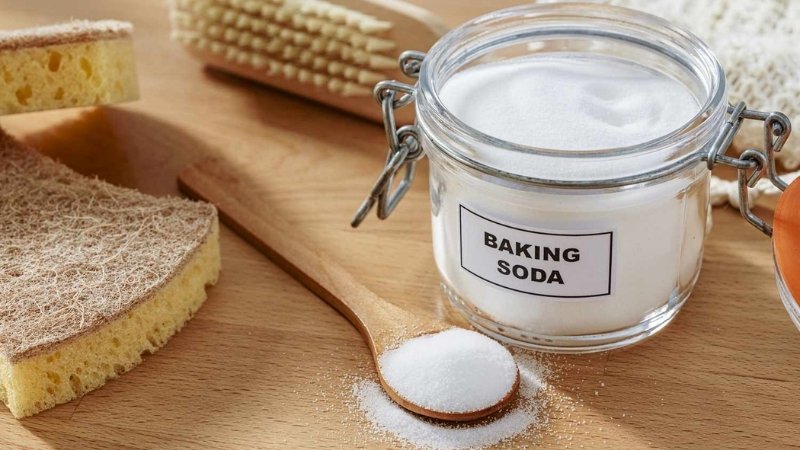
Baking soda, or sodium bicarbonate (NaHCO₃), is a naturally occurring alkaline compound.
When combined with an acid such as lemon juice, vinegar, or yogurt - it produces carbon dioxide gas. This reaction is what helps baked goods rise.
Beyond baking, its mildly alkaline nature also makes it useful for cleaning, deodorizing, and neutralizing certain acids.
1. A Leavening Agent for Baking
One of baking soda's best-known uses is in baking.
When mixed with acidic ingredients and moisture, it releases carbon dioxide bubbles that help baked goods become light and fluffy.
It is commonly used in:
-
Cakes
-
Muffins
-
Cookies
-
Pancakes
-
Quick breads
Using too much baking soda can leave foods with a bitter or soapy taste, so recipes should be followed carefully.
2. Helps Neutralize Household Odors
Baking soda is widely used to help reduce unpleasant odors.
Many odor-causing compounds are acidic, and baking soda can help neutralize some of them.
Common places people use it include:
-
Refrigerators
-
Trash bins
-
Shoes
-
Gym bags
-
Pet areas
Keep in mind that baking soda does not remove the source of odors—it simply helps reduce certain smells.
3. A Mild Household Cleaner
Because baking soda is mildly abrasive, it can help remove dirt and grime from many surfaces without scratching as aggressively as harsher cleaners.
It is commonly used to clean:
-
Kitchen sinks
-
Countertops
-
Stovetops
-
Stainless steel cookware
-
Ceramic surfaces
However, it may not be suitable for delicate materials such as certain natural stones or aluminum finishes. Always check manufacturer recommendations before cleaning specialty surfaces.

4. May Help Remove Stains
A paste made from baking soda and water is often used to help lift certain stains from household items.
People commonly use it on:
-
Coffee mugs
-
Food storage containers
-
Oven racks
-
Kitchen utensils
Results depend on the type of stain and the surface being cleaned.
5. Can Help Freshen Carpets and Upholstery
Some people sprinkle baking soda over carpets or upholstered furniture before vacuuming.
This practice may help reduce mild odors trapped in fabric.
For best results:
-
Sprinkle a light layer.
-
Allow it to sit for several hours.
-
Vacuum thoroughly.
This method freshens fabrics but does not replace deep cleaning when needed.
6. May Help Reduce Drain Odors
A common household tip involves pouring baking soda followed by vinegar into a drain.
The fizzing reaction can help loosen minor debris near the surface and temporarily reduce odors.
However, this mixture is not a reliable solution for serious drain clogs. Stubborn blockages often require mechanical cleaning or professional plumbing services.
7. Supports Oral Hygiene—With Caution
Baking soda is an ingredient in some toothpastes because it acts as a gentle abrasive that can help remove surface stains.
Some research suggests toothpaste containing baking soda may help improve plaque removal and whitening compared with certain non-baking soda formulas.
However:
-
Baking soda alone does not contain fluoride.
-
It should not replace fluoride toothpaste.
-
Excessive scrubbing may damage tooth enamel over time.
Consult your dentist before using homemade baking soda remedies regularly.
8. May Temporarily Relieve Mild Heartburn
Because baking soda is alkaline, it can neutralize stomach acid.
Certain over-the-counter antacid products contain sodium bicarbonate for short-term relief of occasional heartburn.
However, frequent use is not recommended without medical advice because excessive sodium bicarbonate can affect the body's electrolyte balance and acid-base status.
People with high blood pressure, kidney disease, or heart conditions should speak with a healthcare provider before using products containing sodium bicarbonate.
9. Helps Clean Produce—Within Limits
Some research suggests soaking certain fruits and vegetables in a baking soda solution may help remove some pesticide residues from their surfaces.
However, baking soda:
-
Does not sterilize produce.
-
Does not remove all pesticides.
-
Cannot eliminate bacteria inside damaged produce.
Washing fruits and vegetables under running water remains an important food safety practice.
10. Can Freshen Laundry
Many people add a small amount of baking soda to laundry.
It may help:
-
Neutralize odors
-
Support detergent performance
-
Soften wash water in some areas
It is not a substitute for laundry detergent but may be used alongside it.
11. Useful for Cleaning Kitchen Appliances
Baking soda can help clean:
-
Microwave interiors
-
Refrigerators
-
Coffee makers (exterior)
-
Cutting boards
-
Food preparation surfaces
Because it is non-toxic when used externally, it is a popular choice for areas where food is prepared.
Always rinse surfaces thoroughly after cleaning.
12. A Handy Ingredient for Everyday Household Tasks
Beyond these common uses, baking soda is frequently included in homemade cleaning mixtures for routine household maintenance.
It can be helpful for:
-
Cleaning reusable water bottles
-
Freshening reusable food containers
-
Removing mild grease buildup
-
Cleaning outdoor furniture
-
Deodorizing reusable lunch boxes
Its versatility makes it one of the most practical multi-purpose products to keep at home.
Common Myths About Baking Soda
Myth: Baking soda detoxifies the body.
Fact: Your liver and kidneys naturally remove waste products from the body. Drinking baking soda does not detoxify your system.
Myth: Baking soda cures cancer.
Fact: There is no scientific evidence that baking soda cures or treats cancer. Cancer treatment should always follow evidence-based medical care.
Myth: Drinking baking soda every day improves health.
Fact: Regular consumption without medical supervision may lead to electrolyte imbalances, high sodium intake, and metabolic alkalosis.
Myth: Baking soda permanently whitens teeth.
Fact: Baking soda may help remove some surface stains, but it does not permanently change the natural color of teeth.
Myth: Baking soda disinfects every surface.
Fact: Baking soda is primarily a cleaner and deodorizer. It is not considered a broad-spectrum disinfectant like products specifically formulated to kill harmful microorganisms.
Safety Tips
Although baking soda is generally safe for household use, a few precautions are important.
Avoid:
-
Swallowing large amounts.
-
Using it as a long-term remedy for heartburn without medical advice.
-
Mixing it with strong chemicals unless the combination is known to be safe.
-
Using excessive force when cleaning delicate surfaces.
Keep baking soda out of reach of young children and store it in a dry place.
When Should You Avoid Using Baking Soda?
Speak with a healthcare provider before using sodium bicarbonate-containing products if you have:
-
High blood pressure
-
Kidney disease
-
Heart failure
-
Liver disease
-
A sodium-restricted diet
-
Frequent heartburn requiring regular medication
Medical guidance is especially important if you take prescription medications that may interact with sodium bicarbonate.
The Bottom Line
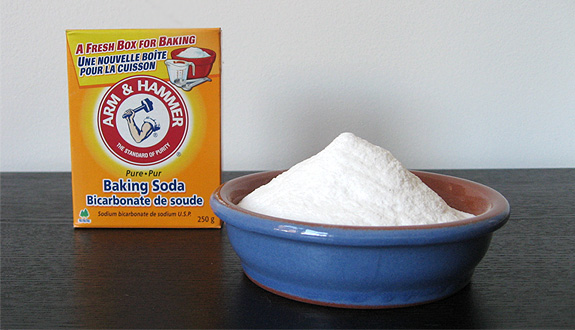
Baking soda is a versatile household staple with many practical uses, from helping baked goods rise to reducing odors, cleaning surfaces, freshening laundry, and providing short-term relief for occasional heartburn in certain situations. Many of these applications are supported by everyday practice and, in some cases, scientific research.
At the same time, it is important to separate evidence from myths. Baking soda does not detoxify the body, cure serious diseases, or replace proper medical treatment or specialized cleaning products. Used correctly and in moderation, it can be an inexpensive, effective tool for cooking, cleaning, and routine household tasks. As with any product, following recommended uses and understanding its limitations will help you use baking soda safely and effectively.