
Nighttime Leg Cramps: Common Causes, Warning Signs, and When to See a Doctor
Frequent nighttime leg cramps may signal more than simple muscle fatigue.
Health 22/07/2026 01:29
Aging is a natural part of life, but how we age can vary significantly from person to person. While there is no proven way to stop or reverse the aging process, decades of scientific research suggest that certain lifestyle habits can help support healthy aging, maintain physical and mental function, and reduce the risk of many age-related diseases.
You may have seen advertisements for supplements, miracle creams, or special diets claiming to "turn back the clock." Although these products can be appealing, there is no single food, supplement, or treatment that has been proven to prevent aging entirely. Instead, healthy aging is influenced by a combination of nutrition, physical activity, sleep, stress management, preventive healthcare, and social connections.
The good news is that many of the habits associated with healthy aging are simple, practical, and beneficial at any stage of life.

Healthy aging is not about looking younger—it is about maintaining your physical, mental, and emotional well-being as you grow older.
Healthy aging aims to help people:
Stay physically active
Maintain independence
Preserve memory and thinking skills
Reduce the risk of chronic diseases
Enjoy a good quality of life
Remain socially engaged
Small daily choices often have a greater long-term impact than dramatic short-term changes.
Nutrition is one of the most important factors influencing long-term health.
A balanced eating pattern may include:
Fruits
Vegetables
Whole grains
Beans and legumes
Nuts and seeds
Lean proteins
Fish
Healthy fats such as olive oil
These foods provide vitamins, minerals, fiber, antioxidants, and healthy fats that support normal body function.
Rather than focusing on one "superfood," aim for variety and balance.
Regular exercise benefits nearly every system in the body.
Research shows physical activity may help:
Maintain muscle strength
Improve balance
Support heart health
Protect bone health
Improve mood
Enhance sleep quality
Reduce the risk of chronic diseases
Experts generally recommend combining:
Aerobic exercise
Strength training
Flexibility exercises
Balance activities
Even walking regularly can provide meaningful health benefits.
Sleep allows the body and brain to recover.
Adults generally benefit from 7–9 hours of quality sleep each night.
Poor sleep has been associated with:
Reduced concentration
Mood changes
Weakened immune function
Increased risk of certain chronic conditions
Healthy sleep habits include maintaining a consistent bedtime and limiting screen use before bed.
Ultraviolet (UV) radiation is one of the biggest contributors to premature skin aging.
Daily sun protection may help reduce:
Wrinkles
Age spots
Loss of skin elasticity
Skin cancer risk
Protective measures include:
Wearing sunscreen
Seeking shade
Wearing protective clothing
Using hats and sunglasses outdoors

Smoking damages nearly every organ in the body.
It accelerates skin aging by reducing blood flow and breaking down collagen and elastin.
Smoking also increases the risk of:
Heart disease
Stroke
Lung disease
Multiple cancers
Quitting smoking provides health benefits at any age.
Excessive alcohol intake can negatively affect many aspects of health, including:
Liver function
Sleep quality
Blood pressure
Brain health
Heart health
If you choose to drink alcohol, moderation is generally recommended according to local health guidelines.
Long-term stress can affect both physical and mental well-being.
Healthy stress-management strategies include:
Mindfulness
Meditation
Deep breathing
Yoga
Spending time outdoors
Talking with supportive friends or family
Professional counseling when needed
Managing stress supports overall wellness rather than eliminating stress completely.
Humans are social by nature.
Research suggests that maintaining meaningful relationships may support:
Emotional health
Cognitive function
Mental well-being
Longevity
Ways to stay connected include:
Spending time with family
Joining community groups
Volunteering
Participating in hobbies
Staying in touch with friends
Just as muscles benefit from exercise, the brain benefits from mental stimulation.
Activities that challenge the brain include:
Reading
Learning new skills
Solving puzzles
Playing strategy games
Learning a language
Musical instruments
Mental activity helps maintain cognitive engagement throughout life.
Maintaining a healthy weight supports many aspects of health.
Healthy weight management may reduce the risk of:
Type 2 diabetes
High blood pressure
Heart disease
Certain cancers
Joint problems
Rather than following restrictive diets, sustainable eating habits are generally more effective over time.
Routine healthcare plays an essential role in healthy aging.
Regular checkups may include:
Blood pressure screening
Cholesterol testing
Diabetes screening
Cancer screening
Eye examinations
Hearing tests
Dental care
Vaccinations
Early detection often leads to better treatment outcomes.
Water supports nearly every function in the body.
Adequate hydration helps maintain:
Body temperature
Digestion
Kidney function
Joint lubrication
Circulation
Older adults may experience a reduced sense of thirst, making regular fluid intake especially important.
Water remains the best beverage choice for most people.
Fact: Genetics influence aging, but lifestyle choices also play a significant role in long-term health.
Fact: No supplement has been proven to stop or reverse the aging process.
Fact: Healthy lifestyle changes provide benefits at virtually every age.
Fact: Healthy aging involves much more than appearance, including heart health, brain function, mobility, and emotional well-being.
Fact: Appropriate physical activity is recommended for most older adults, although exercise plans should be tailored to individual abilities and medical conditions.
Small daily habits can make a meaningful difference over time.
Consider:
Eating colorful fruits and vegetables.
Choosing whole grains more often.
Limiting highly processed foods.
Spending time outdoors safely.
Practicing good oral hygiene.
Maintaining a regular daily routine.
Continuing to learn and explore new interests.
Healthy aging is built on consistent habits rather than quick fixes.
Consult a healthcare professional if you notice:
Unexplained weight loss
Persistent fatigue
Memory changes that interfere with daily life
Frequent falls
Ongoing pain
Difficulty performing routine activities
These symptoms are not always a normal part of aging and may require medical evaluation.

Healthy aging is not about finding a miracle product or reversing time—it is about making daily choices that support long-term physical, mental, and emotional well-being. Research consistently shows that habits such as eating a balanced diet, staying physically active, getting enough sleep, protecting your skin from excessive sun exposure, avoiding smoking, managing stress, staying socially connected, and keeping up with preventive healthcare can help you maintain your health and independence as you grow older.
While aging itself cannot be stopped, many of the factors that influence how we age are within our control. By focusing on evidence-based lifestyle habits instead of unproven anti-aging claims, you can support your body and mind for years to come and enjoy a healthier, more active quality of life.
Frequent nighttime leg cramps may signal more than simple muscle fatigue.

These Common Conditions May Be Causing Your Hip Pain—Learn the Signs
⚠️ Don't Ignore Hip Pain—It May Be Linked to More Than You Think
😨 Small Changes Could Point to Kidney Problems—Here's What Experts Say to Watch For
These Unexpected Nail Changes May Signal an Underlying Health Issue 👇
5 Common Mini Stroke Warning Signs Every Family Should Recognize

Can Diet and Lifestyle Help Reduce Bloating? Here's What We Know

8 Common Claims About Castor Oil and Baking Soda

Many People Soak Their Feet in Apple Cider Vinegar - Here's Why

He Believed Lemon Water Would Help His Bl00d Pressure - What Happened After Two Years May Surprise You

Doctors Find a Possible Link to Eating One Type of Pickled Vegetable for Nearly 10

Doctors Warn It Can Be More Toxic Than Arsenic if Prepared Incorrectly

Your Liver May Be Sending Quiet Warning Signals

54-Year-Old Woman Thought Ginger Was Healthy Ate It Daily for 3 Months and Paid a Painful Price
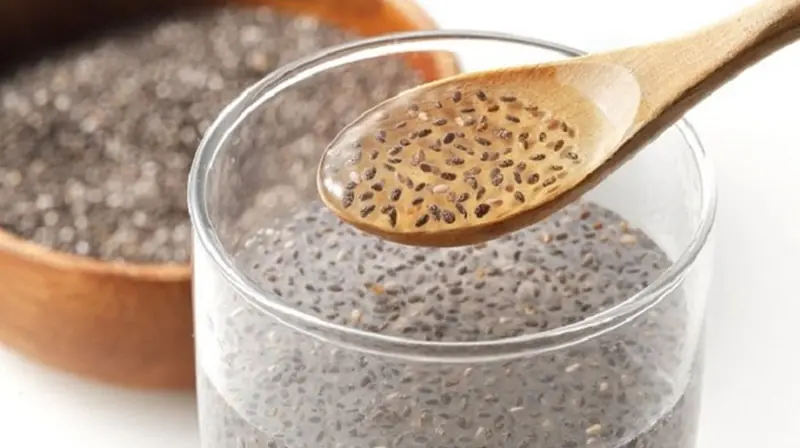
Drinking Chia Seed Water Every Day: Potential Benefits and What You Should Know

Doctors reveal that eating avocados causes… see more

Scientists Were Surprised by the One Root Vegetable Everyone in This Village Eats Daily

Not all chicken is created equal: 3 parts you may want to avoid.

He Ate Raw Garlic Every Morning for 6 Years—Then Doctors Made a Shocking Discovery
Frequent nighttime leg cramps may signal more than simple muscle fatigue.
These Common Conditions May Be Causing Your Hip Pain—Learn the Signs
⚠️ Don't Ignore Hip Pain—It May Be Linked to More Than You Think
😨 Small Changes Could Point to Kidney Problems—Here's What Experts Say to Watch For
These Unexpected Nail Changes May Signal an Underlying Health Issue 👇
5 Common Mini Stroke Warning Signs Every Family Should Recognize
Can Diet and Lifestyle Help Reduce Bloating? Here's What We Know
8 Common Claims About Castor Oil and Baking Soda
Many People Soak Their Feet in Apple Cider Vinegar - Here's Why

25-Year-Old Man Suffers Kidney Failure After Just One Bite
He Believed Lemon Water Would Help His Bl00d Pressure - What Happened After Two Years May Surprise You

What Should You Do If a Bird Flies Into Your House?
Doctors Find a Possible Link to Eating One Type of Pickled Vegetable for Nearly 10
Doctors Warn It Can Be More Toxic Than Arsenic if Prepared Incorrectly
Your Liver May Be Sending Quiet Warning Signals
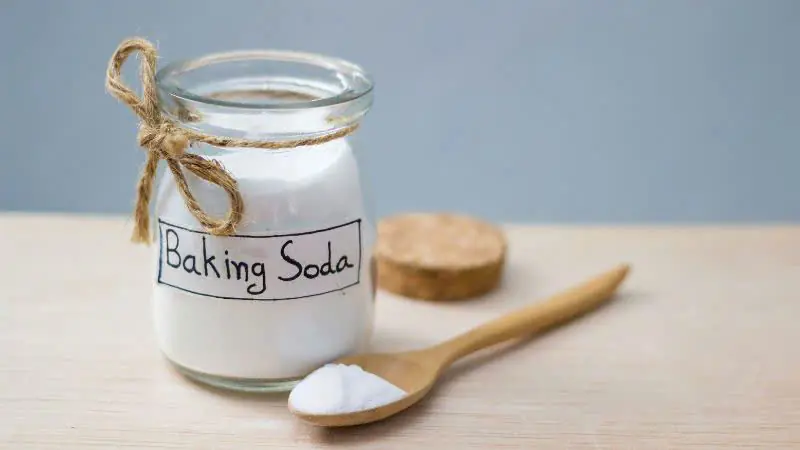
Baking Soda: 12 Everyday Uses Worth Knowing
54-Year-Old Woman Thought Ginger Was Healthy Ate It Daily for 3 Months and Paid a Painful Price
Drinking Chia Seed Water Every Day: Potential Benefits and What You Should Know
Doctors reveal that eating avocados causes… see more