There is no single food that can prevent cancer, and no diet can guarantee that a person will never develop the disease. Cancer is influenced by a complex combination of genetics, age, environmental exposures, lifestyle, and chance.
However, what you eat regularly can influence several factors associated with long-term health. Diets rich in vegetables, fruits, whole grains, legumes, nuts, and other minimally processed foods are consistently associated with better overall health and, in many studies, a lower risk of certain cancers.
The key is to think about dietary patterns rather than miracle foods.
Some foods contain fiber, vitamins, minerals, polyphenols, carotenoids, and other plant compounds that researchers are studying for their potential roles in protecting cells and supporting normal biological processes.
Here are 12 nutritious foods worth including in a balanced diet.
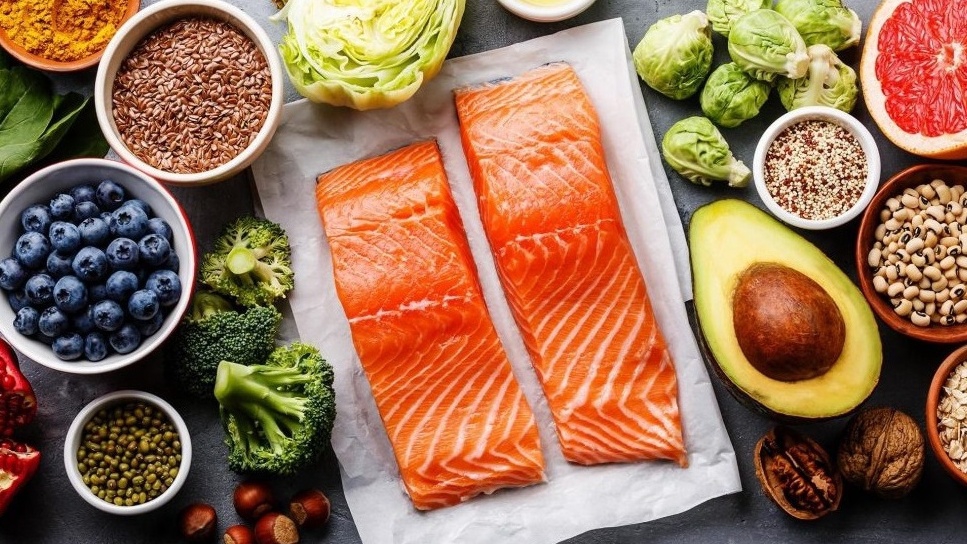
1. Broccoli and Other Cruciferous Vegetables
Broccoli is part of the cruciferous vegetable family, along with cauliflower, cabbage, Brussels sprouts, kale, and bok choy.
These vegetables contain compounds called glucosinolates, which can be converted into biologically active substances such as sulforaphane.
Laboratory and observational research has explored whether compounds found in cruciferous vegetables may influence pathways involved in inflammation, cellular protection, and the body's handling of potentially harmful compounds.
Human evidence is still complex, but regularly eating cruciferous vegetables is a sensible nutritional choice.
Try adding broccoli to:
-
Stir-fries
-
Soups
-
Salads
-
Grain bowls
-
Roasted vegetable dishes
Steaming or lightly cooking broccoli can preserve many of its nutrients while making it easier to eat regularly.
2. Berries
Strawberries, blueberries, raspberries, and blackberries provide a wide range of nutrients and plant compounds.
Their deep colors come partly from polyphenols, including anthocyanins.
These compounds have antioxidant and other biological activities that have attracted considerable research interest.
Berries are also a source of fiber and vitamin C.
Importantly, antioxidant activity in a laboratory does not automatically mean that eating a particular berry prevents cancer in humans. Cancer prevention is far more complicated than simply consuming antioxidants.
Still, replacing highly processed desserts or sugary snacks with whole berries can be an excellent dietary habit.
Add them to:
-
Plain yogurt
-
Oatmeal
-
Whole-grain cereal
-
Smoothies
-
Salads
3. Leafy Green Vegetables
Spinach, kale, collard greens, Swiss chard, and other leafy greens are packed with nutrients.
Depending on the variety, they provide:
-
Folate
-
Vitamin C
-
Vitamin K
-
Carotenoids
-
Fiber
-
Minerals
-
Various polyphenols
Carotenoids such as lutein and beta-carotene are particularly abundant in some leafy vegetables.
A diet containing plenty of vegetables is consistently associated with overall health, and leafy greens are an easy way to increase the variety of plant foods in your meals.
You don't need to eat enormous bowls of raw greens every day.
Cooked greens can be just as useful and may be easier to incorporate into regular meals.
4. Tomatoes
Tomatoes are particularly interesting because they contain lycopene, a carotenoid responsible for much of their red color.
Research has examined associations between lycopene intake and certain health outcomes, including some forms of cancer.
Some observational studies have reported associations between higher consumption of tomatoes or tomato products and lower risks of certain cancers, particularly prostate cancer, although the evidence is not conclusive.
Interestingly, cooking tomatoes can increase the availability of lycopene because heat and processing help release it from plant tissues.
Tomato sauce, crushed tomatoes, and cooked tomatoes can therefore be nutritious additions to meals.
For an even healthier dish, combine tomatoes with vegetables, legumes, whole grains, or other minimally processed foods rather than relying on heavily processed sauces high in sodium or added sugar.
5. Garlic
Garlic belongs to the allium family, along with onions, leeks, shallots, and chives.
When garlic is chopped or crushed, it produces sulfur-containing compounds, including allicin.
Researchers have investigated compounds in garlic for potential antioxidant, antimicrobial, anti-inflammatory, and cellular effects.
Some epidemiological research has also examined associations between higher consumption of allium vegetables and cancer risk.
However, garlic should not be considered a cancer treatment.
Its biggest practical advantage may be much simpler: it adds tremendous flavor to food, potentially allowing you to rely less heavily on salt and highly processed sauces.
Try adding fresh garlic to vegetables, beans, soups, fish, whole grains, and homemade sauces.

6. Beans and Lentils
Beans, lentils, chickpeas, and other legumes are among the most useful foods you can add to a healthy diet.
They are rich in:
-
Dietary fiber
-
Plant protein
-
Folate
-
Minerals
-
Various phytochemicals
Their high fiber content is particularly relevant to digestive health.
Fiber contributes to regular bowel function and supports the gut microbiome. Some types of dietary fiber are fermented by gut bacteria, producing compounds such as short-chain fatty acids that may influence the intestinal environment.
Higher consumption of fiber-rich foods has been associated with a lower risk of colorectal cancer.
That doesn't mean beans “prevent colon cancer,” but replacing some processed meats or refined carbohydrates with beans can improve the overall nutritional quality of your diet.
7. Whole Grains
Whole grains include foods such as:
-
Oatmeal
-
Brown rice
-
Barley
-
Whole-wheat bread
-
Bulgur
-
Quinoa
-
Whole-grain cereals
Unlike refined grains, whole grains retain more of the grain's natural components, including fiber and various micronutrients.
Fiber is particularly important for digestive health and has been associated with a lower risk of colorectal cancer.
Whole grains can also help make meals more filling, which may support healthy body weight.
This matters because excess body weight is associated with increased risk of several cancers.
A bowl of oatmeal topped with berries and walnuts, for example, combines several beneficial food groups in one meal.
8. Nuts and Seeds
Walnuts, almonds, pistachios, peanuts, flaxseeds, chia seeds, and other nuts and seeds provide healthy fats, protein, fiber, minerals, and plant compounds.
Nuts have been studied extensively in relation to cardiovascular and metabolic health, while research continues to investigate their potential relationship with cancer risk.
They are particularly useful as replacements for highly processed snacks.
Instead of reaching for cookies or chips, a small handful of unsalted nuts can provide a more nutrient-dense option.
Because nuts and seeds are calorie-dense, portion size still matters.
Their benefits are best considered within the context of an overall healthy diet.
9. Citrus Fruits
Oranges, grapefruit, lemons, limes, and other citrus fruits provide vitamin C, folate, fiber, and numerous plant compounds.
Citrus fruits also contain flavonoids and carotenoids that researchers have investigated for their biological effects.
Eating whole fruit is generally preferable to drinking fruit juice because whole fruit contains more fiber and tends to be more filling.
Try adding oranges or grapefruit to breakfast, using lemon to flavor vegetables and fish, or adding citrus segments to salads.
As always, individual medical circumstances matter. For example, grapefruit can interact with certain medications, so people taking prescription drugs should check with a pharmacist or clinician when appropriate.
10. Green Tea
Green tea contains polyphenols called catechins, including epigallocatechin gallate, or EGCG.
These compounds have been extensively studied in laboratory and observational research.
Some laboratory studies suggest that tea compounds can influence cellular pathways related to oxidative stress, inflammation, and cell signaling.
But this evidence should not be interpreted as proof that drinking green tea prevents cancer.
Clinical evidence in humans is much more complicated.
Still, unsweetened green tea can be a healthy beverage choice for many adults, particularly when it replaces sugary drinks.
Remember that green tea contains caffeine, so people who are sensitive to caffeine or have trouble sleeping may prefer to drink it earlier in the day.
11. Fatty Fish
Salmon, sardines, trout, mackerel, and other fatty fish provide omega-3 fatty acids, particularly EPA and DHA.
They are also excellent sources of high-quality protein and several micronutrients.
Fatty fish are strongly associated with cardiovascular benefits as part of many healthy dietary patterns.
Research into their relationship with cancer risk is more complicated, but replacing processed or heavily charred meats with fish can be a sensible dietary strategy.
Fish also provides vitamin D in varying amounts, depending on the species.
Aim for a variety of protein sources rather than relying on one food.
12. Extra-Virgin Olive Oil
Extra-virgin olive oil is a major component of the Mediterranean dietary pattern, which has been associated with numerous health benefits.
It contains predominantly monounsaturated fat as well as various phenolic compounds.
The evidence surrounding olive oil and cancer is still developing, but its broader nutritional profile makes it a useful alternative to fats high in saturated fat.
Use it for:
-
Salad dressings
-
Roasted vegetables
-
Grain bowls
-
Beans
-
Fish
-
Homemade sauces
Keep portions reasonable because, like all oils, olive oil is calorie-dense.
The Bigger Picture Matters More Than Any Single Food
This may be the most important message of all.
Eating broccoli once a week while consuming large amounts of processed meat, sugary drinks, alcohol, and highly processed foods every day is unlikely to provide the same benefits as consistently following a balanced dietary pattern.
Cancer prevention is not about finding a magic ingredient.
It is about reducing risk factors while supporting overall health over many years.
A diet centered around plant foods can help provide fiber and a wide variety of nutrients and phytochemicals.
At the same time, other lifestyle factors matter enormously.
Foods and Habits Worth Limiting
If your goal is to build a dietary pattern associated with lower cancer risk, what you eat less often can be just as important as what you add.
Consider limiting:
Processed Meat
Bacon, sausages, hot dogs, and other processed meats have been linked with increased colorectal cancer risk.
Excessive Alcohol
Alcohol consumption is associated with increased risk of several cancers. From a cancer-prevention perspective, less is generally better.
Highly Processed Foods
Foods high in refined carbohydrates, added sugars, unhealthy fats, and excess sodium can contribute to poor overall dietary quality and weight gain.
Excess Calories
Long-term excess body weight is associated with an increased risk of multiple cancers.
Tobacco
Although not a food, avoiding tobacco is one of the most important steps a person can take to reduce cancer risk.
What About “Cancer-Fighting” Supplements?
This is where caution is especially important.
A concentrated supplement containing a plant compound may seem more powerful than eating the whole food.
But more concentrated does not automatically mean more beneficial.
Some high-dose supplements can cause side effects, interact with medications, or behave differently in the body than the food from which the compound originated.
There is also no general supplement that can replace recommended cancer screening or proven preventive measures.
If you're considering a high-dose supplement because you've seen claims about cancer prevention, discuss it with a healthcare professional first.
A Simple Way to Build a Healthier Plate
You don't need to completely redesign your diet overnight.
A simple approach is to make plant foods a regular part of most meals.
For example:
Breakfast:
Oatmeal + berries + walnuts
Lunch:
Lentil or bean salad + leafy greens + tomatoes + olive oil
Dinner:
Grilled salmon + broccoli + whole grains
Snack:
An orange or a small handful of unsalted nuts
This kind of pattern provides fiber, protein, healthy fats, vitamins, minerals, and a wide range of plant compounds.
More importantly, it is sustainable.
Don't Ignore Cancer Screening
Even the healthiest diet cannot eliminate cancer risk.
That's why appropriate screening remains essential.
Depending on your age, sex, family history, and individual risk factors, screening may include tests for colorectal, breast, cervical, lung, or other cancers.
Screening can sometimes detect precancerous changes or cancer at an earlier stage, when treatment may be more effective.
If you have a strong family history of cancer or other risk factors, you may need screening earlier or more frequently than someone at average risk.
Talk with your healthcare professional about what is appropriate for you.
Final Thoughts
There is no food that can guarantee protection from cancer.
But there are many foods that can contribute to a dietary pattern associated with better long-term health.
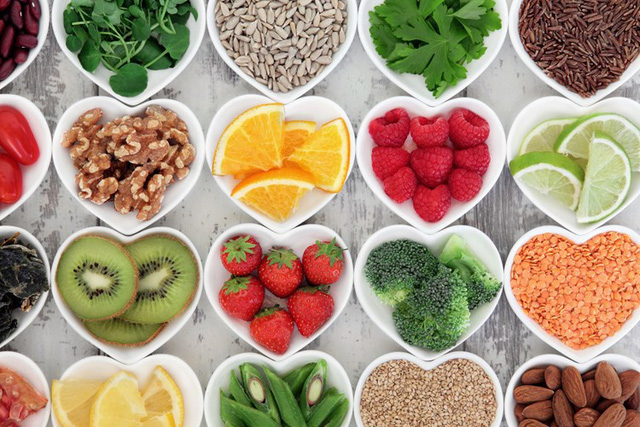
Broccoli, berries, leafy greens, tomatoes, garlic, beans, whole grains, nuts and seeds, citrus fruits, green tea, fatty fish, and extra-virgin olive oil all offer valuable nutrients and plant compounds.
The goal isn't to eat one of them obsessively.
The goal is variety.
Fill your meals with different colors, plant foods, fiber-rich ingredients, healthy fats, and appropriate sources of protein. Limit processed meat and excessive alcohol, maintain a healthy weight, stay physically active, avoid tobacco, and follow recommended cancer screening guidelines.
Think of these foods not as miracle cures, but as tools for building a healthier lifestyle.
Your diet cannot control every factor that determines cancer risk - but the choices you make repeatedly, meal after meal and year after year, can still be an important part of protecting your long-term health.