For centuries, coconut water has been enjoyed in tropical regions as a refreshing and naturally sweet drink. Today, it has become one of the most popular health beverages in the world. Many people drink it after workouts, during hot summer days, or simply as a healthier alternative to sugary sodas. But coconut water is far more fascinating than most people realize.
Hidden inside every young green coconut is a nutrient-rich liquid packed with minerals, antioxidants, and surprising health properties. From hydration and digestion to skincare and heart health, coconut water has earned its reputation as nature’s sports drink.
Here are 12 incredible things about coconut water that many people still don’t know.
1. Coconut Water Is Naturally Rich in Electrolytes
One of the biggest reasons coconut water became so popular is its impressive electrolyte content. Electrolytes are minerals that help maintain fluid balance, nerve function, and muscle performance.
Coconut water naturally contains:
- Potassium
- Magnesium
- Sodium
- Calcium
Potassium is especially abundant. In fact, one cup of coconut water often contains more potassium than a banana. This makes it an excellent drink for rehydration after exercise, excessive sweating, or hot weather.
Unlike many commercial sports drinks, coconut water usually contains less sugar and no artificial colors.
2. It May Help Prevent Dehydration Faster Than Plain Water
While regular water is essential for life, coconut water can sometimes rehydrate the body more effectively because of its electrolyte balance.
Athletes and fitness enthusiasts often drink coconut water after intense workouts because it helps replenish minerals lost through sweat. Some people also use it during mild illness or after spending time in extreme heat.
Its natural sugars and minerals can help the body absorb fluids more efficiently.
3. Coconut Water Is Extremely Low in Calories
Many fruit juices and soft drinks contain large amounts of sugar and calories. Coconut water, however, is naturally low in calories while still offering a lightly sweet flavor.
A typical serving contains far fewer calories than soda or packaged fruit juice, making it a popular option for people trying to manage their weight while still enjoying flavorful beverages.
This balance of sweetness and low calorie content is one reason coconut water continues to grow in popularity worldwide.
4. It Contains Powerful Antioxidants
Coconut water contains antioxidants that help neutralize harmful free radicals in the body.
Free radicals are unstable molecules linked to:
- Aging
- Inflammation
- Cell damage
- Chronic disease
Antioxidants may help reduce oxidative stress and support overall wellness. Although coconut water is not a miracle cure, its natural antioxidant compounds can contribute to a healthier lifestyle when combined with balanced nutrition.
5. It May Support Heart Health
One of the most surprising discoveries about coconut water is its potential connection to heart health.
Because it is rich in potassium, coconut water may help support healthy blood pressure levels. Potassium helps balance sodium in the body, which plays an important role in cardiovascular function.
Some studies suggest that diets high in potassium are associated with lower risks of high blood pressure and stroke.
Replacing sugary drinks with coconut water may also help reduce excess calorie and sugar intake, which benefits overall heart health.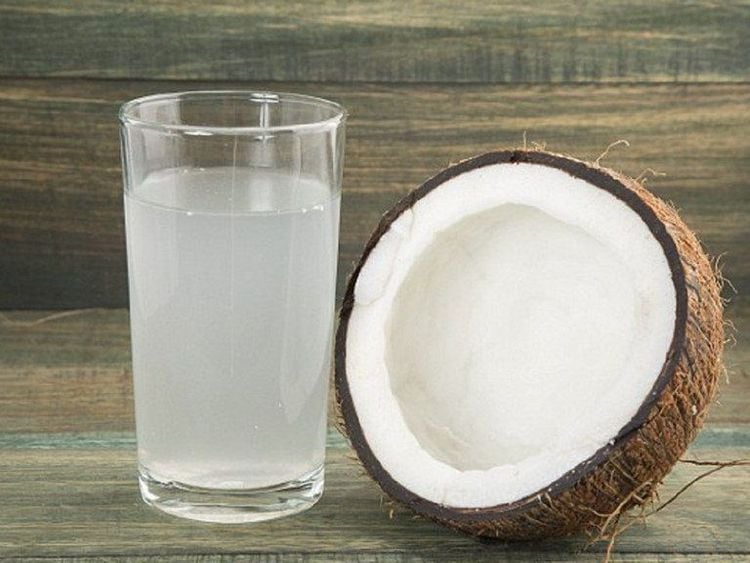
6. Coconut Water Could Help Reduce Muscle Cramps
Muscle cramps are sometimes caused by dehydration or mineral imbalances, especially low potassium or magnesium levels.
Since coconut water contains both potassium and magnesium, many people drink it to help reduce post-workout cramps or fatigue.
Athletes often prefer it as a natural recovery drink because it helps restore hydration while delivering important minerals without artificial additives.
7. It Has Been Used as an Emergency Hydration Fluid
One of the most fascinating facts about coconut water dates back to wartime emergencies.
During certain periods in history, sterile coconut water was reportedly used intravenously in emergency situations when medical saline supplies were unavailable. This happened because fresh coconut water is naturally sterile inside unopened coconuts and contains electrolyte levels somewhat similar to human plasma.
Although this is not a standard medical practice today, it highlights how biologically compatible coconut water can be with the human body.
8. Coconut Water May Aid Digestion
Many people notice that coconut water feels gentle on the stomach.
It may help support digestion because it contains bioactive enzymes and hydration-supporting minerals. Some individuals drink it to ease mild stomach discomfort, especially during hot weather or after heavy meals.
Proper hydration is also essential for healthy digestion, and coconut water can contribute to maintaining fluid balance throughout the digestive system.
9. It Could Help Support Kidney Health
Staying hydrated is important for kidney function, and coconut water may help support this process.
Some research suggests that coconut water may help reduce the formation of kidney stones by decreasing crystal buildup in the urinary tract.
Its potassium and hydration properties may contribute to flushing excess waste from the body more effectively.
However, individuals with kidney disease should consult a healthcare professional before consuming large amounts of coconut water due to its high potassium content.
10. Coconut Water Is Popular in Natural Skincare
Coconut water is not only consumed as a beverage — it is also used in skincare products around the world.
Because it contains vitamins, minerals, amino acids, and antioxidants, coconut water is often associated with:
- Skin hydration
- Refreshing tired skin
- Supporting a healthy glow
Some people use coconut water as part of homemade facial masks or toners. While scientific evidence is still limited, many users report that it leaves the skin feeling refreshed and moisturized.
11. Not All Coconut Water Is the Same
Many people assume all coconut water products are equally healthy, but that is not always true.
Some packaged brands add:
- Sugar
- Artificial flavors
- Preservatives
- Concentrates
Fresh coconut water directly from a young green coconut is usually the purest option. When buying packaged versions, it is important to read labels carefully and choose products with minimal ingredients.
The simpler the ingredient list, the closer it is to natural coconut water.
12. Coconut Water Has Been Valued for Thousands of Years
Long before modern wellness trends appeared, coconut water was already highly respected in tropical cultures.
In many regions across Asia, the Pacific Islands, South America, and the Caribbean, coconuts were considered symbols of life and nourishment. Coconut water was traditionally consumed to cool the body, support hydration, and provide energy during hot climates.
Today, modern science is finally beginning to validate many of the benefits that traditional cultures recognized centuries ago.

Final Thoughts
Coconut water is far more than a trendy beverage. It is a naturally refreshing drink packed with electrolytes, antioxidants, and valuable nutrients that can support hydration and overall wellness.
From helping replenish minerals after exercise to supporting digestion and heart health, coconut water offers an impressive range of benefits in a simple, natural form.
Still, moderation remains important. While coconut water can be a healthy addition to many diets, excessive consumption may not be suitable for everyone, especially individuals with certain medical conditions involving potassium balance.
The next time you crack open a fresh coconut or sip a bottle of coconut water, remember that you are drinking one of nature’s most fascinating beverages — a drink with a history, science, and nutritional profile far more incredible than most people ever imagined.