Cancer is one of the leading causes of illness and death worldwide, affecting millions of people every year. While there is no guaranteed way to prevent cancer, decades of research suggest that healthy lifestyle choices—including a nutritious diet can play an important role in reducing the risk of certain cancers.
It's important to understand that no single food can prevent, treat, or cure cancer. Instead, experts recommend focusing on an overall eating pattern rich in vegetables, fruits, whole grains, legumes, nuts, and other minimally processed foods while limiting processed meats, excessive alcohol, and highly processed foods.
Many plant-based foods contain vitamins, minerals, fiber, and naturally occurring compounds known as phytochemicals, which may help protect cells from damage, support normal immune function, and reduce chronic inflammation factors that are associated with overall health.
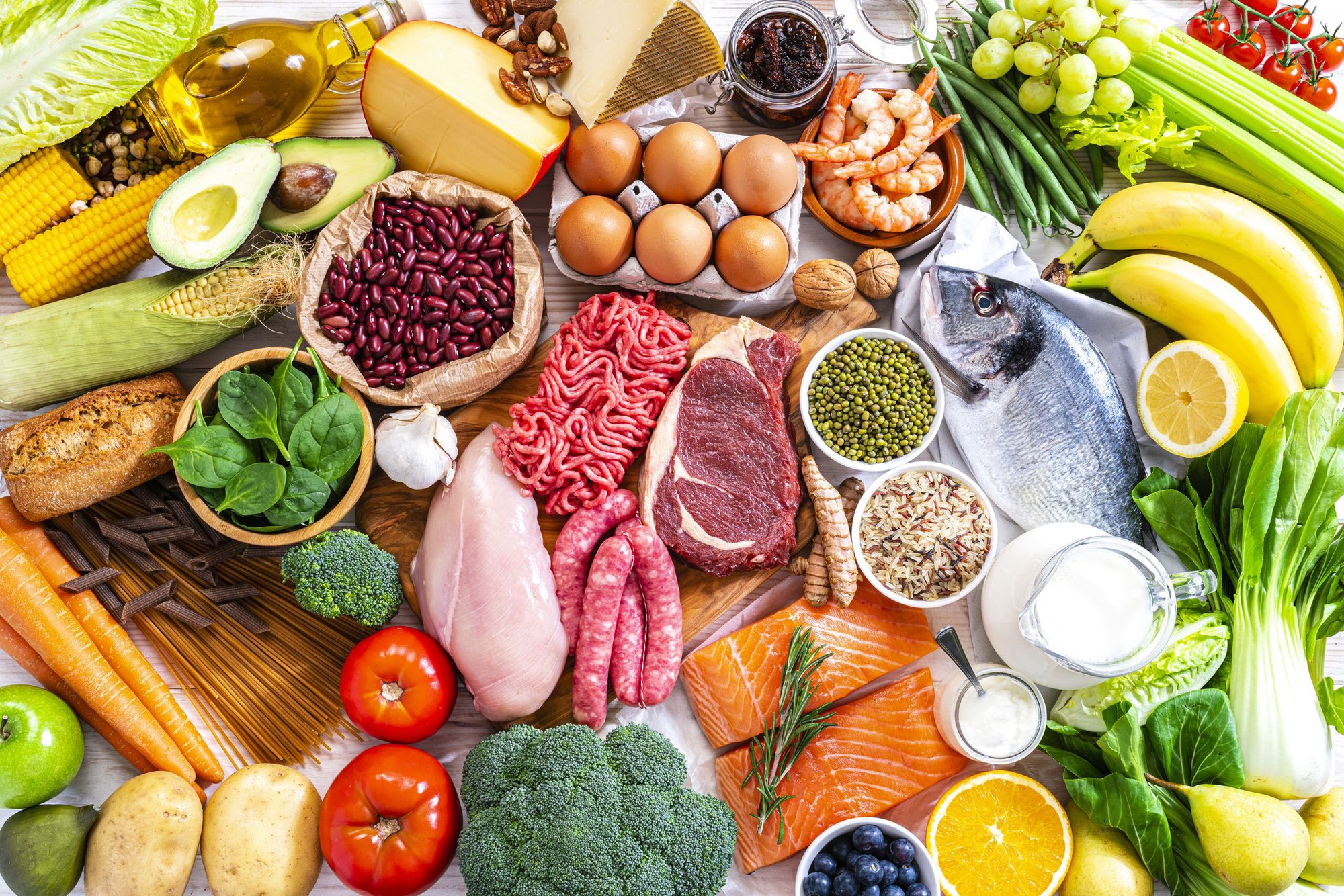
Here are 12 nutrient-rich foods that research suggests may help support a healthy diet associated with a lower risk of certain cancers.
1. Broccoli and Other Cruciferous Vegetables
Cruciferous vegetables include:
-
Broccoli
-
Cauliflower
-
Brussels sprouts
-
Cabbage
-
Kale
-
Bok choy
These vegetables contain compounds called glucosinolates, which are converted into biologically active substances such as sulforaphane and indoles when the vegetables are chopped or chewed.
Laboratory and animal studies suggest these compounds may help support the body's natural detoxification processes and protect cells from oxidative stress. Human studies are more complex, but many nutrition experts encourage regular consumption of cruciferous vegetables as part of a balanced diet.
Aim to include several servings each week.
2. Berries
Blueberries, strawberries, raspberries, and blackberries are rich in:
-
Vitamin C
-
Fiber
-
Anthocyanins
-
Ellagic acid
-
Other antioxidant compounds
Antioxidants help neutralize unstable molecules known as free radicals, which can damage cells over time.
Although eating berries does not eliminate cancer risk, regularly including them in your diet contributes to an overall pattern associated with good health.
Fresh and frozen berries are both nutritious options.
3. Tomatoes
Tomatoes are one of the richest dietary sources of lycopene, a carotenoid responsible for their bright red color.
Some observational studies have suggested that higher tomato intake may be associated with a lower risk of certain cancers, particularly prostate cancer. However, results have been mixed, and researchers continue to investigate the relationship.
Cooked tomatoes—such as those in tomato sauce—may provide lycopene in a form that is more easily absorbed by the body, especially when eaten with a small amount of healthy fat like olive oil.
4. Garlic and Onions
Garlic, onions, leeks, and shallots belong to the allium vegetable family.
These foods contain sulfur-containing compounds that have been studied for their potential effects on cell health.
Some observational studies have linked higher intakes of allium vegetables with a reduced risk of certain digestive tract cancers, although more research is needed to understand the relationship fully.
Adding garlic and onions to soups, stir-fries, salads, and roasted vegetables is an easy way to enhance both flavor and nutrition.
5. Leafy Green Vegetables
Spinach, kale, Swiss chard, collard greens, and romaine lettuce provide:
-
Folate
-
Vitamin C
-
Vitamin K
-
Carotenoids
-
Fiber
-
Magnesium
These nutrients support normal cell function and overall health.
Leafy greens are also low in calories and can help increase your intake of vegetables without adding excessive energy to meals.
Experts recommend filling at least half your plate with vegetables at lunch and dinner whenever possible.
6. Beans and Lentils
Legumes—including black beans, kidney beans, lentils, chickpeas, and peas—are excellent sources of:
-
Plant protein
-
Fiber
-
Iron
-
Folate
-
Potassium
High-fiber diets have been associated with a lower risk of colorectal cancer in several studies.
Fiber also supports a healthy gut microbiome, which plays an important role in digestion, immune function, and overall health.
Replacing some processed meats with beans or lentils may provide additional health benefits.
7. Whole Grains
Whole grains retain the bran, germ, and endosperm, making them richer in nutrients than refined grains.
Examples include:
-
Oats
-
Brown rice
-
Whole wheat
-
Barley
-
Quinoa
-
Bulgur
Whole grains provide:
-
Fiber
-
B vitamins
-
Magnesium
-
Selenium
-
Plant compounds
Higher whole-grain intake has been associated with improved digestive health and may contribute to a lower risk of colorectal cancer when included as part of a healthy dietary pattern.
8. Nuts
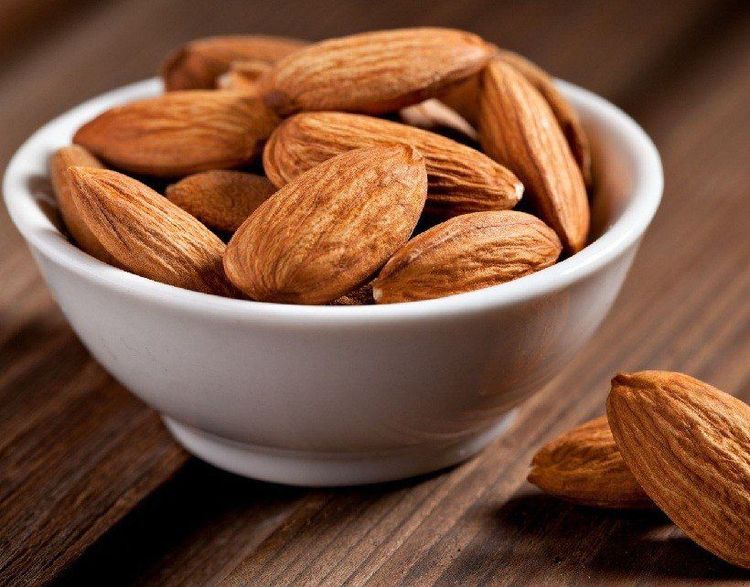
Almonds, walnuts, pistachios, pecans, and Brazil nuts contain:
-
Healthy unsaturated fats
-
Vitamin E
-
Magnesium
-
Selenium (especially Brazil nuts)
-
Plant protein
-
Fiber
Some observational research has found that regular nut consumption is associated with lower overall mortality and improved heart health.
While evidence regarding cancer prevention is still developing, nuts are considered a nutritious snack when eaten in moderation.
Because they are calorie-dense, portion size remains important.
9. Fatty Fish
Salmon, sardines, trout, mackerel, and herring are rich in:
-
Omega-3 fatty acids
-
Vitamin D
-
Selenium
-
High-quality protein
Omega-3 fats have anti-inflammatory properties and support heart and brain health.
Research on omega-3s and cancer prevention has produced mixed findings, but including fish as part of a balanced diet aligns with many national dietary guidelines.
Aim for two servings of fish per week unless advised otherwise by your healthcare provider.
10. Citrus Fruits
Oranges, lemons, grapefruits, limes, and mandarins provide:
-
Vitamin C
-
Flavonoids
-
Fiber
Vitamin C supports immune function and acts as an antioxidant.
Whole fruits are generally preferred over fruit juice because they contain more fiber and are less concentrated in natural sugars.
If you take medications, ask your healthcare provider whether grapefruit may interact with them.
11. Green Tea
Green tea contains naturally occurring compounds called catechins, particularly epigallocatechin gallate (EGCG).
Laboratory studies have explored the potential biological effects of these compounds, but human studies have shown mixed results.
Drinking unsweetened green tea can be part of a healthy beverage choice, but it should not be viewed as a substitute for medical care or other healthy habits.
12. Mushrooms
Edible mushrooms such as:
-
Shiitake
-
Oyster mushrooms
-
Maitake
-
White button mushrooms
-
Portobello mushrooms
provide:
-
B vitamins
-
Selenium
-
Copper
-
Fiber
-
Beta-glucans
Some mushroom compounds have been studied for their effects on the immune system.
While certain mushroom-derived substances are used in medical settings in some countries, eating mushrooms alone has not been proven to prevent cancer.
Still, mushrooms are a nutritious addition to a balanced diet.
Why Diet Matters
Cancer develops due to a combination of genetic, environmental, and lifestyle factors.
Diet influences several processes associated with health, including:
-
Body weight
-
Chronic inflammation
-
Oxidative stress
-
Hormone regulation
-
Gut microbiome composition
-
Insulin sensitivity
Rather than focusing on one "superfood," experts encourage eating a wide variety of nutrient-rich foods.
The benefits of these foods likely come from their combined effects over many years.
Foods to Limit
Just as some foods may support long-term health, others are associated with a higher risk of certain diseases when consumed in excess.
Health organizations recommend limiting:
-
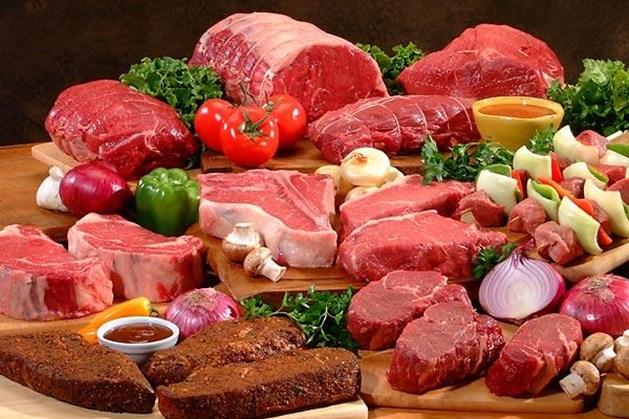
Processed meats such as bacon, hot dogs, and sausages
-
Excessive amounts of red meat
-
Sugar-sweetened beverages
-
Highly processed snack foods
-
Foods high in added sugars
-
Excess alcohol
Replacing highly processed foods with minimally processed alternatives may improve overall dietary quality.
Healthy Lifestyle Habits Beyond Diet
Food is only one part of cancer prevention.
Research consistently supports the following habits:
-
Avoid tobacco in all forms.
-
Maintain a healthy body weight.
-
Be physically active most days of the week.
-
Limit alcohol consumption.
-
Protect your skin from excessive sun exposure.
-
Stay up to date with recommended cancer screenings.
-
Receive vaccines when appropriate, such as HPV and hepatitis B vaccines.
-
Get adequate sleep and manage stress.
Together, these habits can have a meaningful impact on long-term health.
Common Myths About "Anti-Cancer" Foods
Myth 1: One Food Can Prevent Cancer
False.
Cancer is a complex group of diseases influenced by many factors. No single food can guarantee protection.
Myth 2: Supplements Are Better Than Whole Foods
For most people, obtaining nutrients from whole foods is preferable.
Unless prescribed by a healthcare professional, supplements generally should not replace a balanced diet.
Myth 3: Organic Foods Eliminate Cancer Risk
Choosing organic foods may reduce exposure to certain pesticides, but there is no strong evidence that eating organic foods alone prevents cancer.
Eating plenty of fruits and vegetables—whether conventional or organic—is generally more important than avoiding them altogether.
Myth 4: Sugar Directly "Feeds" Cancer
All cells in the body, including healthy cells, use glucose for energy.
While excessive added sugar can contribute to obesity—which is a risk factor for several cancers—completely eliminating carbohydrates does not "starve" cancer cells.
Myth 5: Detox Diets Prevent Cancer
The liver and kidneys already perform the body's natural detoxification processes.
There is no convincing evidence that juice cleanses or detox diets prevent cancer.
A Sample Cancer-Preventive Eating Pattern
Here is an example of a balanced day of eating:
Breakfast
-
Oatmeal topped with blueberries, walnuts, and fresh strawberries.
Lunch
-
Mixed green salad with chickpeas, tomatoes, broccoli, cucumbers, olive oil, and lemon dressing.
Snack
-
An orange and a handful of almonds.
Dinner
-
Grilled salmon with quinoa, roasted Brussels sprouts, and sautéed mushrooms.
Dessert
-
Plain yogurt with raspberries.
This pattern provides a wide range of fiber, vitamins, minerals, healthy fats, and plant compounds.
When Should You Talk to a Healthcare Professional?
Diet is important, but it cannot replace medical care.
Speak with your healthcare provider if you:
-
Have a strong family history of cancer.
-
Notice unexplained weight loss.
-
Experience persistent fatigue.
-
Find blood in your stool or urine.
-
Develop a lump that does not go away.
-
Have changes in bowel or bladder habits that persist.
-
Experience difficulty swallowing or ongoing digestive symptoms.
Early detection remains one of the most effective ways to improve outcomes for many cancers.
The Bottom Line
A healthy diet is one of many lifestyle factors that may help reduce the risk of certain cancers. Foods such as broccoli, berries, tomatoes, garlic, leafy greens, beans, whole grains, nuts, fatty fish, citrus fruits, green tea, and mushrooms provide valuable nutrients and plant compounds that support overall health.
However, no food is a magic shield against cancer. The strongest evidence supports adopting a long-term eating pattern rich in whole, minimally processed foods while avoiding tobacco, maintaining a healthy weight, staying physically active, limiting alcohol, protecting your skin from excessive sun exposure, and participating in recommended cancer screening programs.
Final Thoughts
When it comes to cancer prevention, consistency matters far more than any single ingredient. Filling your plate with a colorful variety of fruits, vegetables, whole grains, legumes, nuts, and other nutrient-dense foods helps provide the fiber, vitamins, minerals, and phytochemicals your body needs to function at its best.
Rather than searching for a miracle food, focus on building sustainable habits you can maintain over time. Combined with regular physical activity, quality sleep, routine medical checkups, and avoiding tobacco, a balanced diet can be an important part of supporting your long-term health and reducing your risk of chronic disease.