Menopause is a natural stage of life, but the transition can look very different from one woman to another. Some people notice only subtle changes, while others experience several symptoms that affect sleep, mood, energy, and everyday comfort.
The transition leading up to menopause is called perimenopause. During this period, hormone levels—particularly estrogen and progesterone - can fluctuate significantly. Menopause itself is reached after 12 consecutive months without a menstrual period, when there is no other obvious cause for the change.
Because hormonal changes can affect many parts of the body, the signs aren't always limited to menstrual cycles.
Here are 12 common changes that may occur during the menopause transition.
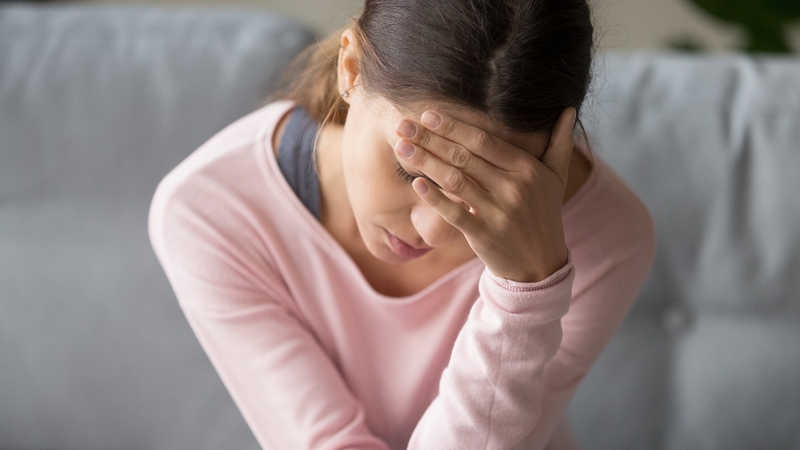
1. Changes in Your Menstrual Cycle
For many women, changes in their periods are among the earliest noticeable signs.
Periods may become:
-
More frequent
-
Less frequent
-
Heavier
-
Lighter
-
Longer
-
Shorter
You might also skip a month or occasionally go several months without a period before menstruation returns.
These changes happen because ovulation becomes less predictable as the ovaries gradually produce different amounts of reproductive hormones.
However, not every change in menstrual bleeding should automatically be blamed on menopause.
Very heavy bleeding, bleeding between periods, bleeding after sex, or bleeding after menopause deserves medical evaluation.
2. Hot Flashes
Hot flashes are one of the symptoms most commonly associated with menopause.
A hot flash can begin suddenly, creating an intense sensation of warmth, often around the face, neck, and chest.
Some women experience:
-
Sweating
-
Flushing
-
Chills afterward
-
A rapid heartbeat
-
Temporary discomfort or anxiety
Hot flashes can last from seconds to several minutes, and their frequency can vary considerably.
For some women, they occur occasionally. For others, they happen repeatedly throughout the day or night.
3. Night Sweats
Hot flashes that occur during sleep are commonly called night sweats.
You may wake up feeling unusually warm or find that your clothing or bedding is damp from sweating.
Repeated night sweats can become frustrating because they may interrupt sleep several times.
Poor sleep can then contribute to daytime fatigue, irritability, difficulty concentrating, and reduced energy.
Keeping the bedroom cool, wearing breathable clothing, and using lighter bedding may help some people manage nighttime symptoms.
Persistent or unexplained night sweats, however, shouldn't automatically be attributed to menopause.
4. Sleep Problems
Changes in sleep are common during the menopause transition.
Some women have difficulty falling asleep, while others wake up repeatedly during the night.
Hot flashes and night sweats can certainly contribute, but they're not the only possible explanation.
Hormonal changes, stress, anxiety, changes in daily routines, and other age-related factors can also affect sleep.
If you're consistently exhausted despite getting enough time in bed, it's worth discussing the problem with a healthcare professional.
Conditions such as sleep apnea, restless legs syndrome, thyroid disorders, and certain medications can also affect sleep.
5. Mood Changes
Hormonal fluctuations during perimenopause may coincide with changes in mood.
Some women report becoming more:
-
Irritable
-
Anxious
-
Emotional
-
Frustrated
-
Easily overwhelmed
Sleep deprivation can make these feelings even stronger.
It's important to remember that mood changes aren't simply something women have to "put up with."
If sadness, anxiety, irritability, or loss of interest in normal activities becomes persistent or interferes with daily life, talk to a healthcare professional.
Depression and anxiety can occur during midlife for many reasons, and effective treatments are available.
6. Difficulty Concentrating or Feeling "Foggy"
Another commonly reported experience is brain fog.
You may notice that you:
-
Forget names more easily
-
Lose your train of thought
-
Have difficulty concentrating
-
Feel mentally slower than usual
-
Struggle to multitask
Hormonal changes may contribute, but poor sleep, stress, anxiety, medications, and other health conditions can also affect concentration.
Occasionally forgetting something is normal at any age.
But sudden, severe, or progressively worsening cognitive changes should be evaluated rather than automatically attributed to menopause.
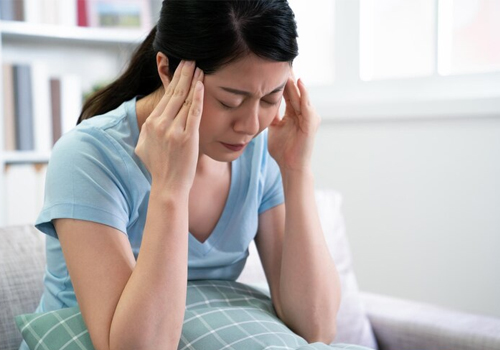
7. Vaginal Dryness
Declining estrogen levels can affect vaginal and vulvar tissues.
As estrogen levels decrease, the vaginal tissues may become thinner and produce less natural lubrication.
This can result in:
-
Dryness
-
Irritation
-
Burning
-
Discomfort during sexual activity
These symptoms are common, but they're not something women simply have to endure.
Over-the-counter vaginal moisturizers and lubricants may help.
For persistent symptoms, healthcare professionals can discuss additional treatment options, including local vaginal estrogen or other therapies when appropriate.
8. Changes in Sexual Desire
Some women notice a change in libido during perimenopause or menopause.
Hormonal changes can play a role, but sexual desire is influenced by many factors.
For example:
-
Poor sleep
-
Stress
-
Relationship difficulties
-
Pain during sex
-
Anxiety
-
Depression
-
Certain medications
-
Changes in body image
can all affect sexual interest.
So a decrease in libido isn't necessarily caused by estrogen changes alone.
If it's bothering you, discussing it with a healthcare professional can help identify possible causes and appropriate solutions.
9. Urinary Changes
Changes in estrogen levels can affect tissues throughout the lower urinary and genital tract.
Some women notice:
-
Increased urinary urgency
-
More frequent urination
-
Burning or discomfort
-
Urinary leakage
-
Recurrent urinary tract infections
These symptoms can become more noticeable during and after menopause.
However, symptoms such as burning during urination or blood in the urine should not automatically be assumed to be hormonal.
A urinary infection or another medical condition may require treatment.
10. Changes in Skin and Hair
Hormonal changes can also affect the skin and hair.
Some women notice that their skin becomes:
-
Drier
-
Less elastic
-
More sensitive
Hair may also become thinner or change in texture.
At the same time, some women notice increased facial hair.
These changes are partly related to shifting estrogen and androgen levels as ovarian hormone production changes.
A gentle skincare routine, adequate hydration, sun protection, and a balanced diet can support skin health.
Sudden or dramatic hair loss, however, may have other causes and deserves evaluation.
11. Changes in Weight and Body Composition
Some women notice changes in body composition around midlife.
You may find that weight becomes easier to gain, particularly around the abdomen.
But menopause itself isn't the only explanation.
As people age, muscle mass and energy expenditure can change, while activity levels and eating habits may also shift.
Hormonal changes may influence where body fat is stored, but lifestyle factors remain important.
Regular resistance training, aerobic activity, adequate protein, sufficient sleep, and a nutrient-dense diet can help support healthy body composition.
Extreme dieting isn't necessary and may be counterproductive.
12. Aching Joints and Muscle Discomfort
Some women report more joint stiffness or aches during the menopause transition.
Hormonal changes may be one contributing factor, although many other factors can influence musculoskeletal health.
Physical activity can be particularly helpful.
Walking, strength training, mobility exercises, and other forms of regular movement can help maintain muscle strength and support joint function.
If pain is severe, persistent, swollen, or associated with other symptoms, seek medical advice rather than assuming it is simply menopause.
Why Do These Symptoms Happen?
The menopause transition is largely driven by changing ovarian function.
During reproductive years, the ovaries produce hormones including estrogen and progesterone.
As menopause approaches, ovarian hormone production becomes increasingly variable and eventually declines.
These hormones influence much more than reproduction.
Estrogen receptors are found throughout the body, which helps explain why hormonal changes can be associated with symptoms involving:
-
The brain
-
Blood vessels
-
Bones
-
Skin
-
Vaginal tissues
-
Urinary tissues
-
Temperature regulation
-
Sleep
This is why menopause can feel like a much broader transition than simply "stopping your period."
Perimenopause vs. Menopause: What's the Difference?
These terms are often used interchangeably, but they aren't exactly the same.
Perimenopause
This is the transition leading up to menopause. Hormone levels fluctuate, periods may become irregular, and symptoms can begin.
It can last for several years.
Menopause
Menopause is officially reached when a woman has gone 12 consecutive months without a menstrual period, assuming there isn't another explanation.
Postmenopause
The years following menopause are referred to as postmenopause.
Symptoms such as hot flashes and vaginal dryness may continue for some women, while others experience significant improvement.
Does Everyone Experience Menopause the Same Way?
Not at all.
Some women experience almost no noticeable symptoms.
Others experience multiple symptoms that can significantly interfere with work, relationships, sleep, or quality of life.
The timing can also vary.
In the United States, natural menopause most commonly occurs around the early 50s, although the transition can begin earlier or later.
Menopause before age 40 is considered premature menopause, while menopause between ages 40 and 45 is generally considered early menopause.
If menopause occurs unusually early, medical evaluation is important because there can be underlying causes and long-term health considerations.
When Should You Talk to a Doctor?
You don't need to wait until symptoms become severe before seeking help.
Consider speaking with a healthcare professional if symptoms are interfering with:
-
Sleep
-
Work
-
Relationships
-
Exercise
-
Sexual health
-
Mood
-
Daily activities
Medical evaluation is especially important for unusual bleeding.
For example, seek medical advice for:
Very heavy periods
Bleeding between periods
Bleeding after sexual activity
Bleeding after menopause
These symptoms can have many causes, and not all are related to menopause.
There Are Ways to Manage Menopause Symptoms
Menopause is natural, but that doesn't mean every uncomfortable symptom must simply be accepted.
Treatment depends on the individual.
Lifestyle strategies may include:
-
Regular physical activity
-
Strength training
-
A balanced diet
-
Maintaining a healthy weight
-
Limiting alcohol
-
Avoiding tobacco
-
Managing stress
-
Improving sleep habits
-
Keeping the bedroom cool if hot flashes occur
For some women, medical treatments may also be appropriate.
Hormone therapy can be highly effective for certain menopausal symptoms, particularly hot flashes and night sweats, but it isn't suitable for everyone.
Other prescription and nonprescription treatments are available depending on the symptoms.
A healthcare professional can help weigh potential benefits and risks based on your medical history.
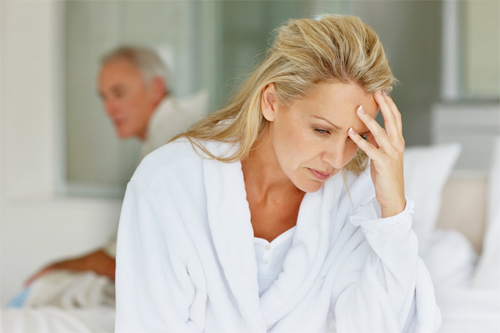
Don't Assume Every New Symptom Is Menopause
This is perhaps the most important takeaway.
Menopause can explain many common changes, but it shouldn't become a catch-all explanation for every new symptom.
For example, fatigue could be related to poor sleep—but it could also be associated with anemia, thyroid problems, medication effects, sleep apnea, or other conditions.
Similarly, memory problems can occur during the menopause transition, but significant cognitive decline requires proper evaluation.
Knowing the difference matters.
The Bottom Line
The menopause transition is a normal biological stage, but the symptoms can be surprisingly varied.
The 12 common signs discussed here include:
-
Changes in menstrual cycles
-
Hot flashes
-
Night sweats
-
Sleep difficulties
-
Mood changes
-
Brain fog or difficulty concentrating
-
Vaginal dryness
-
Changes in sexual desire
-
Urinary changes
-
Skin and hair changes
-
Changes in weight and body composition
-
Joint or muscle discomfort
Experiencing one or several of these symptoms doesn't necessarily prove that you're going through menopause. Other health conditions can produce similar changes.
The best approach is to pay attention to patterns, keep track of symptoms, and speak with a healthcare professional when something is persistent, severe, unusual, or affecting your quality of life.
Menopause isn't an illness—but you also don't have to suffer through its symptoms in silence. Understanding what's happening to your body is the first step toward finding the right support and treatment.