Your kidneys are remarkable organs that work around the clock to keep your body in balance. Every day, they filter waste products from your blood, regulate fluid levels, help control blood pressure, support red blood cell production, and maintain the right balance of minerals and electrolytes. Despite their importance, kidney health often goes unnoticed until problems develop.
Chronic kidney disease (CKD) affects millions of people worldwide, and in its early stages, it may cause few or no noticeable symptoms. Fortunately, many of the lifestyle habits that support heart health—such as eating a balanced diet, staying physically active, managing blood pressure, and controlling blood sugar—also help protect your kidneys.
While no single food can prevent or cure kidney disease, a nutrient-rich eating pattern may help support healthy kidney function over time. If you already have kidney disease, your dietary needs may differ, especially regarding potassium, phosphorus, sodium, or protein. Always follow your healthcare provider's recommendations.
Here are 12 nutritious foods that may help support healthy kidneys as part of a balanced diet.

1. Blueberries
Blueberries are packed with antioxidants, particularly anthocyanins, the natural pigments that give them their deep blue color.
These compounds help protect cells from oxidative stress, which has been linked to many chronic diseases.
Blueberries also provide:
-
Vitamin C
-
Vitamin K
-
Fiber
-
Manganese
Their naturally low sodium content makes them a kidney-friendly fruit for many healthy adults.
Ways to Enjoy
-
Add to oatmeal
-
Blend into smoothies
-
Mix into yogurt
-
Eat fresh as a snack
2. Red Bell Peppers
Red bell peppers are rich in nutrients while being relatively low in potassium compared with many other colorful vegetables.
They provide:
-
Vitamin C
-
Vitamin A
-
Vitamin B6
-
Folate
-
Fiber
-
Antioxidants
Vitamin C contributes to immune function, while vitamin A supports healthy vision and skin.
Try adding sliced peppers to salads, stir-fries, wraps, or roasted vegetable dishes.
3. Garlic
Garlic adds flavor to meals without increasing sodium intake.
Reducing excess sodium is one of the most important dietary habits for supporting healthy blood pressure, which in turn benefits kidney health.
Garlic also contains sulfur-containing compounds and antioxidants that have been studied for their potential health effects.
Use fresh garlic in:
-
Soups
-
Marinades
-
Vegetable dishes
-
Whole-grain pasta
-
Roasted meats
4. Olive Oil
Extra-virgin olive oil is a cornerstone of the Mediterranean diet, a dietary pattern associated with numerous health benefits.
Olive oil provides:
-
Heart-healthy monounsaturated fats
-
Vitamin E
-
Polyphenol antioxidants
Replacing butter or highly processed fats with olive oil may support cardiovascular health, which is closely linked to kidney health.
Use it for:
-
Salad dressings
-
Roasted vegetables
-
Light sautéing
-
Grain bowls
-845x550.jpg)
5. Fatty Fish
Fish such as:
-
Salmon
-
Sardines
-
Trout
-
Mackerel
are rich sources of omega-3 fatty acids.
Omega-3s contribute to:
-
Heart health
-
Brain function
-
Normal inflammatory responses
Since heart disease and kidney disease often occur together, eating fish as part of a balanced diet may provide benefits beyond the kidneys.
Aim for about two servings of fish per week unless advised otherwise by your healthcare provider.
6. Cauliflower
Cauliflower is a versatile vegetable that provides:
-
Vitamin C
-
Vitamin K
-
Folate
-
Fiber
It can replace higher-calorie refined grains in recipes by being mashed or processed into "cauliflower rice."
Its mild flavor makes it easy to include in soups, casseroles, and roasted vegetable mixes.
7. Apples
The saying "an apple a day" reflects the fruit's impressive nutritional profile.
Apples contain:
-
Soluble fiber (especially pectin)
-
Vitamin C
-
Plant compounds called flavonoids
Fiber supports digestive health and may help maintain healthy cholesterol levels as part of an overall healthy diet.
Leave the skin on whenever possible to maximize fiber intake.
8. Cabbage
Cabbage is affordable, nutritious, and rich in:
-
Vitamin C
-
Vitamin K
-
Fiber
-
Phytochemicals
It can be enjoyed:
-
Raw in salads
-
Steamed
-
Stir-fried
-
Added to soups
-
Fermented (watch sodium levels in some fermented products)
Its versatility makes it easy to include in regular meals.
9. Cranberries
Cranberries are perhaps best known for their role in urinary tract health.
Some research suggests that cranberry products may help reduce the risk of recurrent urinary tract infections (UTIs) in certain individuals, though they are not a treatment for active infections.
Healthy urinary tract function can indirectly support kidney health by reducing the likelihood of infections spreading to the kidneys.
Choose unsweetened cranberries or products with minimal added sugar whenever possible.
10. Egg Whites
Egg whites provide high-quality protein with relatively low amounts of phosphorus compared with many other animal proteins.
Protein is essential for:
-
Muscle maintenance
-
Tissue repair
-
Immune function
People with healthy kidneys generally do not need to avoid protein, but individuals with advanced kidney disease may require personalized protein recommendations.
Egg whites are a versatile option for:
-
Omelets
-
Breakfast bowls
-
Sandwiches
-
Salads
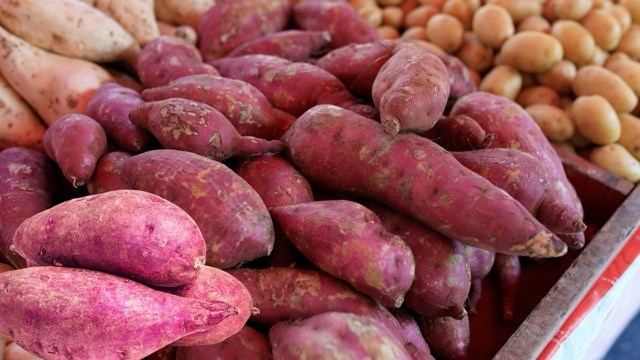
11. Sweet Potatoes
Sweet potatoes are rich in:
-
Fiber
-
Vitamin A (from beta-carotene)
-
Vitamin C
-
Manganese
They also contain potassium, so portion sizes may need adjustment for people with advanced kidney disease who have been advised to limit potassium.
For healthy individuals, sweet potatoes make an excellent alternative to highly processed carbohydrate sources.
Bake, roast, or steam them instead of deep-frying.
12. Leafy Greens
Leafy vegetables such as:
-
Kale
-
Spinach
-
Swiss chard
-
Romaine lettuce
provide:
-
Vitamins A, C, and K
-
Folate
-
Magnesium
-
Antioxidants
These vegetables contribute to overall health and are an important part of a balanced diet.
However, some leafy greens are relatively high in potassium, so individuals with chronic kidney disease should ask their healthcare provider or dietitian about appropriate serving sizes.
Why Diet Matters for Kidney Health
The kidneys continuously filter blood and help regulate many important body functions.
A healthy diet may support:
-
Healthy blood pressure
-
Blood sugar management
-
Healthy body weight
-
Cardiovascular health
-
Reduced sodium intake
Since diabetes and high blood pressure are the leading causes of chronic kidney disease, managing these conditions is one of the most effective ways to protect kidney function.
Healthy Habits That Work Alongside a Kidney-Friendly Diet
Stay Well Hydrated
Water helps your kidneys remove waste products efficiently.
Fluid needs vary depending on:
-
Climate
-
Activity level
-
Health conditions
-
Medications
For most healthy adults, drinking enough water to maintain pale yellow urine is a practical guide.
People with kidney failure or certain heart conditions may need fluid restrictions prescribed by their healthcare provider.
Limit Excess Sodium
Too much sodium may contribute to elevated blood pressure, increasing the workload on the kidneys.
Aim to reduce:
-
Highly processed foods
-
Instant noodles
-
Processed meats
-
Salty snacks
-
Fast food
Flavor meals with herbs, spices, garlic, onion, and lemon instead.
Stay Physically Active
Regular exercise supports:
-
Healthy blood pressure
-
Weight management
-
Blood sugar control
-
Heart health
Aim for at least 150 minutes of moderate-intensity physical activity each week, unless advised otherwise.
Avoid Smoking
Smoking reduces blood flow to the kidneys and increases the risk of cardiovascular disease.
Quitting smoking benefits nearly every organ in the body.
Limit Excess Alcohol
Heavy alcohol consumption may contribute to high blood pressure and liver disease, indirectly affecting kidney health.
Moderation is key.
Common Myths About Kidney Health
Myth 1: Drinking More Water Always Cleanses the Kidneys
Staying hydrated is important, but drinking excessive amounts of water does not "flush toxins" beyond what healthy kidneys already do naturally.
More is not always better.
Myth 2: Herbal Detoxes Can Repair the Kidneys
There is no strong scientific evidence that detox teas or herbal cleanses can restore kidney function.
Some herbal products may even damage the kidneys.
Always discuss supplements with your healthcare provider.
Myth 3: Only Older Adults Develop Kidney Disease
Kidney disease can affect adults of any age, particularly those with diabetes, high blood pressure, obesity, or a family history of kidney disease.
Myth 4: If You Feel Fine, Your Kidneys Must Be Healthy
Early kidney disease often causes no symptoms.
Routine health checkups, blood pressure monitoring, and kidney function tests are important for people at higher risk.
Who Is at Greater Risk of Kidney Disease?
You may have a higher risk if you have:
-
Diabetes
-
High blood pressure
-
Heart disease
-
Obesity
-
A family history of kidney disease
-
A history of kidney stones
-
Frequent urinary tract infections
-
Autoimmune diseases affecting the kidneys
If you fall into one of these groups, regular medical checkups are especially important.
When Should You See a Healthcare Professional?
Arrange a medical evaluation if you notice:
-
Persistent swelling of the legs, ankles, or feet
-
Blood in the urine
-
Foamy urine
-
Frequent nighttime urination
-
Persistent fatigue
-
High blood pressure that is difficult to control
-
Ongoing pain in the side or lower back near the kidneys
Seek urgent medical care if you experience severe pain, inability to urinate, or symptoms of a serious infection such as fever with flank pain.
Final Thoughts
Supporting your kidneys starts with everyday habits rather than a single "superfood." Blueberries, red bell peppers, garlic, olive oil, fatty fish, cauliflower, apples, cabbage, cranberries, egg whites, sweet potatoes, and leafy greens all provide valuable nutrients that can contribute to overall health and fit into a kidney-friendly eating pattern for many people.
At the same time, it's important to remember that nutrition is only one part of protecting kidney health. Managing blood pressure and blood sugar, staying physically active, avoiding tobacco, maintaining a healthy weight, limiting sodium, and getting regular medical checkups are equally important.
If you have chronic kidney disease or another medical condition, your dietary needs may be different from those of the general population. Some foods that are healthy for most people—such as sweet potatoes or certain leafy greens - may need to be limited depending on your potassium or phosphorus levels. Working with your healthcare provider or a registered dietitian can help you choose the eating plan that best supports your individual kidney health for years to come.