Your kidneys work quietly every day, filtering waste from your blood, balancing fluids and electrolytes, helping regulate blood pressure, and supporting several other important functions.
Because the kidneys can gradually lose function without causing obvious symptoms, kidney problems are sometimes discovered only after routine blood or urine tests.
One laboratory value that often attracts attention is creatinine.
Creatinine is a waste product produced naturally by muscles. Healthy kidneys remove it from the bloodstream and pass it into the urine. When kidney filtration becomes impaired, creatinine can build up in the blood.
However, an important point is often overlooked: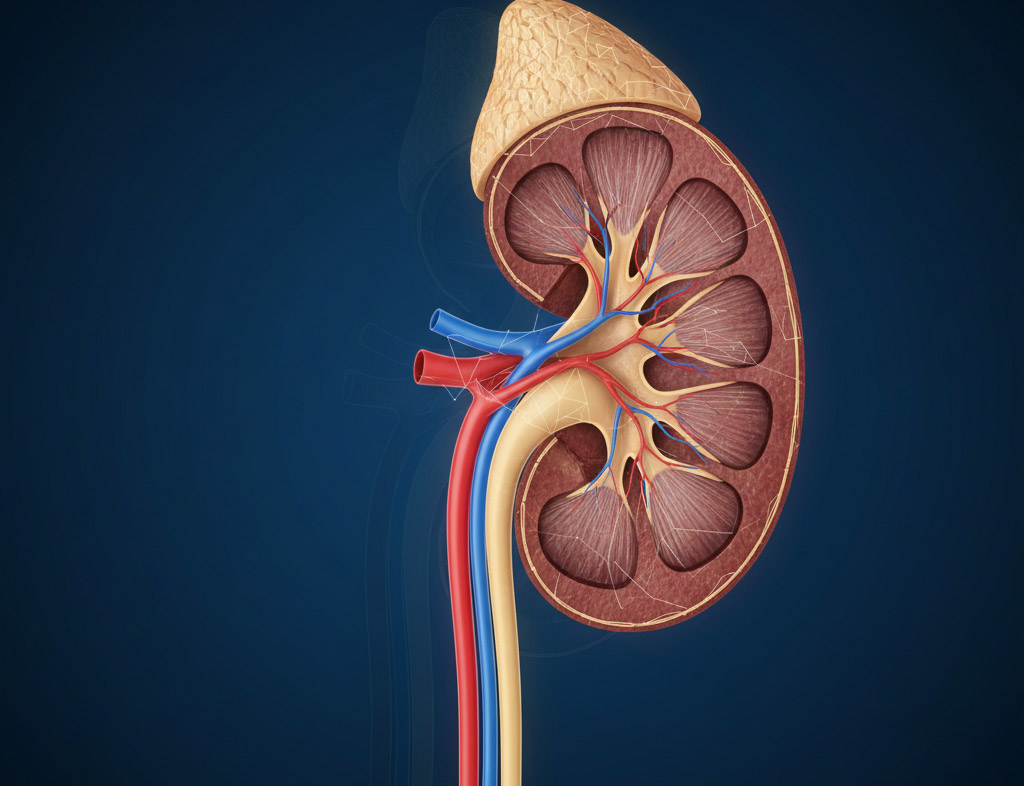
A high creatinine level does not automatically mean that someone has chronic kidney disease.
Creatinine can be influenced by muscle mass, diet, hydration, medications, supplements, recent illness, and other factors. Doctors generally interpret creatinine together with estimated glomerular filtration rate (eGFR), urine tests, medical history, and changes in results over time.
That said, certain changes in the body may occur when kidney function is impaired.
Here are 12 subtle signs that may be associated with kidney problems, particularly when they occur together or persist over time.
1. Persistent or Unexplained Fatigue
Everyone feels tired sometimes.
A busy schedule, poor sleep, stress, intense exercise, or simply having a difficult week can leave you exhausted.
Kidney-related fatigue is different because it tends to persist without an obvious explanation.
As kidney disease becomes more advanced, the kidneys may contribute to anemia and changes in the body's internal chemistry. These changes can leave a person feeling unusually weak or lacking energy.
You might notice that:
-
Normal activities feel exhausting
-
You need more breaks than usual
-
You feel weak even after sleeping
-
Your energy remains low for weeks
-
Physical activity becomes more difficult
Fatigue alone doesn't indicate high creatinine.
Anemia, thyroid problems, nutritional deficiencies, infections, poor sleep, stress, and many other conditions can cause similar symptoms.
But persistent unexplained fatigue is worth discussing with a healthcare professional, particularly if you have other risk factors for kidney disease.
2. Swelling in the Feet, Ankles, Hands, or Around the Eyes
The kidneys play an important role in maintaining the body's fluid balance.
When kidney function is significantly impaired, the body may have difficulty removing excess sodium and water.
This can contribute to fluid retention, also called edema.
You may notice:
-
Puffy ankles
-
Swollen feet
-
Tight shoes
-
Sock marks around your legs
-
Swollen fingers
-
Puffiness around the eyes
Some people notice swelling more strongly toward the end of the day.
However, swelling isn't specific to kidney disease.
It can also occur because of heart problems, liver disease, certain medications, prolonged standing, venous circulation problems, and other conditions.
Sudden or significant swelling—especially when accompanied by shortness of breath—should receive prompt medical attention.
3. Changes in Your Urination Pattern
Your urine can sometimes provide clues about changes in your health.
Kidney problems can be associated with changes in the amount or frequency of urine, although these changes aren't specific to kidney disease.
You might notice:
-
Urinating more frequently
-
Waking several times during the night to urinate
-
Producing much less urine than usual
-
A noticeable change in your normal urinary pattern
It's important not to automatically assume that frequent urination means kidney disease.
Caffeine, alcohol, increased fluid intake, diabetes, urinary tract problems, prostate enlargement, certain medications, and other conditions can also cause frequent urination.
Likewise, reduced urine output can have many causes, including dehydration and acute illness.
The important thing is whether the change is persistent, unexplained, or accompanied by other symptoms.
4. Persistent Foamy or Frothy Urine
Occasional bubbles in the toilet aren't necessarily a problem.
Urine can become temporarily bubbly simply because it hits the water at a certain angle or because the toilet contains cleaning products.
However, urine that repeatedly appears unusually foamy may deserve attention.
One possible explanation is protein in the urine.
Healthy kidneys normally prevent significant amounts of proteins such as albumin from passing into the urine.
When the kidney's filtering structures become damaged, protein can leak through.
This is called proteinuria or albuminuria.
Persistent protein in the urine can be an important sign of kidney damage, even when a person feels completely healthy.
The only way to determine whether protein is actually present is through appropriate urine testing.
So if you repeatedly notice unusual foaminess, don't rely on appearance alone. Consider discussing it with a healthcare professional.
5. Loss of Appetite
As kidney disease becomes more advanced, waste products can accumulate in the bloodstream and affect the digestive system and appetite.
Some people may begin to notice:
-
Less interest in food
-
Feeling full quickly
-
Nausea
-
Occasional vomiting
-
Changes in taste
-
Unintentional weight loss
This is generally more concerning when several symptoms occur together.
For example, a person may experience poor appetite along with persistent fatigue, itching, swelling, nausea, or changes in urination.
However, appetite loss is extremely common and can result from infections, gastrointestinal problems, medications, emotional stress, depression, dental problems, and many other conditions.
Persistent unexplained appetite loss should therefore be evaluated rather than automatically attributed to the kidneys.
6. An Unusual or Metallic Taste in Your Mouth
Another possible change associated with more advanced kidney dysfunction is an altered sense of taste.
Some people describe food as tasting:
-
Metallic
-
Bitter
-
Strange
-
Less flavorful
-
Unpleasant
Changes in taste can also reduce appetite.
One possible explanation is the buildup of metabolic waste products and changes in the body's chemistry when kidney function becomes significantly impaired.
But kidney disease is far from the only possible cause.
Taste changes can also occur because of:
-
Certain medications
-
Dental problems
-
Gum disease
-
Respiratory infections
-
Reflux
-
Dry mouth
-
Other medical conditions
A persistent change in taste is therefore a symptom worth investigating rather than a way to diagnose high creatinine.
7. Persistent Itching or Very Dry Skin
Unexplained itching can be surprisingly frustrating.
In advanced kidney disease, changes in mineral levels and the buildup of certain substances in the body may contribute to persistent itching.
The skin may also become very dry.
You might notice:
-
Itching without an obvious rash
-
Dry, rough skin
-
Itching that becomes worse at night
-
Frequent scratching
-
Difficulty sleeping because of itching
Kidney-related itching is generally more associated with advanced kidney dysfunction rather than early kidney disease.
There are many other explanations, including eczema, allergies, dry weather, medications, liver problems, and thyroid disorders.
If itching continues without an obvious cause, especially when other symptoms are present, medical evaluation can help determine what is happening.
8. Muscle Cramps or Unusual Muscle Weakness
Your kidneys help maintain the balance of fluids, minerals, and electrolytes in your body.
When kidney function becomes significantly impaired, these systems can become disrupted.
Some people may experience:
-
Leg cramps
-
Muscle twitching
-
Muscle weakness
-
Generalized weakness
-
Cramps that occur more frequently than before
But muscle cramps are extremely common and do not specifically indicate kidney disease.
They can also result from dehydration, strenuous exercise, certain medications, nutritional issues, circulation problems, or electrolyte disturbances unrelated to kidney disease.
If muscle weakness or frequent cramping is persistent or occurs alongside other kidney-related symptoms, it may be worth discussing with a healthcare professional.
9. Difficulty Concentrating or Feeling Mentally Foggy
People with advanced kidney dysfunction can sometimes experience difficulty concentrating or changes in mental clarity.
They may describe it as:
"brain fog."
You might notice:
-
Difficulty focusing
-
Trouble completing complicated tasks
-
Forgetfulness
-
Feeling mentally sluggish
-
Difficulty staying alert
When kidney function becomes severely impaired, changes in the body's internal chemistry and accumulation of metabolic waste can affect the nervous system.
However, mental fog has many other possible causes.
Poor sleep, chronic stress, medications, dehydration, nutritional deficiencies, thyroid disorders, anxiety, depression, and many neurological conditions can produce similar symptoms.
Sudden severe confusion is different.
If someone suddenly becomes confused, disoriented, difficult to wake, or behaves dramatically differently from normal, they need urgent medical evaluation.
10. Shortness of Breath
Shortness of breath can occur in advanced kidney disease for several reasons.
One possibility is fluid accumulation.
If the body retains too much fluid, it can contribute to swelling and, in severe situations, fluid accumulation in the lungs.
Kidney disease can also contribute to anemia, which can cause tiredness and breathlessness.
But shortness of breath is a broad symptom with many possible causes.
It can also be related to:
-
Heart disease
-
Lung disease
-
Asthma
-
Respiratory infections
-
Anemia
-
Blood clots
-
Anxiety
-
Other medical conditions
Never assume new or severe shortness of breath is simply a kidney problem.
Sudden severe breathing difficulty, especially when accompanied by chest pain, fainting, confusion, or bluish lips, requires urgent medical attention.
.png)
11. Unexplained Changes in Body Weight
Changes in body weight can sometimes provide clues about fluid balance and overall health.
Kidney dysfunction can potentially cause weight gain through fluid retention.
For example, someone may notice: