12 Warning Signs of Pancreatic Can.cer That Should Never Be Ignored
Pancreatic cancer is often called a “silent killer” because symptoms may remain unnoticed until the disease has already progressed. Many early warning signs can appear mild at first, causing people to mistake them for digestive issues, stress, or normal aging.
Health experts say recognizing these symptoms early could help improve the chances of diagnosis and treatment.
1. Persistent Abdominal Pain
One of the most common symptoms is pain in the upper abdomen that may spread to the back. The discomfort can worsen after eating or when lying down.
2. Back Pain
Many pancreatic cancer patients report unexplained lower or middle back pain. This may occur when a tumor presses against surrounding nerves or organs.
3. Sudden Weight Loss
Unexpected weight loss without dieting or lifestyle changes can be a warning sign. Cancer often affects the body’s ability to digest and absorb nutrients properly.
4. Loss of Appetite
People may begin feeling full quickly or lose interest in food altogether. Ongoing appetite loss should never be ignored.
5. Jaundice
Yellowing of the skin or eyes can happen when the tumor blocks bile ducts. Dark urine and pale stools may also appear alongside jaundice.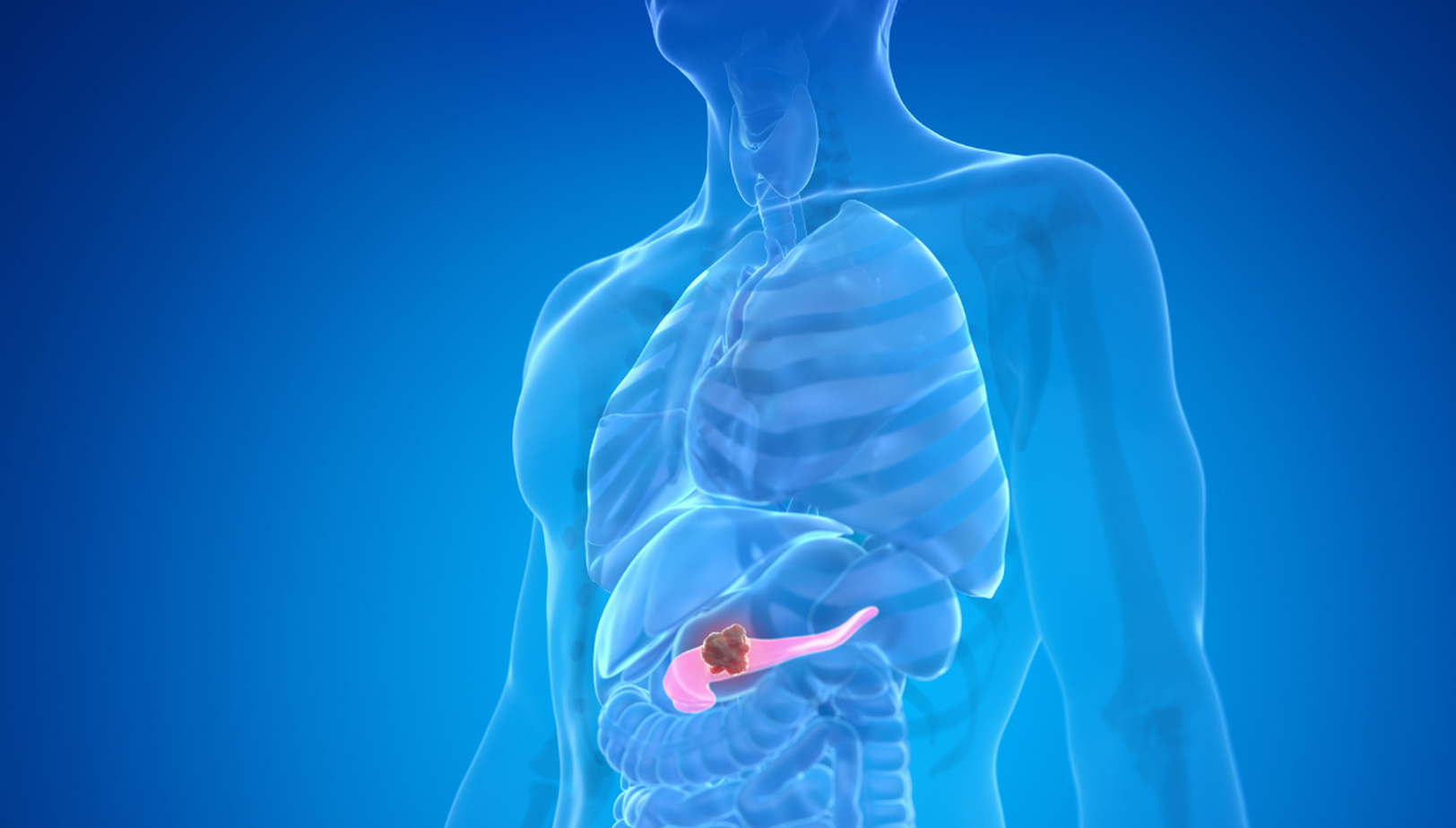
6. Digestive Problems
Bloating, nausea, vomiting, or indigestion may occur as the pancreas struggles to produce digestive enzymes normally.
7. Fatigue
Extreme tiredness that does not improve with rest is another commonly reported symptom.
8. Blood Sugar Changes
In some cases, pancreatic cancer may trigger sudden diabetes or unusual blood sugar fluctuations, especially in people with no previous history.
9. Itchy Skin
Persistent itching can sometimes develop alongside jaundice due to bile buildup beneath the skin.
10. Blood Clots
Doctors warn that unexplained blood clots may occasionally be linked to hidden cancers, including pancreatic cancer.
11. Changes in Stool
Greasy, floating, or unusually pale stools may occur when fat digestion becomes impaired.
12. Muscle Weakness or Body Pain
Some patients experience weakness, cramping, or unexplained pain in different parts of the body as the illness progresses.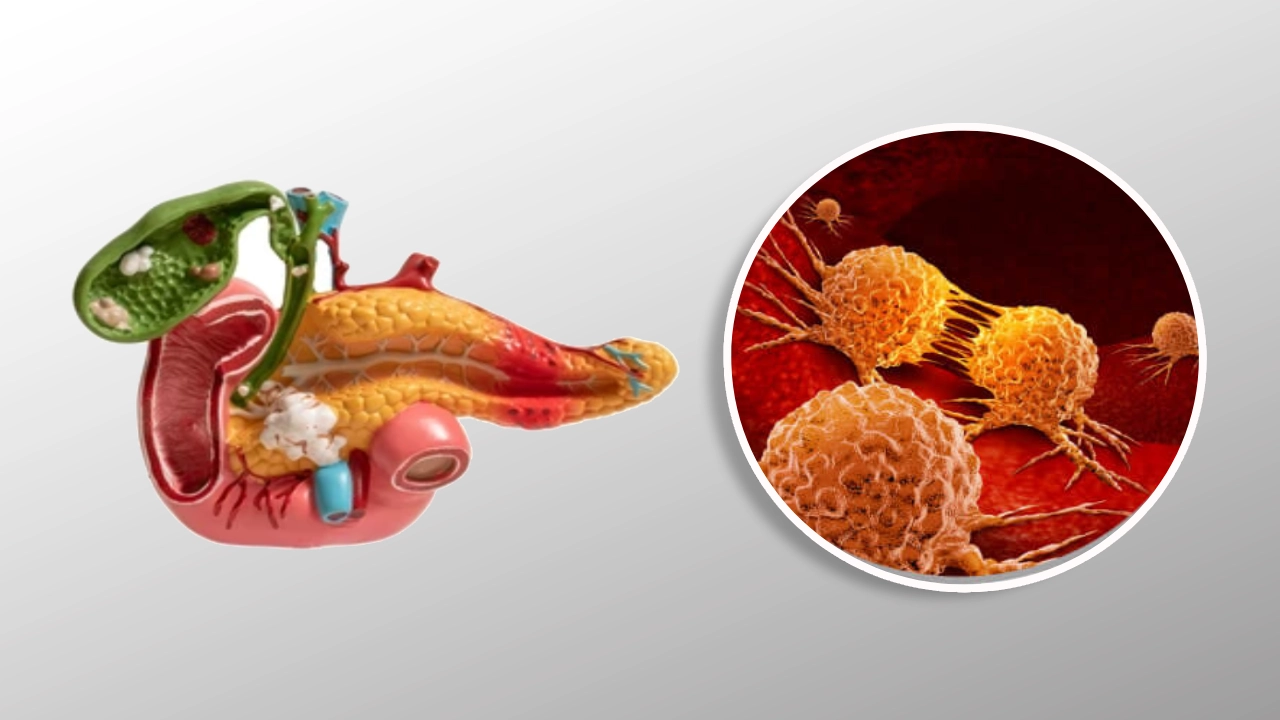
Why Early Detection Matters
Doctors emphasize that these symptoms do not automatically mean someone has pancreatic cancer. However, persistent or unusual changes should always be checked by a medical professional.
Because pancreatic cancer often develops quietly, many cases are diagnosed at advanced stages. Early medical evaluation may improve treatment options and outcomes.
Health experts encourage people to pay attention to ongoing digestive problems, unexplained pain, sudden weight loss, or unusual body changes instead of ignoring them.