Bringing a dog into your life means welcoming a loyal friend, a devoted companion, and a cherished member of the family. From playful puppy days to quiet evenings spent together, dogs enrich our lives with unconditional love and unwavering companionship. Unfortunately, because dogs have much shorter lifespans than humans, every pet owner eventually faces one of the most difficult parts of loving a dog—recognizing when they may be approaching the end of life.
It's important to understand that no single sign can determine that a dog is nearing the end of life. Many of the changes described below can also occur with treatable illnesses, injuries, or normal aging. Only a veterinarian can evaluate your dog's condition, identify the underlying cause of these symptoms, and recommend the most appropriate treatment or supportive care.
Learning to recognize these common signs can help you seek veterinary care promptly, make informed decisions, and ensure your dog remains as comfortable as possible.
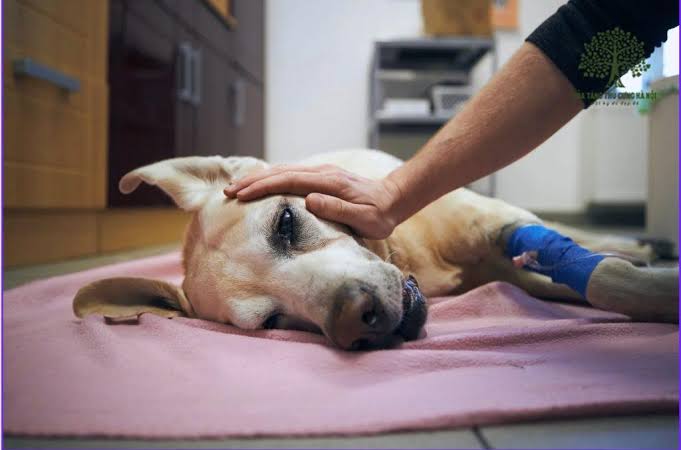
Understanding the Final Stage of Life
As dogs grow older or develop serious illnesses, their bodies gradually become less able to maintain normal functions. Changes may occur slowly over months or more rapidly over days or weeks, depending on the underlying condition.
Common causes of end-of-life decline include:
-
Advanced age
-
Cancer
-
Heart disease
-
Kidney disease
-
Liver disease
-
Neurological disorders
-
Severe arthritis
-
Chronic lung disease
-
Multiple age-related conditions occurring together
Every dog's journey is unique, and many senior dogs continue to enjoy a good quality of life for years with appropriate care.
1. A Significant Loss of Appetite
One of the earliest changes many owners notice is a reduced interest in food.
Your dog may:
-
Eat much less than usual
-
Refuse favorite treats
-
Sniff food and walk away
-
Lose interest in meals entirely
A decreased appetite can result from pain, nausea, dental disease, medication side effects, or serious illness—not just the final stage of life.
If your dog stops eating for more than a day or shows other concerning symptoms, contact your veterinarian promptly.
2. Drinking Much More—or Much Less—Water
Changes in water intake may signal health problems.
Some dogs drink excessively due to kidney disease, diabetes, or hormonal disorders.
Others drink very little because they feel weak, nauseated, or dehydrated.
Any significant change deserves veterinary attention.
3. Extreme Fatigue
Older dogs naturally sleep more than puppies.
However, excessive lethargy may be different.
Warning signs include:
-
Sleeping almost all day
-
Difficulty waking up
-
Little interest in family activities
-
Reduced response to favorite toys or treats
Persistent fatigue should always be evaluated by a veterinarian.
4. Difficulty Standing or Walking
Weakness often becomes more noticeable as illness progresses.
Your dog may:
-
Struggle to stand
-
Slip on smooth floors
-
Walk slowly
-
Tire quickly
-
Need help climbing stairs
Mobility problems may result from arthritis, neurological disease, muscle loss, or other medical conditions.
Supportive devices, physical therapy, medications, or home modifications may improve comfort.
5. Noticeable Weight Loss
Unintentional weight loss is common in many chronic illnesses.
Even when eating normally, dogs with certain diseases may continue losing weight.
Loss of muscle around the hips, shoulders, and spine may become especially noticeable.
6. Changes in Breathing
Normal breathing should appear calm and effortless.
Concerning changes include:
-
Rapid breathing at rest
-
Labored breathing
-
Persistent coughing
-
Open-mouth breathing
-
Blue or pale gums
Difficulty breathing is considered an emergency and requires immediate veterinary care.
7. Loss of Interest in Favorite Activities
Most dogs have activities they love.
These might include:
-
Going for walks
-
Playing fetch
-
Greeting family members
-
Exploring outdoors
A dog that consistently loses interest in previously enjoyable activities may be experiencing pain, weakness, or illness.
8. Confusion or Disorientation
Some senior dogs develop cognitive dysfunction syndrome, a condition similar in some ways to dementia in humans.
Signs may include:
-
Getting stuck in corners
-
Wandering aimlessly
-
Forgetting familiar routines
-
Staring at walls
-
Becoming restless at night
Although cognitive decline is not always associated with the end of life, it deserves veterinary evaluation.
9. Changes in Bathroom Habits
You may notice:
-
Urinating more frequently
-
Difficulty urinating
-
Accidents indoors
-
Constipation
-
Diarrhea
-
Loss of bowel control
These changes may indicate treatable medical conditions or declining organ function.
10. Withdrawal from Family
Many dogs remain affectionate throughout life.
However, some become quieter as they age.
Your dog may:
-
Spend more time alone
-
Avoid interaction
-
Sleep in unusual places
-
Seem less interested in attention
Others may become more clingy, seeking comfort from their owners.
Both changes can occur during illness.
11. Persistent Pain or Discomfort
Dogs often hide pain remarkably well.
Possible signs include:
-
Whimpering
-
Panting while resting
-
Trembling
-
Reluctance to move
-
Guarding certain body parts
-
Changes in posture
Modern veterinary medicine offers many options for pain management.
Never assume pain is simply part of aging.
12. Poor Coat Condition
As dogs become ill, grooming often decreases.
Their coat may become:
-
Dull
-
Matted
-
Dry
-
Greasy
-
Unkempt
Some dogs also lose patches of fur or develop skin problems due to underlying disease.
13. Repeated Vomiting or Diarrhea
Occasional digestive upset is common.
However, frequent vomiting or diarrhea can quickly lead to dehydration and may indicate serious illness.
Seek veterinary advice if symptoms persist.
14. Difficulty Regulating Body Temperature
Dogs nearing the end of life sometimes have trouble maintaining normal body temperature.
You may notice:
-
Feeling unusually cold
-
Seeking extra warmth
-
Reduced circulation
-
Cold paws or ears
Keep your dog comfortable with soft bedding and a warm, draft-free environment, but avoid overheating.
15. A Noticeable Decline in Overall Quality of Life
Perhaps the most important sign is an overall change in your dog's daily well-being.
Veterinarians often assess quality of life by considering:
-
Appetite
-
Hydration
-
Comfort
-
Mobility
-
Hygiene
-
Interest in surroundings
-
Ability to enjoy normal activities
When several of these areas decline significantly despite treatment, it may be time to discuss care options with your veterinarian.
How Veterinarians Evaluate Quality of Life
Many veterinarians use structured quality-of-life assessments to help families make informed decisions.
These assessments consider questions such as:
-
Is my dog comfortable most of the day?
-
Can my dog eat and drink adequately?
-
Does my dog still enjoy favorite activities?
-
Can my dog move without severe distress?
-
Are there more good days than bad days?
These conversations can be emotional, but they help ensure decisions are centered on the dog's well-being.
Ways to Keep Your Dog Comfortable
If your veterinarian determines that your dog is entering the final stage of life, there are many ways to improve comfort.
These may include:
-
Soft orthopedic bedding
-
Easy access to food and water
-
Non-slip rugs on slippery floors
-
Pain management medications
-
Elevated food bowls
-
Assistance with mobility
-
Maintaining a quiet, familiar environment
-
Gentle grooming
-
Plenty of affection and reassurance
Every dog's needs are different, so follow your veterinarian's recommendations.
When to Contact a Veterinarian Immediately
Seek veterinary care without delay if your dog experiences:
-
Difficulty breathing
-
Collapse
-
Repeated seizures
-
Uncontrolled bleeding
-
Severe vomiting or diarrhea
-
Inability to urinate
-
Extreme pain
-
Loss of consciousness
Prompt treatment may improve comfort and, in some cases, address reversible conditions.
Caring for Yourself, Too
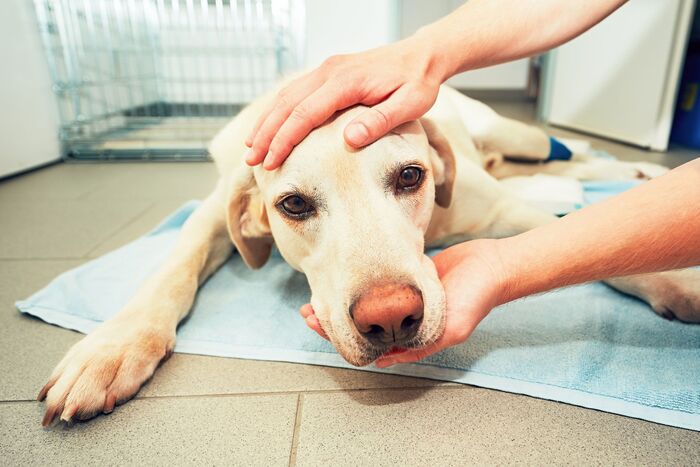
Watching a beloved dog grow older can be heartbreaking.
It's normal to experience sadness, anticipatory grief, guilt, or uncertainty.
Remember that providing comfort, love, and appropriate veterinary care is one of the greatest gifts you can give your companion. If you need support, consider talking with trusted friends, family members, your veterinarian, or a pet-loss support group.
The Bottom Line
Recognizing the possible signs that a dog may be entering the final stage of life can help owners respond with compassion, timely veterinary care, and thoughtful decision-making. Changes such as reduced appetite, increased fatigue, difficulty walking, confusion, altered breathing, weight loss, withdrawal, or persistent pain should never be ignored, as many of these symptoms may be caused by treatable conditions rather than the aging process alone.
Most importantly, remember that no list can replace the guidance of a veterinarian. Every dog is unique, and many senior dogs continue to enjoy meaningful, happy lives with proper medical care and supportive treatment. By working closely with your veterinary team, focusing on your dog's comfort, and cherishing the time you have together, you can ensure that your faithful companion receives the love, dignity, and care they deserve throughout every stage of life.