Fruit has long been recognized as one of the cornerstones of a healthy diet. Packed with vitamins, minerals, fiber, antioxidants, and naturally occurring plant compounds, fruits provide essential nutrients that help support nearly every system in the body. From promoting heart health and digestion to supporting immune function and healthy aging, regularly eating a variety of fruits is one of the simplest ways to improve your overall nutrition.
No single fruit can prevent or cure disease, and no food alone can guarantee perfect health. However, research consistently shows that diets rich in fruits and vegetables are associated with a lower risk of many chronic diseases when combined with other healthy lifestyle habits such as regular exercise, adequate sleep, and avoiding tobacco.
Here are 15 everyday fruits that offer a wide range of health benefits and deserve a place in a balanced diet.
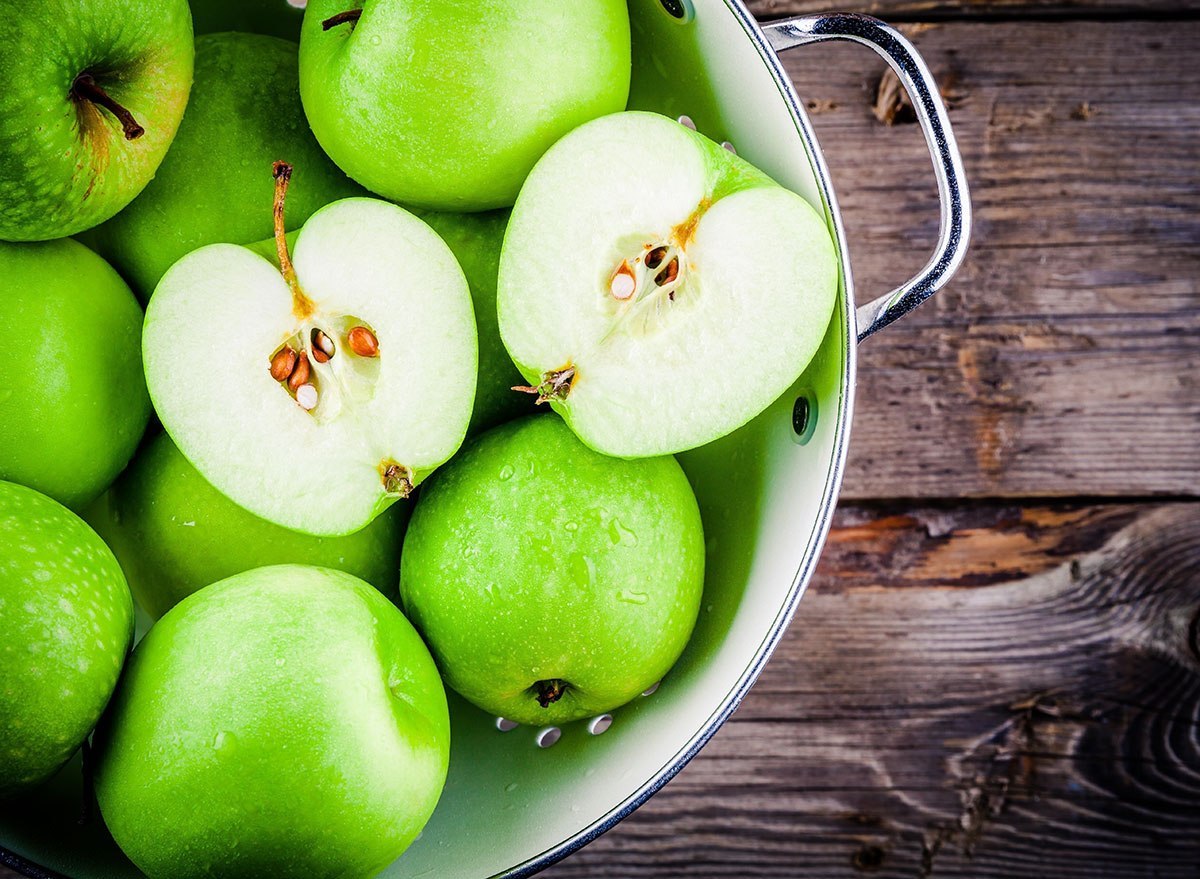
1. Apples
The old saying, "An apple a day keeps the doctor away," may be an exaggeration, but apples are certainly a nutritious choice.
They provide:
-
Dietary fiber
-
Vitamin C
-
Potassium
-
Polyphenol antioxidants
The soluble fiber called pectin may help support digestive health and contribute to healthy cholesterol levels as part of an overall balanced diet.
Easy ways to enjoy apples
-
Fresh slices with peanut butter
-
Mixed into oatmeal
-
Added to salads
-
Baked with cinnamon
2. Bananas
Bananas are one of the world's most popular fruits.
They are rich in:
-
Potassium
-
Vitamin B6
-
Vitamin C
-
Fiber
Potassium helps support normal muscle and nerve function while contributing to healthy blood pressure.
Bananas also provide easily digestible carbohydrates that make them a convenient snack before or after physical activity.
3. Blueberries
Blueberries are often called a "superfruit" because of their high concentration of antioxidants.
They contain:
-
Vitamin C
-
Vitamin K
-
Manganese
-
Anthocyanins
Anthocyanins are natural pigments responsible for the berries' deep blue color and have been widely studied for their antioxidant properties.
4. Oranges
Oranges are well known for their vitamin C content.
One medium orange provides a substantial portion of the daily recommended intake of this important vitamin.
They also supply:
-
Fiber
-
Potassium
-
Folate
-
Flavonoids
Vitamin C supports normal immune function and helps the body absorb iron from plant-based foods.
5. Strawberries
These bright red berries offer impressive nutrition in a relatively small package.
They contain:
-
Vitamin C
-
Manganese
-
Folate
-
Fiber
-
Antioxidants
Their natural sweetness also makes them a satisfying alternative to many processed desserts.

6. Grapes
Grapes provide several beneficial plant compounds, including resveratrol, particularly in darker varieties.
They also contain:
-
Vitamin K
-
Potassium
-
Antioxidants
Enjoy grapes fresh, frozen, or mixed into fruit salads.
7. Kiwi
Despite their small size, kiwis are nutritional powerhouses.
They provide:
-
Vitamin C
-
Vitamin E
-
Vitamin K
-
Potassium
-
Fiber
Some research suggests kiwi may also support digestive health due to its fiber content and naturally occurring enzyme called actinidin.
8. Watermelon
Watermelon is made up of more than 90% water, making it a refreshing choice during warm weather.
It contains:
-
Vitamin C
-
Vitamin A
-
Potassium
-
Lycopene
Lycopene is a powerful antioxidant also found in tomatoes and other red fruits.
9. Pineapple
Pineapple combines sweetness with impressive nutritional value.
It contains:
-
Vitamin C
-
Manganese
-
Fiber
-
Bromelain, a naturally occurring enzyme
Bromelain has been studied for its potential role in digestion and inflammation, although more research is ongoing.
10. Papaya
Papaya is rich in nutrients that support overall health.
It provides:
-
Vitamin C
-
Vitamin A
-
Folate
-
Potassium
-
Fiber
Papaya also contains papain, an enzyme that helps break down proteins during digestion.
11. Avocado
Although often thought of as a vegetable, avocado is actually a fruit.
Unlike most fruits, it is naturally rich in healthy monounsaturated fats.
Avocados provide:
-
Potassium
-
Vitamin K
-
Folate
-
Vitamin E
-
Fiber
Their healthy fat content also helps increase the absorption of fat-soluble vitamins from other foods.
12. Mango
Mangoes are both delicious and highly nutritious.
They contain:
-
Vitamin C
-
Vitamin A
-
Folate
-
Fiber
-
Numerous antioxidants
Their bright orange color reflects their high content of carotenoids.
13. Pears
Pears are an excellent source of dietary fiber.
They also provide:
-
Vitamin C
-
Potassium
-
Copper
-
Antioxidants
Keeping the skin on increases fiber intake.

14. Cherries
Cherries offer:
-
Vitamin C
-
Potassium
-
Fiber
-
Anthocyanins
Some research has explored cherries' role in exercise recovery and sleep because they naturally contain small amounts of melatonin, although more studies are needed.
15. Pomegranates
Pomegranates are packed with colorful seeds rich in beneficial plant compounds.
They provide:
-
Vitamin C
-
Vitamin K
-
Folate
-
Fiber
-
Polyphenol antioxidants
The seeds add flavor and texture to salads, yogurt, and grain bowls.
Why Variety Matters
No single fruit contains every nutrient your body needs.
Eating a wide variety helps ensure you receive different vitamins, minerals, and plant compounds.
For example:
-
Orange fruits often provide beta-carotene.
-
Blue and purple fruits contain anthocyanins.
-
Red fruits are frequently rich in lycopene.
-
Green fruits contribute folate and vitamin K.
-
White fruits often provide fiber and potassium.
A colorful plate usually reflects a broader range of nutrients.
Health Benefits of Eating Fruit Regularly
A diet that includes a variety of fruits may help support:
Heart health
Many fruits provide fiber, potassium, and antioxidants that support normal cardiovascular function.
Digestive health
Fiber promotes healthy digestion and supports beneficial gut bacteria.
Immune function
Vitamin C, vitamin A, and other nutrients help maintain normal immune function.
Healthy weight management
Most whole fruits are naturally filling because they contain water and fiber while remaining relatively low in calories.
Healthy aging
Antioxidants help protect cells from oxidative stress caused by normal metabolism and environmental exposures.
Tips for Adding More Fruit to Your Diet
Simple habits can help increase fruit intake.
Try these ideas:
-
Add berries to oatmeal or yogurt.
-
Pack an apple or banana for work.
-
Blend fruit into smoothies.
-
Top salads with sliced pears or oranges.
-
Freeze grapes for a refreshing snack.
-
Keep washed fruit visible in the refrigerator.
-
Choose fruit instead of sugary desserts more often.
Fresh, Frozen, or Dried?
Each option has advantages.
Fresh fruit
Offers excellent flavor and texture.
Frozen fruit
Usually frozen shortly after harvest, preserving much of its nutritional value.
Dried fruit
Provides concentrated nutrients but also concentrated natural sugars and calories.
Choose dried fruit without added sugar whenever possible and enjoy it in moderation.
Fruit Juice vs. Whole Fruit
Whole fruit is generally the better choice because it contains:
-
More fiber
-
Greater fullness
-
Slower absorption of natural sugars
Even 100% fruit juice lacks much of the fiber found in whole fruit and is easier to consume in larger quantities.
Healthy Eating Is About Balance
Although fruits are highly nutritious, they are only one part of a healthy lifestyle.
For long-term health, experts recommend combining fruit with:
-
Plenty of vegetables
-
Whole grains
-
Lean protein
-
Healthy fats
-
Regular physical activity
-
Adequate sleep
-
Stress management
-
Routine healthcare
No single food can prevent or cure disease on its own.
Final Thoughts
Everyday fruits offer far more than natural sweetness—they provide an impressive combination of vitamins, minerals, fiber, antioxidants, and beneficial plant compounds that contribute to overall health. Apples, bananas, blueberries, oranges, strawberries, grapes, kiwi, watermelon, pineapple, papaya, avocado, mango, pears, cherries, and pomegranates each bring their own unique nutritional strengths to the table.
Rather than focusing on one "superfruit," aim to enjoy a colorful variety throughout the week. Different fruits provide different nutrients, and eating a diverse selection helps create a balanced, nutrient-rich diet. Combined with regular physical activity, good sleep, and other healthy habits, making fruit a daily part of your meals is a simple and enjoyable way to support long-term wellness.