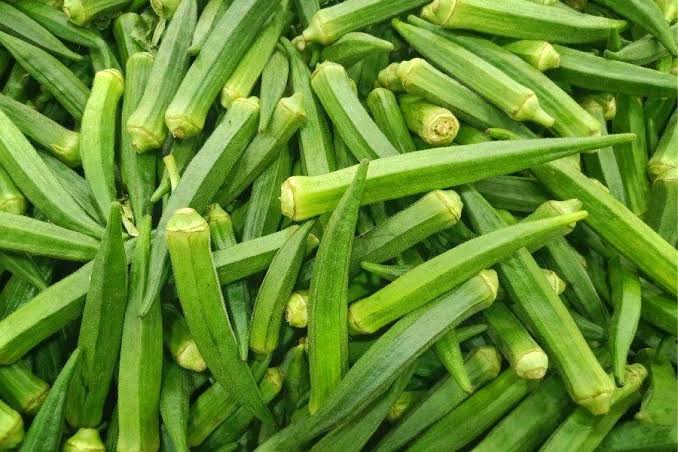
Okra also known as lady's finger, gumbo, or Abelmoschus esculentus - is one of the most unique vegetables found in kitchens around the world. Loved in Southern American cuisine, African dishes, Middle Eastern recipes, Indian curries, and many Asian meals, okra has earned a reputation for its distinctive texture and impressive nutritional profile.
While some people avoid okra because of its slippery consistency, others appreciate it for exactly that reason. The gel-like substance inside the pods can thicken soups and stews naturally, and it also contains soluble fiber that may offer several health benefits.
In recent years, okra has become increasingly popular on social media, where it's often promoted as a miracle food capable of curing diabetes, lowering cholesterol overnight, or detoxifying the body. Although okra is undoubtedly nutritious, it's important to separate scientific evidence from exaggerated claims.
Here are 16 fascinating facts about okra that every health-conscious person should know.
1. Okra Is Surprisingly Low in Calories
If you're looking for foods that are rich in nutrients but relatively low in calories, okra is an excellent choice.
A one-cup serving of raw okra contains only about 30–35 calories, making it easy to include in meals without dramatically increasing calorie intake.
Despite its low calorie content, okra provides fiber, vitamins, minerals, and beneficial plant compounds that contribute to a balanced diet.
2. It's an Excellent Source of Dietary Fiber
One of okra's biggest nutritional strengths is its fiber content.
Fiber plays many important roles in the body, including:
-
Supporting healthy digestion
-
Promoting regular bowel movements
-
Increasing feelings of fullness
-
Helping maintain healthy cholesterol levels
-
Supporting balanced blood sugar levels as part of an overall healthy diet
Okra contains both soluble and insoluble fiber, giving it a combination of digestive and metabolic benefits.
3. The Slimy Texture Comes From Mucilage
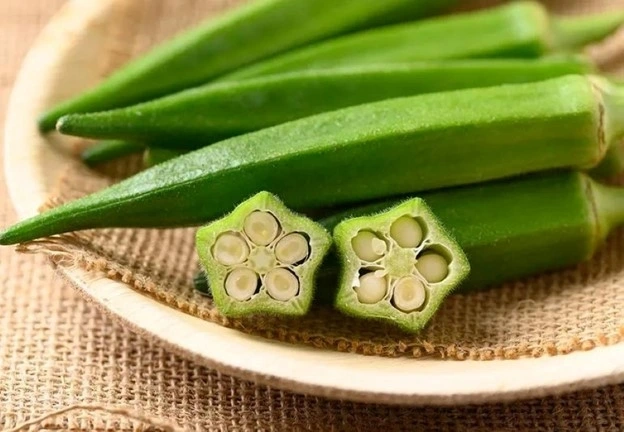
Many people describe okra as "slimy," but that texture comes from a natural substance called mucilage.
Mucilage is a type of soluble fiber that absorbs water and forms a gel.
While some people dislike this texture, it's actually one reason okra is used to naturally thicken soups such as gumbo.
This gel-like fiber also slows digestion, which may help increase satiety after meals.
4. Okra Is Rich in Vitamin C
Vitamin C is well known for supporting the immune system, but its role extends far beyond fighting colds.
It helps:
-
Produce collagen
-
Protect cells from oxidative stress
-
Support wound healing
-
Improve iron absorption from plant foods
Adding vitamin C-rich vegetables like okra to your diet can help you meet your daily nutritional needs.
5. It Provides Vitamin K for Bone and Blood Health
Okra is also a good source of vitamin K, a nutrient that many people don't think about until they're deficient.
Vitamin K plays an important role in:
-
Normal blood clotting
-
Bone metabolism
-
Maintaining healthy bones
People taking blood-thinning medications such as warfarin should consult their healthcare provider before making major changes to vitamin K intake, as consistency is important.
6. Folate Makes Okra Especially Valuable
Okra provides folate (vitamin B9), which is essential for:
-
DNA synthesis
-
Cell division
-
Red blood cell formation
Folate is particularly important during pregnancy because adequate intake helps support healthy fetal development.
While okra can contribute to folate intake, pregnant individuals should still follow healthcare recommendations regarding prenatal vitamins and folic acid supplementation.
7. Okra Contains Powerful Plant Antioxidants
Okra is rich in natural plant compounds, including:
-
Flavonoids
-
Polyphenols
-
Quercetin
-
Catechins
These compounds have antioxidant properties, helping protect cells from damage caused by unstable molecules known as free radicals.
Researchers continue to study how antioxidant-rich diets influence long-term health, although no single food can prevent disease on its own.
8. It May Help Support Heart Health
A heart-healthy eating pattern emphasizes foods rich in fiber, fruits, vegetables, legumes, nuts, and whole grains.
Okra fits well into this pattern.
Its soluble fiber may help support healthy cholesterol levels when consumed as part of an overall balanced diet.
Additionally, okra is naturally low in saturated fat and contains potassium, which contributes to normal blood pressure regulation.
However, eating okra alone will not cure heart disease or replace prescribed medications.
9. Okra May Support Healthy Blood Sugar Management
One of the most talked-about topics surrounding okra is its possible effect on blood sugar.
Several laboratory and animal studies have suggested that compounds in okra may influence glucose metabolism.
Some small human studies have also explored this relationship, but more high-quality clinical research is needed.
What we do know is that the fiber in okra can slow the digestion of carbohydrates, which may help reduce rapid spikes in blood sugar after meals.
People with diabetes can often include okra as part of a balanced eating plan, but it should never replace medications or medical advice.
10. Your Gut Microbiome May Appreciate It
The trillions of microorganisms living in your digestive tract—collectively known as the gut microbiome—play an important role in digestion and overall health.
Fiber acts as a food source for beneficial gut bacteria.
When these bacteria ferment certain fibers, they produce short-chain fatty acids that support gut health.
Including fiber-rich vegetables such as okra can help nourish a diverse and healthy gut microbiome.
11. Okra Is Naturally Hydrating
Fresh okra contains a high percentage of water.
Foods with high water content can contribute to overall hydration while also helping you feel satisfied.
Although drinking water remains essential, water-rich fruits and vegetables also contribute to daily fluid intake.
12. It May Help With Healthy Weight Management
Because okra is low in calories but rich in fiber and water, it can help increase feelings of fullness.
This doesn't mean okra causes weight loss.
Instead, replacing calorie-dense processed foods with vegetables like okra may support weight management over time.
For example:
Instead of French fries, consider roasted okra as a side dish.
Instead of creamy sauces, use okra in soups or vegetable stews.
These substitutions may help improve the overall nutritional quality of your meals.
13. Cooking Method Matters
The way you prepare okra significantly affects both its taste and nutritional profile.
Healthier cooking methods include:
-
Steaming
-
Roasting
-
Grilling
-
Stir-frying with a small amount of healthy oil
-
Adding it to soups or stews
Deep-frying okra can make it delicious, but it also increases the amount of fat and calories.
Whenever possible, choose cooking methods that preserve nutrients without adding excessive amounts of salt or saturated fat.
14. Frozen Okra Can Be Just as Nutritious
Many people assume fresh vegetables are always superior.
In reality, frozen okra can retain much of its nutritional value because it's typically frozen shortly after harvest.
Frozen okra is convenient, reduces food waste, and makes it easier to include vegetables in meals year-round.
Choose products without added sauces or excessive sodium whenever possible.
15. Okra Seeds Are Edible Too
Many people remove the seeds unnecessarily.
In fact, okra seeds are completely edible and contain healthy fats, protein, and additional fiber.
Historically, roasted okra seeds have even been used as a coffee substitute in some regions.
The seeds contribute both nutrition and texture to the vegetable.
16. Okra Is Nutritious—but It's Not a Miracle Food
Perhaps the most important fact is also the simplest.
Okra is highly nutritious, but no single food can:
-
Cure diabetes
-
Eliminate high cholesterol overnight
-
Prevent cancer by itself
-
Detox the body
-
Replace medication
Good health comes from consistent dietary patterns rather than one "superfood."
Okra works best when combined with:
-
Plenty of vegetables
-
Fruits
-
Whole grains
-
Lean proteins
-
Legumes
-
Healthy fats
-
Regular exercise
-
Adequate sleep
-
Routine medical care
Easy Ways to Add More Okra to Your Diet
If you're new to okra, there are many delicious ways to enjoy it.
Some ideas include:
-
Roasted okra with olive oil and herbs
-
Added to vegetable soup
-
Stir-fried with garlic and tomatoes
-
Mixed into curries
-
Grilled on skewers
-
Added to jambalaya or gumbo
-
Combined with beans for a high-fiber meal
Experiment with different cooking techniques to find the texture you enjoy most.
Who Should Be Careful With Okra?
Although okra is safe for most people, there are a few situations where caution may be appropriate.
People Taking Blood Thinners
Because okra contains vitamin K, individuals taking warfarin should maintain a consistent intake of vitamin K-rich foods and discuss dietary changes with their healthcare provider.
People With Kidney Stones
Okra contains oxalates, compounds that may contribute to certain types of kidney stones in susceptible individuals.
This doesn't mean everyone should avoid okra, but people with a history of calcium oxalate kidney stones may benefit from individualized dietary advice.
People With Digestive Sensitivity
The fiber in okra can cause temporary bloating or gas in some individuals, especially if they suddenly increase their fiber intake.
Increasing fiber gradually and drinking enough water can help minimize these effects.
Common Myths About Okra
Myth 1: Drinking Okra Water Cures Diabetes
There is currently no strong scientific evidence that okra water can cure diabetes or replace prescribed treatment.
Myth 2: The Slimy Texture Means It's Unhealthy
The opposite is true.
The mucilage responsible for the texture is a form of soluble fiber that contributes to some of okra's nutritional benefits.
Myth 3: Frozen Okra Has No Nutritional Value
False.
Frozen vegetables often retain much of their vitamin and mineral content.
Myth 4: You Must Eat Okra Raw
Not at all.
Cooking can improve flavor, reduce bitterness, and make okra easier to enjoy while preserving many nutrients.
Myth 5: Eating More Okra Is Always Better
Like any food, moderation matters.
A varied diet provides a broader range of nutrients than relying heavily on a single vegetable.

The Bottom Line
Okra is one of the most nutritious vegetables you can include in a balanced diet. It's naturally low in calories while providing fiber, vitamin C, vitamin K, folate, potassium, and a variety of antioxidant plant compounds.
Regularly eating okra may help support digestive health, healthy blood sugar management, heart health, and weight management—not because it's a miracle food, but because it fits well into an overall healthy eating pattern.
Whether you enjoy it roasted, grilled, steamed, or added to soups, okra offers a simple and flavorful way to increase your vegetable intake.
Final Thoughts
Despite its unusual texture, okra deserves far more attention than it often receives. Its combination of soluble fiber, vitamins, minerals, antioxidants, and water makes it a valuable addition to meals for many people.
Still, it's important to keep expectations realistic. Okra is not a cure for diabetes, heart disease, or any other chronic illness. Instead, think of it as one nutritious piece of a much larger puzzle.
The greatest health benefits come from consistently following a balanced lifestyle—eating a variety of vegetables and fruits, choosing whole grains, including lean sources of protein, staying physically active, sleeping well, and keeping up with preventive healthcare.
When enjoyed as part of that bigger picture, okra can be a delicious and nourishing ingredient that supports overall health for years to come.