Your kidneys work quietly in the background every day. These two small organs filter waste from the blood, help control fluid and electrolyte balance, contribute to blood-pressure regulation, and support the production of red blood cells.
The surprising part is that kidney disease can develop for years without obvious symptoms.
When symptoms finally appear, some may be visible changes that seem unrelated to the kidneys. Swelling around the eyes, swollen ankles, changes in the skin, altered urine, or unusual paleness can sometimes provide clues that deserve medical attention.
However, none of these signs proves that someone has kidney disease. Many have other possible explanations. The important thing is recognizing persistent or unusual changes and knowing when to get them evaluated.
Here are 17 signs and changes worth knowing about.
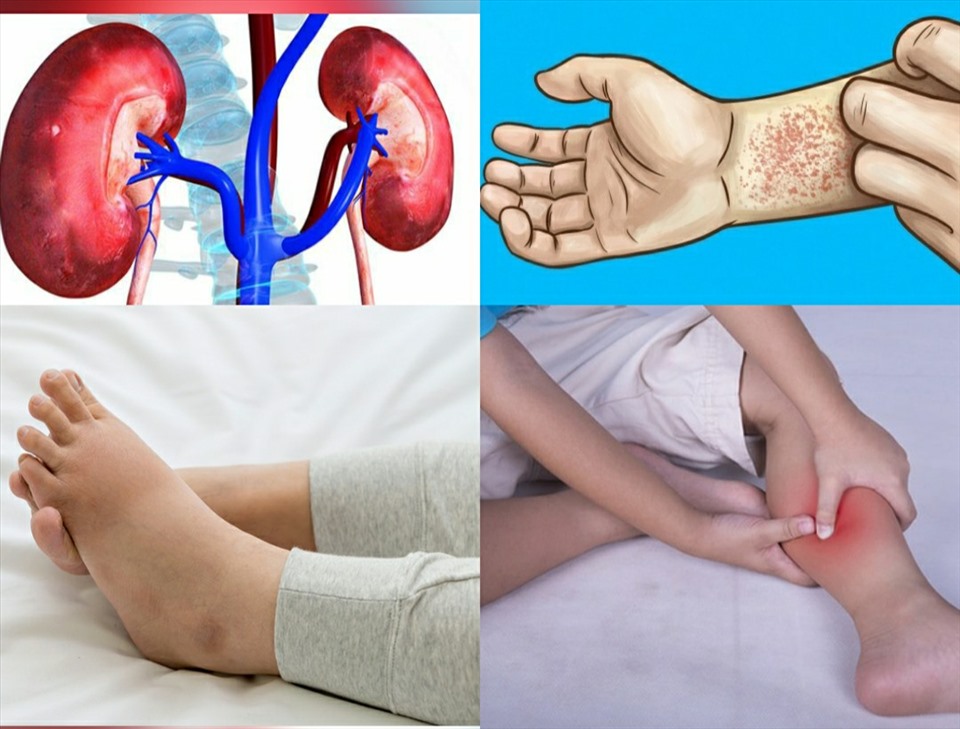
1. Swelling Around the Ankles and Feet
One of the more recognizable signs associated with reduced kidney function is fluid retention.
When the kidneys have difficulty maintaining the body's fluid and sodium balance, excess fluid can accumulate in tissues.
This may appear as swelling around the:
-
Ankles
-
Feet
-
Lower legs
You may notice that shoes feel tighter than usual or that your socks leave deeper marks around your ankles.
But kidney disease isn't the only possible cause. Heart conditions, liver disease, certain medications, prolonged standing, and problems with the veins can also cause leg swelling.
Persistent or unexplained swelling deserves medical evaluation.
2. Puffy Eyes, Especially in the Morning
Another possible visible change is puffiness around the eyes.
When the kidneys are damaged, they may allow excessive amounts of protein—particularly albumin—to escape into the urine.
Low blood levels of albumin can contribute to fluid moving into surrounding tissues.
The result can be noticeable puffiness around the eyes.
Morning puffiness can have many other causes, including allergies, lack of sleep, crying, or normal fluid shifts.
But if it is persistent and occurs together with foamy urine, swelling elsewhere, or other symptoms, it's worth mentioning to a healthcare professional.
3. Foamy or Frothy Urine
This is one of the changes that should not simply be dismissed if it happens repeatedly.
Urine can sometimes look foamy when it hits the toilet water, particularly if the stream is forceful.
But persistent excessive foam or froth can be associated with protein in the urine, known as proteinuria or albuminuria.
Healthy kidneys normally prevent significant amounts of albumin from passing into urine.
Damage to the kidney's filtering units can interfere with that process.
Importantly, occasional bubbles do not automatically mean kidney disease.
But if your urine repeatedly looks unusually foamy, especially if the change is new, a simple urine test can help determine whether protein is present.
4. Blood in the Urine
Blood can sometimes make urine appear:
-
Pink
-
Red
-
Brown
-
Tea-colored
-
Cola-colored
This is called hematuria.
Blood in urine can have many causes, including urinary tract infections, kidney stones, medications, prostate problems, and kidney disease.
It should not automatically be assumed to be a kidney problem.
At the same time, visible blood in the urine should not be ignored.
A healthcare professional can determine whether the blood is actually coming from the urinary tract and identify the appropriate next steps.
5. Very Dark or Unusually Concentrated Urine
Dark urine can occur simply because you haven't consumed enough fluid.
Urine naturally becomes more concentrated when you're dehydrated.
Certain foods, vitamins, and medications can also change urine color.
However, persistent unusual discoloration—especially when accompanied by blood, pain, reduced urine output, swelling, or other symptoms—deserves attention.
The important thing is to look for a persistent change from your normal pattern, rather than reacting to one isolated episode.
6. Noticeably Pale or Grayish Skin
Advanced kidney disease can contribute to anemia, partly because damaged kidneys may produce less erythropoietin, a hormone involved in stimulating red blood cell production.
Anemia can make someone look unusually pale.
The skin may appear less vibrant than usual, particularly in the face, lips, or inside the lower eyelids.
Paleness has many possible causes, including iron deficiency, blood loss, nutritional deficiencies, and other medical conditions.
A blood test is needed to determine whether anemia is actually present.
7. Dry, Itchy Skin
Persistent itching can occur in people with advanced kidney disease.
When kidney function becomes significantly impaired, waste products and changes in mineral and hormone balance can contribute to skin problems and itching.
The skin may also become dry.
However, itchy skin is extremely common and can result from eczema, allergies, medications, dry weather, liver conditions, and many other causes.
If itching is persistent, widespread, unexplained, or accompanied by other symptoms of kidney dysfunction, talk with a healthcare professional.
8. Skin That Appears Unusually Dry or Flaky
Dry skin alone isn't a reliable indicator of kidney disease.