19 Foods to Avoid If You Have Hypothyroidism or Thyroid Problems

Chapter 1

Theme:
Font Size:
24px

19 Foods to Avoid If You Have Hypothyroidism or Thyroid Problems

Your thyroid may be small, but it plays a massive role in your body—controlling metabolism, energy levels, mood, and even weight. When it’s underactive (hypothyroidism), everything slows down. And surprisingly, what you eat can either support your thyroid… or make things worse.

Not all foods are harmful—but some can interfere with thyroid function, hormone production, or medication absorption.

Let’s break down the key ones clearly.

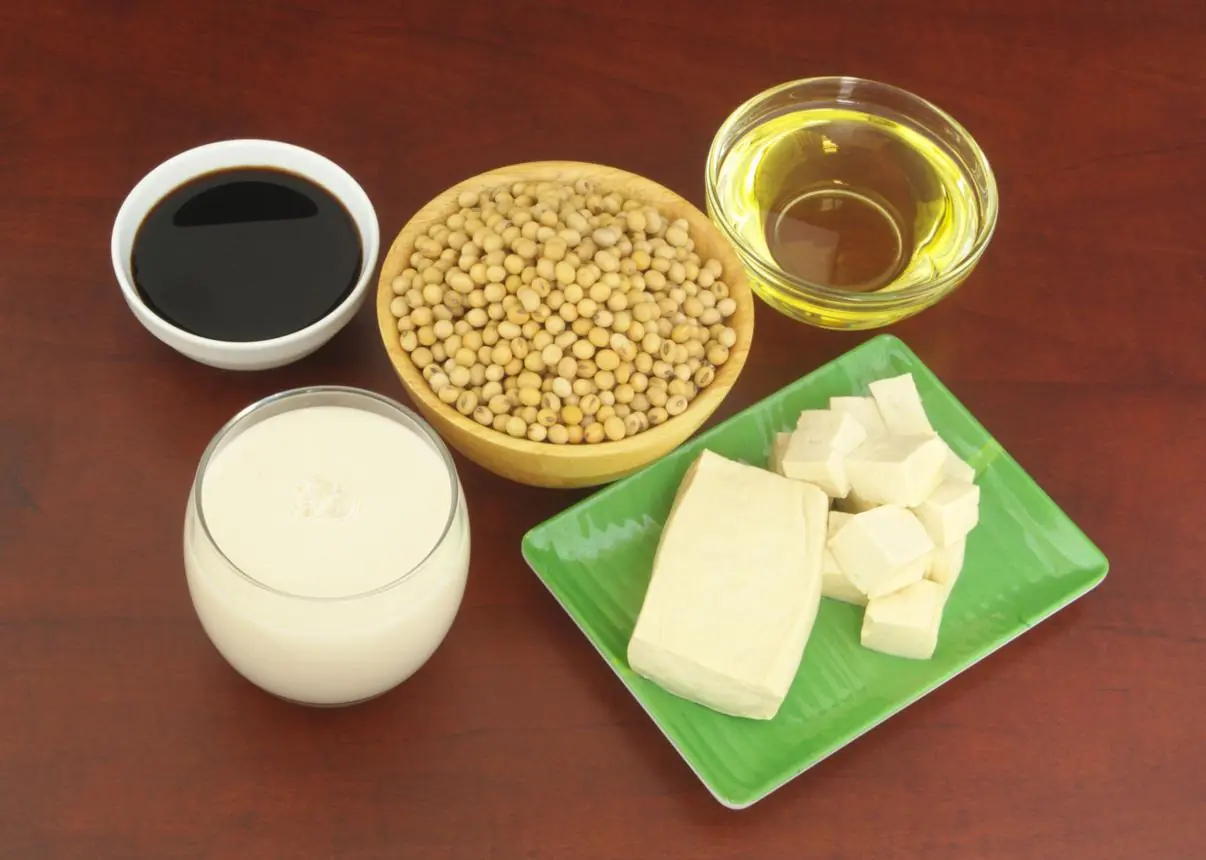
1. Soy-Based Foods
https://images.openai.com/static-rsc-4/s7UFLfrRI3ckf2Fs8ttxEY92rgeb4Lu_Sebz4l9Zmn_YhRvsCEjpZK146ehmNyQlaypwZZCCHhIKm98UtMSdnIYpyudHQ_InDVAJ9Ka3zLcUlCOD9cJ98PywbpoqjWphD0Au1mz0mQJFKVhXvCMBpuPRAadqjGLeOu2fj1pEYlDbQ9A0Hxdj-GKQ7WKKP4pt?purpose=fullsizehttps://images.openai.com/static-rsc-4/vsZSc_udJVi85HSY2FGuliPWJW7Nj3eyccZZse0YTimACX6Qoa-UIu4nlTzNvLryvlyaWOUMRoZcSAQMBEUBE2SPxX8oIcaT-xsggT8OPcCEdgtDmrRwD8v_EjqG7Qq-61Fu6GC02M-Id8a2ryOgQw7IzmDS_ijnUIzegyiv3EKDcIX1POqi0WC1GxZH4o2H?purpose=fullsizehttps://images.openai.com/static-rsc-4/Up9wXjhu-SzcXpQRI-LY8tcUD8fLquuyDv9wSG6_6VINF2pX_f2I-IxMp727O3pGiBKsidyq507XOmhVs6AiALwV6SylGJkrXR3sByqa4f_FG4fSQURpwHf2aWqvJ08S7toJSMjEkg2kOq4rM5yL0Aw5lrwxLcDU4cIRcmo_XlP4lf9cf-TTHzeQYuaKgOvj?purpose=fullsize

7

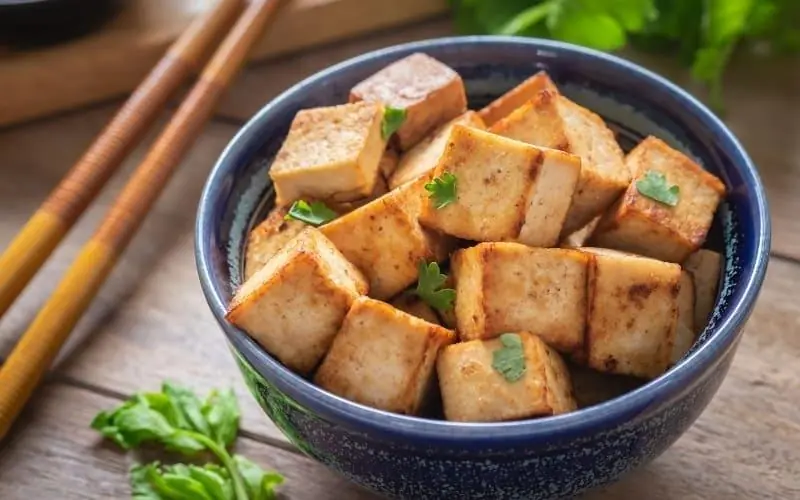
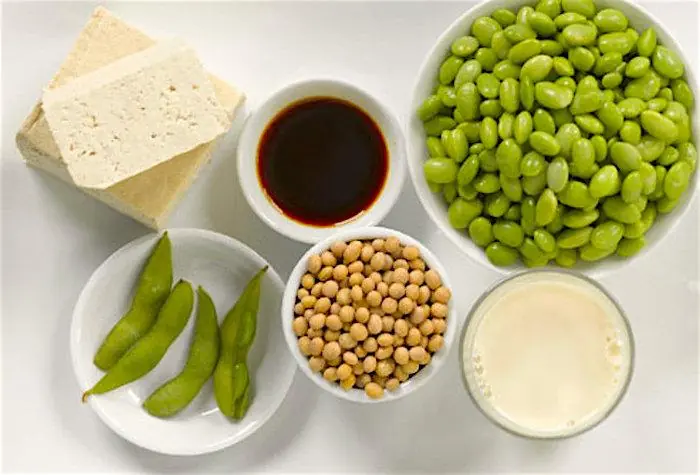
Soy contains compounds called isoflavones, which may interfere with thyroid hormone production—especially if iodine intake is low.

👉 Common sources:

  • Tofu
  • Soy milk
  • Edamame
  • Soy-based processed foods

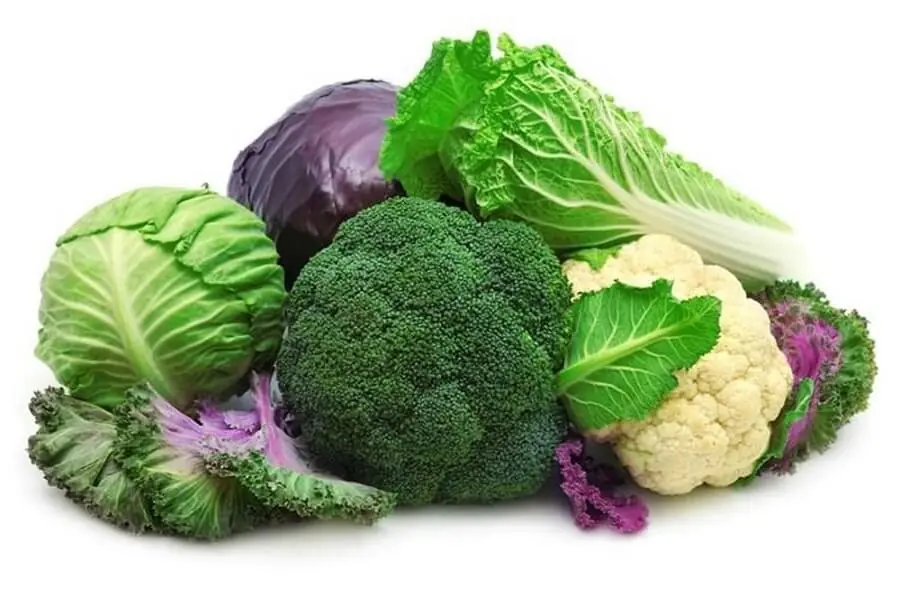
2. Cruciferous Vegetables (Raw in Excess)
https://images.openai.com/static-rsc-4/EM_g0fsGZxSv2xNpfjvn-j5_CS8PWThmkQ33NvuGnRL2fS1vvARS_Hc7vGMP2j-FfuEaqbH2zRn5UFkYq5WVkglf0BceCsaLnIne5LC-Ongzh9BuXwBOAmq1KAx2a9brJqKWqUMJf7KfZnxxpYw--TeJ6PxMahEYeADQS_KvPAFVY90BayyJY06qO35B6s4s?purpose=fullsizehttps://images.openai.com/static-rsc-4/gXJTIKm6Zj1S9NetDi7kuu8veeWT2LJ29X4QubjmgJ1EhmBbDRz0BLzSqba0yjMhBH3q8s5wvsS_r73KNeiuV7-lp9vmYjNcIEGZ4SMlZC87RRqrIk_Uh-IHfnBDYV9gVaNaqsitOTfIdYcTMjSynbx_7RvQQnzTrAUT4DpA5tdIJBWo83qA0g6ckd7sVZUL?purpose=fullsizehttps://images.openai.com/static-rsc-4/iuiLoRh94bqSrwm0v89-mZyi7qxkxNIZ3R69nrIPodQPSaTXVTxZcqciPx9LL7hhHzcdt62kN_ZOSYztYTtLdbzuhXZCjaVDE1Qgoogx1s4_bP5ngfd98MiDOP_Y7blvms65CWg2rZK1IXME5nbwxtMSmgLs1dyPvdCW3a3RBWsoo8ZGQpLkX_EpP6bEsw_K?purpose=fullsize

6

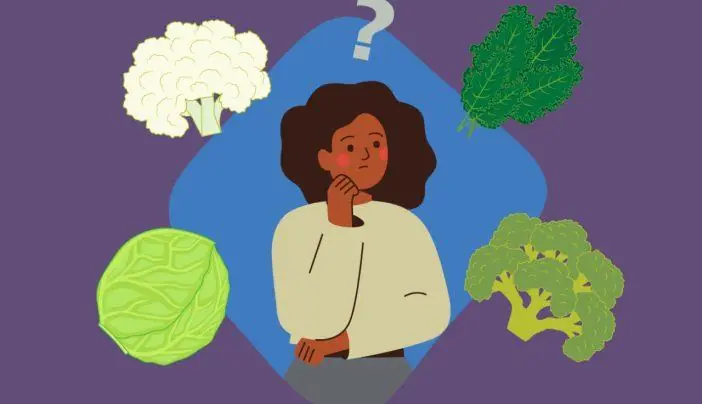
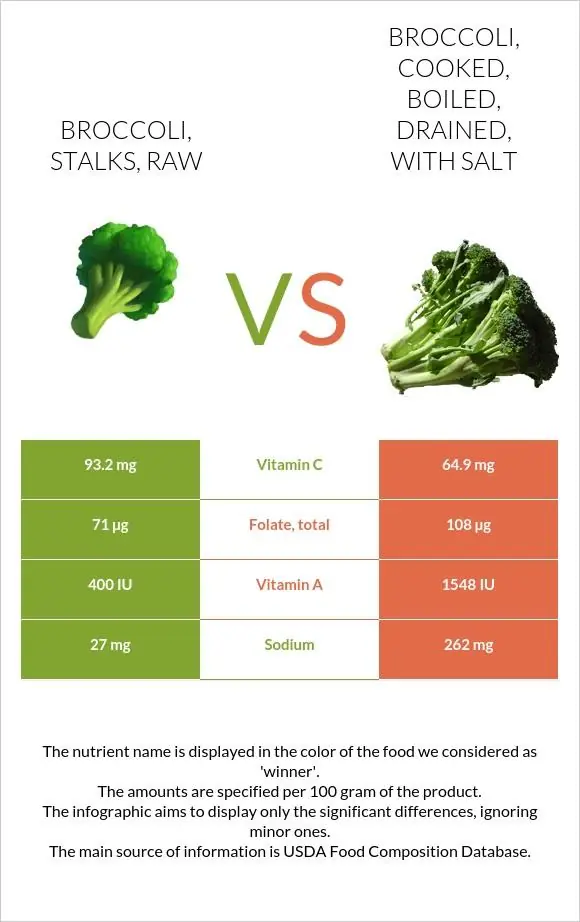
Vegetables like broccoli, cabbage, kale, and cauliflower are healthy—but in large amounts (especially raw), they contain goitrogens, which may interfere with iodine uptake.

👉 Tip:

Cooking reduces this effect significantly.

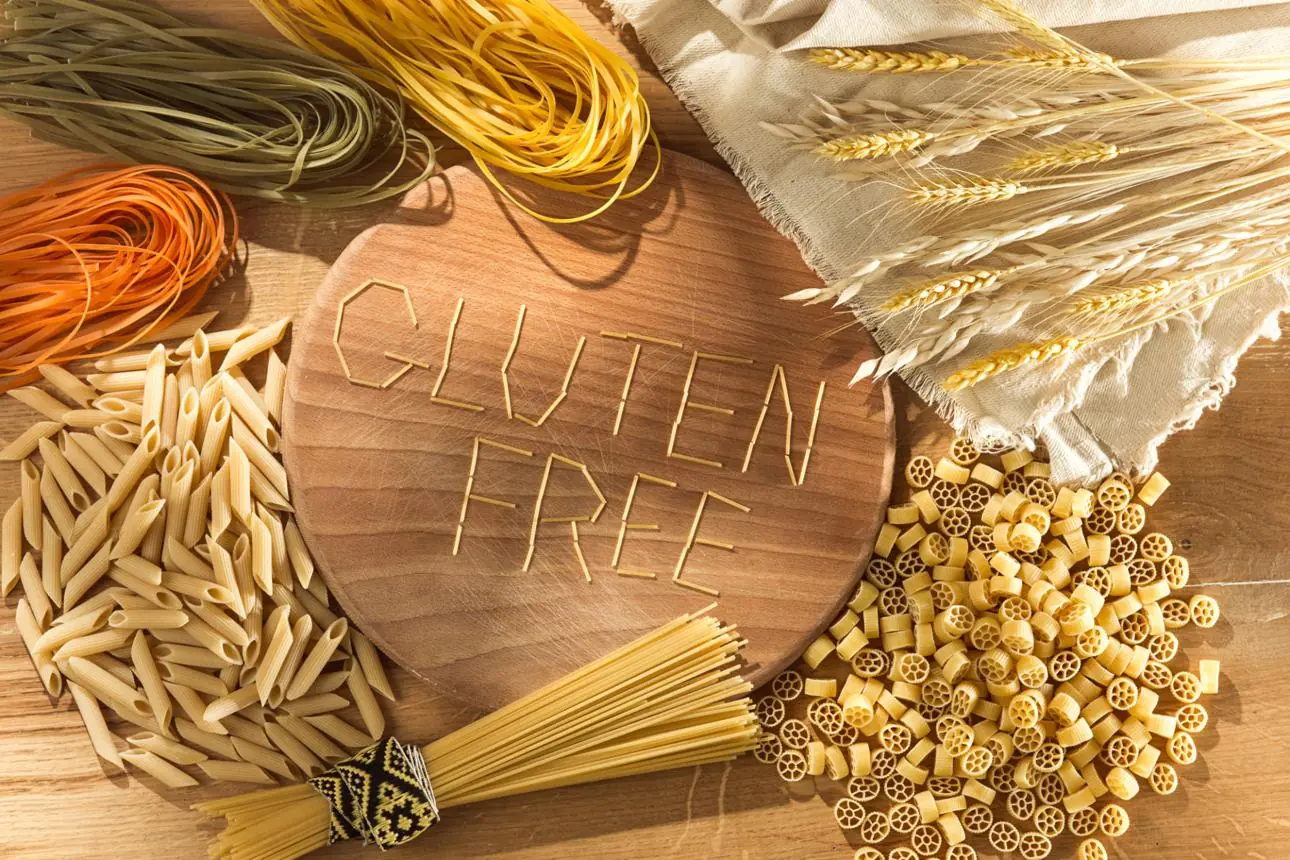
3. Gluten-Containing Foods

https://images.openai.com/static-rsc-4/wFwpci7hcgt0FKcPLsM3Sx0L05y3okdfntPkI1Mup34Q7St8vmkfxt1E1Y7UKV7yTTUokcdhsh0Txjo1n6ItmXilz6sC4uFQKgWEOQ6E2w0sJO6KsmYQK8fIBzJE9aY6fmcYp2D0Wj8Sm6jmHOLmAT7TbuCLOmLu4WoyNtnyYOlIYo65a3lbW-pV6zrsLa-Z?purpose=fullsizehttps://images.openai.com/static-rsc-4/17AT1jEfIqfnOBnQZ5QW9zSZcX1pgqTTaxMhsF32XdQjZgFu9y9slawn8Og0K08CqgIcIwXVqsf0eELbTvl4A9P63n8JgRQ6hjE4QQOYYyR8Drvf8VV3Ni_wgftKAafI_NXwHJnpwneQZpMB2EFohMYcBpYg4FBzGUNc8FZlcO7thF3imxkcWHn5IIe8Odao?purpose=fullsizehttps://images.openai.com/static-rsc-4/zwiohbNHrkP0HuQdFHO9uKmT1E8mIUYVSWY3b-3HUGnaFWVEOhzxuzWUSPBjAZHLuNlxC65jEk_OziGuniH87G7ycVw_5NAkLBvY-kT7amC-lCi0Kl3P0VVk7Da82ljhF-mBpQaOnOZ_tNqIv7Q4D6D7IBX-AKzUEIm4YxcgQazsBC2shNik233sLHK8VKRj?purpose=fullsize

6

For some people—especially those with autoimmune thyroid conditions like Hashimoto’s—gluten may trigger inflammation or worsen symptoms.

👉 Common sources:

  • Bread
  • Pasta
  • Cakes and baked goods

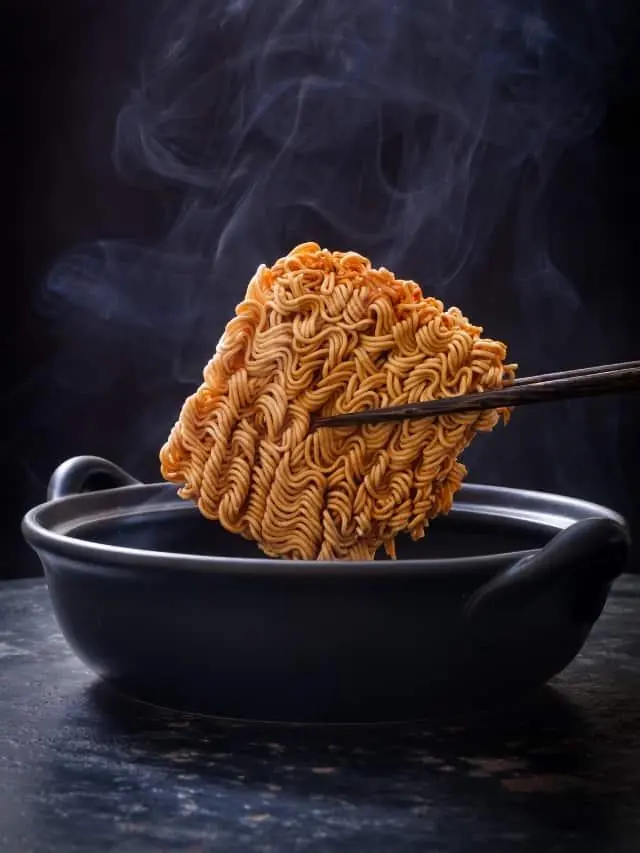
4. Highly Processed Foods

https://images.openai.com/static-rsc-4/6cMBrfMEagJSRSqNV9sUYYB0L8gHuNnJQE_EV5z-OORah6I6l6z6_E0F2fC0xEp13I6rPp9EXLhnNqmS8Y96dgUEdur67Q-DOy5cAuhm0GEfxbBf-ON-V_b5ZeH-wHiiZYCBweqA6icu5W4yYv3vYLmg4SnbiCf7pcjp-1xDeUsbeALFbPa98YG12U3OOWdi?purpose=fullsizehttps://images.openai.com/static-rsc-4/yoFntarR9rNCF5hEizNqyp-6LDhaasMrIjvFczl1ejxzhB1jGMSW7hV-xL8Dsp2TXJfTTjEY0vM_tdZzgHGR2f9fpfbAy25uQzY1htfiqu8ZVcKzBywfrcoNcQIg5D67pfrxdVqK0Tc1anaTKWKVRGEnJRnrPps9aSFhoM8InmLm1yBrtt7sV64kZcCvoONF?purpose=fullsizehttps://images.openai.com/static-rsc-4/88wx-cx6EYwYbI3KhNlyHH464R36GMSEEtDKeI5CD0L-RB4CuUnrvC9Bmu486jc0UV2wcHwa_4yoABVIFP16FiuEsjT4cIo3xuflpyZL79b__o5yUhk5ulgFGc44_KDOOct4ZAf_zi8kVlyN5TPAtkhSe0LSSwGBBxyaEtNqcz4b-WXNWAjsL3ziWsrrS2Uf?purpose=fullsize

6

Processed foods are often high in:

  • Sodium
  • Unhealthy fats
  • Additives

These can worsen symptoms like fatigue, weight gain, and inflammation.

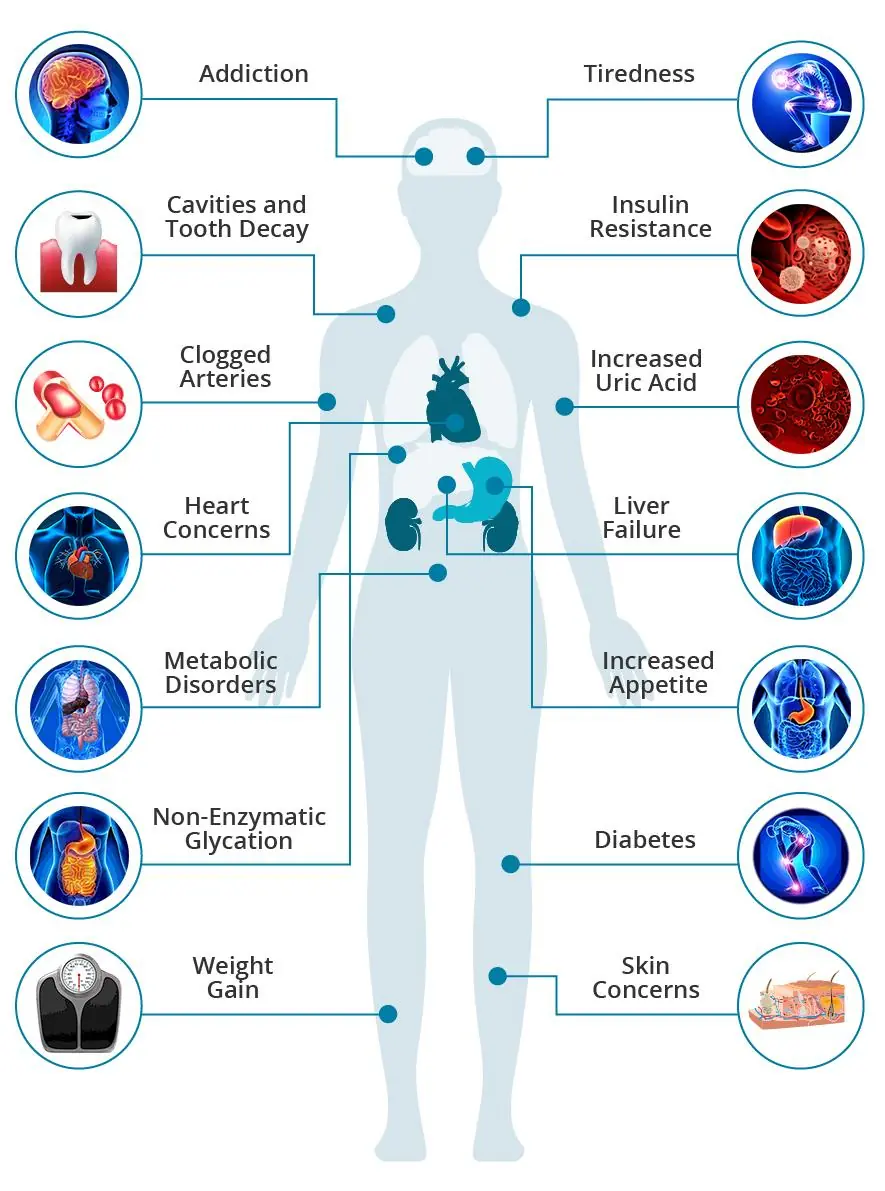
5. Sugary Foods
https://images.openai.com/static-rsc-4/mGW_g-qBWMi7ceKIcCfckCuRudnCiCHA8w9TLyLTVgQsvv6zTmMlUWqsqf411SRlUYRe_Vb-cBzJH2kD1j3Q34rEoDjxlr3FNdiiUKo62h9-YiU8R74DHe_4hXXvbd9Oua3Ut4YfeuDIqlSg6z5nzMwWU5Zwz4_LhjoEyhyYQ3Bo2LlsUHyURWON_hAHMXT5?purpose=fullsizehttps://images.openai.com/static-rsc-4/9tj8ppNoSOvpr1Cud5ORzpCjRkgNmazDErO5kzGJfzUiG5UNIc7gfwiO-Lg4PGuB3lNDDFfdODiXXVv9O_u5XY1YHGoQ7l_Mi4oehdnveFeB9t6Qjj6sqz3xrv3HMwhDUd0Hpfr9l0cseOJMGFJNwEeAx7HaBxqKVTSWUJaOooADUOe8GrWty5oIjDifNqaO?purpose=fullsizehttps://images.openai.com/static-rsc-4/sqkUpr0BSo6eyk4o8ylIh1S5TsZ4S6UsIULztTskAP4TTJvEgqwq2i704zuWnwnQpjEMm8ozSuyKTFJFmvtd52Xode2rZQ_qC5tdQnc4Frp9PotuG8J1LIwS0HUN9tAG_LK16G1W6dUMoraaSjK3M6X6t0c91AD_ibSFi2dPdcvDBXbEJ1FE7DY9uepX9ujx?purpose=fullsize

6

Hypothyroidism already slows metabolism—adding sugar into the mix can lead to:

  • Weight gain
  • Energy crashes
  • Increased inflammation

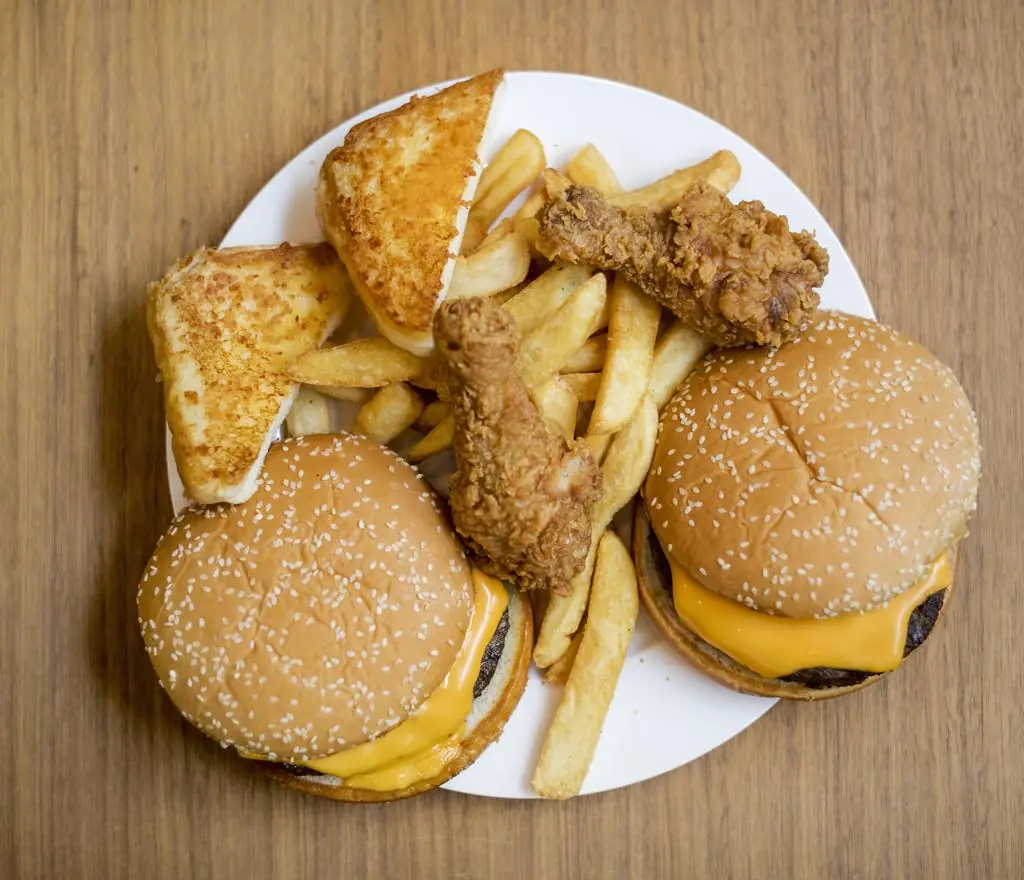
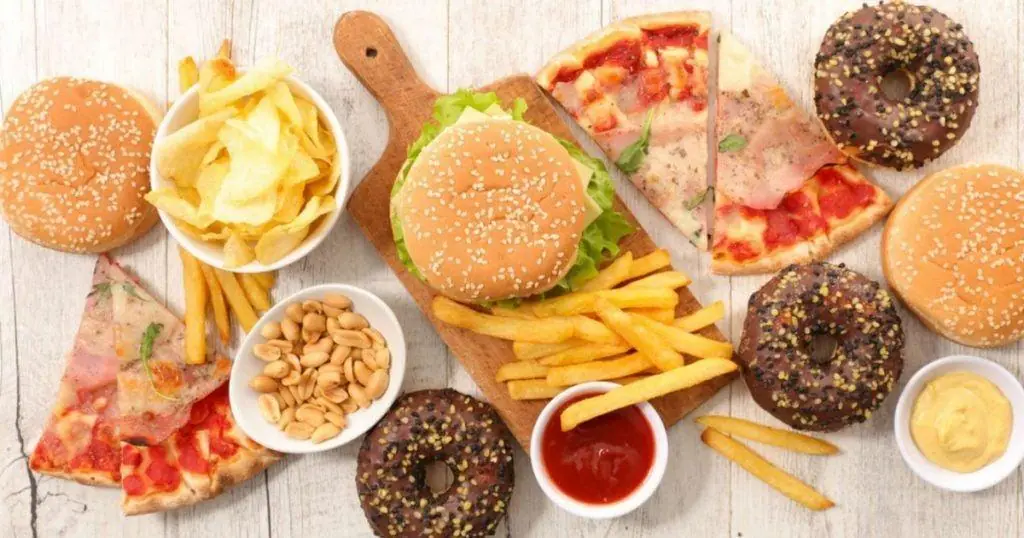
6. Fried and Fatty Foods
https://images.openai.com/static-rsc-4/G4yhAKkNux9W_D7oHrVza-zP5qa4R3NrF-QAFtCRqctf4CkJ4iRlhj_ah4sHzj5Ds-11bZdJqm2Zspthl3HSxVvb7W9HMOVk-1MfbcRslXyMqhvE2zjixXzydykp-8vKl8xrVbDatuPfYPUXvO9J6Fzzcqevfm7EiCoOjKAHXXclwuwawXbpzLFkEqVgGgD3?purpose=fullsizehttps://images.openai.com/static-rsc-4/as9fCyOE-Wk_gKrS9o3WtvPXQ6a5Y2wWilqsO2H0cYAlHlM4xE7AUTiLUmMpII-oK4KgbjEXDjrnFwZdL9q6Qg0n6-087jfCT5sucuvCjTE54Wx2gN1fe0HRVuZrr3RDks0HIPvfJg4WYmSVRpALbEKEcNLYzVgIxgjkoViIWlqFgTvcZ-1kTNjIr5_7rtiL?purpose=fullsizehttps://images.openai.com/static-rsc-4/oiydYQvD-Io_-38ezNxWsX4aKPpom5q6g_givZJCnfUOqS839Tzxbt_GwJV5HxFOH0PvM63RZqMSMh7Vi1FYcUJIxnczdN1Mr-55O7MZz-362MIxuVpm0rJucaL_p2kvjDSuX3P6iaxsq2y7SKpSMIaqVfKfj3Br4TUufCJbMv61dei5sFrEMbEp4wCYrWov?purpose=fullsize

7

These foods can:

  • Interfere with thyroid hormone function
  • Reduce the effectiveness of medication

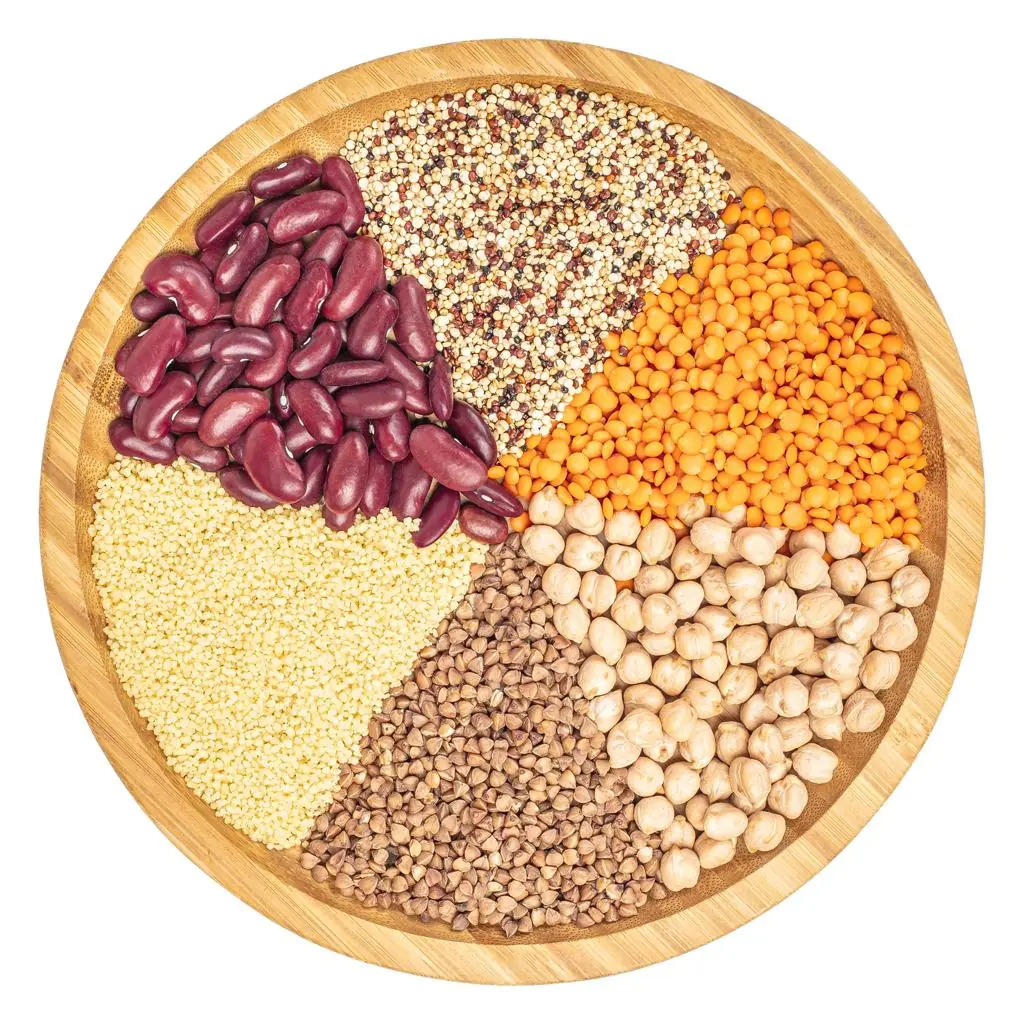
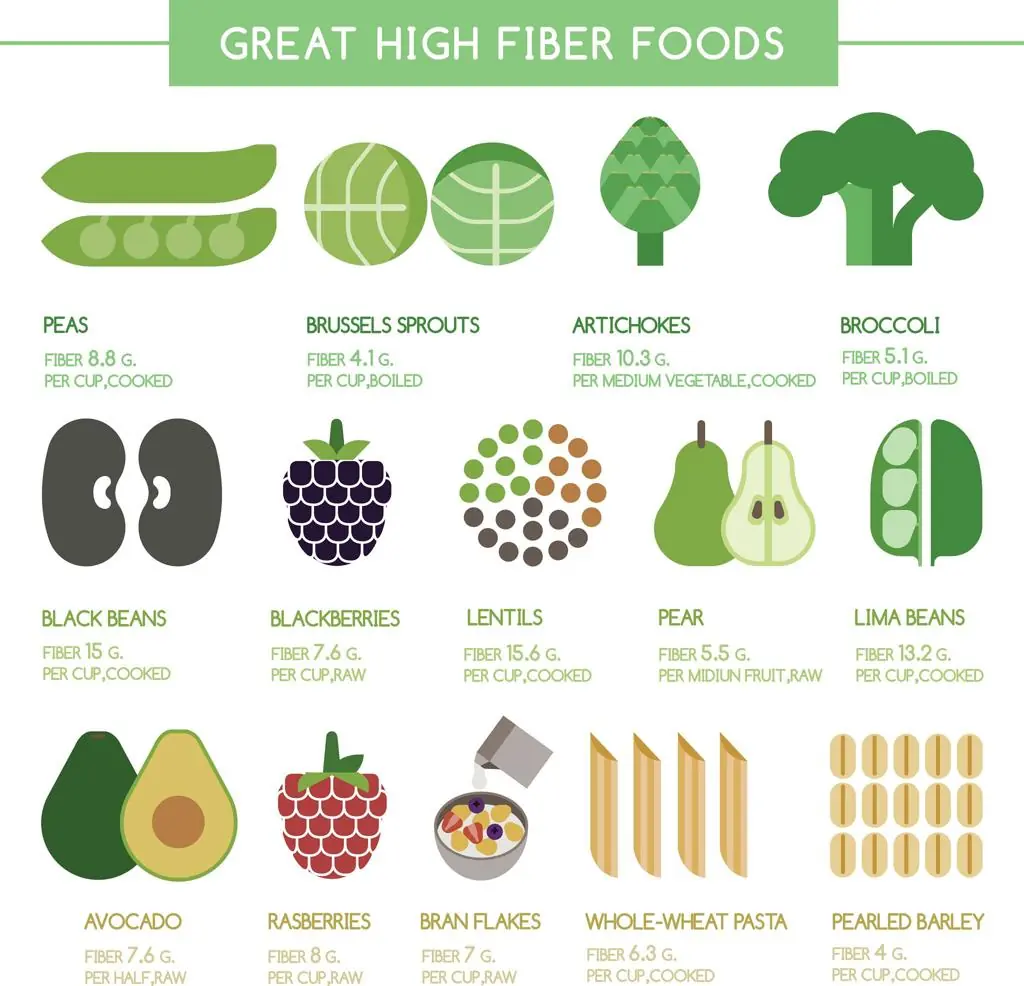
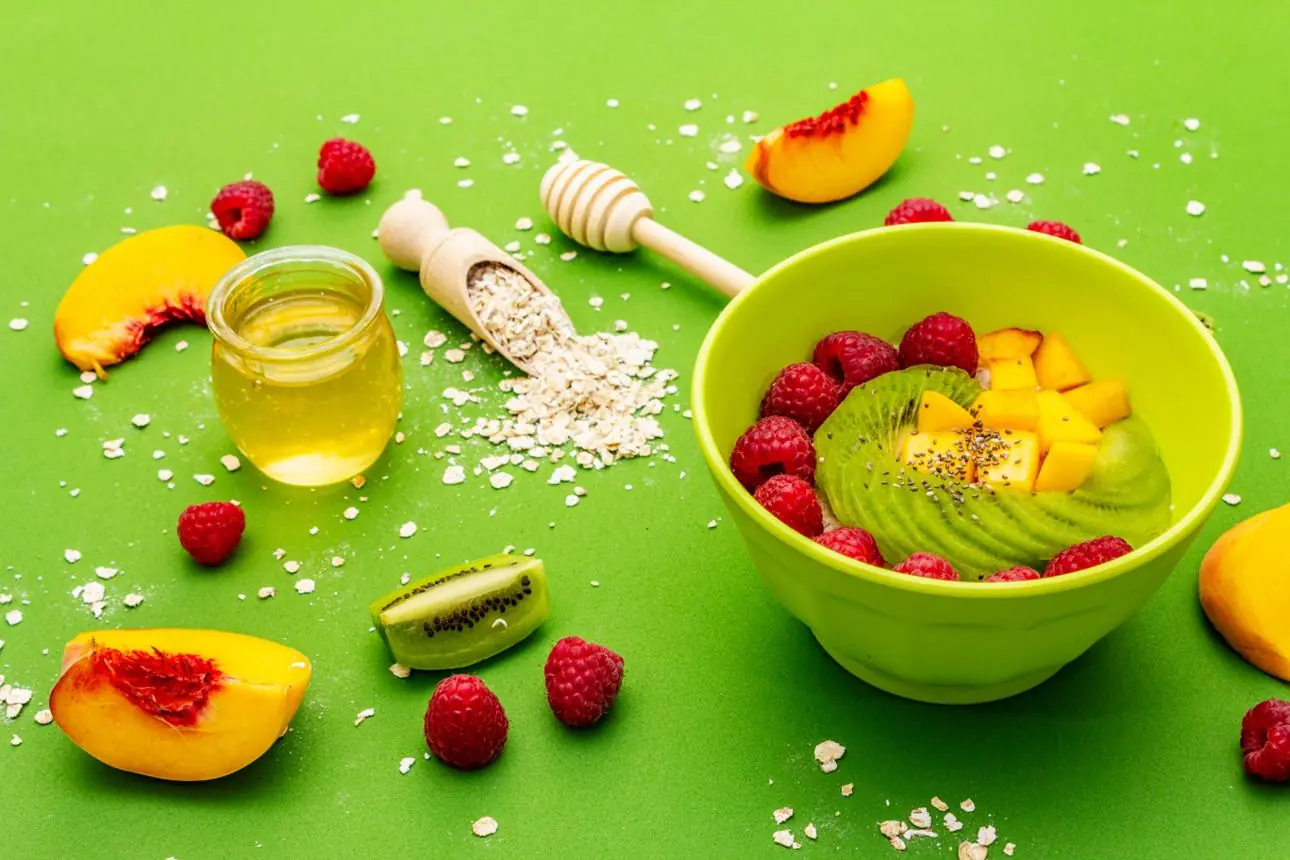
7. Excess Fiber Intake
https://images.openai.com/static-rsc-4/d0Lvn2uQMjrRuTM6AT0qF8-Fij6E7OjpiGHDecMDuJUxeNuGZrDE9nVRA45zMXcgqSdLOgvbtBnmkz4SLh4rK-KZ-XRhcELeRIWuTY1ePWa_g-asovY3mjjIofx1FnhrCpRC7b6rVSavw-ighBOvL6vFh-db39POxdt8807f4AKIwRkCejqmlBii8mLQrCE4?purpose=fullsizehttps://images.openai.com/static-rsc-4/4Kk95zw4euku4gYPbDC40JD67_cN_b0TT1rk5cV79nQeej44JWsSJUyYpn14gIielMlF4vQCBMaWqHGXVFqNSHr2UJumht9ud8A1jfzL7cv-EzYBk8nQbfpct5yo3b6RufMJa6xlGBL2_elfukzT8A10bWqwTN4iziiPiYgFvdHN7Gnx9aZceOMrxyrPtl4-?purpose=fullsizehttps://images.openai.com/static-rsc-4/-qnAR0S_DWHK2MxISlTuEL4LOIB76Xmh5gVISqNQxY7LNnke8ztAPaNBo55f8sw83zrnyk0-L9yfH_bijznhRiZ85O_9XmBhNWA-HaUHwqf7gcGwnvoOP8RazGuKwxnXiigZ_roC4pcKcMYTrTr2Hn9cavwlngl4IZsqExxAzm5awlb_OEYDQ8GB5ROuw00s?purpose=fullsize

6

Fiber is healthy—but too much can interfere with the absorption of thyroid medication.

👉 Balance is key.

8. Coffee (Especially With Medication)

https://images.openai.com/static-rsc-4/6hgAa-vPt54gutcaDxTze0mT_NLiOJ9qAXePSbpZorVpV5BGvJU0uj3hF6Y-upCgrqr8_Jk3kTjQ-rPu_tylsYBIkDZL-EgL3c4uaIvI4Tl3X-dgs-_6ZziD16Y1JSprbuZ08lUFnPVGfpB4-c00QmU1SeGkpc6Rw-hCyQQHprBQZFT9LD5ziD06mqf9IY73?purpose=fullsizehttps://images.openai.com/static-rsc-4/g_PU9P-H1GdLPZxaeZgzjDb56C1t5jnkfNYotgNIRqtP8N4gSe3QcwxjxmtYMmZ9MxYoZxXRyxZGvYwu39Poi6ipOj12-0xfpzevPLoqms3-i7PmV6OHwiBk8sp0m9KzCEN1yRrZkSp8qRG3YO3YeM-dVTmwjZe4poOke93WSDGh1R8wYPfVCBrkFbxGBUjF?purpose=fullsizehttps://images.openai.com/static-rsc-4/vvxJWHtP7-H5oZizrI9-A4y5bgxRC_eh0halqmtSqip5_Q1RamlveiV36XbEmX-UzJIp7KZ-Xso0BbGQGoUPQlB7R-UAFqORPKqGq1EHOPEKvY1gHAO65TreioduwI-ekDolxZAuRbHp6n2qQPZiZFldTeFDA90cOVSedU6QrJj8jIxPiiTTBxsWvrHFWlZ6?purpose=fullsize

7

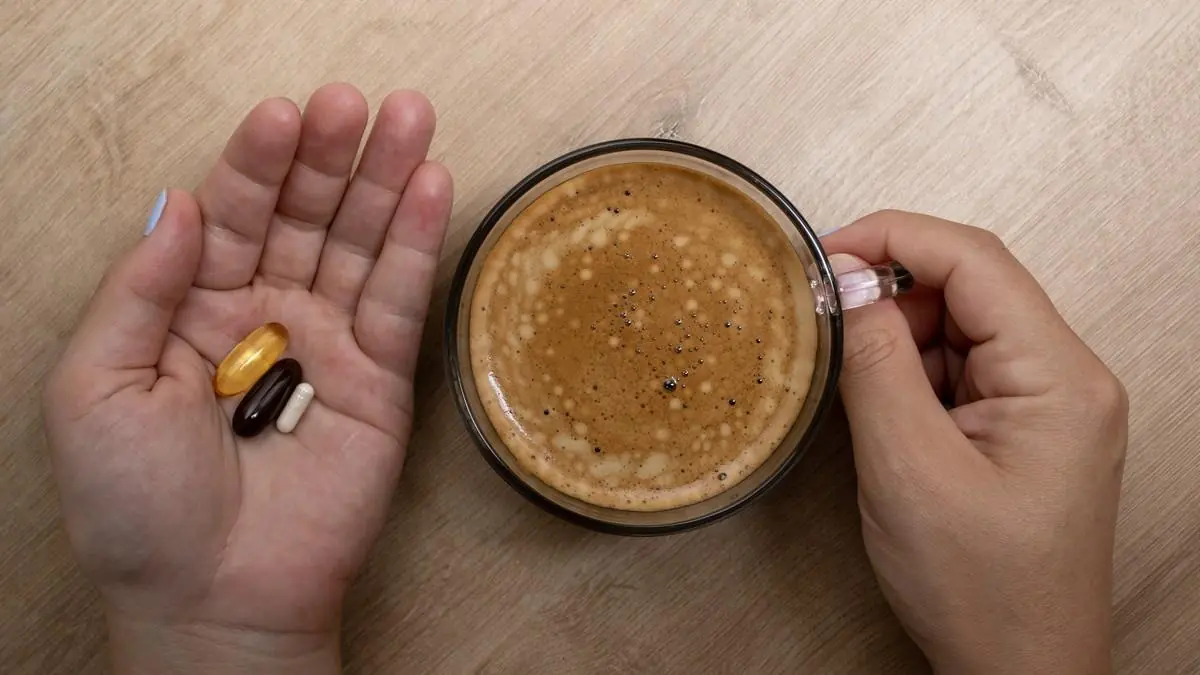
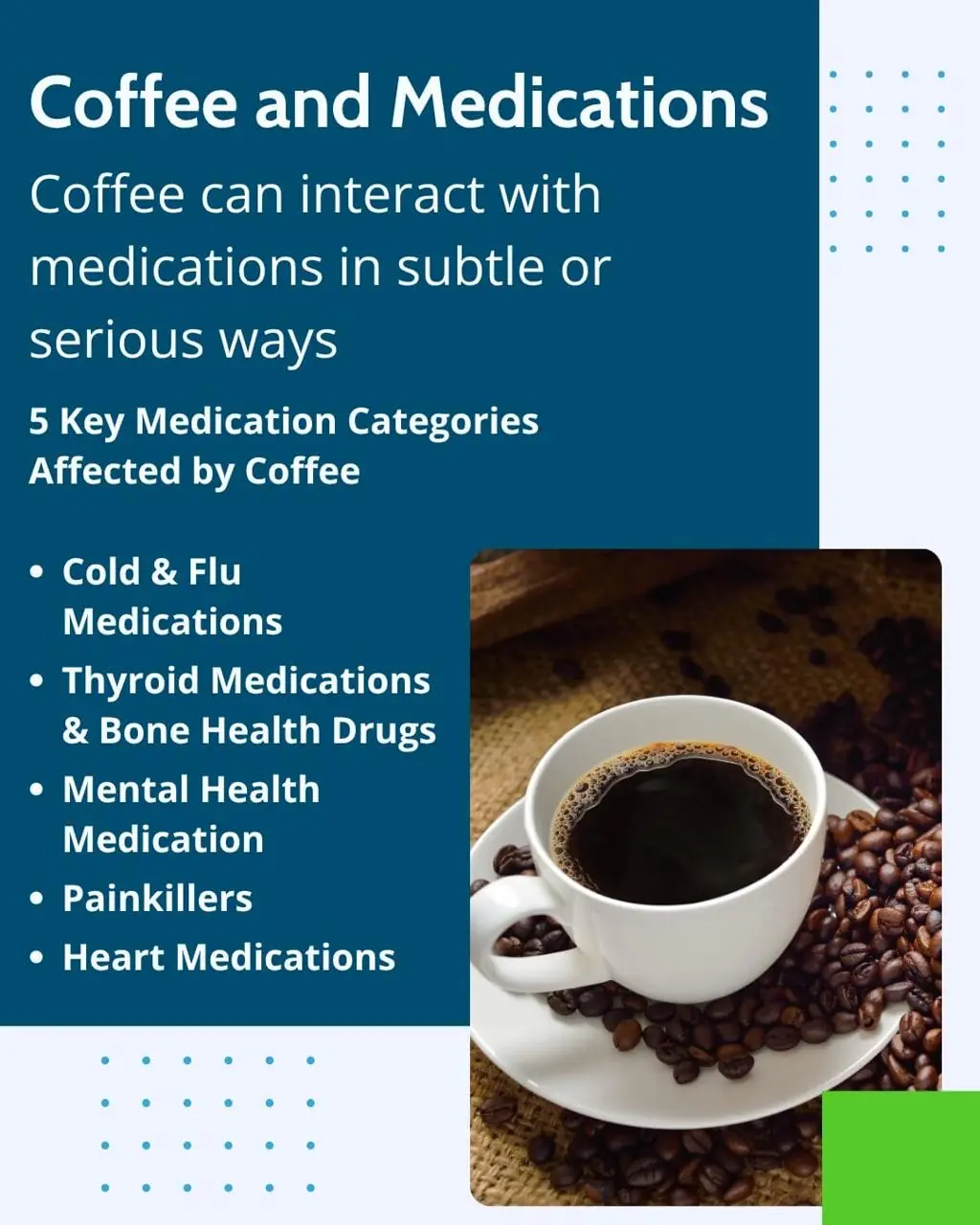
Coffee can reduce how well your body absorbs thyroid medication if taken at the same time.

👉 Tip:

Wait at least 30–60 minutes after medication before drinking coffee.

9. Alcohol

https://images.openai.com/static-rsc-4/xdwFSFq7GNiE2TttryWaxSMzwHxZNURLkHjSQdwvYQgnTibYpm02W6oWs2x2e2lGNnzV1paAHkO4ZemnWA3wwI8JgOqLmA3sWG_qcqukJFTVI2l7tNa6FsH_hcrg-gyL2Qe9lG8DQbuxpk76v-XDRR8NiZ9pcrx6W9HYDCCZr2GfG3zOlR6zZgDGDlyNH8s7?purpose=fullsizehttps://images.openai.com/static-rsc-4/CS1QGMRBTJ9Olm_eN7faCEp0pZzyjIhHDBZgflHzY1II4v3HuD5QXOUj5new_oFkdGzE6TyLREytOoEEB0gHJQKQFc6kPEUmTdtLv_h8wBGm4TQ_3lWhLTI8rvBPEkVMghTS-VE0tqXWyFoJilXl0YSeTZISSKW-HQw8pU76yHPYJNk1YVp8itOCLpn7m-8_?purpose=fullsizehttps://images.openai.com/static-rsc-4/yxTbNAK-2RdLX6CpKemRJJ_kWKqGaNRkke2dkw4I6qPGJsTcoDo2YQput-rHqphi0iq-wyrXKYn6z0OCE52eUSoDzPpIfXbUjJCLWofCXf3ZZFDOWyPc5lWBV6g9Sj8oGyGjQV46qObgG-t1iiFjanj2yXegGunjmtZNVY758ZnCADLhgPhtPImFAkrLiU6S?purpose=fullsize

6

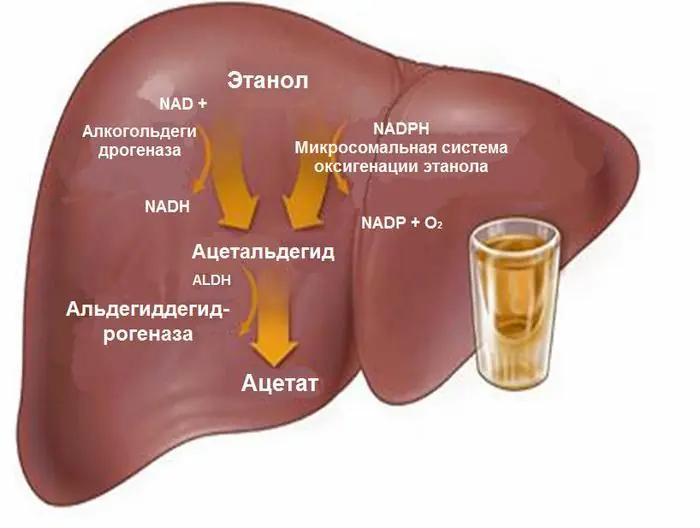
Alcohol can:

  • Disrupt hormone balance
  • Affect thyroid function
  • Slow metabolism further

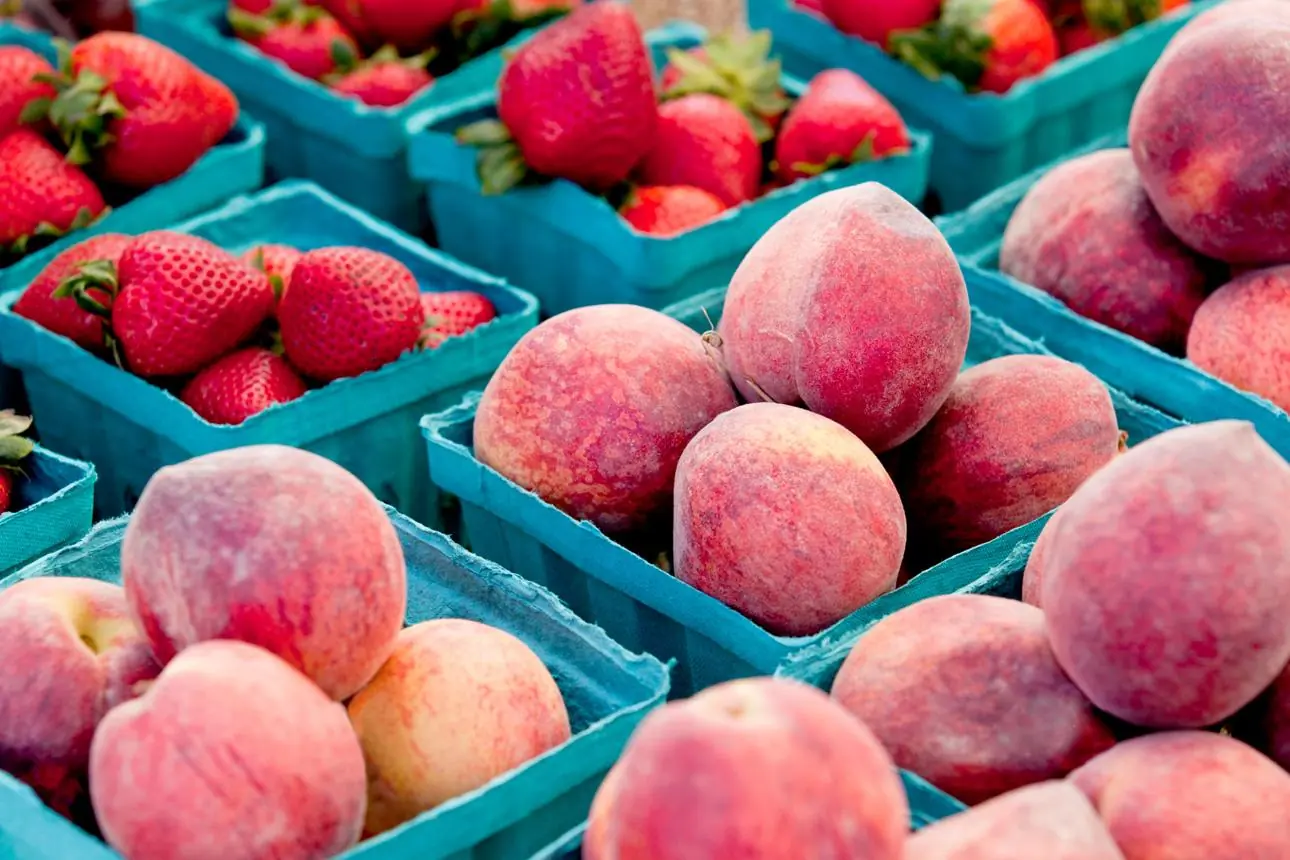
10. Certain Fruits in Excess (Like Peaches & Strawberries)

https://images.openai.com/static-rsc-4/TGcZIHdu6o5LQDjX1UpXNUSUoKmCLgYrIA7SQwf6j_KqANQ1d1Gq1LOKQSi2PXgqpAU2eEYXiMc9-B6jhX0cXxcA3jt_PUD2CFhnZcG-LggFHauirnQxMQJ5tMBVwH8jT9vrfgGRrSjz-dZvSx7FlYbdH_QCzymm22GiDc54PMJAbYr4ee7hTuihui61PMcO?purpose=fullsizehttps://images.openai.com/static-rsc-4/2RBRx-egMMGh57ah6UkUQOZi-W98W6PkAmCe8nU0b8GrPqigCFRBXwNc3ljIsMVh2a6HvJWgblnDeSfRUbv1eyqOaJp5z5iGso6BJiupsiGs2HedRkiTMPxVWE1OvnZEce3rIlibtOGLxNmXwQ1Fs3NFyf22q61bs-spM7mEUCCo6WFGisLLVtJr-bzX_3H3?purpose=fullsizehttps://images.openai.com/static-rsc-4/cbH6xsWytSzePsUTGkmFt8OVW58XphJHgGwqySsq-HGPw45F9JqnQOLQ33rNpPwSbJoQlavfjMZI4kB7cbc-j3YiM-BgnzgmyUChNQpP8nFCuQ4mSKdsU4UOGLk9OA4WTtCDPUpGXJu1K38-pZmlnAIK-eElFH03bCkV1N23pHBqJLHxzCQsR13UbSULrQ6X?purpose=fullsize

5

Some fruits contain mild goitrogenic compounds. While not harmful in normal amounts, excessive intake may affect thyroid function.

So… Do You Need to Avoid All These Foods Completely?

Short answer: No.

👉 The real key is:

  • Moderation
  • Balance
  • Proper timing (especially with medication)

Most of these foods are only problematic when consumed in excess or under specific conditions.

What You SHOULD Focus On Instead

  • Iodine-rich foods (in proper amounts)
  • Selenium (nuts, fish, eggs)
  • Zinc (meat, legumes)
  • Whole, unprocessed foods
  • Consistent meal timing

Final Thoughts

Managing hypothyroidism isn’t about strict restriction—it’s about smart choices.

Food won’t cure thyroid problems, but it can either support your body… or make symptoms harder to manage.

Because when your hormones are out of balance, even small habits—like what you eat—can make a big difference.

11. Seaweed and Kelp: Hidden Sources of Excess Iodine

Seaweed is often promoted as a superfood because it contains minerals, antioxidants, and other nutrients. However, people with thyroid disorders need to be particularly mindful of how much seaweed they consume.

Certain varieties, especially kelp, can contain extremely high concentrations of iodine.

Iodine is essential for thyroid hormone production. The thyroid gland uses this mineral to produce thyroxine (T4) and triiodothyronine (T3), two hormones that regulate metabolism, energy use, and numerous bodily functions.

However, more iodine does not necessarily mean better thyroid health.

For people with hypothyroidism, particularly those with autoimmune thyroid conditions such as Hashimoto's thyroiditis, excessive iodine intake may worsen thyroid dysfunction in some circumstances.

Why Too Much Iodine Can Be a Problem

The thyroid gland requires a relatively small amount of iodine to function properly.

When iodine intake becomes excessive, the thyroid may temporarily reduce hormone production through a protective mechanism known as the Wolff-Chaikoff effect.

In healthy individuals, the gland usually adapts and resumes normal hormone production.

However, some people with underlying thyroid disease may not adapt as effectively.

Excessive iodine exposure can contribute to hypothyroidism or, in susceptible individuals, trigger or worsen hyperthyroidism.

Foods That May Contain High Amounts of Iodine

Pay particular attention to:

  • Kelp supplements and powders.

  • Dried seaweed snacks.

  • Kombu used in Japanese cooking.

  • Certain seaweed-based broths.

  • Concentrated seaweed extracts.

The iodine content can vary dramatically between products.

A small serving of one seaweed variety may contain considerably more iodine than a much larger serving of another.

Should You Stop Eating Seaweed Completely?

Not necessarily.

Most people with hypothyroidism do not need to eliminate all seaweed from their diets.

The important consideration is avoiding excessive and unpredictable iodine intake.

If you have Hashimoto's disease or another thyroid condition, speak with your healthcare professional before regularly consuming concentrated kelp products or iodine supplements.

A balanced approach is generally safer than attempting to increase iodine intake without knowing whether you actually need it.

12. Iodine-Fortified Foods and Excessive Iodine Supplements

Iodine is one of the most important minerals involved in thyroid health.

News in the same category

19 Foods to Avoid If You Have Hypothyroidism or Thyroid Problems

5 Part