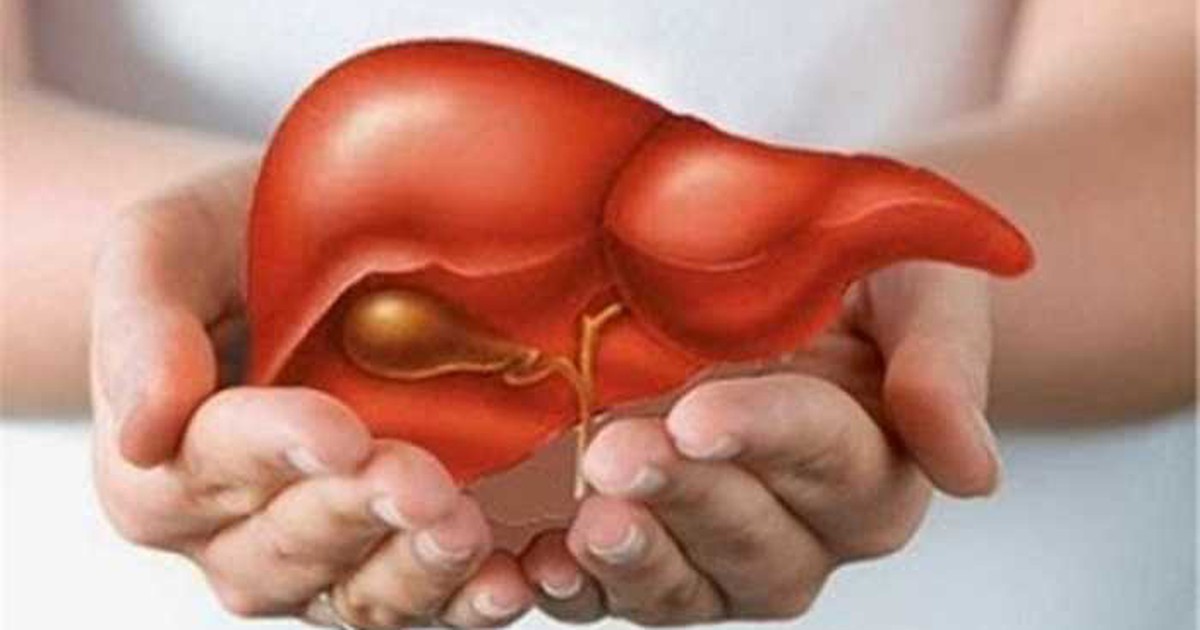
The liver is one of the body's most remarkable organs. Responsible for more than 500 vital functions, it plays a central role in filtering toxins from the blood, processing nutrients, producing bile for digestion, storing vitamins and minerals, regulating blood sugar, and synthesizing proteins that support blood clotting and immune function.
Unlike many other organs, the liver has an impressive ability to regenerate itself. However, liver disease often develops gradually and may not cause noticeable symptoms in its early stages. This is why it is sometimes referred to as a "silent" condition. By the time symptoms become obvious, significant damage may already have occurred.
While no single symptom can diagnose liver disease, certain changes you notice when you wake up may serve as clues that your liver deserves medical attention. These signs can also have many other causes, making professional evaluation important if they persist or worsen.
Below are two morning warning signs that may suggest your liver isn't functioning properly, along with information about other symptoms, possible causes, and steps you can take to protect your liver health.
Morning Warning Sign #1: Yellowing of the Eyes or Skin
One of the most recognizable signs of liver dysfunction is jaundice, a yellow discoloration of the skin and the whites of the eyes.
Many people first notice this change while looking in the bathroom mirror shortly after waking up, especially in natural morning light.
Why Does It Happen?
Red blood cells naturally break down over time, producing a yellow substance called bilirubin. Under normal circumstances, the liver processes bilirubin and removes it from the body through bile.
When the liver becomes damaged or bile cannot flow normally, bilirubin can build up in the bloodstream. As levels rise, the skin and eyes may gradually develop a yellow tint.
Jaundice itself is not a disease—it is a symptom that requires medical evaluation.
Possible Causes
Several liver and bile duct conditions can contribute to jaundice, including:
-
Viral hepatitis
-
Alcohol-related liver disease
-
Fatty liver disease
-
Cirrhosis
-
Gallstones blocking the bile ducts
-
Certain medications
-
Liver tumors
-
Pancreatic disorders affecting bile drainage
Some non-liver conditions, such as certain blood disorders that increase the breakdown of red blood cells, may also lead to elevated bilirubin levels.
When Should You Seek Medical Care?
Yellowing of the eyes or skin should never be ignored.
If jaundice appears suddenly or is accompanied by fever, severe abdominal pain, confusion, persistent vomiting, or extreme weakness, immediate medical attention is recommended.
Morning Warning Sign #2: Persistent Swelling of the Legs, Ankles, or Abdomen
Many people notice swelling most clearly when they first get out of bed or begin putting on their shoes.
Although swelling has many possible causes—including heart disease, kidney disease, and certain medications—it can also occur in advanced liver disease.
Why Can Liver Disease Cause Swelling?
A healthy liver produces albumin, an important protein that helps keep fluid inside blood vessels.
When liver function declines significantly, albumin production may decrease. This allows fluid to leak into surrounding tissues, leading to swelling.
In more advanced liver disease, increased pressure in the portal vein (known as portal hypertension) can also contribute to fluid accumulation.
Swelling may appear in:
-
Feet
-
Ankles
-
Lower legs
-
Abdomen (ascites)
Abdominal swelling caused by fluid buildup often develops gradually but should always be evaluated by a healthcare professional.
Signs That Require Prompt Medical Evaluation
Seek medical attention if swelling is:
-
Persistent or worsening
-
Associated with shortness of breath
-
Accompanied by abdominal pain
-
Combined with jaundice
-
Occurring alongside rapid weight gain
-
Present with confusion or severe fatigue
:format(webp)/cac_benh_ve_gan_nguyen_nhan_dau_hieu_va_bien_phap_bao_ve_suc_khoe_1_9ae66065f0.png)
Other Symptoms That May Be Associated With Liver Problems
Morning signs rarely occur alone. Liver disease may also produce other symptoms that develop gradually over weeks or months.
These may include:
Unusual Fatigue
Many people with chronic liver disease describe persistent tiredness that does not improve with adequate sleep.
Loss of Appetite
Reduced appetite may occur because liver dysfunction affects metabolism and digestion.
Nausea
Some liver conditions can contribute to ongoing nausea or digestive discomfort.
Dark Urine
Excess bilirubin may cause urine to become noticeably darker than usual.
Pale or Clay-Colored Stools
Reduced bile reaching the intestines can result in lighter-colored stools.
Itchy Skin
Bile salts accumulating beneath the skin may contribute to persistent itching.
Easy Bruising or Bleeding
Because the liver produces clotting proteins, advanced disease may increase the tendency to bruise or bleed.
Mental Confusion
In severe liver disease, toxins that are normally removed by the liver may accumulate, affecting brain function. This condition is known as hepatic encephalopathy and requires urgent medical care.
Who Is at Higher Risk for Liver Disease?
Several factors increase the likelihood of developing liver problems.
Common risk factors include:
-
Obesity
-
Type 2 diabetes
-
Heavy alcohol consumption
-
Chronic hepatitis B or C infection
-
High cholesterol
-
Metabolic syndrome
-
Certain inherited liver disorders
-
Long-term use of medications that may affect the liver
-
Exposure to certain industrial chemicals or toxins
Having one or more risk factors does not mean you will develop liver disease, but regular medical checkups may be especially important.
How Doctors Evaluate Liver Health
If liver disease is suspected, your healthcare provider may recommend several tests.
These can include:
Blood Tests
Common blood tests include:
-
ALT (alanine aminotransferase)
-
AST (aspartate aminotransferase)
-
Alkaline phosphatase
-
Gamma-glutamyl transferase (GGT)
-
Bilirubin
-
Albumin
-
Prothrombin time (INR)
These tests help assess liver function and identify possible liver injury, though abnormal results do not always indicate severe disease.
Imaging Tests
Doctors may recommend:
-
Ultrasound
-
CT scan
-
MRI
-
Elastography (to assess liver stiffness and fibrosis)
Liver Biopsy
In selected cases, a small tissue sample may be collected to determine the cause and extent of liver damage.
Daily Habits That Support Liver Health
Although not all liver diseases can be prevented, healthy lifestyle choices can significantly reduce the risk of many common liver conditions.
Maintain a Healthy Weight
Excess body fat, particularly around the abdomen, increases the risk of nonalcoholic fatty liver disease (NAFLD), now often referred to as metabolic dysfunction-associated steatotic liver disease (MASLD).
Regular exercise and balanced nutrition help reduce this risk.
Eat a Balanced Diet
Focus on:
-
Vegetables
-
Fruits
-
Whole grains
-
Lean proteins
-
Legumes
-
Healthy fats such as olive oil
Try to limit:
-
Highly processed foods
-
Sugary beverages
-
Excess added sugars
-
Saturated fats
-
Excessive salt
Limit Alcohol
Alcohol places additional stress on the liver.
If you drink alcohol, follow your country's recommended guidelines. Some people—such as those with existing liver disease—may need to avoid alcohol entirely based on medical advice.
Stay Physically Active
Aim for at least 150 minutes of moderate-intensity physical activity per week, along with muscle-strengthening activities on two or more days each week, unless advised otherwise by your healthcare provider.
Get Vaccinated
Vaccines are available for hepatitis A and hepatitis B and may be recommended for individuals at increased risk.
Use Medications Safely
Always follow dosing instructions, especially for medications that may affect the liver, such as acetaminophen (paracetamol). Avoid combining medications, supplements, or herbal products without discussing them with a healthcare professional.
When Should You See a Doctor Immediately?
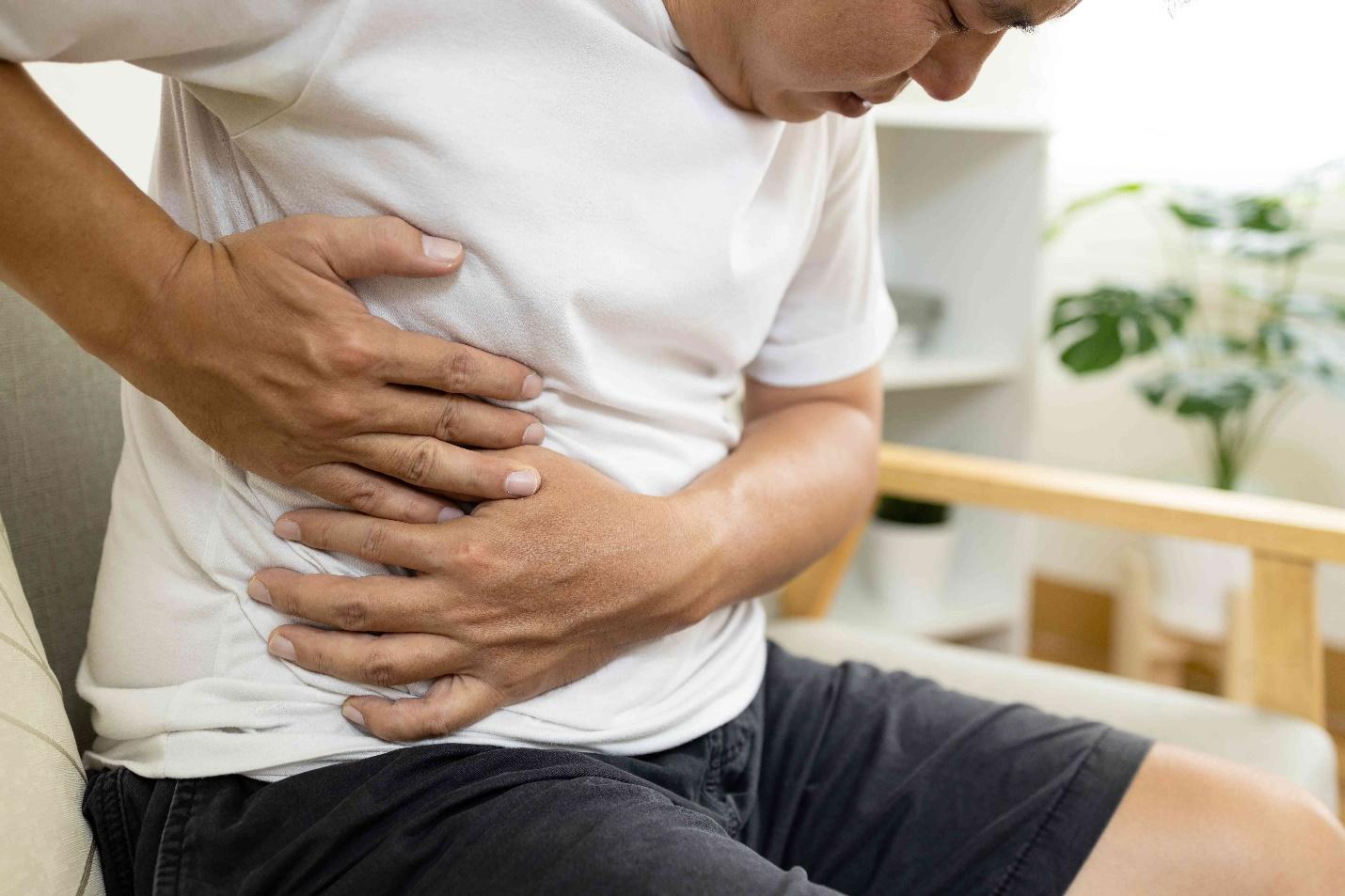
Seek urgent medical attention if you experience:
-
Sudden jaundice
-
Severe abdominal pain
-
Persistent vomiting
-
Confusion or unusual drowsiness
-
Vomiting blood
-
Black, tarry stools
-
Rapid abdominal swelling
-
Difficulty breathing associated with swelling
-
Loss of consciousness
These symptoms may indicate serious medical conditions requiring immediate evaluation.
Final Thoughts
Your body often provides subtle clues when something isn't quite right, and changes that become noticeable in the morning - such as yellowing of the eyes or persistent swelling of the legs or abdomen may be signs that deserve medical attention. While these symptoms do not automatically mean you have liver disease, they should not be ignored, especially if they persist or are accompanied by other concerning changes.
The liver performs hundreds of essential tasks every day, and many liver conditions respond best when identified early. Paying attention to warning signs, maintaining healthy lifestyle habits, and seeking timely medical evaluation when symptoms arise can play an important role in protecting your long-term liver health.
If you notice persistent jaundice, swelling, unexplained fatigue, dark urine, pale stools, or other concerning symptoms, schedule an appointment with a healthcare professional. Early diagnosis and appropriate treatment can make a significant difference in preserving liver function and improving overall health.