
2 Times You Should Absolutely Avoid Eating Bananas to Protect Your Health
Bananas are a familiar fruit to many people. They are sweet, easy to eat, and suitable for most individuals. Not only are bananas affordable, but they also offer numerous health benefits.
A medium banana (about 126 grams) provides approximately 112 calories, 0 grams of fat, 1 gram of protein, 29 grams of carbohydrates, and 3 grams of fiber. In addition, bananas are rich in vitamin C, folate, niacin, potassium, copper, magnesium, and more.
Bananas are high in soluble fiber, which is beneficial for digestion.
The resistant starch and soluble fiber in bananas work together to help reduce blood sugar levels after meals. They also increase satiety and reduce appetite.
Bananas also contain powerful antioxidants that protect the body from free radicals and help prevent disease.
Eating bananas properly can support weight loss. Bananas are low in calories and high in soluble fiber, which slows down digestion. The resistant starch in bananas increases the feeling of fullness and reduces cravings.
Scientifically Proven Benefits of Bananas:
1. Improve Blood Sugar Levels
Bananas are rich in soluble fiber, which forms a gel during digestion and slows the absorption of sugar. Unripe bananas also contain resistant starch that is not digested by the body.
According to Healthline, both types of fiber help stabilize blood sugar levels after meals and control appetite by slowing digestion. Therefore, although bananas are high in carbohydrates, they do not cause a sharp spike in blood sugar in healthy individuals. People with diabetes can still eat bananas but should monitor their intake.
2. Support Kidney Health
Potassium in bananas plays a key role in regulating blood pressure and maintaining kidney function. A study on over 5,000 people with early-stage chronic kidney disease showed that potassium may help reduce blood pressure and slow the progression of kidney failure.
However, for those with end-stage kidney disease or undergoing dialysis, controlling potassium intake is crucial. If you fall into this category, consult your doctor before eating large amounts of bananas.
3. Provide Strong Antioxidants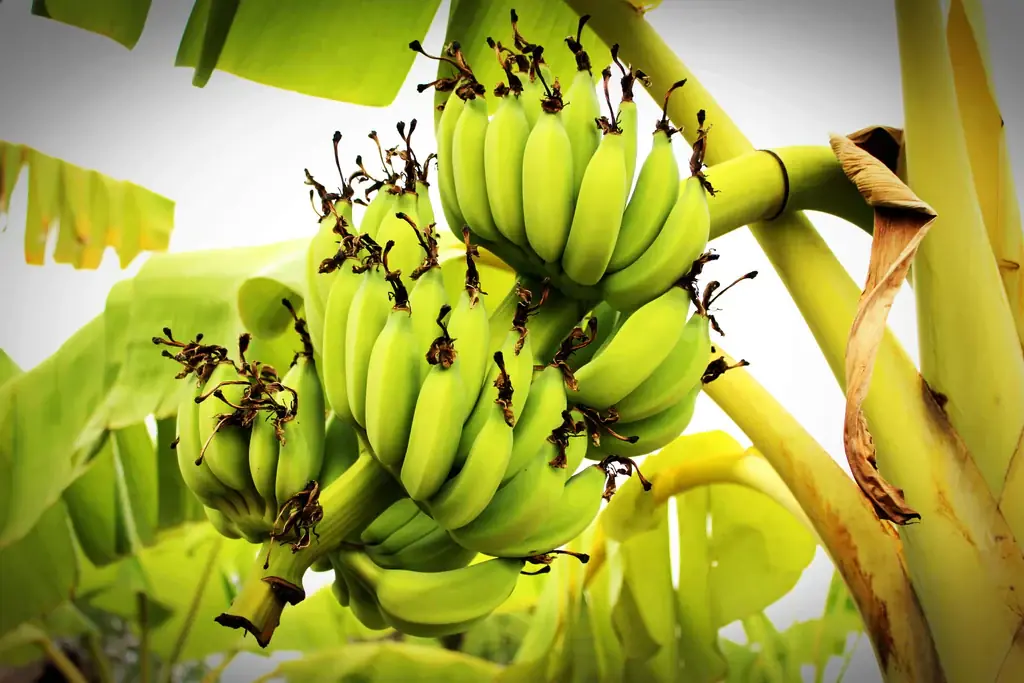
Bananas are rich in antioxidants like flavonoids and amines, which help reduce the risk of heart disease and degenerative illnesses. These antioxidants protect cells from damage caused by free radicals, helping prevent premature aging and many other health issues.
4. Support a Healthy Digestive System
A medium banana contains about 3 grams of fiber, which aids digestion and helps prevent constipation.
Resistant starch in unripe bananas acts as a prebiotic, nourishing beneficial gut bacteria.
Pectin, a type of fiber found in both ripe and unripe bananas, helps soften stools and improve bowel function. Some studies also suggest pectin may reduce the risk of colon cancer, although more research is needed to confirm this.
Bananas are not only a delicious fruit but also provide impressive health benefits, especially for digestion, cardiovascular health, and kidney function.

Foods That Should Not Be Eaten With Bananas:
1. Yogurt
Yogurt and bananas can generally be eaten together. However, people with sensitive stomachs should avoid this combination since cold yogurt mixed with bananas may cause stomach pain or diarrhea.
2. Potatoes
When nutrients in bananas and potatoes combine, they can produce a chemical reaction that may generate toxins and cause brown spots on the skin. It’s recommended to eat bananas and potatoes at least 15 minutes apart for safety.
3. Sweet Potatoes and Taro
Bananas are also incompatible with most types of tubers. While combining bananas with potatoes may be harmful, eating them with sweet potatoes or taro can cause stomach pain and bloating.
4. Watermelon
Watermelon has high levels of sugar and potassium. Since bananas also contain a lot of potassium (ranging from 283 to 472 mg per 100g), people with kidney failure should not consume both fruits at the same time to avoid excessive potassium intake, which can lead to health complications.
Best Times to Eat Bananas:
As mentioned, bananas are very good for your health. Choosing the right time to eat them can help your body absorb all the nutrients and maximize their benefits.
You should eat bananas about 1–2 hours after meals or 30 minutes before or after exercising. The carbs, water, vitamins, and minerals in bananas provide energy, improve workout performance, and support muscle recovery. Potassium and magnesium in bananas also help replenish electrolytes.
Eating bananas before bed can also be beneficial. Bananas contain tryptophan, an amino acid that stimulates the production of melatonin. Melatonin plays an important role in sleep, helping you fall asleep faster and enjoy deeper rest.
Two Times You Should Avoid Eating Bananas to Prevent Health Issues
Bananas offer many nutritional benefits, but there are two specific times when you should avoid eating them to prevent negative effects on your body:
1. When You’re Hungry
According to scientists, eating bananas on an empty stomach may disrupt cardiovascular balance.
This is because bananas are high in magnesium and potassium. Eating them when your stomach is empty can cause bloating, discomfort, and even arrhythmia. Therefore, bananas should only be eaten after a meal, not on an empty stomach.
2. At Breakfast or When You Need to Be Highly Focused
Bananas contain serotonin, a compound that promotes relaxation and can cause drowsiness. Therefore, eating bananas at breakfast or when you need to focus may make you feel sluggish and reduce mental clarity.
In the morning, make sure to eat other foods like yogurt or oats to satisfy hunger before consuming bananas.
Bananas are very good for your health, but timing matters. Eating them at the right time helps you get the most benefits and avoid unwanted side effects.