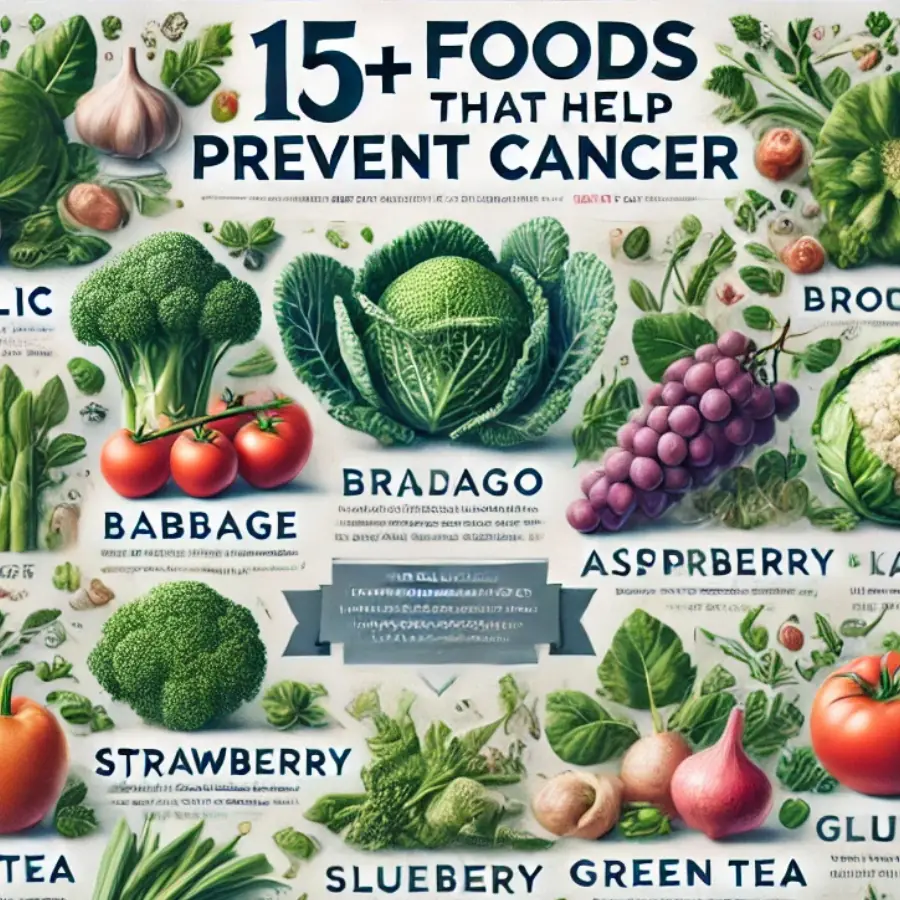
Foods That Help Prevent Cancer
Here are some top cancer-fighting foods that you should consider adding to your daily diet:
1. Foods Rich in Folate
Adequate folate (Vitamin B9) intake helps prevent DNA mutations and reduces the risk of cancers like colorectal cancer and pancreatic cancer. You can find folate in orange juice, whole grains, spinach, peas, peanuts, asparagus, and more.
2. Foods High in Antioxidants and Anti-Inflammatory Compounds
Antioxidants and anti-inflammatory nutrients, including Vitamin A, Vitamin C, Vitamin E, polyphenols, selenium, and carotenoids, protect cells from oxidative stress and free radical damage. Some antioxidant-rich foods include berries, bananas, apples, citrus fruits, tomatoes, bell peppers, squash, broccoli, carrots, and sweet potatoes.
3. Fiber-Rich Foods
Fiber, found in plant-based foods like vegetables, fruits, whole grains, legumes, and seeds, plays a crucial role in gut health and cancer prevention by:
- Binding to carcinogens and eliminating them through waste
- Fermenting into short-chain fatty acids that prevent abnormal cell growth in the intestines
- Promoting satiety, maintaining a healthy weight
- Reducing carbohydrate absorption and insulin resistance, thereby lowering the risk of diabetes and cancer
4. Foods High in Vitamins and Minerals
Vitamins and minerals are essential for cancer prevention:
- Vitamin C & E: Prevent mutations, provide antioxidant benefits, and reduce cancer risks. Found in citrus fruits, berries, carrots, spinach, broccoli, and nuts.
- Vitamin D: Strengthens bones and immune health, lowers the risk of colorectal and breast cancer. Found in fatty fish like salmon and mackerel.
- Vitamin K: Supports blood clotting and has cancer-fighting properties. Found in kale and spinach.
- Selenium: An essential trace mineral that aids DNA repair and protects against cancer. Found in seafood and whole grains.
- Zinc: Supports immune function and cell development, reducing oxidative stress-related cancer risks. Found in meats, beans, and seeds.
Top 20 Cancer-Fighting Foods
1. Apples
Apples are rich in fiber and polyphenols, which support gut health and lower the risk of breast, colorectal, and lung cancer. Their vitamin C content strengthens immunity, fights cancer cells, and helps repair damaged cells. Potassium in apples also prevents fluid retention, reducing chemotherapy side effects.
2. Asparagus
Low in calories but high in folate, asparagus protects against pancreatic cancer and reduces the risk of esophageal and colorectal cancers. Its high fiber content also supports gut health.
3. Berries
Berries (blueberries, raspberries, strawberries) are excellent sources of antioxidants that protect cells from free radical damage and inhibit cancer cell growth and spread.
4. Cruciferous and Leafy Green Vegetables
Broccoli, kale, and spinach contain vitamin C, glutathione, and isothiocyanates—powerful antioxidants that neutralize harmful free radicals. Cabbage and broccoli also provide sulforaphanes and indoles, which activate detoxifying enzymes that protect DNA from damage.
5. Carrots
Carrots are high in beta-carotene, a strong antioxidant that protects cells from damage. They also contain phytochemicals that inhibit cancer cell growth. Studies show that regularly eating raw carrots reduces lung cancer risk.
6. Cherries
Cherries are rich in melatonin, which not only improves sleep quality but also has cancer-fighting properties.
7. Coffee
Coffee may reduce the risk of neck, colorectal, breast, and liver cancers. It contains caffeine, flavonoids, lignans, and polyphenols that help regulate DNA repair, reduce inflammation, and prevent cancer metastasis. Additionally, coffee consumption lowers insulin resistance and the risk of type 2 diabetes.
8. Garlic
Garlic is linked to a lower risk of esophageal, stomach, and colorectal cancers because it inhibits cancer cell proliferation.
9. Citrus Fruits
Citrus fruits (oranges, lemons, grapefruits) are packed with antioxidants and flavonoids that neutralize free radicals and detoxify the body. Their high fiber content supports digestion and enhances nutrient absorption for cancer prevention.
10. Grapes
Grapes, especially red ones, contain high levels of resveratrol, an antioxidant that fights inflammation and protects against cancer cell growth.
11. Legumes (Beans, Lentils, Peas)
Legumes contain beneficial compounds like lignans, saponins, and polyphenols, which help protect cells from cancerous mutations. Their high fiber content improves digestion and reduces colorectal cancer risk. Additionally, legumes provide plant-based protein without unhealthy fats found in red meat.
12. Pumpkin
Pumpkins are rich in carotenoids (alpha-carotene, beta-carotene, lycopene, lutein, cryptoxanthin), which support immunity, liver detoxification, and protect against skin and eye cancers.
13. Tea (Especially Green Tea)
Green tea is rich in polyphenols, including epigallocatechin-3-gallate, which inhibits tumor growth and prevents metastasis.
14. Tomatoes
Tomatoes are particularly beneficial for men, as they help prevent prostate cancer. They contain lycopene, an antioxidant that protects DNA from damage and reduces cancer cell growth.
15. Nuts (Walnuts, Almonds, Cashews, etc.)
Nuts provide anti-inflammatory and antioxidant benefits, including omega-3 fatty acids, polyphenols, and phytosterols, which protect DNA and lower the risk of colorectal, stomach, pancreatic, and lung cancers.
16. Whole Grains
Whole grains are high in vitamins, minerals, antioxidants, and fiber, supporting digestive health and maintaining a healthy weight, which reduces the risk of gastric, pancreatic, and esophageal cancers.
17. Yogurt and Kefir
Probiotics in yogurt enhance immune function, prevent infections, and produce beneficial short-chain fatty acids. Lactic acid also lowers gut pH, reducing cancer-causing activity in the intestines and waste. These factors help lower the risk of colorectal cancer.
18. Cold-Pressed Vegetable Oils
Cold-pressed oils like extra virgin olive oil contain healthy fats and antioxidants that reduce inflammation and oxidative stress, lowering the risk of breast and colorectal cancers.
19. Mushrooms
Mushrooms contain beta-glucans and antioxidants that boost immune function and help combat cancer, particularly breast cancer. They also contain ergothioneine, which protects cells from damage.
20. Wild-Caught Fish
Fatty fish like salmon, tuna, and herring are rich in omega-3 fatty acids, which lower the risk of prostate cancer and support overall health.
How to Prevent Cancer?
In addition to eating cancer-fighting foods, you can reduce your cancer risk by:
- Exercising regularly
- Avoiding tobacco and harmful chemicals
- Limiting alcohol consumption
- Getting enough sleep
- Managing stress
Maintaining a healthy lifestyle with a balanced diet, regular physical activity, and stress management is key to reducing the risk of cancer and improving overall well-being.