Your immune system works around the clock, protecting your body against bacteria, viruses, and other potentially harmful organisms. But despite what countless advertisements promise, there is no single food, juice, supplement, or “superfood” that can instantly boost immunity.
What you eat still matters a lot.
The immune system requires adequate amounts of protein, vitamins, minerals, essential fatty acids, and other nutrients to function normally. Nutritional deficiencies can interfere with immune responses, while a varied, balanced diet helps provide the raw materials your body needs.
Fortunately, supporting good nutrition doesn't require expensive supplements or exotic ingredients. Many ordinary foods—from oranges and eggs to yogurt, beans, and broccoli—provide nutrients involved in normal immune function.
Here are 20 everyday foods packed with nutrients your immune system needs, plus practical ways to incorporate them into your diet.
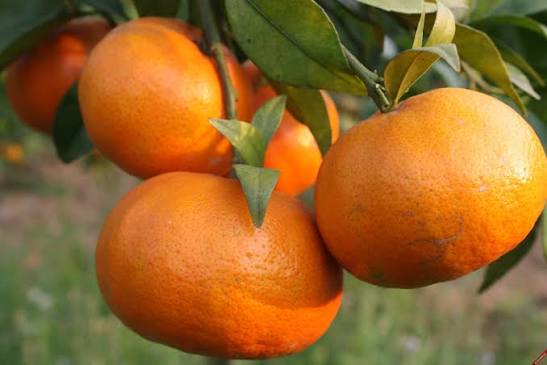
1. Oranges
Oranges are probably one of the first foods people think of when discussing immune health.
Their best-known nutrient is vitamin C, an essential vitamin involved in numerous immune functions.
Vitamin C also acts as an antioxidant and supports collagen production.
Other citrus fruits include:
-
Grapefruit
-
Tangerines
-
Lemons
-
Limes
How to Get the Most From Them
Eating whole fruit is generally preferable to drinking large quantities of juice because whole oranges retain their dietary fiber.
Try adding orange segments to yogurt, oatmeal, or salads.
And remember: vitamin C supports normal immune function, but taking enormous amounts doesn't make you immune to infections.
2. Red Bell Peppers
Here's something that surprises many people: citrus fruit isn't your only excellent source of vitamin C.
Red bell peppers can provide substantial amounts of this vitamin.
They also contain carotenoids, including beta-carotene, which the body can convert into vitamin A.
Vitamin A is important for maintaining healthy tissues, including the mucosal barriers lining areas such as the respiratory and digestive tracts.
How to Eat Them
Try bell peppers:
-
Raw with hummus
-
Roasted
-
Added to omelets
-
Mixed into salads
-
Stir-fried with other vegetables
Light cooking can make them delicious while still retaining useful nutrients.
3. Broccoli
Broccoli packs a lot of nutrition into relatively few calories.
It provides:
-
Vitamin C
-
Vitamin K
-
Folate
-
Fiber
-
Carotenoids
-
Numerous plant compounds
Fiber also supports digestive health, which matters because the gastrointestinal tract and immune system interact closely.
Cooking Tip
You don't need to eat broccoli raw.
Light steaming, roasting, or stir-frying can make it easier and more enjoyable to eat.
Avoid worrying about finding a “perfect” cooking method. Eating vegetables consistently is more important.
4. Garlic
Garlic has been used in cooking and traditional remedies for centuries.
When garlic is crushed or chopped, chemical reactions produce sulfur-containing compounds, including allicin.
Scientists have investigated garlic compounds for a range of biological effects.
However, garlic shouldn't be considered an antibiotic replacement or a guaranteed way to prevent colds.
Easy Ways to Use Garlic
Add it to:
-
Soups
-
Stir-fries
-
Roasted vegetables
-
Tomato sauces
-
Beans
-
Fish dishes
Garlic can also help make nutritious meals flavorful without relying entirely on excess salt.
5. Ginger
Ginger is another traditional ingredient with a long history of culinary and medicinal use.
It contains bioactive compounds such as gingerols.
Ginger is particularly well studied for its potential role in reducing certain types of nausea.
Claims that ginger “supercharges” immunity, however, go beyond current evidence.
How to Use It
Fresh ginger works well in:
-
Tea
-
Soups
-
Stir-fries
-
Curries
-
Oatmeal
-
Smoothies
A little goes a long way.
6. Plain Yogurt
Yogurt can provide an important combination of:
-
Protein
-
Calcium
-
Vitamin B12
-
Phosphorus
-
Live microorganisms in certain varieties
Some yogurts contain live and active cultures that may contribute to a healthy gut microbiome.
The relationship between gut microorganisms and immune function is an active area of scientific research.
Choose Wisely
Look for plain yogurt containing live cultures.
Highly flavored varieties can contain substantial amounts of added sugar.
For a naturally sweeter option, add:
-
Berries
-
Banana
-
Kiwi
-
Cinnamon
Greek yogurt is also a useful choice when you want additional protein.
7. Eggs
Eggs are inexpensive, versatile, and nutrient-dense.
They provide:
-
High-quality protein
-
Vitamin B12
-
Selenium
-
Choline
-
Vitamin A
-
Small amounts of vitamin D
Protein is particularly important because the body needs amino acids to produce antibodies, enzymes, and many components of immune cells.
Healthy Preparation Ideas
Try:
-
Boiled eggs
-
Scrambled eggs with vegetables
-
Vegetable omelets
-
Poached eggs
-
Eggs with whole-grain toast
Eggs can easily become part of a balanced breakfast rather than being eaten alone.
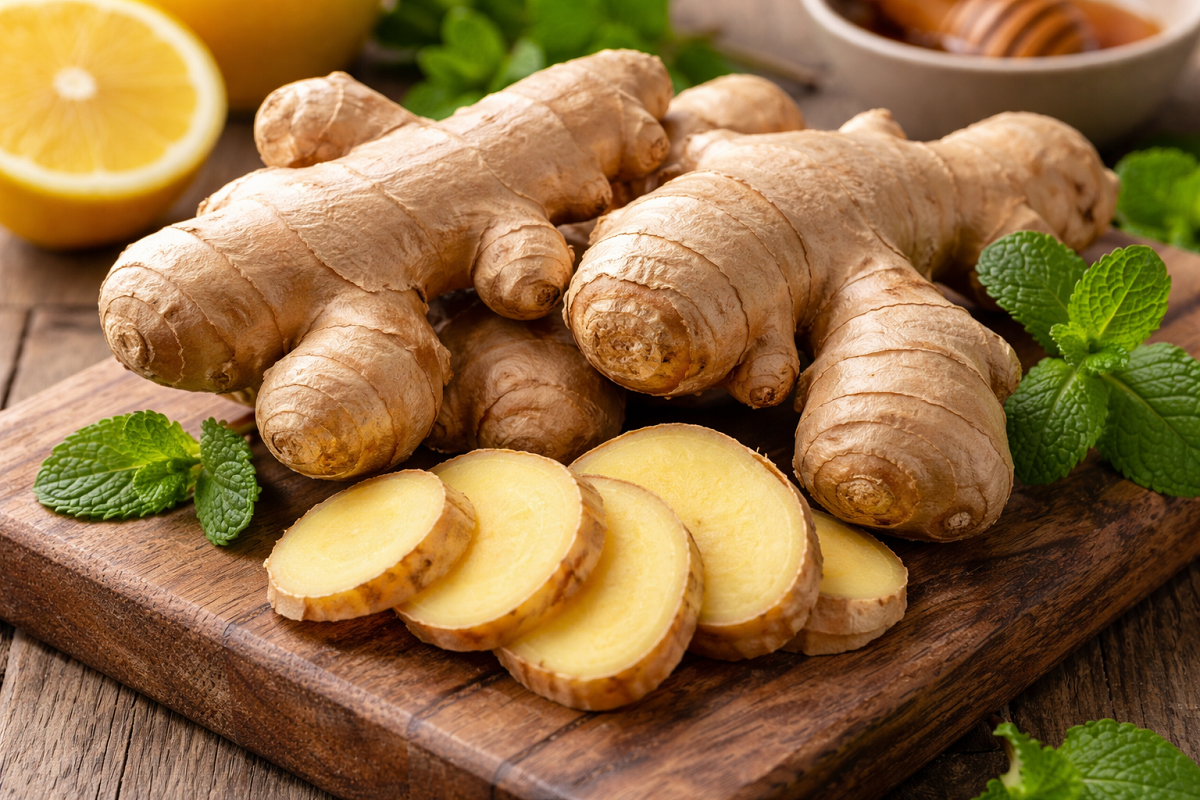
8. Salmon
Fatty fish such as salmon provides several nutrients relevant to overall health.
These include:
-
High-quality protein
-
Omega-3 fatty acids
-
Selenium
-
Vitamin B12
-
Vitamin D
Vitamin D is particularly notable because relatively few foods naturally contain substantial amounts.
Other Fatty Fish
You can also consider:
-
Sardines
-
Trout
-
Mackerel
-
Herring
Choosing different fish throughout the week can provide nutritional variety.
9. Almonds
Almonds provide vitamin E, an antioxidant nutrient involved in normal immune function.
They also contain:
-
Healthy unsaturated fats
-
Magnesium
-
Fiber
-
Plant protein
Because vitamin E is fat-soluble, dietary fat helps with its absorption—and almonds conveniently contain both.
Portion Matters
Nuts are nutrient-dense but also calorie-dense.
A small handful is generally enough for a snack.
Choose unsalted or lightly salted varieties when possible.
10. Sunflower Seeds
Sunflower seeds are another useful source of vitamin E.
They also provide:
-
Selenium
-
Magnesium
-
Healthy fats
-
Plant protein
Easy Ways to Add Them
Sprinkle sunflower seeds over:
-
Yogurt
-
Oatmeal
-
Salads
-
Soups
-
Whole-grain bowls
If you're watching sodium intake, choose unsalted versions.
11. Kiwi
Kiwi is small but nutritionally impressive.
It provides:
-
Vitamin C
-
Vitamin K
-
Folate
-
Potassium
-
Fiber
Kiwi may also support digestive regularity in some people due to its fiber and natural enzymes.
Simple Breakfast Idea
Combine sliced kiwi with:
Plain yogurt + oats + chia seeds + berries.
That creates a meal containing protein, fiber, vitamins, minerals, and beneficial plant compounds.
12. Strawberries
Strawberries provide vitamin C along with fiber and numerous polyphenols.
Other berries—including blueberries, raspberries, and blackberries—are also excellent choices.
Their colorful pigments come from plant compounds with antioxidant properties.
Fresh or Frozen?
Both can be nutritious.
Frozen berries are convenient, last longer, and may be more affordable when fresh berries aren't in season.
Choose products without added sugar when possible.
13. Spinach
Spinach provides a wide range of micronutrients, including:
-
Folate
-
Vitamin K
-
Carotenoids
-
Vitamin C
-
Magnesium
Carotenoids can be converted into vitamin A or function as antioxidant compounds depending on the specific type.
Raw or Cooked?
Both are useful.
Try spinach:
-
In salads
-
In omelets
-
Stir-fried
-
Added to soup
-
Mixed into pasta
-
Added to bean dishes
Cooking reduces the volume dramatically, making it easier to consume a larger portion.
14. Sweet Potatoes
Sweet potatoes are rich in beta-carotene, which the body can convert into vitamin A.
Vitamin A plays important roles in:
-
Vision
-
Skin health
-
Normal immune function
-
Maintaining epithelial tissues
Healthy Preparation
Try baking or roasting sweet potatoes rather than turning them into heavily fried dishes.
Pair them with protein and vegetables for a balanced meal.
15. Beans
Beans don't always appear on trendy “immunity food” lists, but nutritionally, they deserve a place.
Beans provide:
-
Plant protein
-
Fiber
-
Folate
-
Iron
-
Magnesium
-
Potassium
-
Zinc in varying amounts
Both protein and zinc are involved in normal immune function.
Try Different Varieties
Good options include:
-
Black beans
-
Kidney beans
-
Chickpeas
-
Pinto beans
-
White beans
Canned beans are convenient. Rinsing them can reduce some of the sodium.
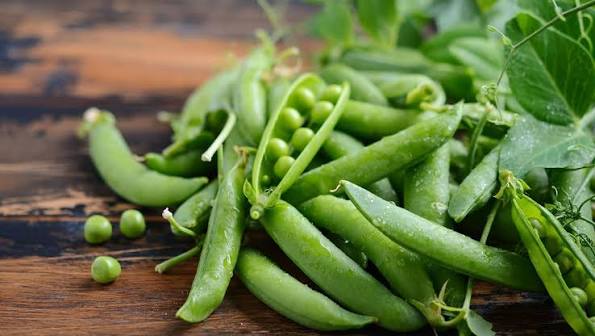
16. Lentils
Like beans, lentils are an inexpensive nutritional powerhouse.
They provide:
-
Protein
-
Fiber
-
Iron
-
Folate
-
Magnesium
-
Potassium
Iron is necessary for many biological processes, including normal immune-cell function.
Improve Plant-Iron Absorption
Iron from plant foods isn't absorbed as efficiently as iron from animal foods.
Pairing lentils with a vitamin C-rich food can improve absorption.
For example:
Lentils + tomatoes + bell peppers + lemon juice
is an excellent combination.
17. Chicken
Chicken is a convenient source of high-quality protein.
It also provides nutrients such as:
-
Vitamin B6
-
Selenium
-
Niacin
-
Phosphorus
Vitamin B6 participates in numerous metabolic reactions and is involved in normal immune function.
What About Chicken Soup?
Chicken soup isn't a cure for colds, but it can be a comforting meal when you're sick.
A homemade version containing chicken, vegetables, herbs, and broth can provide:
-
Fluids
-
Protein
-
Energy
-
Electrolytes
-
Vegetables
Just watch the sodium content of packaged broths and canned soups.
18. Oats
Oats are particularly valuable because they contain a type of soluble fiber called beta-glucan.
Beta-glucan is best known for its cholesterol-lowering properties when consumed regularly as part of a healthy diet.
Fiber also supports the gut microbiome, which interacts extensively with the immune system.
Build a Better Bowl
Instead of sugary instant oatmeal, try plain oats topped with:
-
Berries
-
Banana
-
Chia seeds
-
Walnuts
-
Plain yogurt
-
Cinnamon
This turns a simple bowl of oats into a nutrient-dense breakfast.
19. Pumpkin
Pumpkin's orange color is a clue to one of its key nutrients: beta-carotene.
It also provides:
-
Fiber
-
Potassium
-
Vitamin C
-
Various carotenoids
The body can convert beta-carotene into vitamin A as needed.
Don't Forget Pumpkin Seeds
Pumpkin seeds provide a different nutritional profile, including:
-
Zinc
-
Magnesium
-
Healthy fats
-
Protein
-
Iron
A small amount makes a nutritious topping for salads or oatmeal.
20. Mushrooms
Mushrooms provide nutrients that aren't always abundant in other vegetables.
Depending on the variety, they can provide:
-
B vitamins
-
Selenium
-
Copper
-
Fiber
-
Various bioactive compounds
Some mushrooms exposed to ultraviolet light can also contain meaningful amounts of vitamin D2.
Check the package label because vitamin D content varies considerably.
Easy Ways to Use Mushrooms
Try them:
-
Sautéed with eggs
-
Added to soup
-
Roasted
-
Mixed into pasta
-
Added to stir-fries
They're also useful for adding savory flavor to meals without excessive salt.
Why Protein Matters for Your Immune System
When people talk about immunity, they often focus exclusively on vitamin C.
But protein is just as important.
Your immune system uses amino acids to produce:
-
Antibodies
-
Enzymes
-
Signaling molecules
-
Immune cells
People who consistently consume inadequate protein may have difficulty maintaining normal immune function.
Good protein sources include:
-
Fish
-
Eggs
-
Poultry
-
Yogurt
-
Milk
-
Beans
-
Lentils
-
Tofu
-
Nuts and seeds
You don't need to consume animal products to obtain adequate protein, but plant-based diets should be appropriately planned.
Vitamin C: Important, but Not Magical
Vitamin C supports several immune functions and acts as an antioxidant.
Excellent sources include:
-
Oranges
-
Kiwi
-
Strawberries
-
Bell peppers
-
Broccoli
-
Tomatoes
However, consuming enormous amounts of vitamin C doesn't create a protective shield against viruses.
Your body needs enough—not unlimited amounts.
Once requirements are met, taking dramatically larger doses doesn't necessarily produce greater immune benefits.
Don't Forget Vitamin D
Vitamin D is involved in immune regulation as well as bone health.
Sources include:
-
Fatty fish
-
Egg yolks
-
Fortified milk
-
Fortified plant beverages
-
UV-exposed mushrooms
The body can also produce vitamin D when skin is exposed to sunlight.
However, vitamin D status varies according to factors such as geography, season, skin pigmentation, age, clothing, lifestyle, and sun exposure.
People at risk of deficiency may benefit from testing and supplementation under professional guidance.
Zinc Is Another Key Nutrient
Zinc plays an important role in immune-cell development and function.
Food sources include:
-
Meat
-
Seafood
-
Dairy
-
Beans
-
Nuts
-
Seeds
-
Whole grains
Zinc deficiency can impair immune function.
But this doesn't mean everyone should take high-dose zinc supplements.
Excessive zinc can cause nausea and, over time, contribute to copper deficiency and other problems.
Food-first approaches are appropriate for most people.
Selenium Matters Too
Selenium is an essential trace mineral involved in antioxidant defense and normal immune function.
Sources include:
-
Fish
-
Eggs
-
Poultry
-
Sunflower seeds
-
Whole grains
Brazil nuts are famously high in selenium—sometimes extremely high.
Because selenium can be harmful in excessive amounts, more isn't necessarily better.
Your Gut and Immune System Are Closely Connected
A substantial amount of immune activity occurs in and around the gastrointestinal tract.
Your gut microbiome—the enormous community of microorganisms living in the digestive system—interacts with immune cells and influences many biological processes.
A diverse diet containing plenty of plant foods can provide fibers that nourish beneficial gut microorganisms.
Good sources include:
-
Oats
-
Beans
-
Lentils
-
Fruits
-
Vegetables
-
Whole grains
-
Nuts
-
Seeds
Fermented foods such as certain yogurts may also provide live microorganisms.
Can You Really “Boost” Your Immune System?
The phrase “boost immunity” is often misleading.
A healthy immune system isn't simply one that is maximally active.
In fact, excessive or inappropriate immune activity contributes to conditions such as allergies and autoimmune diseases.
A better goal is to support normal immune function.
That means providing adequate nutrition and maintaining healthy habits rather than trying to push the immune system into overdrive.
Foods Can't Replace Vaccines or Medical Treatment
A nutritious diet is important, but it isn't a substitute for preventive medicine.
Eating oranges, garlic, broccoli, or ginger cannot replace:
-
Recommended vaccinations
-
Appropriate medical treatment
-
Antibiotics when medically necessary
-
Antiviral medications when indicated
Food supports health; it doesn't make you invulnerable to infectious disease.
What About “Immune-Boosting” Supplements?
Supplements are useful when someone has a diagnosed deficiency or another medical reason for taking them.
But taking megadoses “just in case” isn't always beneficial.
Some nutrients can become harmful in excessive amounts.
For example, excessive supplementation with certain nutrients may cause toxicity or interfere with medications.
Before taking high-dose supplements regularly, particularly if you have a medical condition or take prescription medications, speak with a healthcare professional.
A Simple Immune-Supporting Breakfast
Try:
Oatmeal Power Bowl
Combine:
-
Plain oatmeal
-
Greek yogurt
-
Strawberries
-
Kiwi
-
Chia seeds
-
Almonds
This provides:
-
Protein
-
Fiber
-
Vitamin C
-
Vitamin E
-
Healthy fats
-
Minerals
-
Beneficial plant compounds
No expensive “immunity powder” required.
A Simple Immune-Supporting Lunch
Try a lentil bowl containing:
-
Lentils
-
Spinach
-
Red bell pepper
-
Tomato
-
Avocado
-
Pumpkin seeds
-
Lemon juice
This meal provides plant protein, fiber, iron, folate, zinc, vitamin C, carotenoids, and healthy fats.
Vitamin C from the peppers and lemon may also help improve absorption of non-heme iron from the lentils.
:quality(75)/cac_loai_nam_dabd27c122.jpg)
A Simple Immune-Supporting Dinner
Try:
Salmon With Sweet Potato and Broccoli
Serve baked salmon alongside:
-
Roasted sweet potato
-
Steamed broccoli
-
Mushrooms
This meal can provide:
-
Protein
-
Omega-3 fatty acids
-
Vitamin D
-
Selenium
-
Beta-carotene
-
Vitamin C
-
Fiber
Again, the benefit comes from the overall combination rather than one miracle ingredient.
What Should You Eat When You're Sick?
When you're dealing with a cold or another mild illness, appetite may decrease.
Focus on foods that are easy to tolerate.
Options may include:
-
Soup
-
Yogurt
-
Oatmeal
-
Eggs
-
Bananas
-
Fruit
-
Rice
-
Toast
-
Cooked vegetables
Hydration is also important, particularly if you have fever, vomiting, or diarrhea.
Depending on the illness, medical treatment may still be necessary.
Hydration Is Part of the Picture
Water isn't usually described as an “immune food,” but adequate hydration supports normal physiological function.
Fluids help:
-
Maintain blood volume
-
Transport nutrients
-
Regulate temperature
-
Support kidney function
-
Keep mucous membranes hydrated
Water, milk, tea, soups, fruits, and vegetables can all contribute to daily fluid intake.
There's no need to force enormous quantities of water in an attempt to “flush out viruses.”
Sleep Matters as Much as Food
Even the most nutritious diet can't compensate for consistently poor sleep.
Sleep and immune function are closely connected.
Most adults should aim for at least seven hours of sleep per night, although individual needs vary.
Chronic sleep deprivation can affect multiple aspects of physical and mental health.
A healthy immune-supporting lifestyle therefore includes both nutritious food and adequate sleep.
Exercise Supports Overall Health
Regular physical activity supports cardiovascular health, metabolic health, sleep, and many aspects of immune function.
You don't need extreme workouts.
Activities can include:
-
Brisk walking
-
Cycling
-
Swimming
-
Resistance training
-
Hiking
-
Dancing
Consistency matters more than finding the supposedly perfect exercise.
Smoking Works Against Your Defenses
Tobacco smoke damages the respiratory system and affects immune function.
Smoking increases the risk of respiratory infections and numerous chronic diseases.
If you smoke, quitting is far more meaningful for your long-term health than adding any single “immune-boosting” food.
Don't Chase Superfoods—Build a Pattern
This may be the most important point.
You don't need to eat all 20 foods every day.
Instead, aim for dietary diversity.
One day you might eat:
-
Oats
-
Eggs
-
Spinach
-
Salmon
-
Broccoli
Another day:
-
Yogurt
-
Kiwi
-
Lentils
-
Sweet potato
-
Mushrooms
Another:
-
Whole grains
-
Beans
-
Chicken
-
Bell peppers
-
Strawberries
Different foods provide different nutrients.
Variety helps cover more nutritional bases.
The 20 Foods at a Glance
Here are the 20 everyday foods worth remembering:
1. Oranges – vitamin C
2. Red bell peppers – vitamin C and carotenoids
3. Broccoli – vitamins C and K, folate, fiber
4. Garlic – organosulfur compounds
5. Ginger – gingerols and other plant compounds
6. Plain yogurt – protein and live cultures in certain varieties
7. Eggs – protein, selenium, B12 and choline
8. Salmon – protein, omega-3s, vitamin D and selenium
9. Almonds – vitamin E and healthy fats
10. Sunflower seeds – vitamin E, selenium and magnesium
11. Kiwi – vitamin C, folate and fiber
12. Strawberries – vitamin C and polyphenols
13. Spinach – folate, carotenoids and vitamin K
14. Sweet potatoes – beta-carotene
15. Beans – protein, fiber, folate and minerals
16. Lentils – protein, iron, folate and fiber
17. Chicken – protein, vitamin B6 and selenium
18. Oats – beta-glucan fiber
19. Pumpkin – carotenoids, fiber and potassium
20. Mushrooms – B vitamins, selenium and potentially vitamin D
The Bottom Line
Your immune system doesn't need a miracle detox, expensive superfood powder, or massive doses of supplements.
It needs consistent access to adequate nutrition.
Foods such as fruits, vegetables, legumes, whole grains, nuts, seeds, eggs, yogurt, poultry, and fish provide many of the nutrients involved in normal immune function.
The 20 foods on this list aren't magical, and you don't need to eat every one of them.
Instead, use them as examples of how ordinary foods can build an extraordinarily nutritious diet.
Final Thoughts
If you want to support your immune system, think beyond the latest viral ingredient.
Start with the fundamentals:
Eat a varied diet rich in minimally processed foods. Get enough protein. Include plenty of fruits and vegetables. Choose whole grains and legumes. Incorporate healthy fats. Stay appropriately hydrated. Exercise regularly. Get sufficient sleep. Avoid smoking.
And remember that nutrition works alongside—not instead of—appropriate medical care and recommended vaccinations.
An orange won't make you immune to a virus, and garlic won't eliminate an infection overnight. But consistently providing your body with the nutrients it needs can help your immune system perform the complex job it was designed to do.
When it comes to immune health, variety, adequacy, and consistency beat any single “superfood.”