20 Foods That Can Be Risky to Eat Raw: Why Proper Cooking Matters
Some everyday foods are safer and healthier after proper cooking.
Many people believe that eating foods in their raw state preserves more nutrients. While this may be true for some fruits and vegetables, experts warn that certain foods should always be cooked properly to reduce the risk of harmful bacteria, natural toxins, or compounds that can interfere with nutrient absorption.
Here are 20 common foods that are generally considered safer—or even healthier—when cooked.
1. Eggs
Raw eggs may contain Salmonella bacteria. Thorough cooking helps destroy harmful microorganisms and significantly reduces the risk of foodborne illness.
2. Beef, Pork, and Chicken
Raw or undercooked meat can contain dangerous bacteria and parasites. Each type of meat should be cooked to an appropriate internal temperature to ensure food safety.
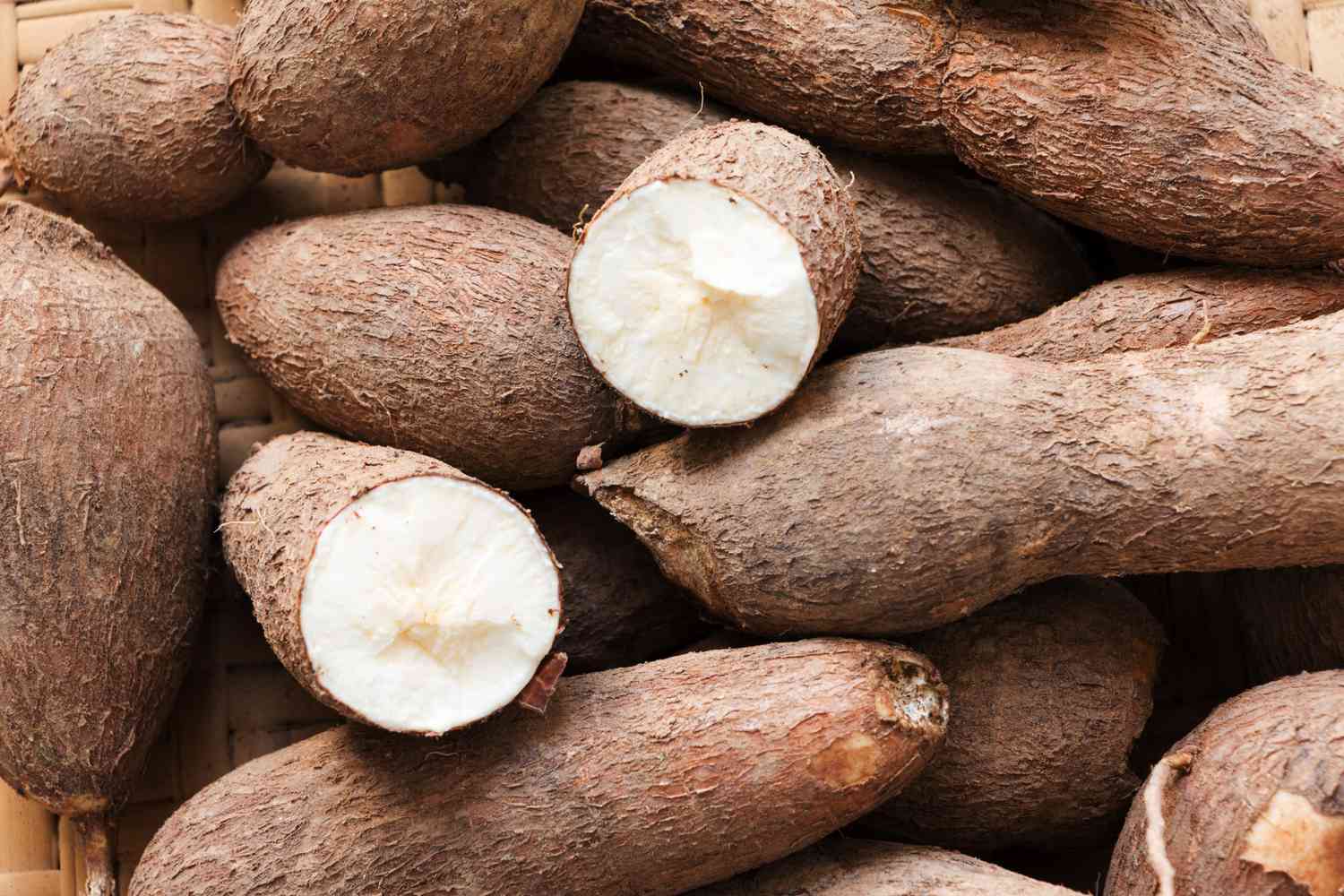
3. Cassava
Cassava naturally contains compounds that can release cyanide if not properly prepared. Peeling and cooking greatly reduce these naturally occurring toxins.
4. Eggplant
Raw eggplant contains small amounts of natural compounds such as solanine. Although the levels are usually low, cooking improves flavor and digestibility.
5. Sprouts
Bean sprouts and other sprouts can harbor bacteria because they grow in warm, humid conditions. Cooking lowers the risk of foodborne illness, especially for pregnant women, young children, older adults, and people with weakened immune systems.
6. Almonds
Certain varieties of raw almonds naturally contain compounds that can produce cyanide. Commercial almonds sold in many countries are processed to meet food safety standards, but roasting remains a popular preparation method.
7. Raw Milk
Unpasteurized milk may contain harmful bacteria. Pasteurization helps eliminate disease-causing microorganisms while maintaining most nutritional value.
8. Raw Honey
Raw honey may contain spores of Clostridium botulinum. Although harmless to most healthy adults, it should never be given to infants under one year of age.
9. Raw Flour
Flour is not a ready-to-eat product. It may contain bacteria introduced during harvesting or processing, making raw cookie dough or batter a potential food safety risk.
10. Green Beans
Raw green beans contain lectins that may cause digestive discomfort in some people. Cooking reduces these compounds and improves digestibility.
11. Broccoli
Light steaming can make broccoli easier to digest while preserving many beneficial plant compounds.
12. Asparagus
Cooking softens the fibers and may increase the availability of certain antioxidants.
13. Kale
Light cooking can reduce compounds that interfere with iodine absorption while making the leaves easier to digest.
14. Chinese Cabbage
Cooking softens the texture and improves digestibility without significantly reducing its nutritional benefits.
15. Spinach
Steaming spinach can help reduce oxalates, allowing the body to absorb more calcium and iron.
16. Zucchini
Cooking zucchini softens its texture and may improve the availability of some antioxidants.
17. Tomatoes
Heat breaks down cell walls, making lycopene—a powerful antioxidant—more available for absorption.
18. Mushrooms
Many edible mushrooms are safer and easier to digest after cooking, which also enhances their flavor.
19. Potatoes
Raw potatoes contain resistant starch and naturally occurring glycoalkaloids. Cooking improves taste, digestibility, and safety.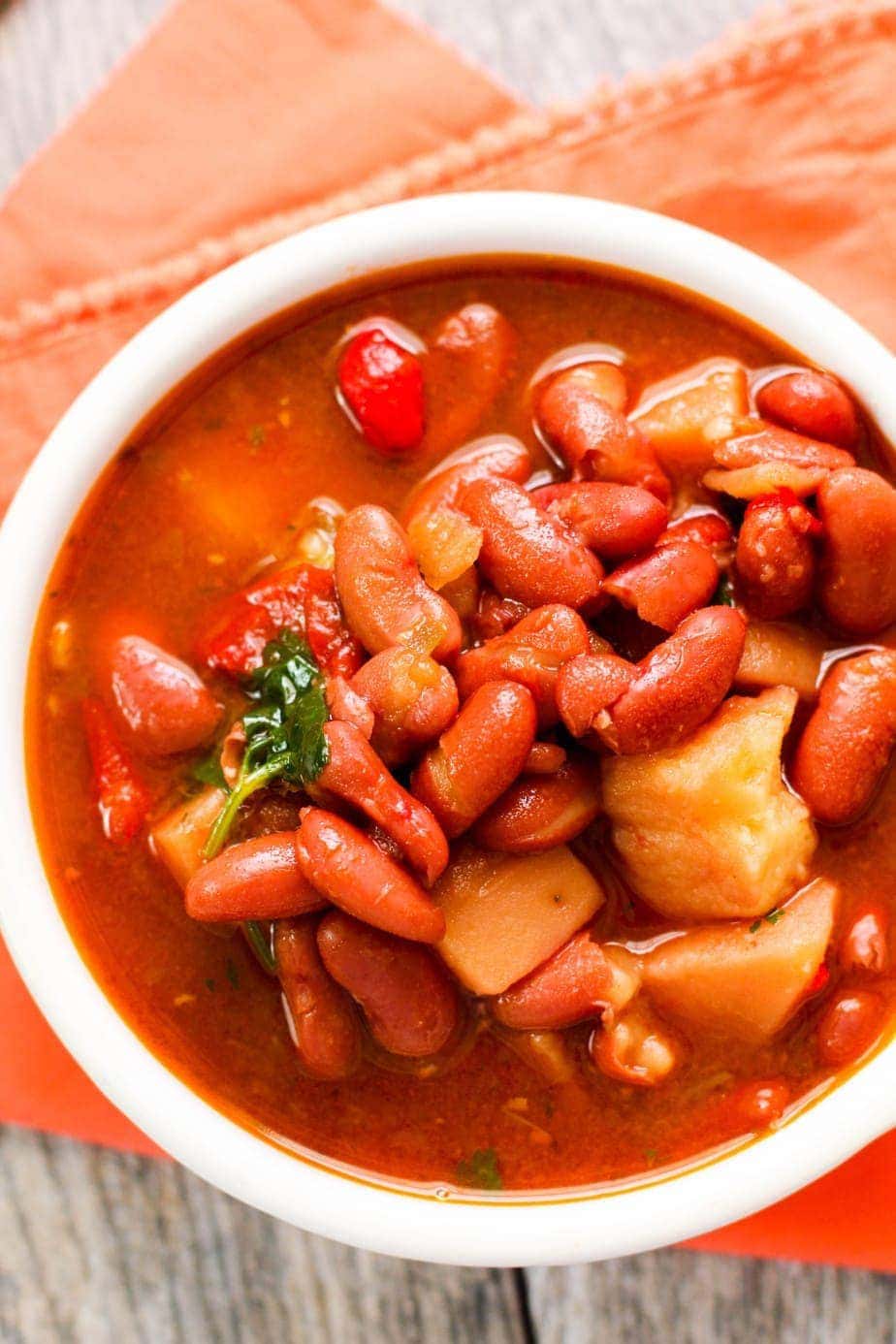
20. Kidney Beans
Raw or undercooked kidney beans contain phytohaemagglutinin, a natural toxin that can cause severe digestive symptoms. Proper boiling effectively destroys this toxin.
Cook Smart, Eat Safe
While many fruits and vegetables can be enjoyed raw, some foods become significantly safer, tastier, or more nutritious after cooking. Proper food preparation not only improves flavor but also helps reduce the risk of foodborne illness.
The key is balance. A varied diet that includes both raw and cooked foods can provide the greatest nutritional benefits while minimizing potential health risks.