Many people ignore unusual symptoms because they assume they are caused by stress, aging, lack of sleep, or temporary illness. While that may sometimes be true, persistent or unexplained changes in the body deserve attention. Certain symptoms can be early indicators of conditions that become more difficult to treat when diagnosis is delayed.
Early detection does not mean assuming the worst whenever something feels unusual. It means recognizing changes, understanding when they may be significant, and seeking appropriate medical advice rather than waiting indefinitely.
Heart disease, stroke, diabetes, kidney disorders, infections, and several types of cancer can develop with symptoms that are initially mild or easily overlooked. In some cases, screening tests can identify problems before noticeable symptoms appear.
Here are 20 important warning signs you should never ignore, along with explanations of what they may indicate and when you should seek medical attention.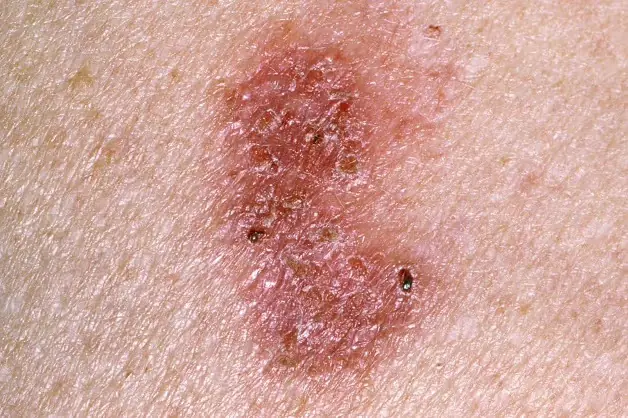
1. Persistent or Unexplained Chest Pain
Chest pain is one of the most important symptoms to take seriously, particularly when it appears unexpectedly or feels different from anything you have experienced before.
Some people describe heart-related chest discomfort as pressure, squeezing, tightness, heaviness, or fullness rather than sharp pain. The discomfort may occur in the center of the chest, last several minutes, disappear, and return later.
It may also spread to the shoulders, arms, back, neck, jaw, or upper abdomen.
Although chest discomfort can result from acid reflux, muscle strain, anxiety, or other less dangerous conditions, it can also signal reduced blood flow to the heart or a heart attack.
One dangerous misconception is that heart attacks always cause unbearable pain. In reality, symptoms can begin gradually and may initially feel like mild indigestion or unusual pressure.
Women, older adults, and people with diabetes may experience less typical symptoms, including nausea, unusual fatigue, back discomfort, or shortness of breath.
When to seek help: New, unexplained chest pressure or pain, especially when accompanied by sweating, nausea, dizziness, or breathlessness, requires emergency medical attention. Do not wait to see whether it disappears.
2. Sudden Shortness of Breath
Feeling breathless after intense exercise or climbing several flights of stairs can be normal. However, becoming unexpectedly short of breath during ordinary activities—or while resting—should never be dismissed.
Shortness of breath may be associated with asthma, respiratory infections, anemia, heart failure, blood clots in the lungs, or other cardiovascular and pulmonary conditions.
Pay attention if you notice that activities you previously performed comfortably now leave you struggling to breathe. You may also experience breathlessness when lying flat, wake up suddenly at night gasping for air, or feel unable to take a satisfying breath.
These changes can indicate that your heart or lungs are not functioning as effectively as they should.
Some people gradually adapt to reduced exercise tolerance and assume they are simply becoming less fit. However, a persistent decline in breathing capacity deserves medical evaluation.
When to seek help: Severe or sudden breathing difficulty, especially with chest pain, fainting, confusion, or blue or gray lips, is a medical emergency.
3. Sudden Weakness or Numbness on One Side of the Body
Sudden weakness or numbness affecting one side of the face, arm, or leg is a major warning sign of a possible stroke.
A stroke occurs when blood flow to part of the brain is interrupted or when a blood vessel in the brain ruptures. Without sufficient oxygen, brain cells can become damaged rapidly.
Symptoms may include:
-
One side of the face suddenly drooping.
-
Difficulty lifting or controlling one arm.
-
Numbness or weakness on one side of the body.
-
Sudden difficulty walking or maintaining balance.
-
Confusion or trouble understanding speech.
An easy way to remember several common stroke symptoms is the FAST method:
-
F – Face: Does one side of the face droop when smiling?
-
A – Arms: Does one arm drift downward when both arms are raised?
-
S – Speech: Is speech slurred, unusual, or difficult to understand?
-
T – Time: Call emergency medical services immediately.
Other symptoms can include sudden vision problems, dizziness, loss of coordination, and an unusually severe headache.
Even if these symptoms disappear after a few minutes, they may indicate a transient ischemic attack, sometimes called a mini-stroke. This can be an important warning that a more serious stroke may follow.
When to seek help: Treat sudden stroke-like symptoms as an emergency, even if they improve or disappear. Note the time symptoms began and do not drive yourself to the hospital.
4. A Sudden, Severe, or Unusual Headache
Headaches are common, and most are not caused by life-threatening conditions. However, a headache that appears suddenly and reaches extreme intensity may indicate a serious medical emergency.
A particularly concerning pattern is a headache that feels like the worst headache of your life and reaches maximum intensity within seconds or minutes.
Possible causes include bleeding around the brain, certain blood vessel disorders, or other neurological emergencies.
Other warning signs include:
-
A new headache accompanied by weakness or numbness.
-
Headache with confusion or difficulty speaking.
-
Headache with fever and a stiff neck.
-
Headache following a head injury.
-
A progressively worsening headache that is different from your usual pattern.
-
A new headache associated with vision changes.
People with a history of migraines may sometimes experience severe headaches without an emergency condition. However, a sudden change in the usual pattern should not automatically be attributed to migraine.