Your kidneys are remarkable organs that work around the clock to keep your body healthy. Every day, they filter waste products from your blood, regulate fluid balance, help control blood pressure, maintain healthy electrolyte levels, and produce hormones involved in red blood cell production and bone health.
One of the challenges of kidney disease is that it often develops silently. In the early stages, many people experience few or no noticeable symptoms. When symptoms do appear, they are often subtle and may be mistaken for other health conditions.
It's important to remember that none of the symptoms listed below are specific to kidney disease. Many can have other causes, and having one or more symptoms does not necessarily mean you have a kidney problem. However, persistent or worsening symptoms—especially in people with diabetes, high blood pressure, or a family history of kidney disease—deserve medical evaluation.
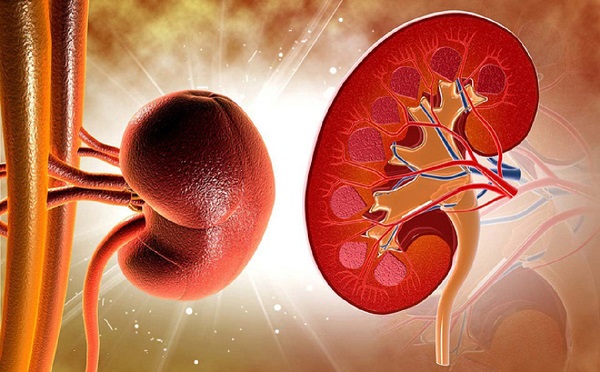
Why Are Healthy Kidneys So Important?
Your kidneys perform many essential functions, including:
-
Filtering waste products from the blood
-
Removing excess water
-
Maintaining electrolyte balance
-
Regulating blood pressure
-
Supporting healthy red blood cell production
-
Activating vitamin D for bone health
-
Helping maintain acid-base balance
When kidney function declines, these processes can be affected, leading to a variety of symptoms.
Who Is at Higher Risk of Kidney Disease?
Certain factors increase the risk of developing kidney disease, including:
-
Diabetes
-
High blood pressure
-
Heart disease
-
Obesity
-
Smoking
-
Older age
-
Family history of kidney disease
-
Autoimmune diseases
-
Recurrent kidney infections
-
Long-term use of certain medications, such as some pain relievers (NSAIDs)
People in these groups may benefit from regular kidney health screening as recommended by their healthcare provider.
1. Changes in Urination
One of the earliest possible signs involves changes in urination.
You may notice:
-
Urinating more often
-
Urinating less than usual
-
Increased nighttime urination
-
Difficulty urinating
-
Reduced urine output
These changes can also result from urinary tract disorders, prostate conditions, medications, or other illnesses.
2. Foamy or Frothy Urine
Persistent foamy urine may sometimes indicate excess protein in the urine (proteinuria).
Proteinuria can be a sign of kidney damage, but it requires laboratory testing for confirmation.
Occasional bubbles that disappear quickly are usually not a cause for concern.
3. Blood in the Urine
Blood in the urine may appear:
-
Pink
-
Red
-
Brown
-
Tea-colored
Possible causes include:
-
Kidney disease
-
Kidney stones
-
Urinary tract infections
-
Certain medications
-
Bladder disorders
Blood in the urine should always be evaluated by a healthcare professional.
4. Swelling (Edema)
When kidneys do not remove excess fluid effectively, swelling may develop in the:
-
Feet
-
Ankles
-
Legs
-
Hands
-
Face
-
Around the eyes
Edema has many possible causes, including heart, liver, or venous conditions.
5. Persistent Fatigue
Healthy kidneys produce erythropoietin, a hormone that stimulates red blood cell production.
Reduced kidney function may contribute to anemia, which can cause:
-
Fatigue
-
Weakness
-
Reduced exercise tolerance
Fatigue is common and has many potential causes beyond kidney disease.
6. Difficulty Concentrating
Waste products that accumulate in the blood when kidney function declines may contribute to:
-
Trouble concentrating
-
Memory difficulties
-
Mental fog
These symptoms are non-specific and may have numerous other explanations.
7. Persistent Itching
Generalized itching can occur in advanced kidney disease, possibly because of changes in mineral balance, dry skin, or waste product accumulation.
However, itchy skin is far more commonly caused by allergies, eczema, dry skin, or other dermatologic conditions.

8. Dry Skin
Healthy kidneys help regulate mineral and fluid balance.
Chronic kidney disease may contribute to dry skin in some individuals, although dry skin has many other common causes.
9. Muscle Cramps
Electrolyte imbalances involving:
-
Calcium
-
Potassium
-
Magnesium
-
Sodium
may contribute to muscle cramps in some people with kidney disease.
10. Puffiness Around the Eyes
Persistent puffiness, especially in the morning, may sometimes be associated with protein loss in the urine.
More commonly, however, puffiness is related to allergies, lack of sleep, aging, or fluid retention from other causes.
11. Loss of Appetite
As kidney disease progresses, some people experience:
-
Reduced appetite
-
Feeling full quickly
-
Unintentional weight loss
These symptoms are not specific to kidney disease.
12. Nausea
Accumulation of waste products in advanced kidney disease may contribute to nausea.
Many digestive disorders can also cause nausea.
13. Vomiting
Vomiting may occur in more advanced kidney disease but is not usually an early symptom.
Persistent vomiting requires prompt medical evaluation regardless of the cause.
14. Metallic Taste in the Mouth
Some individuals with advanced kidney disease report:
-
A metallic taste
-
Food tasting different than usual
This symptom may contribute to poor appetite.
15. Bad Breath
Waste product accumulation may contribute to unpleasant breath in advanced kidney disease.
However, dental disease remains one of the most common causes of bad breath.
16. Shortness of Breath
Kidney disease may contribute to shortness of breath through:
-
Fluid overload
-
Anemia
-
Heart-related complications
Shortness of breath can also signal serious heart or lung disease and should never be ignored.
17. High Blood Pressure
The kidneys help regulate blood pressure.
High blood pressure can both:
-
Cause kidney disease
-
Result from kidney disease
This creates a cycle in which each condition can worsen the other.
18. Persistent Back or Side Pain
Pain near the kidneys may occur with conditions such as:
-
Kidney stones
-
Kidney infections
-
Certain structural kidney disorders
Most ordinary lower back pain comes from muscles or the spine rather than the kidneys.
19. Difficulty Sleeping
People with chronic kidney disease sometimes experience poor sleep quality due to:
-
Restless legs syndrome
-
Itching
-
Muscle cramps
-
Sleep apnea
Good sleep hygiene remains important for everyone.
20. Unexplained Weight Loss
Unintentional weight loss should always be evaluated.
While kidney disease can contribute, many other medical conditions—including thyroid disease, infections, digestive disorders, and cancer—may also be responsible.
21. Persistent Weakness
Weakness may result from:
-
Anemia
-
Electrolyte imbalance
-
Chronic illness
-
Poor nutrition
Medical evaluation is recommended if weakness is persistent.
22. Confusion or Drowsiness
In severe kidney failure, toxin buildup may affect brain function.
This can lead to:
-
Confusion
-
Drowsiness
-
Difficulty staying alert
These symptoms require urgent medical attention.
23. Chest Pain
In advanced kidney disease, inflammation around the heart (pericarditis) or fluid accumulation may contribute to chest pain.
Chest pain is a medical emergency until proven otherwise and should receive immediate evaluation.
How Is Kidney Disease Diagnosed?
Symptoms alone cannot diagnose kidney disease.
Healthcare providers commonly use:
Blood Tests
These include:
-
Creatinine
-
Estimated glomerular filtration rate (eGFR)
-
Blood urea nitrogen (BUN)
These tests help assess how well the kidneys are filtering blood.
Urine Tests
Urine testing may detect:
-
Protein (albumin)
-
Blood
-
Infection
-
Other abnormalities
A urine albumin-to-creatinine ratio (uACR) is commonly used to identify early kidney damage.
Imaging Tests
Depending on the situation, your healthcare provider may recommend:
-
Ultrasound
-
CT scan
-
MRI
These tests can identify structural abnormalities, kidney stones, or blockages.
How Can You Help Protect Your Kidneys?
Healthy lifestyle habits can reduce the risk of kidney disease and help slow progression if disease is already present.
Helpful habits include:
-
Control blood pressure.
-
Manage diabetes carefully.
-
Stay physically active.
-
Maintain a healthy weight.
-
Avoid smoking.
-
Limit excess salt intake.
-
Stay adequately hydrated.
-
Avoid unnecessary or excessive use of NSAID pain relievers unless advised by your healthcare provider.
-
Follow prescribed medications as directed.
-
Have regular medical checkups if you are at increased risk.
Common Myths About Kidney Disease
Myth 1: Kidney Disease Always Causes Pain
False.
Many people with chronic kidney disease have no pain, especially in the early stages.
Myth 2: If You Urinate Normally, Your Kidneys Must Be Healthy
False.
People with early chronic kidney disease often produce normal amounts of urine despite reduced kidney function.
Myth 3: Drinking More Water Can Cure Kidney Disease
False.
Adequate hydration supports general health, but drinking excessive amounts of water does not reverse kidney disease.
Myth 4: Kidney Disease Only Affects Older Adults
False.
Although the risk increases with age, kidney disease can occur at any age, especially in people with diabetes, hypertension, inherited disorders, or autoimmune diseases.
When Should You Seek Medical Care?
Arrange a medical evaluation if you experience:
-
Persistent swelling
-
Blood in the urine
-
Foamy urine that continues
-
Ongoing changes in urination
-
High blood pressure that is difficult to control
-
Unexplained fatigue lasting several weeks
Seek emergency medical care immediately if you develop:
-
Severe chest pain
-
Difficulty breathing
-
Confusion
-
Loss of consciousness
-
Inability to urinate combined with severe pain or swelling
Final Thoughts
Kidney disease is often called a "silent" condition because it may develop for years without obvious symptoms. By the time noticeable signs such as swelling, persistent fatigue, changes in urination, or nausea appear, kidney function may already be significantly affected. However, these symptoms are not unique to kidney disease and can result from many other medical conditions.
The most reliable way to evaluate kidney health is through appropriate medical testing, including blood tests (such as creatinine and eGFR) and urine tests (such as the urine albumin-to-creatinine ratio). If you have risk factors like diabetes, high blood pressure, or a family history of kidney disease, regular screening and early treatment can help protect kidney function and reduce the risk of complications.