The Hidden Dangers of Misusing a Thermos Cup: What You Should Know Before Using One Every Day
A reusable insulated cup or thermos has become an everyday essential for millions of people. It keeps coffee hot during a long commute, preserves cold water throughout the day, and makes it easy to carry drinks wherever you go.
Because these containers are so common, it is easy to assume they are completely risk-free.
But a thermos cup is only as safe as the way it is used and maintained.
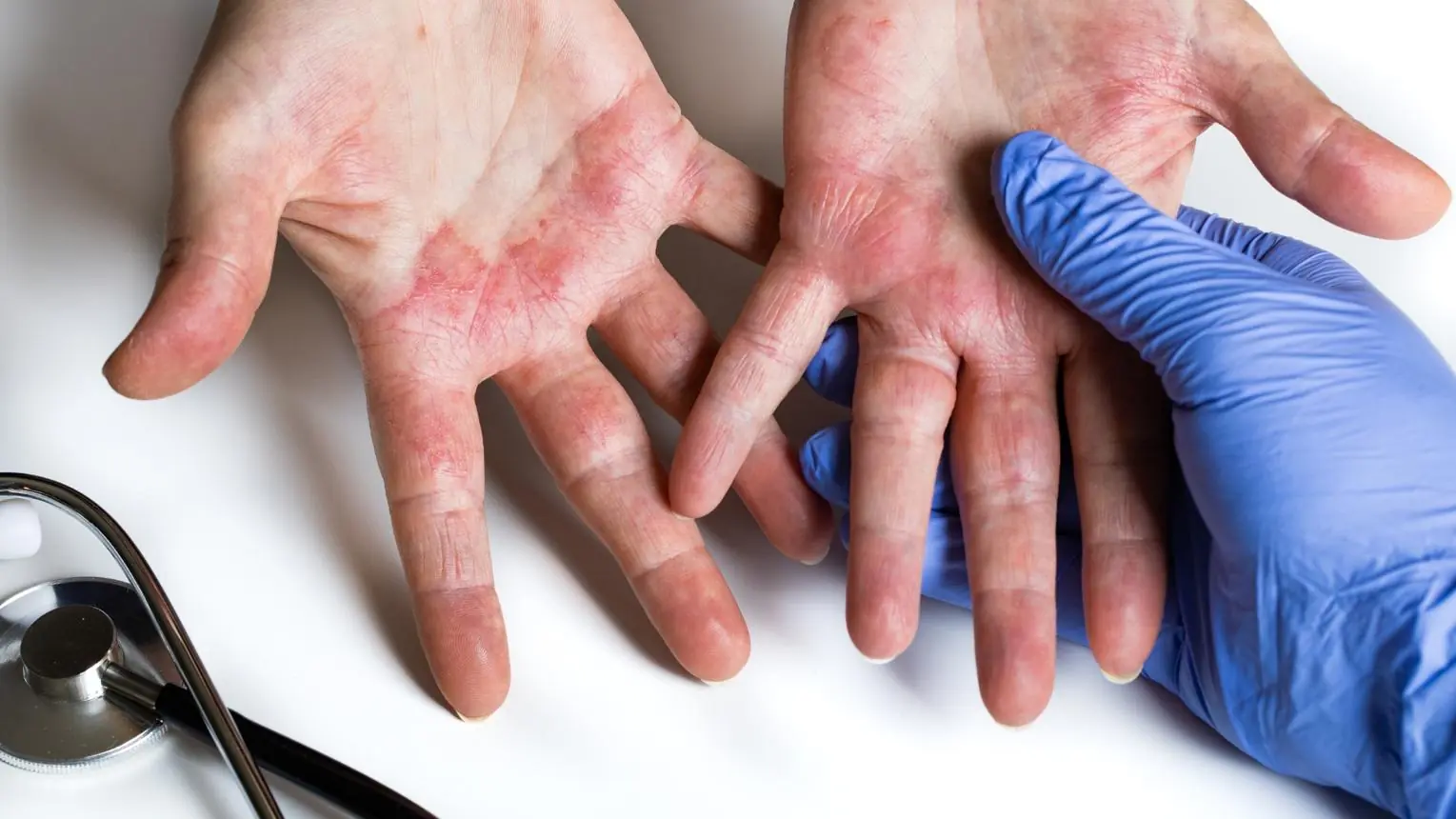
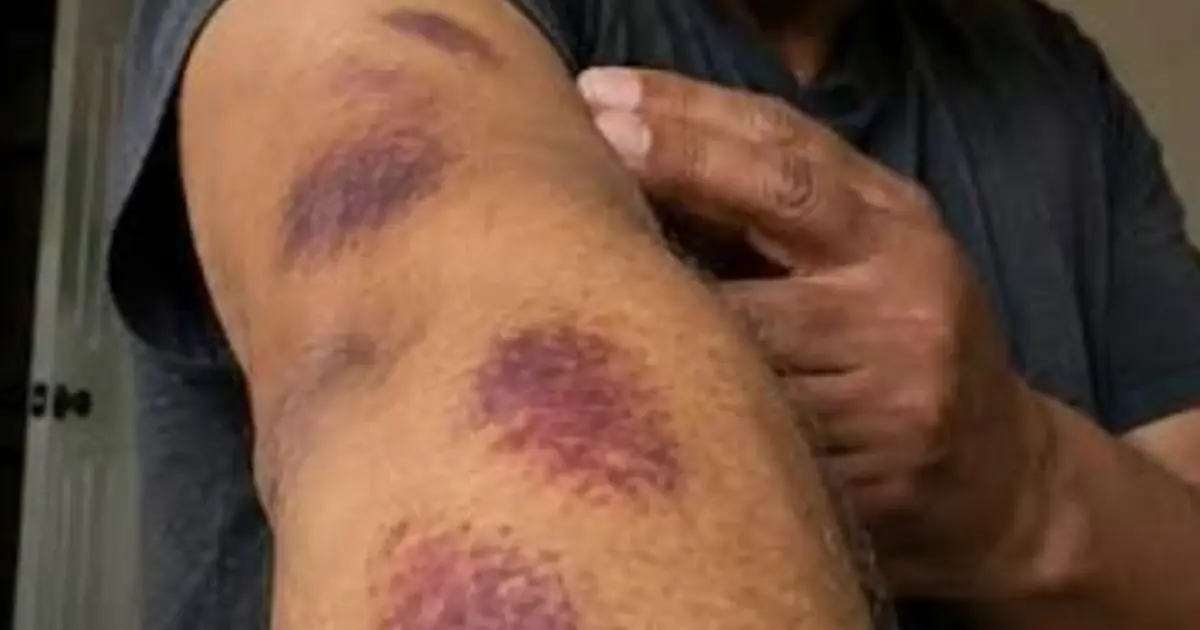
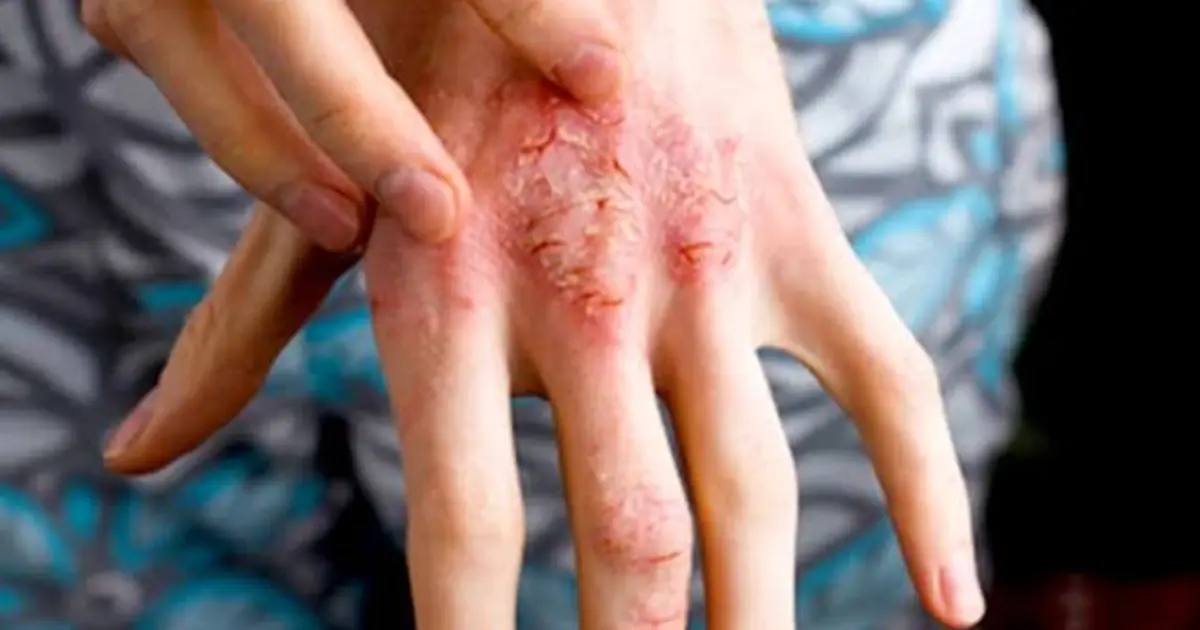
The dramatic image above claims that a 25-year-old woman died after misusing a thermos cup and warns of a hidden danger that most people supposedly do not know about. Stories like this can be frightening, but they should be interpreted carefully. A properly manufactured and correctly used thermos does not ordinarily cause sudden death. Serious injuries or illness can occur when insulated containers are misused, damaged, contaminated, or filled with inappropriate liquids.
Understanding the actual risks can help you use your cup safely without unnecessary fear.
1. Hot Liquid Can Cause Serious Burns
One of the most obvious hazards is also one of the easiest to overlook.
A thermos is designed to keep liquids hot for a long time. That means a drink that was poured several hours earlier may still be hot enough to cause significant burns.
Unlike an ordinary cup of coffee that gradually cools, an insulated bottle can maintain a high temperature for hours.
If the lid is opened suddenly, the drink is shaken, or the bottle tips over, hot liquid can splash onto the hands, face, chest, or legs.
Children are particularly vulnerable to scald injuries.
Never assume that a drink is safe to consume simply because it has been sitting inside a thermos for several hours.
Open the lid carefully and check the temperature before drinking.
2. Pressure Can Build Up Inside a Sealed Container
Another potential hazard involves pressure.
Certain beverages can release gas over time. Fermented drinks, carbonated beverages, or liquids containing microorganisms may produce carbon dioxide.
If such a drink is placed inside a tightly sealed container, the gas has nowhere to escape.
Pressure can increase inside the bottle.
When the lid is suddenly opened, the contents may spray outward or the cap may release forcefully.
This is one reason manufacturers commonly warn against storing carbonated or fermenting beverages in sealed insulated containers unless the product is specifically designed for that purpose.
A thermos is not automatically suitable for every type of drink.
Always follow the manufacturer's instructions regarding compatible beverages.
3. Milk-Based Drinks Require Extra Care
Coffee, tea, and plain water are common choices for insulated bottles.
Milk-based beverages are different.
If milk or another perishable drink remains at an unsafe temperature for an extended period, bacteria can multiply.
The thermos may keep the drink warm, but keeping something warm is not the same as keeping it microbiologically safe.
This is especially important for drinks containing milk, cream, protein powders, or other perishable ingredients.
A beverage that tastes fine may still contain harmful bacteria.
If you are unsure how long a perishable drink has been stored or whether it remained at a safe temperature, the safest choice is to discard it.
4. A Dirty Thermos Can Become a Microbial Environment
Many people wash the bottle quickly but neglect the lid.
That can be a problem.
Thermos lids often contain:
-
Silicone seals
-
Small grooves
-
Drinking spouts
-
Threads
-
Hidden chambers
-
Rubber gaskets
These areas can retain moisture and beverage residue.
Over time, bacteria, yeast, and mold can grow if the components are not cleaned and dried properly.
A bottle may look clean on the outside while the inside of its lid contains buildup that is difficult to see.
For this reason, cleaning the bottle itself is not enough.
The lid, gasket, straw, and other removable components should also be cleaned according to the manufacturer's instructions.
5. Some Drinks Can Damage the Interior
Not every beverage is ideal for long-term storage in every type of thermos.
Highly acidic liquids, salty drinks, or beverages containing certain ingredients may interact with some materials or coatings, particularly if the container is poorly manufactured or damaged.
Examples may include:
Highly acidic juices
Certain sports drinks
Carbonated beverages
Very salty liquids
The risk depends heavily on the material used to make the container.
High-quality stainless-steel bottles are generally designed for food contact, but consumers should still follow the manufacturer's recommendations.
If the interior coating is scratched, peeling, rusting, or visibly damaged, the container should be inspected or replaced.
6. Never Ignore a Damaged Seal
The rubber or silicone seal inside a thermos lid plays an important role in preventing leakage.
When the seal becomes damaged, cracked, loose, or contaminated, the bottle may no longer function properly.
A damaged seal can allow liquid to leak and can also create additional spaces where residue accumulates.
If the lid no longer closes correctly, don't continue using the bottle as though nothing has changed.
Replacement lids and seals are often available from manufacturers.
7. Be Careful With Very Hot Drinks
There is another issue that has nothing to do with bacteria or chemicals: temperature itself.
Drinking extremely hot beverages regularly can burn the mouth and throat.
A thermos makes it easier to forget how hot the liquid actually is because the beverage remains hot much longer than expected.
Allow drinks to cool to a comfortable temperature before drinking them.
If you have to blow repeatedly on the beverage or take tiny sips because it feels extremely hot, it probably needs more time to cool.
8. Avoid Storing Drinks for Excessively Long Periods
A thermos is designed for temporary storage—not indefinite preservation.
Even if the bottle keeps a beverage hot or cold, that does not mean the contents remain safe forever.
The longer a drink is stored, the more important proper temperature control, cleanliness, and the type of beverage become.
Water is generally much less problematic than milk, protein shakes, fresh juice, or other perishable beverages.
When in doubt, follow the manufacturer's storage recommendations and use fresh beverages rather than keeping old drinks inside the bottle overnight.
9. Don't Assume “Stainless Steel” Means Indestructible
Stainless steel is durable, but a stainless-steel thermos still needs proper care.
Repeated impacts can cause dents or damage to the vacuum structure.
Scratches, corrosion, damaged coatings, or deteriorating seals may also affect performance.
Inspect your bottle periodically.
If you notice rust, unusual odors, cracks, peeling material, damaged seals, or unexplained changes in the bottle's condition, consider replacing it.
A relatively inexpensive replacement is not worth risking your health.
10. Choose a Reliable Product
One of the most important safety decisions happens before you even use the thermos.
Choose products from reputable manufacturers and purchase them from trustworthy retailers.
Look for information about:
Food-contact safety
Materials used
Temperature limits
Cleaning instructions
Compatible beverages
Replacement parts
Be particularly cautious with products that have no clear manufacturer information or safety instructions.
How to Use a Thermos More Safely
A few simple habits can significantly reduce the potential risks.
Wash the bottle after each use.
Disassemble and clean the lid and gasket.
Allow all components to dry thoroughly before reassembling.
Avoid storing unsuitable carbonated or fermenting drinks in sealed containers.
Be cautious with milk and other perishable beverages.
Do not drink liquids that are dangerously hot.
Inspect the bottle regularly for damage.
Replace worn seals and damaged containers.
And most importantly, follow the instructions provided by the manufacturer.
The Bottom Line
The frightening claim in the image should not be interpreted as meaning that thermos cups are inherently dangerous.
A properly designed and correctly maintained thermos is generally a convenient and safe way to store beverages.
The real risks come from misuse: storing inappropriate drinks, allowing perishable beverages to remain in unsafe conditions, failing to clean hidden components, drinking extremely hot liquids, or using a damaged container.
A thermos keeps temperature stable—but it does not magically make food or beverages sterile.
Heat retention is not the same thing as food preservation.
The safest approach is simple: use the container for its intended purpose, clean it thoroughly, avoid inappropriate beverages, check the temperature before drinking, and replace damaged parts.
A reusable cup can be an excellent everyday tool. Just remember that even something as ordinary as a thermos deserves proper hygiene, careful handling, and a little common sense.