At just 28 years old, most people aren't thinking seriously about long-term damage to their teeth or digestive system.
They may assume that problems associated with aging - such as significant enamel erosion, persistent reflux, or chronic irritation are still decades away.
But one young woman's experience is a reminder that age doesn't necessarily protect you from the effects of everyday habits.
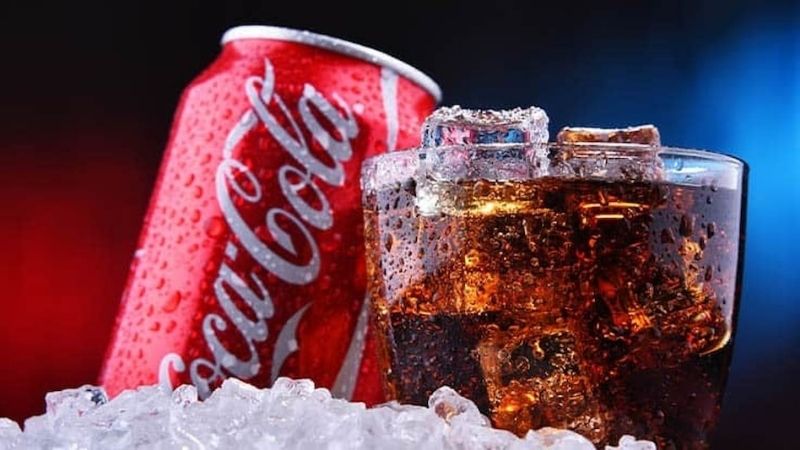
A drink that millions of people consume regularly can contain acids that, when consumed frequently, may contribute to dental erosion. In some circumstances, acidic beverages may also aggravate symptoms associated with acid reflux.
That doesn't mean one particular drink will cause severe damage in everyone who consumes it. The risk depends on factors such as frequency, quantity, acidity, drinking habits, saliva production, oral hygiene, and an individual's underlying health.
So what exactly happens when teeth and the upper digestive tract are repeatedly exposed to acid?
And what can you do to reduce the risk without giving up every beverage you enjoy?
What Is Acid Erosion?
When people hear the phrase “acid erosion,” they may immediately think of stomach acid.
But there are actually several different types of acid-related damage.
One of the most common is dental erosion, which occurs when acids gradually wear away tooth enamel.
Enamel is the hard outer layer that protects your teeth.
Unlike some other tissues in the body, enamel cannot simply grow back once it has been permanently lost.
Acids can come from two major sources:
Intrinsic acids
These come from inside the body, particularly stomach acid that reaches the mouth through conditions such as frequent acid reflux or repeated vomiting.
Extrinsic acids
These come from foods and drinks, including acidic beverages and certain fruits.
When exposure is frequent or prolonged, these acids can soften the enamel surface and contribute to gradual mineral loss.
Why Some Popular Drinks Are So Acidic
Many beverages contain acids to create a particular flavor or to help preserve the product.
Common examples include:
-
Carbonated soft drinks
-
Energy drinks
-
Sports drinks
-
Some fruit juices
-
Flavored sparkling beverages
-
Certain iced teas
-
Some acidic coffee or fruit-based drinks
The problem isn't necessarily that these drinks are inherently “toxic.”
The issue is how often your teeth are exposed to acid and how long that exposure lasts.
Someone who drinks an acidic beverage quickly with a meal has a different exposure pattern from someone who continuously sips the same drink for several hours.
That distinction can matter.
The Frequency of Exposure May Be More Important Than You Think
Imagine drinking an acidic beverage at breakfast and finishing it within 10 minutes.
Now imagine taking small sips from the same bottle every few minutes throughout the morning.
The second habit repeatedly exposes the mouth to an acidic environment.
Saliva normally helps neutralize acids and restore minerals to the tooth surface.
But saliva needs time to do its job.
Repeated acid attacks can give the mouth less opportunity to recover between exposures.
This is one reason dental professionals often recommend reducing the frequency and duration of acidic drink consumption rather than focusing only on the total amount.
What Does Tooth Erosion Feel Like?
Early enamel erosion may not cause obvious pain.
That's part of the problem.
You may not realize anything is happening until the damage becomes more noticeable.
Possible signs include:
Increased sensitivity
Cold water, hot drinks, sweet foods, or acidic foods may suddenly cause sharp discomfort.
Teeth appearing more yellow
As enamel becomes thinner, the naturally yellower dentin underneath can become more visible.
Changes in tooth shape
The edges or surfaces of teeth may gradually become smoother, thinner, or more rounded.
Small cracks or rough areas
Advanced erosion can change the texture and appearance of the teeth.
Greater sensitivity during brushing
Some people notice discomfort when brushing or eating.
These symptoms aren't specific to acid erosion, however. Tooth decay, gum problems, grinding, and other dental conditions can cause similar symptoms.
That's why persistent sensitivity deserves a professional examination.
What About “Acid Damage Up to the Throat”?
This phrase can be misleading if taken literally.
Acid exposure can affect the throat and esophagus in people with gastroesophageal reflux disease (GERD) or other reflux conditions.
Normally, the lower esophageal sphincter helps keep stomach contents from moving backward into the esophagus.
When reflux occurs repeatedly, stomach acid and other stomach contents can irritate the esophageal lining.
Some people experience classic heartburn.
Others may experience:
-
Sour taste
-
Regurgitation
-
Burning sensation
-
Chronic cough
-
Hoarseness
-
Throat irritation
-
Difficulty swallowing
-
A sensation of something stuck in the throat
Some people with reflux don't experience obvious heartburn at all.
However, it's important not to automatically blame an acidic beverage for every throat symptom.
Persistent throat discomfort can have many causes, including allergies, infections, voice strain, medications, smoking, environmental irritation, and other medical conditions.
Can an Acidic Drink Cause Severe Throat Damage?
An acidic beverage can contribute to irritation, especially with frequent exposure, but a dramatic claim that one drink alone “burned through” someone's throat should be treated cautiously.
The esophagus is exposed to stomach acid during reflux, and repeated reflux can cause inflammation and, in some cases, complications.
But severe esophageal injury usually requires proper medical evaluation.
If someone experiences persistent swallowing difficulty, severe chest pain, vomiting blood, black stools, unexplained weight loss, or significant worsening symptoms, they should seek medical attention rather than trying to treat the problem with dietary changes alone.
Why Young People Aren't Automatically Protected
Being 28 doesn't make someone immune to dental erosion or reflux.
Several factors can increase risk at any age.
These include:
-
Frequent consumption of acidic drinks
-
Repeated snacking or sipping
-
Frequent acid reflux
-
Eating disorders involving recurrent vomiting
-
Certain medications
-
Dry mouth
-
Reduced saliva production
-
Poor dental hygiene
-
Teeth grinding
-
High intake of acidic foods
-
Smoking
-
Certain medical conditions
Genetics and individual differences also matter.
Two people can consume similar amounts of the same beverage and experience very different outcomes.
Sugar and Acid Are Two Separate Concerns
Another common misconception is that the problem is simply sugar.
Sugar can contribute to tooth decay because oral bacteria use fermentable carbohydrates to produce acids.
But even a sugar-free acidic beverage can still contribute to enamel erosion because the beverage itself may have a low pH.
So switching from a sugary soda to a sugar-free acidic drink may reduce one concern—added sugar—but it doesn't necessarily eliminate the potential issue of acid exposure.
That's why the acidity of the drink and the way you consume it both matter.
Does Using a Straw Help?
It can, depending on how you use it.
A straw positioned toward the back of the mouth may reduce direct contact between an acidic beverage and the front surfaces of the teeth.
But a straw isn't a magic shield.
Acid can still contact other teeth and oral tissues.
It's better considered one small strategy rather than a complete solution.
Don't Brush Your Teeth Immediately After Acidic Drinks
This may sound surprising.
Acid can temporarily soften the surface of tooth enamel.
Brushing aggressively immediately afterward may increase mechanical wear on that softened surface.
Instead, consider:
Rinse your mouth with water after consuming an acidic drink and wait before brushing.
Your dentist can advise you on the best timing based on your individual circumstances.
When you do brush, use a soft-bristled toothbrush and fluoride toothpaste.
Fluoride helps strengthen and protect enamel and is an important part of preventing tooth decay.
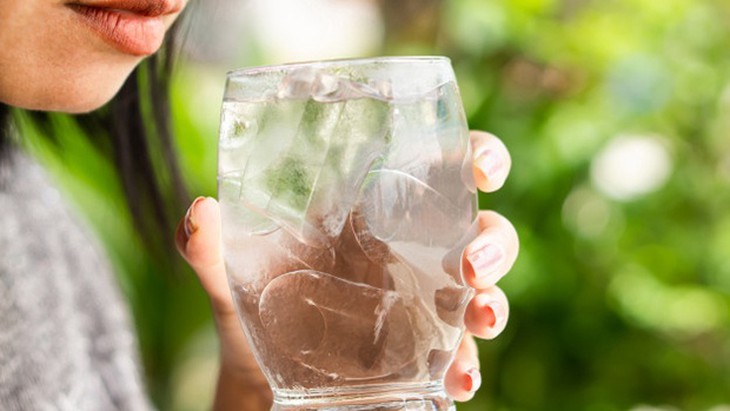
Water Is Your Simplest Alternative
If you're thirsty, plain water is generally the simplest beverage for protecting your teeth.
Water doesn't expose your teeth to the same acids found in many soft drinks, energy drinks, and fruit beverages.
It also helps wash away food particles and supports normal saliva function.
You don't necessarily have to eliminate every acidic drink from your life.
Instead, consider making water your default beverage and treating highly acidic drinks as occasional choices rather than something you sip continuously throughout the day.
What About Sparkling Water?
This question comes up frequently.
Plain sparkling water is generally much less concerning than sugary soft drinks, but carbonation can make water mildly acidic.
For most people, occasional plain sparkling water is unlikely to be a major dental problem.
However, flavored sparkling waters may contain additional acids, and frequent consumption can increase acid exposure.
If you drink sparkling water regularly, check the ingredients and avoid sipping acidic beverages continuously over long periods.
What About Lemon Water?
Lemon water is often promoted as a healthy morning ritual.
Lemon itself is nutritious, but lemon juice is highly acidic.
Drinking strongly concentrated lemon water repeatedly throughout the day can increase exposure to acid.
If you enjoy it, consider diluting it well and drinking it with a meal rather than constantly sipping it.
And don't assume that because something is natural, it cannot affect tooth enamel.
Natural acids are still acids.
A Few Simple Habits Can Reduce Acid Exposure
You don't need to completely overhaul your lifestyle.
Consider these practical habits:
Drink acidic beverages in a shorter period
Avoid carrying one drink around and sipping it continuously for hours.
Use a straw when practical
This may reduce direct contact with teeth.
Drink water afterward
A few sips can help clear the mouth.
Don't swish acidic drinks around your mouth
Keeping an acidic beverage in contact with your teeth increases exposure.
Wait before brushing
Give your enamel time to recover after an acidic drink.
Use fluoride toothpaste
Regular fluoride toothpaste is an important part of protecting teeth.
Visit your dentist
Regular examinations can identify enamel wear before it becomes severe.
Pay Attention to Reflux Symptoms
If you're experiencing frequent heartburn, sour taste, regurgitation, chronic cough, hoarseness, or persistent throat irritation, don't simply assume that changing beverages will solve the problem.
Reflux can have multiple causes.
Lifestyle measures that may help some people include:
-
Avoiding large meals before lying down
-
Identifying foods that consistently trigger symptoms
-
Maintaining a healthy weight when appropriate
-
Limiting alcohol if it worsens symptoms
-
Avoiding smoking
-
Following medical advice if reflux has been diagnosed
If symptoms are frequent or persistent, speak with a healthcare professional.
Some people require medication or further evaluation.
When Should You See a Doctor or Dentist?
Occasional sensitivity after an acidic meal doesn't necessarily indicate serious disease.
But certain symptoms should not be ignored.
See a dentist if you notice:
-
Increasing tooth sensitivity
-
Visible changes in tooth shape
-
Persistent discoloration
-
Chipped or worn teeth
-
Pain when eating or drinking
-
Significant enamel wear
See a healthcare professional for persistent reflux or throat symptoms, particularly if you experience:
-
Difficulty or pain when swallowing
-
Food feeling stuck
-
Persistent vomiting
-
Unexplained weight loss
-
Vomiting blood
-
Black or tarry stools
-
Persistent chest pain
-
Severe or worsening symptoms
Severe chest pain, difficulty breathing, vomiting blood, or signs of significant bleeding require urgent medical attention.
The Bigger Lesson Isn't “Never Drink It Again”
Stories about young people developing serious health problems can be frightening.
But the lesson shouldn't be that one popular beverage is secretly dangerous for everyone.
Health risks usually depend on dose, frequency, individual susceptibility, and the broader context of a person's habits.
An occasional acidic drink is very different from consuming large amounts every day while constantly sipping it between meals.
And severe dental or digestive problems may have multiple contributing factors.
Instead of searching for one villain, focus on the habits you can actually control.
Final Thoughts
A 28-year-old experiencing significant acid-related damage is a reminder that some everyday habits deserve more attention than we give them.
Acidic beverages can contribute to dental enamel erosion, particularly when consumed frequently or in ways that prolong contact with the teeth. Acid reflux can also expose the esophagus and throat to stomach acid and cause irritation.
But that doesn't mean everyone who drinks soda, energy drinks, juice, coffee, or sparkling beverages will develop severe damage.
The smarter approach is moderation and awareness.
Choose water more often. Avoid constantly sipping acidic drinks. Use fluoride toothpaste. Rinse with water after acidic beverages. Wait before brushing. Pay attention to persistent sensitivity or reflux symptoms.
Most importantly, don't let a frightening headline replace professional medical advice.
Your favorite drink doesn't necessarily have to disappear from your life.
Sometimes, the biggest difference comes from how often you drink it, how long you sip it, and what you do afterward.