Beware: These 3 Vegetables May Raise Your Cancer Risk If Eaten Too Often — When Prepared or Stored Improperly
Vegetables are essential for good health and are strongly associated with a lower risk of many chronic diseases, including cancer. However, health experts warn that certain vegetables may increase cancer risk when consumed too frequently under specific conditions, such as improper storage, excessive pickling, or high-temperature cooking.
It is important to clarify: vegetables themselves do not cause cancer. The risk comes from how they are grown, preserved, processed, or cooked, not from the vegetables in their fresh, natural form.
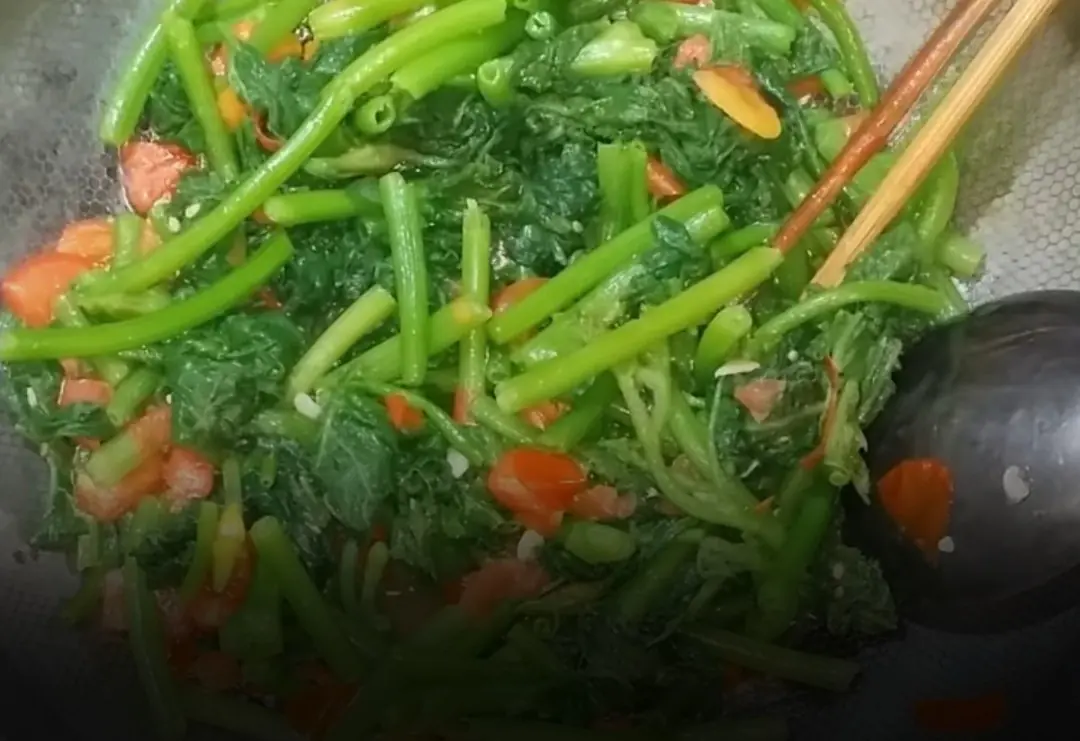
Why “Healthy Foods” Can Sometimes Become Risky
Some vegetables contain natural compounds that are harmless — or even beneficial — when eaten fresh and in moderation. Problems arise when:
-
Vegetables are stored for long periods
-
They are preserved with high salt or chemicals
-
They are cooked at extremely high temperatures
-
They are contaminated with pesticides or mold
Long-term exposure to these factors may increase the risk of cellular damage over time.
1. Pickled and Salt-Preserved Vegetables
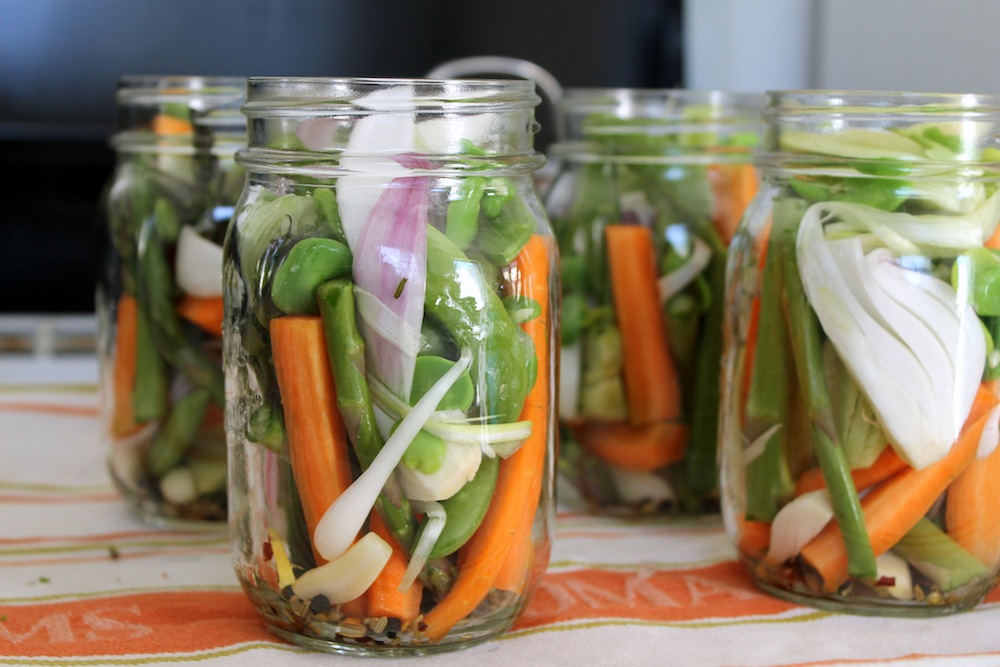
Pickled vegetables are popular in many cuisines, but frequent consumption of heavily salted or fermented vegetables has been linked to a higher risk of certain digestive cancers, particularly stomach cancer.
Why They Can Be Risky
-
High salt damages the stomach lining
-
Salt enhances the effect of carcinogens
-
Fermentation can produce nitrosamines, which are potentially cancer-causing compounds
This risk is especially significant when pickled vegetables are eaten daily over many years.
Healthier Approach
-
Limit pickled vegetables to occasional consumption
-
Choose low-salt or naturally fermented options
-
Balance meals with fresh vegetables
2. Vegetables Stored Improperly for Long Periods
Leafy greens and root vegetables that are stored too long or under poor conditions may accumulate harmful substances.
Potential Risks
-
Nitrate-rich vegetables (such as spinach or leafy greens) can convert into nitrites when stored improperly
-
Nitrites may form nitrosamines inside the body
-
Mold growth on vegetables can produce mycotoxins, which are known carcinogens
Vegetables that look slimy, smell unusual, or show dark spots should never be eaten.
Healthier Approach
-
Consume vegetables while fresh
-
Store leafy greens in cool, dry conditions
-
Discard vegetables that show signs of spoilage
3. Vegetables Cooked at Very High Temperatures
Cooking vegetables is generally healthy, but extreme heat methods such as deep-frying or charring can produce harmful compounds.
Why High Heat Is a Problem
-
High temperatures can destroy antioxidants
-
Charring may create polycyclic aromatic hydrocarbons (PAHs)
-
Overheating oils used with vegetables can form toxic byproducts
These compounds have been associated with increased cancer risk when consumed regularly over long periods.
Healthier Approach
-
Steam, boil, sauté lightly, or stir-fry at moderate temperatures
-
Avoid burning or blackening vegetables
-
Use healthy cooking oils with high smoke points
What the Science Actually Says
Large population studies consistently show that people who eat more vegetables overall have lower cancer rates. The concern lies not in vegetables themselves, but in:
-
Excessive salt
-
Chemical contamination
-
Poor storage
-
Aggressive cooking techniques
Moderation and proper preparation are the key factors.
Who Should Be Extra Cautious?
Certain individuals may be more sensitive to these risks:
-
People with chronic stomach conditions
-
Those with a family history of gastric or digestive cancers
-
Individuals who consume preserved foods daily
-
People exposed to poor food storage conditions
For these groups, dietary balance is especially important.
How to Eat Vegetables Safely and Protect Your Health
To maximize benefits and minimize risks:
-
Eat a wide variety of vegetables
-
Prioritize fresh and seasonal produce
-
Wash vegetables thoroughly
-
Store food properly
-
Avoid excessive salt and extreme heat
-
Balance preserved foods with fresh ones
No single food determines cancer risk — long-term dietary patterns do.
Important Reminder
No vegetable is inherently dangerous. Cancer risk comes from excess, imbalance, and poor food practices, not from eating vegetables responsibly.
Fear-based avoidance can lead to worse health outcomes than informed moderation.

Final Thoughts
Vegetables remain one of the most powerful tools for cancer prevention when eaten fresh, prepared properly, and consumed in balance.
The real danger is not the vegetable —
it’s how often, how much, and how it’s handled.
Eat wisely, store carefully, cook gently, and enjoy vegetables as part of a healthy, balanced lifestyle.
Knowledge protects health — not fear.