High blood pressure, also known as hypertension, is one of the most common health concerns worldwide. Often called a “silent condition,” it may develop gradually over many years without obvious symptoms while quietly affecting the heart, blood vessels, kidneys, and brain.
Although medications are sometimes necessary, lifestyle habits remain one of the most important tools for supporting healthy blood pressure. Along with regular exercise, stress management, sleep, and balanced nutrition, certain beverages may also help support cardiovascular wellness when included as part of a healthy lifestyle.
Heart specialists often emphasize that no drink can magically “cure” hypertension. However, some beverages contain nutrients, antioxidants, or plant compounds that may help support circulation, blood vessel flexibility, hydration, and overall cardiovascular function.
Here are three drinks that heart experts commonly discuss for their potential role in maintaining healthier blood pressure levels.

Why Blood Pressure Matters
Blood pressure measures the force of blood pushing against artery walls.
When pressure remains too high for long periods, it may strain:
- The heart
- Blood vessels
- Kidneys
- Brain
- Eyes
Uncontrolled hypertension may increase the risk of:
- Heart disease
- Stroke
- Kidney damage
- Heart failure
- Vision problems
Because symptoms are often absent, regular monitoring is important.
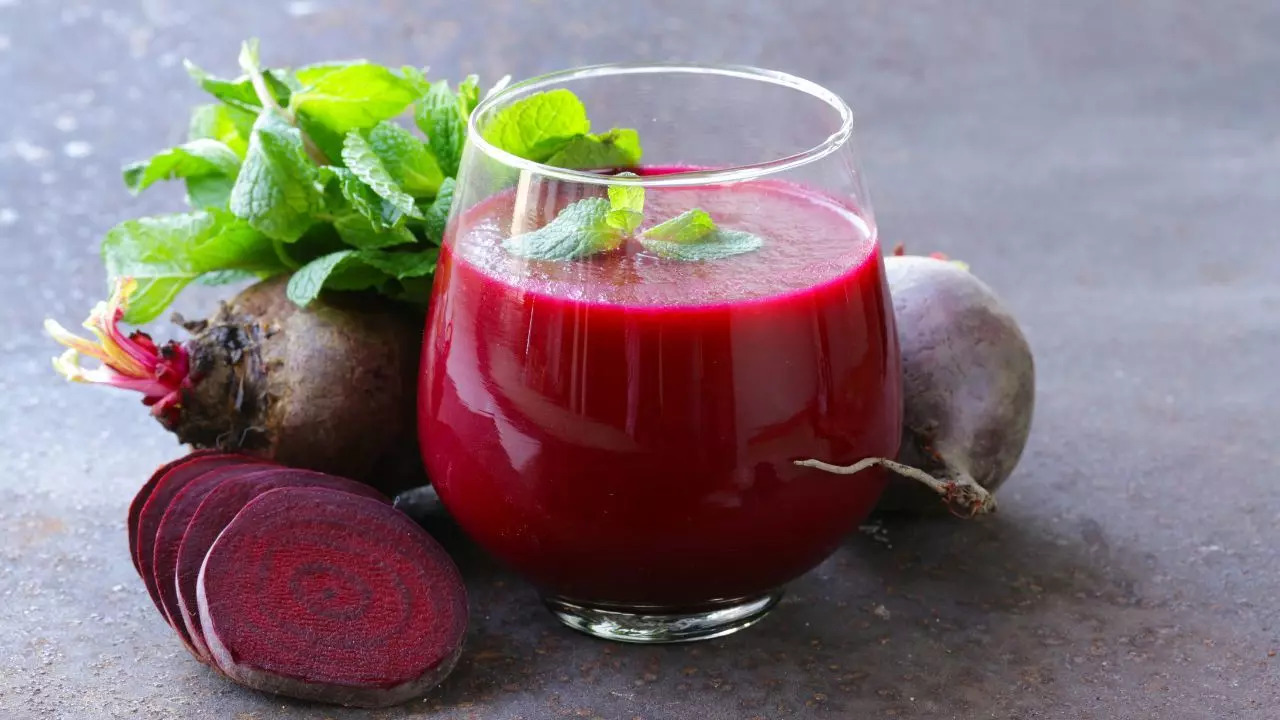
1. Beetroot Juice
Beetroot juice has become one of the most researched beverages related to circulation and blood pressure support.
Beets naturally contain:
- Dietary nitrates
- Antioxidants
- Potassium
- Fiber
The body converts dietary nitrates into nitric oxide, a compound that helps relax and widen blood vessels.
This may support:
- Improved circulation
- Better blood flow
- Reduced vascular resistance
Some studies suggest beetroot juice may temporarily help support healthy blood pressure levels in certain individuals.
How Beetroot Juice May Support Circulation
Nitric oxide plays an important role in vascular function.
Healthy nitric oxide production may help:
- Relax blood vessels
- Improve oxygen delivery
- Support endothelial function
Endothelial cells line the inside of blood vessels and help regulate circulation.
Poor endothelial function is associated with hypertension and cardiovascular disease.
Other Benefits of Beets
In addition to nitrates, beets provide:
- Vitamin C
- Folate
- Manganese
- Plant antioxidants
These nutrients may help support:
- Cellular health
- Inflammation balance
- Overall cardiovascular wellness
Some athletes also use beetroot juice to support exercise performance due to its circulation effects.
Important Considerations About Beetroot Juice
Beet juice is not appropriate for everyone in large amounts.
Possible considerations include:
- High natural sugar content
- Kidney stone concerns in susceptible individuals
- Temporary red or pink urine discoloration
Moderation and medical guidance remain important.
2. Hibiscus Tea
Hibiscus tea is another beverage frequently discussed in cardiovascular health research.
Made from dried hibiscus flowers, this herbal tea contains:
- Antioxidants
- Polyphenols
- Plant compounds associated with vascular support
Some studies suggest hibiscus tea may help support:
- Blood vessel relaxation
- Healthy circulation
- Blood pressure balance
The tea is naturally caffeine-free, making it a popular option for people limiting stimulants.
Why Antioxidants Matter for Blood Vessels
Oxidative stress may contribute to:
- Blood vessel stiffness
- Inflammation
- Cardiovascular strain
Antioxidants help neutralize unstable molecules called free radicals.
Plant-based drinks rich in antioxidants may help support vascular function over time.
Additional Benefits of Hibiscus Tea
People often enjoy hibiscus tea because of its:
- Refreshing flavor
- Deep red color
- Low calorie content
It may also support:
- Hydration
- Relaxation
- Reduced sugary drink intake
Replacing high-sugar beverages with unsweetened herbal tea may indirectly support cardiovascular health.

Important Considerations About Hibiscus Tea
Hibiscus tea may interact with:
- Blood pressure medications
- Diabetes medications
- Certain liver-metabolized drugs
People with medical conditions should discuss major dietary changes with healthcare professionals.
3. Pomegranate Juice
Pomegranate juice is rich in antioxidants and plant compounds that may support cardiovascular function.
Pomegranates contain:
- Polyphenols
- Potassium
- Vitamin C
- Antioxidant compounds
Researchers have studied pomegranate juice for its possible role in:
- Supporting blood vessel health
- Reducing oxidative stress
- Promoting healthy circulation
Some evidence suggests it may help support healthy blood pressure as part of balanced nutrition.
The Role of Polyphenols in Heart Health
Polyphenols are plant compounds associated with:
- Antioxidant effects
- Inflammation balance
- Blood vessel protection
Diets rich in colorful fruits and vegetables may help support long-term cardiovascular wellness.
Pomegranate is often highlighted because of its especially high antioxidant content.
Why Hydration Matters for Blood Pressure
Proper hydration plays a significant role in circulation and cardiovascular function.
Dehydration may affect:
- Blood volume
- Heart workload
- Blood pressure stability
Many people underestimate the importance of simple hydration habits.
Water remains one of the most important beverages for overall health.
Drinks That May Negatively Affect Blood Pressure
Some beverages may contribute to elevated blood pressure when consumed excessively.
Examples include:
- Sugary sodas
- Excess alcohol
- Highly caffeinated energy drinks
- Sweetened processed beverages
High sugar intake may contribute to:
- Weight gain
- Insulin resistance
- Inflammation
- Metabolic dysfunction
All of these factors may affect blood pressure.
Lifestyle Habits Matter More Than One Drink
Cardiologists consistently emphasize that no single drink can replace healthy lifestyle habits.
Long-term blood pressure support usually depends on:
- Balanced nutrition
- Regular exercise
- Healthy weight
- Stress management
- Sleep quality
- Avoiding smoking
Beverages may support health, but overall lifestyle patterns matter most.
The Importance of Potassium
Potassium is one of the key minerals involved in blood pressure regulation.
Potassium helps:
- Balance sodium
- Relax blood vessels
- Support healthy muscle and nerve function
Foods and drinks rich in potassium may support cardiovascular health when consumed appropriately.
Exercise and Blood Pressure
Physical activity remains one of the most effective non-medication strategies for supporting healthy blood pressure.
Exercise may help:
- Improve circulation
- Reduce arterial stiffness
- Improve insulin sensitivity
- Lower stress hormones
Even moderate daily walking may support heart health.
Stress and Hypertension
Chronic stress may contribute to:
- Elevated heart rate
- Blood vessel tightening
- Hormonal imbalance
Relaxation practices such as:
- Meditation
- Deep breathing
- Yoga
- Spending time outdoors
may help support overall cardiovascular wellness.
Sleep and Heart Health
Poor sleep is increasingly recognized as a major contributor to hypertension.
Sleep deprivation may affect:
- Hormones
- Inflammation
- Circulation
- Blood pressure regulation
Consistent healthy sleep supports heart recovery and vascular function.
The Importance of Medical Monitoring
People with high blood pressure should not rely solely on dietary changes without proper medical care.
Regular monitoring may help:
- Detect hypertension early
- Track progress
- Prevent complications
Some individuals may still require medication despite healthy lifestyle habits.
When to Seek Medical Attention
Medical evaluation is important if symptoms include:
- Chest pain
- Severe headaches
- Shortness of breath
- Dizziness
- Vision changes
- Extremely high blood pressure readings
Hypertension can become dangerous if left uncontrolled.
Final Thoughts
Beetroot juice, hibiscus tea, and pomegranate juice are among the beverages heart experts often discuss for their potential role in supporting healthy blood pressure and cardiovascular wellness. These drinks contain nutrients and plant compounds that may help support circulation, vascular flexibility, and overall heart health when combined with balanced lifestyle habits.
At the same time, no beverage alone can replace the importance of:
- Healthy nutrition
- Physical activity
- Stress management
- Proper sleep
- Regular medical care
Long-term heart health is usually built through consistent daily habits that support the body’s circulation system over time.