Leg cramps after exercise can happen suddenly. One moment you're finishing a workout, going for a run, or playing a sport, and the next, a calf or thigh muscle tightens into a painful knot.
For some people, the discomfort disappears within seconds or minutes. For others, soreness and muscle fatigue can linger long after the workout is over.
Hydration is an important part of recovery, particularly after prolonged or intense exercise. But water isn't the only option. Depending on how much you sweat and how long you exercise, drinks containing fluids, carbohydrates, and electrolytes such as sodium and potassium may help replace what your body has lost.
Here are three practical drink choices to consider after exercise, along with what they can—and cannot—do for muscle cramps.
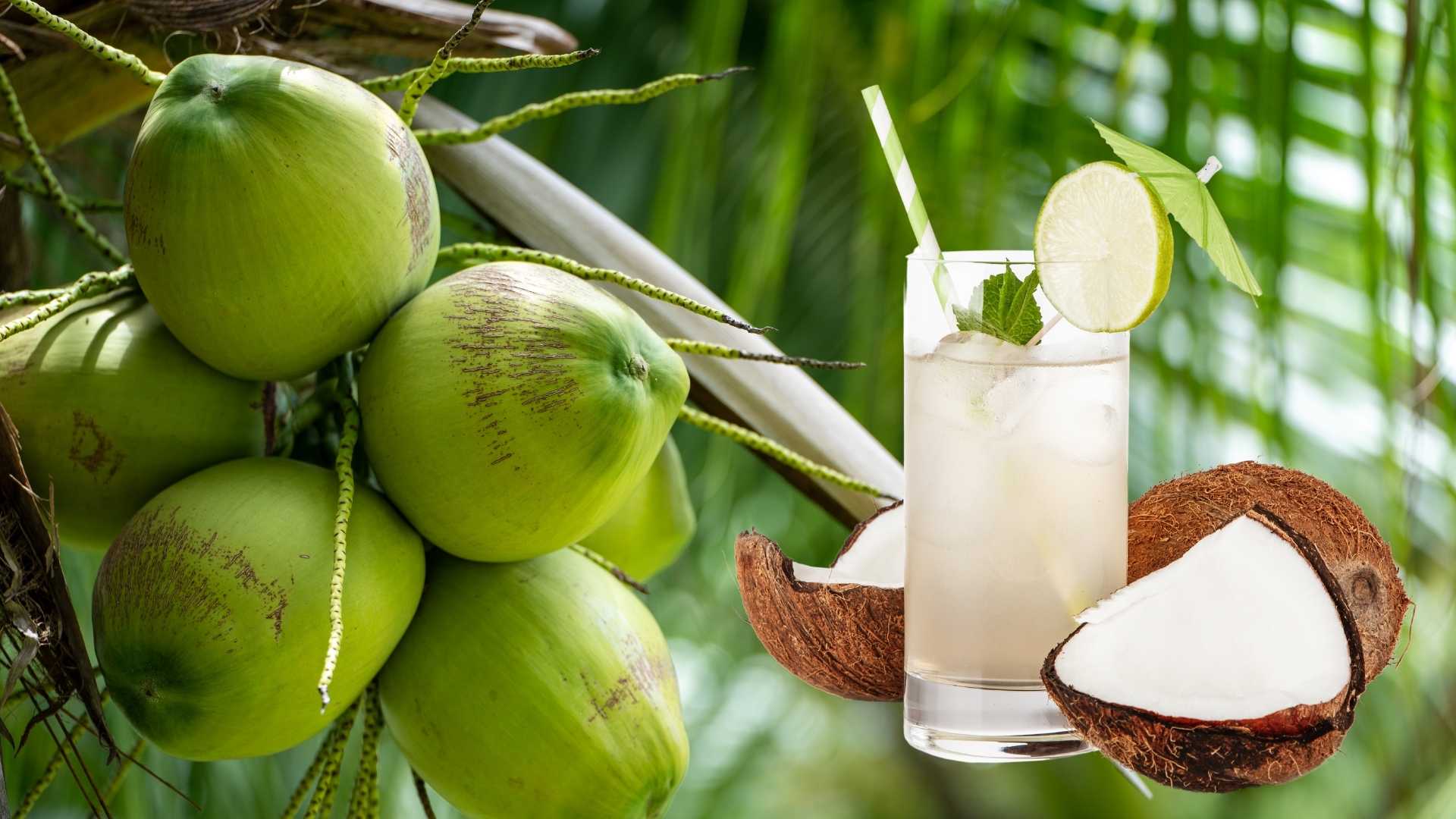
1. An Electrolyte Drink
When you sweat heavily, your body loses water as well as electrolytes. Sodium is particularly important because it is the major electrolyte lost in sweat.
For short, low-intensity workouts, plain water and a normal balanced diet are usually enough. But after prolonged exercise, exercising in hot conditions, or sweating heavily, an electrolyte drink may be useful.
A suitable sports or electrolyte drink can provide:
-
Fluid to replace water losses
-
Sodium to replace some of the sodium lost through sweat
-
Carbohydrates to provide energy during or after longer exercise
-
Smaller amounts of potassium and other electrolytes, depending on the product
Why Might It Help?
Dehydration and substantial electrolyte losses can contribute to poor exercise tolerance and may increase the likelihood of cramping in some circumstances.
However, cramps are not caused by dehydration alone.
Research into exercise-associated muscle cramps suggests that muscle fatigue and altered neuromuscular control can also play major roles. That is why drinking an electrolyte beverage is not a guaranteed way to prevent or immediately stop every cramp.
Still, replacing fluids and sodium after heavy sweating is an important part of recovery.
When Is It Most Useful?
An electrolyte drink may make the most sense if you:
-
Exercise for a long time
-
Sweat heavily
-
Work out in hot or humid weather
-
Notice substantial salt loss in sweat
-
Participate in endurance sports
-
Have another reason to lose significant fluids
For a short workout where you barely sweat, an electrolyte drink may provide little advantage over water.
2. Milk or a Protein-Rich Recovery Drink
If your goal is not only hydration but also muscle recovery, milk can be an interesting option.
Milk naturally contains water, protein, carbohydrates, potassium, calcium, and other nutrients. The protein provides amino acids needed for muscle repair and adaptation after exercise.
A glass of milk can therefore function as part of a post-workout recovery meal or snack.
Why Is Protein Important?
Exercise creates a stimulus for muscle remodeling.
Protein provides amino acids that help your body repair and build muscle tissue. Consuming an adequate amount of protein throughout the day is therefore important for recovery, particularly after resistance training or demanding exercise.
Milk contains both whey and casein proteins, which have different digestion characteristics and can contribute to post-exercise protein intake.
Chocolate milk is sometimes promoted as a recovery beverage because it provides fluid, protein, and carbohydrates. The carbohydrates can help replenish muscle glycogen after prolonged or demanding exercise.
However, you don't need chocolate milk specifically.
A balanced meal containing protein and carbohydrates can accomplish the same broader nutritional goal.
What About Cramps?
Milk isn't a proven instant treatment for exercise-associated muscle cramps.
Its value is more about overall recovery and nutrition than immediately relaxing a cramping muscle.
If you're experiencing repeated cramps, focusing only on calcium or potassium-rich drinks may miss other important factors, including training load, muscle fatigue, hydration, sodium losses, and recovery.
3. A Tart Cherry Drink
Tart cherry juice has attracted attention among athletes because cherries contain plant compounds called polyphenols, including anthocyanins.
Research has investigated tart cherry products for their potential effects on exercise recovery, muscle soreness, inflammation, and oxidative stress.
Some studies suggest that tart cherry consumption around periods of strenuous exercise may modestly reduce certain markers of muscle damage or perceived soreness, although results are not uniform and the evidence is still developing.
That makes tart cherry juice interesting—but it is important not to oversell it.
It is not a guaranteed cure for muscle cramps.
Its potential role is better described as part of a broader recovery strategy.
How Could You Use It?
Some people incorporate a modest serving of tart cherry juice into their post-exercise routine.
Because juice contains natural sugars and can be relatively calorie-dense, portion size matters, especially if you're monitoring blood glucose or total calorie intake.
You can also look for unsweetened products rather than assuming a drink marketed as a “cherry beverage” has the same nutritional profile.
Why Do Leg Cramps Happen After Exercise?
Understanding the cause is more useful than simply searching for a drink that makes cramps disappear.
An exercise-associated muscle cramp is a sudden, involuntary, and painful contraction of a muscle.
They commonly affect the:
-
Calves
-
Hamstrings
-
Quadriceps
-
Feet
Cramps can happen during exercise or shortly afterward.
Several factors may contribute.
Muscle Fatigue
One of the strongest explanations for exercise-associated cramping involves neuromuscular fatigue.
When muscles become heavily fatigued, changes in the nervous system's control of muscle contraction and relaxation may make cramping more likely.
This helps explain why cramps often occur near the end of a long workout or competition.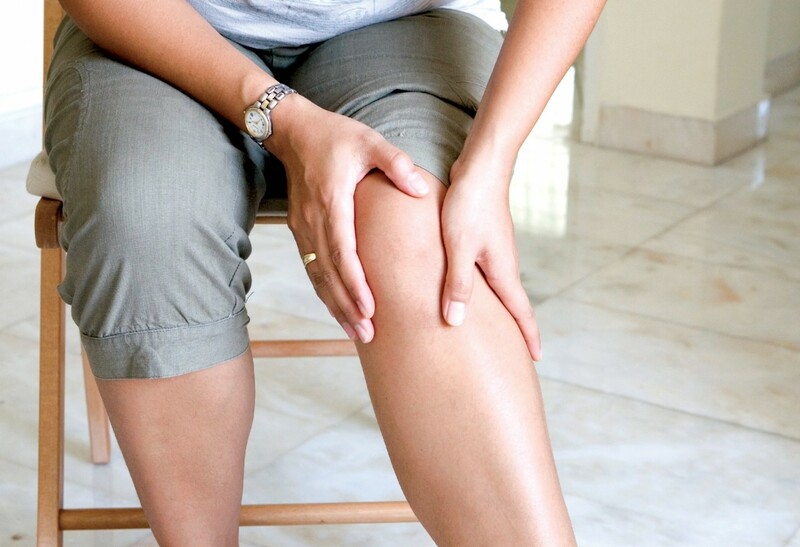
Heavy Sweating
Significant fluid and sodium losses can also play a role, particularly during prolonged exercise in heat.
This is one reason electrolyte replacement can be more relevant for endurance athletes than for someone doing a short gym session.
Sudden Increases in Training
If you dramatically increase your running distance, cycling time, weightlifting volume, or workout intensity, your muscles may be exposed to more fatigue than they're accustomed to.
Gradually increasing training load can reduce unnecessary stress.
Water Still Matters
It is easy to focus on specialty drinks and forget the simplest one.
Water remains an excellent choice for everyday hydration.
For many workouts—especially shorter sessions—there is no need for a sports drink.
Drink according to thirst and your individual circumstances. During prolonged exercise or heavy sweating, however, fluids containing sodium and carbohydrates may become more useful.
The amount you need depends on factors such as:
-
Exercise duration
-
Temperature
-
Humidity
-
Sweat rate
-
Body size
-
Exercise intensity
-
Individual tolerance
There is no universal amount that everyone should drink.
And more water is not always better. Excessive water consumption during prolonged exercise can contribute to dangerously low blood sodium levels, known as exercise-associated hyponatremia.
Don't Blame Every Cramp on “Low Potassium”
A common internet claim is that muscle cramps simply mean you need more potassium.
The reality is more complicated.
Potassium is essential for normal nerve and muscle function, but exercise-associated cramps are not necessarily caused by potassium deficiency.
Similarly, magnesium is often promoted as a universal solution for cramps, but evidence that magnesium supplements prevent ordinary exercise-associated cramps in healthy people is limited.
Before taking large amounts of electrolyte supplements, consider the bigger picture.
A varied diet already provides potassium and magnesium through foods such as:
-
Bananas
-
Potatoes
-
Beans
-
Leafy greens
-
Nuts
-
Seeds
-
Dairy products
-
Whole grains
If you have a medical condition or take medications that affect electrolyte levels, supplementation should be discussed with a healthcare professional.
What Should You Do When a Cramp Actually Happens?
A drink may support hydration, but it isn't necessarily the fastest way to stop an active cramp.
When a muscle suddenly contracts, gentle stretching and massage can often help the muscle relax.
For example, if your calf cramps, gently straighten the leg and pull the toes toward you. Don't force the stretch or bounce aggressively.
Once the cramp releases, give the muscle time to recover.
If you are exercising outdoors in hot weather, move to a cooler environment and replace fluids as appropriate.
A Better Post-Workout Recovery Routine
Instead of relying on one “magic” drink, think about recovery as a combination of several habits.
Step 1: Replace Fluids
Drink water according to your thirst and the amount of fluid you've lost.
Step 2: Replace Sodium When Needed
If you've been sweating heavily for a prolonged period, an electrolyte beverage or a meal containing sodium may be useful.
Step 3: Eat Enough Protein
Include a protein-rich food after demanding exercise to support muscle repair.
Milk, yogurt, eggs, fish, lean meat, tofu, beans, and other protein sources can all work.
Step 4: Replenish Carbohydrates
After prolonged or high-intensity exercise, carbohydrates help restore muscle glycogen.
Fruit, oats, rice, potatoes, whole grains, or a balanced recovery meal are practical choices.
Step 5: Don't Forget Sleep
Muscles don't fully recover simply because you drank something after your workout.
Adequate sleep is one of the most important parts of physical recovery.
When Repeated Cramps Should Be Checked
An occasional cramp after an unusually hard workout is usually not a reason to panic.
But frequent or severe cramps deserve attention.
Talk with a healthcare professional if cramps:
-
Happen repeatedly without an obvious reason
-
Are becoming more severe
-
Occur even when you're not exercising
-
Interfere with sleep regularly
-
Are accompanied by muscle weakness
-
Occur with significant swelling
-
Begin after starting a new medication
-
Persist despite changes in hydration and training habits
Certain medications and medical conditions can contribute to muscle cramps, so persistent symptoms shouldn't automatically be blamed on dehydration.
When Leg Pain May Be Something More Serious
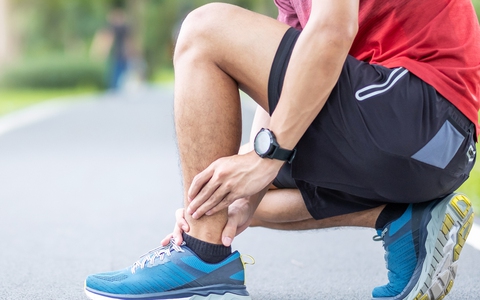
Not every type of leg pain after exercise is a muscle cramp.
Seek urgent medical attention if leg pain is accompanied by significant swelling, redness or warmth, sudden weakness, chest pain, difficulty breathing, fainting, or other severe symptoms.
In particular, sudden leg swelling and pain—especially when one leg is affected—can have causes that require prompt evaluation.
Likewise, severe muscle pain accompanied by marked weakness or very dark urine after unusually intense exercise can be a warning sign of rhabdomyolysis, a potentially serious condition involving muscle breakdown.
These situations should not be managed simply by drinking an electrolyte beverage.
The Bottom Line
If your legs feel tight, sore, or prone to cramping after exercise, the right drink can be part of a sensible recovery strategy but there is no single beverage that guarantees relief from muscle cramps.
For everyday workouts, water may be all you need.
After prolonged or sweaty exercise, an electrolyte drink can help replace fluids and sodium.
For broader recovery, milk or another protein-rich drink can provide protein and carbohydrates along with fluid.
And tart cherry juice is an interesting option because of its polyphenol content and emerging research on exercise recovery, although it should not be viewed as a proven treatment for cramps.
Ultimately, preventing recurring cramps involves more than what you drink. Adequate hydration, appropriate electrolyte replacement when needed, gradual training progression, sufficient nutrition, recovery time, and good sleep all matter.
Your body doesn't necessarily need a “miracle” recovery drink. More often, it needs the right combination of fluids, nutrients, training, and rest at the right time.