Your neck may not be the first part of your body you think about when it comes to cancer warning signs.
Most people associate cancer with symptoms such as unexplained weight loss, persistent fatigue, unusual bleeding, or changes involving a specific organ. But certain cancers can affect structures in the neck, including the thyroid, lymph nodes, throat, larynx, and other tissues.
Sometimes, one of the first noticeable changes can be surprisingly simple: a lump, persistent swelling, a change in your voice, or difficulty swallowing.
The important word is “may.”
Most neck lumps and neck symptoms are not caused by cancer. Infections, allergies, thyroid disorders, dental problems, muscle injuries, acid reflux, and many other relatively common conditions can cause similar symptoms.
Still, a neck symptom that is new, persistent, growing, or unexplained deserves attention.
Here are three neck-related changes worth knowing about and what they may mean.
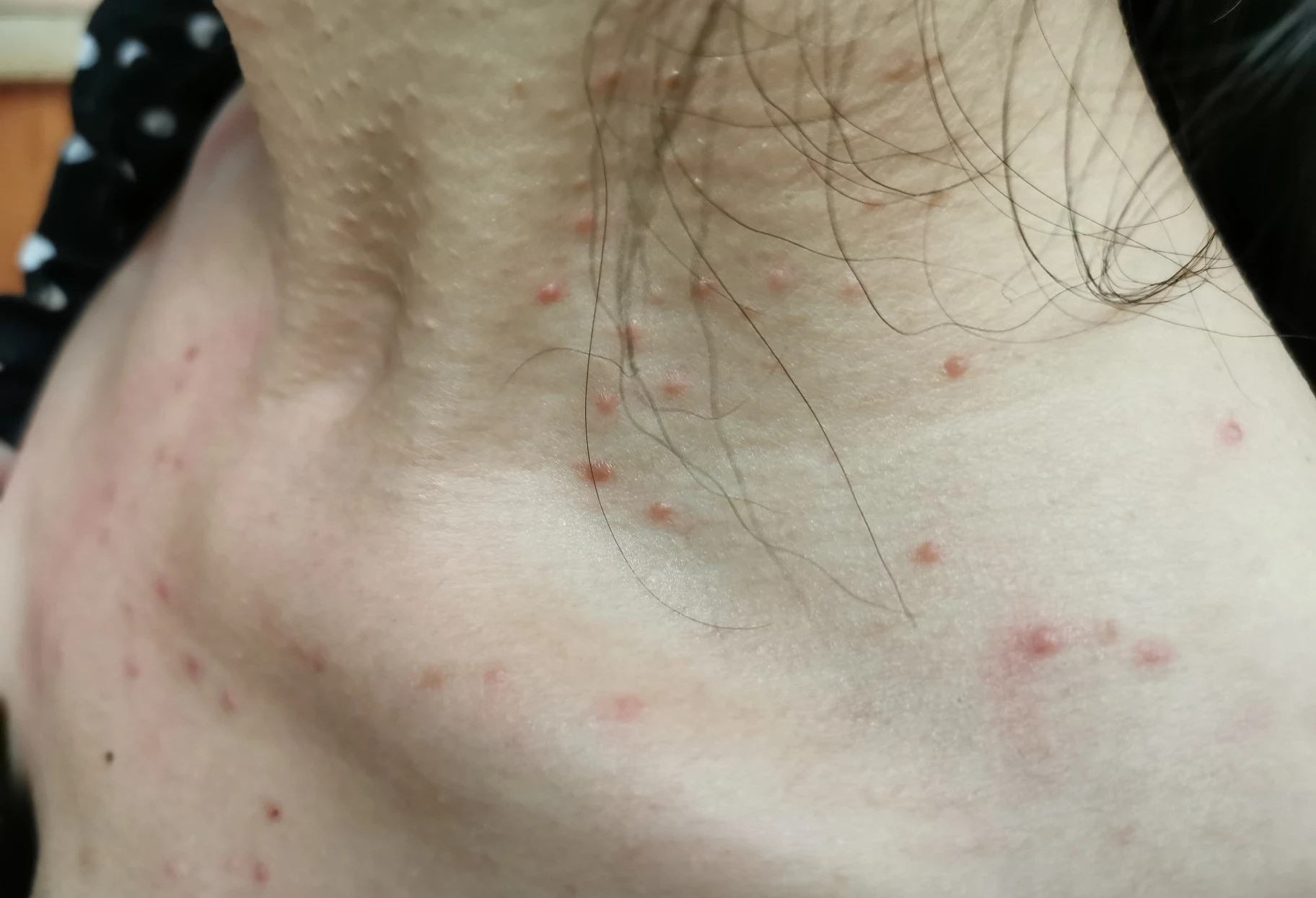
1. A Persistent Lump or Swelling in the Neck
A new lump in the neck is one of the most important changes to pay attention to.
There are many structures in the neck, including lymph nodes, the thyroid gland, salivary glands, muscles, blood vessels, and other soft tissues. A lump can therefore have many possible causes.
One of the most common explanations is a swollen lymph node.
Lymph nodes are part of the immune system. They can enlarge when your body is responding to an infection such as:
-
A cold
-
Flu
-
Sore throat
-
Tonsillitis
-
Dental infection
-
Ear infection
-
Skin infection
In these situations, the swelling often improves as the underlying infection resolves.
But a neck lump that doesn't go away, continues growing, or has unusual characteristics should be evaluated.
What Makes a Neck Lump More Concerning?
There is no single physical characteristic that can determine whether a lump is cancerous.
However, healthcare professionals may pay particular attention to a lump that is:
-
Persistent
-
Gradually increasing in size
-
Firm or hard
-
Relatively fixed rather than freely movable
-
Painless
-
Associated with other unexplained symptoms
The location can also provide useful information.
For example, enlarged lymph nodes can occur along the sides of the neck, beneath the jaw, or above the collarbone.
A lump above the collarbone—sometimes called a supraclavicular lymph node—deserves medical evaluation, particularly if it is persistent and unexplained.
Again, this does not mean that every lump in this area is cancer.
It simply means the location and persistence make professional assessment important.
Why Can Cancer Cause a Neck Lump?
Several types of cancer can involve lymph nodes in the neck.
Cancer can sometimes begin in tissues located in the head and neck, including the:
-
Mouth
-
Throat
-
Tonsils
-
Base of the tongue
-
Larynx
Other cancers can spread to lymph nodes in the neck from another part of the body.
The thyroid can also develop nodules or cancerous growths that appear as a lump in the lower front part of the neck.
But there is an important distinction:
A neck lump is a symptom, not a diagnosis.
Doctors need to determine what the lump actually represents.
How Long Should a Neck Lump Last?
There's no universal rule that applies to every lump.
If you've recently had a respiratory infection, a swollen lymph node may remain enlarged for some time even after you begin feeling better.
However, a lump that persists without a clear explanation—or one that continues to enlarge—should be assessed.
Rather than repeatedly checking it for weeks or months without seeking advice, make an appointment if you're concerned.
A clinician may examine the area and decide whether observation, imaging, blood tests, or another evaluation is appropriate.
2. Persistent Hoarseness or a Change in Your Voice
Your voice is produced by structures in the larynx, commonly called the voice box.
When the vocal cords become inflamed or irritated, your voice can become:
-
Hoarse
-
Raspy
-
Weak
-
Breathier than usual
-
Deeper
-
Rough
A short-term change is extremely common.
A cold, viral infection, allergies, excessive talking, shouting, or irritation from smoking can all temporarily affect the voice.
Acid reflux can also contribute to chronic irritation of the throat and voice box.
So hoarseness alone is usually not a reason to assume cancer.
The concern increases when a voice change is persistent and unexplained.
Why Can Cancer Affect the Voice?
Cancers involving the larynx or nearby structures can affect the vocal cords and surrounding tissues.
A tumor may interfere with normal movement or cause irritation in the area.
In some cases, a tumor elsewhere in the neck or chest can affect a nerve involved in vocal-cord movement.
As a result, persistent hoarseness can occasionally be an early symptom of a more serious condition.
But once again, there are many more common causes.
That's why the key question isn't:
“Am I hoarse?”
It's:
“Why have I remained hoarse, and how long has it lasted?”
When Should Persistent Hoarseness Be Checked?
If your voice remains hoarse for several weeks without an obvious explanation, it's reasonable to seek medical advice.
This is especially important if you also experience:
-
A neck lump
-
Difficulty swallowing
-
Pain when swallowing
-
Persistent sore throat
-
Ear pain without an obvious ear problem
-
Unexplained weight loss
-
Cough that doesn't go away
-
Breathing difficulties
-
Coughing up blood
These symptoms don't prove cancer.
They simply provide additional reasons for a healthcare professional to investigate.
Smokers Should Take Persistent Hoarseness Seriously
Smoking is a major risk factor for several cancers, including cancers affecting the larynx and other parts of the respiratory and upper digestive tract.
People who smoke or have a substantial history of smoking should be particularly attentive to persistent voice changes.
This doesn't mean every smoker with hoarseness has cancer.
Most episodes of hoarseness still have other explanations.
But persistent symptoms deserve appropriate evaluation rather than being repeatedly attributed to smoking, aging, or “just a sore throat.”
3. Difficulty Swallowing or a Persistent Feeling That Something Is Stuck
Another neck and throat symptom that deserves attention is difficulty swallowing, medically known as dysphagia.
You may notice that:
-
Food seems to move slowly
-
Solid foods are harder to swallow
-
Liquids cause coughing
-
You need to swallow repeatedly
-
Food feels like it is sticking in your throat
-
Swallowing becomes uncomfortable
-
You avoid certain foods because they are difficult to eat
Occasional difficulty swallowing can happen for relatively simple reasons.
For example, eating too quickly or experiencing a sore throat can temporarily make swallowing uncomfortable.
But persistent or progressive difficulty swallowing should be evaluated.
Why Can Cancer Affect Swallowing?
The swallowing process involves multiple muscles, nerves, and structures extending from the mouth through the throat and into the esophagus.
A growth in the:
-
Throat
-
Tonsils
-
Base of the tongue
-
Larynx
-
Esophagus
-
Nearby tissues
can potentially interfere with normal swallowing.
Not every swallowing problem is caused by a physical blockage.
Neurological conditions, reflux, inflammation, muscle disorders, and other problems can also affect swallowing.
The pattern and progression of symptoms are therefore important.
Progressive Difficulty Swallowing Is Especially Important
One pattern doctors may want to investigate is swallowing difficulty that gradually becomes worse.
For example, a person might initially have trouble swallowing large pieces of meat.
Several weeks or months later, softer foods may become difficult.
Eventually, even liquids may cause problems.
That progression requires medical assessment.
It does not automatically indicate cancer, but it shouldn't be ignored.
Other Symptoms That Can Occur With Head and Neck Cancers
The three symptoms above are important, but cancers involving the head and neck can produce other changes.
These may include:
A persistent sore throat
A sore throat that doesn't resolve as expected deserves evaluation.
Ear pain
Persistent ear pain without an obvious ear infection can sometimes be referred pain from structures in the throat.
Mouth sores
A sore in the mouth that doesn't heal should be evaluated, particularly if it persists.
Unexplained bleeding
Blood from the mouth or throat without an obvious cause warrants medical attention.
Unexplained weight loss
Losing weight without trying can have many causes but deserves investigation.
Changes in chewing or jaw movement
Difficulty opening the mouth or chewing can sometimes occur with certain head and neck conditions.
Persistent nasal symptoms
Unexplained or persistent nasal obstruction or bleeding can have many causes but may occasionally require further investigation.
None of these symptoms is specific to cancer.
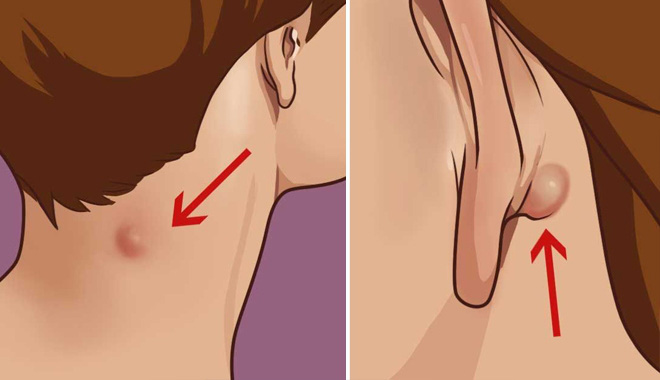
The Thyroid Can Also Produce Neck Changes
The thyroid gland sits at the lower front of the neck.
Thyroid nodules are common, and most are not cancerous.
A thyroid nodule may feel like:
-
A small lump
-
A firm area
-
A swelling at the base of the neck
Some thyroid cancers produce few symptoms other than a thyroid nodule.
Others may be associated with: