Few household problems are as frustrating as discovering mice inside the home. These tiny intruders may seem harmless at first, but they can quickly become a major nuisance. Mice can chew through food packaging, damage furniture and electrical wiring, contaminate surfaces, and spread bacteria through droppings and urine.
One of the biggest challenges with mice is how quickly they reproduce. A small problem can become a serious infestation in a surprisingly short time if preventive measures are not taken early.
Fortunately, experts say preventing mice is often easier than removing them once they settle inside. By understanding what attracts mice and using a few smart prevention strategies, homeowners may significantly reduce the chances of unwanted rodents entering the house.
Here are three effective tricks that may help keep your home mouse-free naturally and safely.
Why Mice Enter Homes in the First Place
Mice usually enter homes searching for three things:
- Food
- Water
- Shelter
Houses provide warm, protected environments — especially during colder weather.
Even tiny openings in walls, doors, pipes, or windows may allow mice to squeeze inside because they can fit through extremely small gaps.
Common mouse entry points include:
- Cracks near pipes
- Garage doors
- Roof gaps
- Air vents
- Holes near utility lines
Once inside, mice often hide in:
- Kitchens
- Attics
- Basements
- Storage rooms
- Behind appliances

1. Seal Every Small Entry Point
One of the most effective ways to prevent mice is stopping them from entering in the first place.
Because mice can squeeze through openings as small as a coin, even tiny cracks deserve attention.
Areas to Check Carefully
Inspect:
- Doors
- Window edges
- Pipe openings
- Roof edges
- Garage areas
- Air vents
- Utility line gaps
Look for:
- Small holes
- Gnaw marks
- Gaps near plumbing
- Damaged weather stripping
Materials Commonly Used
People often seal gaps using:
- Steel wool
- Caulk
- Metal mesh
- Door sweeps
Steel wool is commonly recommended because mice struggle to chew through it.
Why This Method Works
Mice usually prefer easy access.
Blocking entry points may dramatically reduce the chances of infestation before it even begins.
2. Eliminate Food Sources and Clutter
Mice stay where food is easy to find.
Even tiny crumbs or accessible pet food may attract rodents.
Kitchen Habits Matter
Experts recommend:
- Storing food in sealed containers
- Cleaning crumbs immediately
- Taking out trash regularly
- Avoiding overnight dirty dishes
Foods commonly attracting mice include:
- Grains
- Bread
- Pet food
- Snacks
- Seeds
Don’t Forget Pet Food
Leaving pet food out overnight is one of the most common mouse attractants.
Store pet food securely and clean feeding areas regularly.
Reduce Clutter
Mice love hiding in:
- Cardboard boxes
- Paper piles
- Unused storage
- Cluttered corners
Reducing clutter removes potential nesting spots.
Storage bins with lids are usually safer than cardboard boxes.
3. Use Natural Mouse Deterrents Carefully
Some people use natural scents believed to discourage mice from entering certain areas.
Common examples include:
- Peppermint oil
- Clove oil
- Vinegar
- Strong herbal scents
While natural repellents may not completely solve infestations, they may help discourage mice in some situations when combined with proper cleaning and sealing.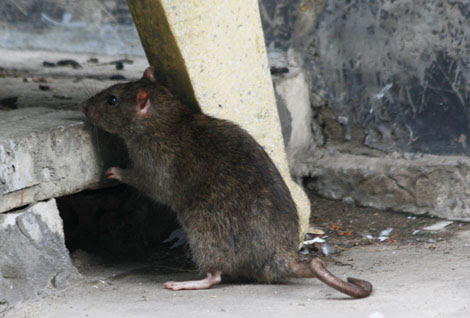
Peppermint Oil Is Especially Popular
Many people soak cotton balls with peppermint oil and place them near:
- Entry points
- Cabinets
- Storage areas
- Garages
The strong scent may help deter rodents temporarily.
However, oils need regular replacement because scents fade over time.
Keep Expectations Realistic
Natural remedies alone usually cannot eliminate serious infestations.
Professional pest control may still be necessary for larger rodent problems.
Why Mice Can Be Dangerous
Mice are not just annoying — they may also create health and safety concerns.
Potential risks include:
- Food contamination
- Allergens
- Bacteria spread
- Property damage
Mice may chew:
- Electrical wires
- Wood
- Plastic
- Insulation
In some cases, damaged wiring may increase fire risk.
Signs You May Already Have Mice
Common warning signs include:
- Droppings
- Scratching sounds at night
- Gnawed food packaging
- Musky odors
- Shredded nesting materials
The earlier the problem is identified, the easier it is usually to control.
Why Prevention Works Better Than Treatment
Once mice establish nests inside walls or hidden areas, removal becomes much more difficult.
Prevention strategies are often:
- Cheaper
- Safer
- Less stressful
than dealing with large infestations later.
Should You Use Traps or Poison?
Experts generally recommend caution with rodent poison because it may:
- Harm pets
- Affect wildlife
- Create hidden dead rodents inside walls
Traps are often considered safer for indoor use when handled correctly.
Professional pest control services may be best for severe infestations.
Outdoor Areas Matter Too
Mouse prevention should also include outdoor maintenance.
Helpful habits include:
- Keeping grass trimmed
- Removing debris piles
- Storing firewood away from walls
- Securing trash bins
Outdoor clutter may create nesting areas close to the home.
Seasonal Changes Increase Mouse Activity
Mice often enter homes more frequently during:
- Cold weather
- Rainy seasons
- Temperature drops
This is why autumn and winter prevention becomes especially important in many regions.
Clean Homes Still Can Get Mice
Even clean homes may occasionally attract mice if:
- Entry points exist
- Food is accessible
- Nearby outdoor conditions encourage rodents
Prevention is about reducing opportunities, not achieving perfection.
Consistency Is Key
The most effective mouse prevention usually involves combining:
- Sealing gaps
- Cleaning carefully
- Reducing clutter
- Monitoring signs regularly
Small consistent habits often work better than extreme short-term solutions.
Final Thoughts
Keeping mice out of the home often starts with three simple but highly effective strategies: sealing entry points, removing food sources and clutter, and using natural deterrents carefully. These methods may greatly reduce the chances of mice entering and nesting inside the house.
While no prevention system is perfect, consistent home maintenance and early action remain the best defenses against rodent problems. A cleaner, well-sealed, organized home is far less inviting to mice — and much more comfortable for the people living inside it.