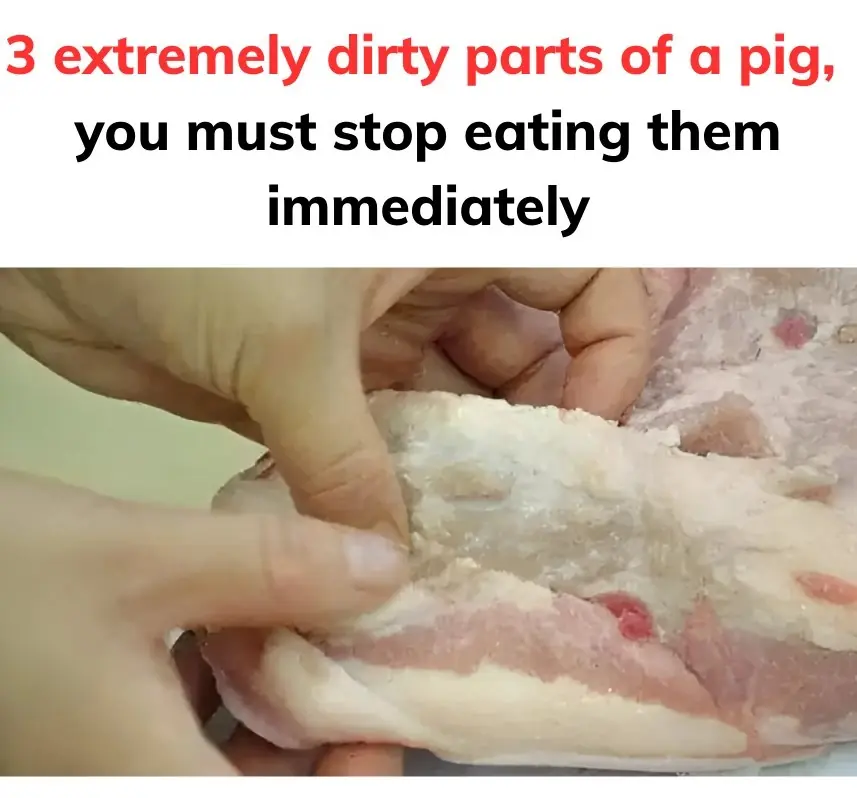
1. Pig Intestines (Chitterlings)
Why People Call Them “Dirty”
- High Exposure to Waste: Intestines naturally carry fecal matter, so if they’re not cleaned thoroughly, harmful bacteria (such as E. coli) can remain.
- Strong Odor & Residual Grit: The smell can be intense if not meticulously washed, giving the impression it’s “filthy.”
What Science Says
- Safe When Handled Correctly: Cultures worldwide have eaten various animal intestines for centuries. The intestines must be scrubbed repeatedly (sometimes turned inside out) and cooked to a safe internal temperature (at least 145–160°F / 63–71°C, depending on guidelines and local recommendations).
- Higher Risk for Certain Groups: If you’re pregnant, immunocompromised, or very young/elderly, you should be extra cautious.
Takeaway: Pig intestines aren’t inherently “too dirty” to consume, but extreme caution in cleaning and cooking is essential. If you’re unwilling or unable to clean them thoroughly, it might be safer to avoid them.
2. Pig Liver (and Some Other Organs)
Why People Call Them “Dirty”
- “Filter Organ” Myth: There’s a popular belief that the liver “stores all the toxins.” In reality, the liver breaks down toxins; it doesn’t accumulate them indefinitely.
- High Cholesterol: Some worry about the liver’s cholesterol content or the presence of residual hormones or antibiotics (in non-organic farming).
What Science Says
- Rich in Nutrients: Liver is often called a “superfood” because it’s high in iron, vitamins A and B12, and other micronutrients.
- Quality & Moderation Matter: As with all offal, you should buy from trusted sources to reduce the risk of contaminants. Consuming it in moderation is wise—particularly if you have high cholesterol or certain health conditions.
- Cooking Thoroughly: Proper cooking (to at least 160°F / 71°C internal temperature) is vital to kill any pathogens.
Takeaway: Pig liver isn’t “toxic” if you get a good source and cook it properly. Its nutrient density can be beneficial, but some may choose to limit intake due to personal health needs (e.g., cholesterol management).
3. Pig Head & Ears (Cartilage/Rind)
Why People Call Them “Dirty”
- Facial Cavities & Sinuses: Some people assume the head region is “unclean” because it may contain sinus passages, glands, or leftover hair.
- High Fat & Collagen: Ears and jowls can be fatty or gelatinous, leading to claims that they’re “unhealthy” or “clog arteries.”
What Science Says
- A Culinary Specialty: In many cuisines, pig’s head and ears are prized for rich flavor and texture (e.g., crispy pork ears, head cheese/terrine). Chefs meticulously clean and scald them to remove any bristles or debris.
- Nutritional Profile: Pork rind and collagen-rich tissues are high in protein but can also contain significant fat, including saturated fats.
- Safe Handling: If thoroughly cleaned and cooked (again, reaching safe internal temperatures), bacterial risk is similar to other pork cuts.
Takeaway: These parts aren’t inherently “filthy.” They do require careful cleaning (removing hairs, debris) and thorough cooking. From a nutritional standpoint, enjoy them in moderation if you’re watching fat intake.