Getting older doesn't mean you have to stop caring about your hormones, skin, energy, or overall well-being. In fact, the years after 50 can be an especially important time to pay attention to nutrition.
As women move through perimenopause and menopause, estrogen levels change significantly. These hormonal changes can influence skin elasticity, muscle mass, bone health, sleep, mood, body composition, and cardiovascular health.
Food cannot stop menopause or magically restore hormone levels to those of a 20-year-old. However, a nutrient-rich eating pattern can provide the building blocks the body needs to function well during this stage of life.
Among the many foods worth including in a balanced diet, three stand out for their combination of healthy fats, protein, fiber, antioxidants, vitamins, and minerals: soy foods, fatty fish, and berries.
Let's take a closer look at why these foods can be valuable after 50.
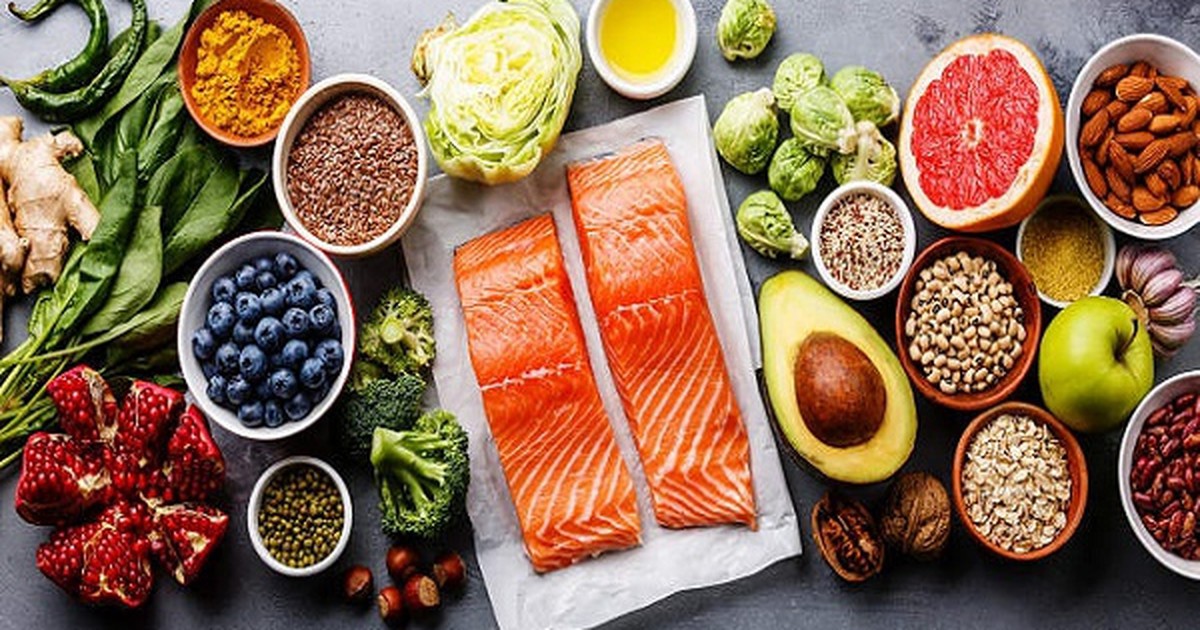
1. Soy Foods: A Plant Food With Naturally Occurring Isoflavones
Soybeans and foods made from them—including tofu, tempeh, edamame, and unsweetened soy milk—are particularly interesting when discussing women's health after 50.
Soy contains compounds called isoflavones, which are classified as phytoestrogens. Their chemical structure allows them to interact with estrogen receptors in the body, although they are much weaker than the body's own estrogen.
This doesn't mean soy acts like hormone replacement therapy.
Instead, research has explored whether regular consumption of soy foods may have modest benefits for some menopausal symptoms and aspects of cardiometabolic health.
Why soy can be useful after 50
Soy is also an excellent source of plant protein.
Maintaining adequate protein becomes increasingly important with age because adults naturally become more vulnerable to losing muscle mass and strength.
Including protein-rich foods throughout the day can help support muscle maintenance, particularly when combined with resistance exercise.
Soy foods can also provide nutrients such as iron, magnesium, potassium, and other micronutrients, depending on the specific food.
How to add more soy
You don't need to eat huge amounts.
Try adding:
-
Edamame to salads or grain bowls
-
Tofu to stir-fries
-
Tempeh to sandwiches or wraps
-
Unsweetened fortified soy milk to smoothies
-
Tofu or soy yogurt as part of breakfast
Choose minimally processed soy foods when possible.
2. Fatty Fish: A Powerful Combination of Protein and Omega-3 Fats
The second food category worth highlighting is fatty fish.
Salmon, sardines, trout, herring, and mackerel provide high-quality protein along with long-chain omega-3 fatty acids, particularly EPA and DHA.
These fats are important components of cell membranes and play roles throughout the body.
For women over 50, fatty fish can be particularly useful because it combines several nutritional benefits in one food.
Omega-3s and Cardiovascular Health
Heart health becomes increasingly important after menopause.
As estrogen levels decline with age, cardiovascular risk factors can become more prominent.
Eating fish regularly can be part of a heart-conscious dietary pattern.
Omega-3 fatty acids have been extensively studied for their relationship with cardiovascular health, while fish also provides protein and several micronutrients.
Of course, eating fish doesn't guarantee protection from heart disease.
Blood pressure, cholesterol, physical activity, smoking, sleep, genetics, diabetes, and overall dietary patterns all matter.
But replacing some less nutritious foods with fish can be a useful dietary strategy.
Fish Can Also Support Healthy Aging
Protein becomes increasingly important as we age.
Muscle isn't only about appearance. Strong muscles support mobility, balance, independence, and physical function.
A meal containing fatty fish can provide a substantial amount of protein without requiring a large portion.
Fatty fish also provides vitamin B12 and, depending on the species, vitamin D and selenium.
For people who don't eat fish, other protein sources can still provide similar nutritional value, although the omega-3 profile will differ.
3. Berries: Small Fruits With a Big Nutritional Profile
The third food category is berries.
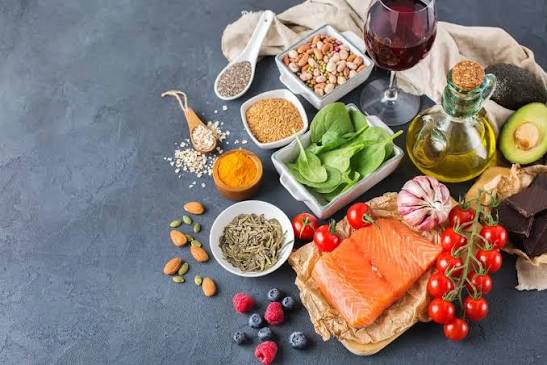
Strawberries, blueberries, raspberries, blackberries, and similar fruits contain fiber and a variety of plant compounds, including polyphenols.
These compounds contribute to the vibrant colors found in berries and have been widely studied for their potential role in supporting overall health.
Why Berries Can Be Helpful for Skin
Skin changes are a normal part of aging.
Collagen production gradually changes over time, and factors such as sun exposure, smoking, nutrition, sleep, and hormonal changes can influence skin appearance.
Berries provide vitamin C, which is required for normal collagen synthesis.
Vitamin C also functions as an antioxidant, helping protect cells from oxidative stress.
That doesn't mean eating blueberries will suddenly make mature skin look 20 years younger.
But regularly eating nutrient-rich fruits can contribute to the nutritional foundation required for healthy skin.
Fiber Matters More Than Many People Realize
Berries are also useful because they provide dietary fiber.
Fiber supports digestive health and can help with regular bowel movements. It can also contribute to feelings of fullness and support a healthy dietary pattern.
Some types of fiber are fermented by gut microorganisms, making fiber-rich plant foods an important part of a diverse diet.
After 50, maintaining good digestive and metabolic health becomes increasingly valuable.
Adding berries to breakfast, yogurt, oatmeal, or a snack is a simple way to increase fruit and fiber intake.
What About Hormonal Balance?
This is where it's important to separate nutrition from exaggerated internet claims.
There is no food that can reliably "reset" female hormones or make a 55-year-old woman's reproductive system biologically equivalent to that of a 20-year-old.
Menopause is a normal biological transition.
Hormone levels change, and no particular food can reverse that process.
However, nutrition can influence the systems that interact with hormones.
A balanced diet can support:
-
Healthy body composition
-
Stable blood sugar
-
Cardiovascular health
-
Bone health
-
Muscle maintenance
-
Digestive health
-
Adequate nutrient intake
All of these factors can influence how a woman feels during and after menopause.
Healthy Skin Is About More Than Hormones
If your goal is healthier-looking skin after 50, don't focus entirely on estrogen.
Skin health depends on multiple factors.
Protein
Collagen and other structural proteins require amino acids. Adequate protein intake helps support normal tissue maintenance.
Vitamin C
Vitamin C is essential for collagen formation and is abundant in many fruits and vegetables.
Healthy fats
Dietary fats provide essential fatty acids and help the body absorb fat-soluble vitamins.
Hydration
Adequate fluid intake supports normal physiological function and helps prevent dehydration-related dryness.
Sun protection
Perhaps most importantly, excessive ultraviolet exposure contributes significantly to premature skin aging.
No "superfood" can compensate for chronic sun damage.
Don't Forget Bone Health After 50
Bone health deserves special attention during and after menopause.
Estrogen plays an important role in maintaining bone tissue, and declining estrogen levels can accelerate bone loss in some women.
Food can contribute important nutrients, including calcium, vitamin D, magnesium, and protein.
Good sources include dairy products, fortified plant milks, tofu made with calcium sulfate, leafy greens, fish with edible bones such as sardines, and other nutrient-dense foods.
Regular weight-bearing and resistance exercise are also important.
If you are concerned about osteoporosis or fracture risk, speak with a healthcare professional about whether bone-density screening is appropriate for you.
A Simple Daily Pattern
You don't need to completely change your diet.
Instead, think about how these foods can fit into meals you already enjoy.
Breakfast
Try oatmeal topped with berries, along with yogurt or fortified soy milk.
Lunch
A salad or grain bowl containing tofu or tempeh, vegetables, and a healthy dressing can provide protein and fiber.
Dinner
Enjoy salmon or another fatty fish with vegetables and whole grains.
Snacks
Fresh berries, edamame, unsweetened soy yogurt, or a small serving of nuts can be convenient options.
The goal isn't perfection.
It's consistency.
What Foods Should You Limit?
Adding nutritious foods is only one part of the picture.
It's also useful to reduce foods that provide a lot of calories while offering relatively little nutritional value.
These can include excessive amounts of:
-
Sugary drinks
-
Highly processed snacks
-
Refined carbohydrates
-
Processed meats
-
Excess sodium
-
Foods high in added sugars
-
Excessive alcohol
You don't need to eliminate every treat.
A sustainable diet allows flexibility while making nutrient-dense foods the foundation.
Exercise Works Alongside Nutrition
Food alone cannot maintain muscle, bone strength, or physical independence.
After 50, resistance training can be particularly valuable.
Strength exercises can help preserve muscle mass and improve functional strength.
Walking and other aerobic activities can support cardiovascular fitness, while balance exercises can become increasingly important with age.
Combining good nutrition with regular movement is far more powerful than searching for one "miracle" ingredient.
What About Supplements?
Supplements can sometimes be useful when a person has a documented nutritional deficiency or specific medical need.
But more isn't necessarily better.
High-dose vitamins, herbal hormone boosters, and products marketed as "menopause cures" may have limited evidence and can sometimes interact with medications.
If you are considering supplements for hormonal health, skin, menopause symptoms, or bone health, discuss them with your doctor or pharmacist.
A food-first approach is generally a sensible starting point.

The Bottom Line
For women over 50, soy foods, fatty fish, and berries are three nutritious choices that can fit easily into a healthy eating pattern.
Soy provides plant protein and isoflavones. Fatty fish supplies high-quality protein and omega-3 fats. Berries provide fiber, vitamin C, and a variety of beneficial plant compounds.
Together, these foods can support the broader nutritional needs associated with healthy aging.
But it's important to keep expectations realistic.
No food can make the uterus "as young as a 20-year-old," reverse menopause, or guarantee youthful skin. Hormonal changes after 50 are natural, and healthy aging involves much more than hormone levels.
The better goal is to build a diet that supports heart health, muscle, bones, skin, digestion, energy, and overall well-being.
And that doesn't require an expensive superfood or complicated meal plan.
Sometimes, the smartest approach is simply to fill your plate with more foods that genuinely nourish your body—then make those choices consistently over time.