3 Important Actions to Remember in an Emergency When You're Alone
A sudden heart emergency can happen without warning. When it does, every second matters. Many people assume that help will always be nearby, but the reality is that a large number of medical emergencies occur when individuals are completely alone. In those critical moments, knowing how to react can make the difference between staying conscious long enough to call for help and losing valuable time.
Heart-related emergencies remain one of the leading causes of sudden medical crises worldwide. Symptoms may begin with chest pressure, discomfort, shortness of breath, dizziness, sweating, nausea, or a feeling that something is seriously wrong. While professional medical treatment is always necessary, experts emphasize that the actions taken during the first few minutes can significantly influence outcomes.
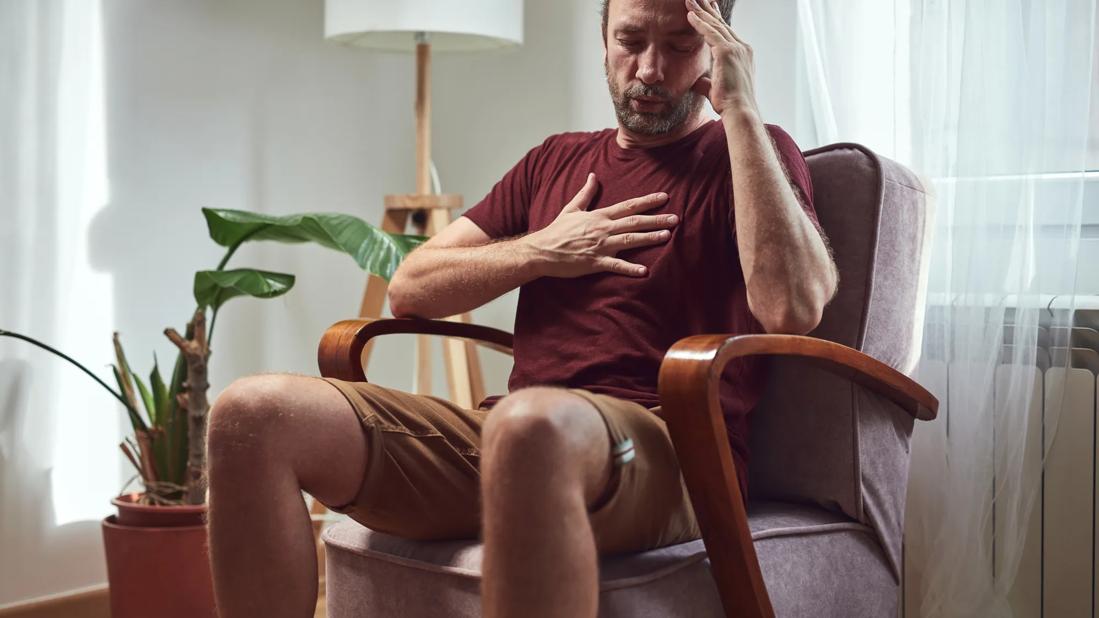
Many people panic when symptoms appear. Panic causes the heart to work harder, breathing becomes irregular, and decision-making becomes more difficult. Learning a few simple emergency responses beforehand can help a person stay focused and increase the likelihood of getting help quickly.
Below are three important actions that health professionals frequently recommend remembering if a serious heart-related emergency occurs while you are alone.
Why the First Few Minutes Matter
The human heart continuously pumps blood throughout the body. When blood flow is interrupted because of a blockage or other cardiac problem, vital organs begin receiving less oxygen. The longer this process continues, the greater the potential damage.
One of the biggest dangers during a heart emergency is delaying action. Many people convince themselves that the symptoms are temporary. They may sit down, wait, or hope the discomfort passes. Unfortunately, this delay can reduce the effectiveness of later medical treatment.
Recognizing warning signs early and responding immediately offers the best chance of receiving professional care before complications become severe.
Some common warning signs include:
- Chest pain or pressure
- Tightness in the chest
- Pain spreading to the arm, neck, jaw, or back
- Shortness of breath
- Sudden sweating
- Nausea
- Dizziness
- Extreme fatigue
- A sense of impending doom
Not everyone experiences the same symptoms. Some people have mild discomfort, while others develop severe pain. Women, older adults, and people with diabetes may experience less typical warning signs.
Understanding these symptoms allows people to react faster rather than waiting for the situation to worsen.
Action #1: Stay Calm and Focus on Breathing
One of the most important things a person can do is remain as calm as possible.
Fear and panic trigger the body's stress response. Adrenaline levels increase, the heart beats faster, and blood pressure may rise. During a heart emergency, this additional strain can worsen symptoms.
Instead of panicking, focus on slow, controlled breathing.
A simple approach is:
- Sit down immediately.
- Loosen tight clothing.
- Take slow breaths through the nose.
- Exhale slowly through the mouth.
- Avoid sudden movements.
Controlled breathing helps maintain oxygen delivery throughout the body while reducing anxiety.
Many emergency responders report that patients who remain calm often communicate more clearly and are better able to seek assistance.
Remaining calm also helps you evaluate your surroundings and decide on the next steps.
If symptoms continue or intensify, immediate medical attention should be sought without delay.