3 Selfish Habits of Husbands That Increase a Wife’s Risk of Cervical Can.cer: Stop Them Now Before They Harm the Whole Family
Certain bad and selfish habits of husbands can become contributing factors that increase a woman’s risk of developing cervical cancer.
1. Smoking Frequently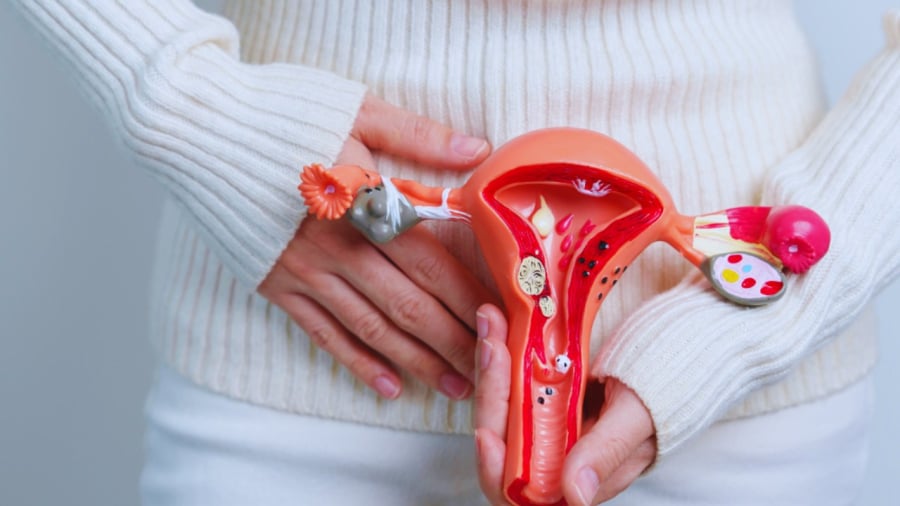
Many men are addicted to smoking. Some even smoke an entire pack a day. They smoke due to stress, boredom, or habit. However, this is a harmful behavior that can seriously affect their wives’ health.
In reality, people who are frequently exposed to secondhand smoke face health risks nearly as serious as those who smoke themselves. Passive smoking has been proven to negatively affect the female reproductive system, increasing the risk of breast cancer, cervical cancer, and preterm birth. In addition, women exposed to secondhand smoke have a higher risk of cardiovascular and respiratory diseases, which can be extremely dangerous.
2. Not Using Protection During Sexual Intercourse
One of the safest ways to have sex is by using condoms. Research shows that condoms can protect women from up to 98% of sexually transmitted infections. However, many men refuse to use condoms because they feel uncomfortable or believe they reduce pleasure. As a result, women are often the ones who suffer the consequences.
Some women choose to use oral contraceptives instead, believing this is a safe alternative. However, studies by scientists at the University of Copenhagen (Denmark) have found that long-term use of birth control pills may increase a woman’s risk of breast cancer by up to 38%.
Specifically, according to The New England Journal of Medicine, women who use oral contraceptives daily, injectable contraceptives, or implants for less than one year have a 9% increased risk of breast cancer. If this use continues for up to 10 years, the risk can rise to as high as 38%.
3. Demanding Sex During Menstruation
Having sexual intercourse during menstruation can lead to very serious consequences, greatly harming a woman’s health, fertility, and increasing the risk of disease.
According to Dr. Tran Ly Hong (The First Affiliated Hospital of Fujian Medical University), women should absolutely avoid sexual intercourse during their menstrual period. During this sensitive time, the uterine lining is still open and highly vulnerable to contamination. Sexual activity can significantly increase the risk of infection and gynecological diseases, which, if not treated properly, may eventually lead to cervical cancer.
Therefore, during these sensitive days, if a husband or boyfriend insists on intimacy, women should firmly refuse in order to protect their own health.