Cerebral infarction - commonly known as ischemic stroke - occurs when blood flow to part of the brain is blocked, depriving brain tissue of
oxygen and nutrients. While risk factors like high blood pressure, diabetes, smoking, and high cholesterol are well known, sleep-related
abnormalities are often overlooked early warning signs.
Sleep is not just rest. It is a critical period when the brain regulates blood flow, repairs blood vessels, and balances hormones. When sleep
patterns are disrupted, these protective processes can fail - quietly increasing the risk of stroke over time.
Below are three sleep-related abnormalities that should never be ignored, as they may signal a higher risk of cerebral infarction.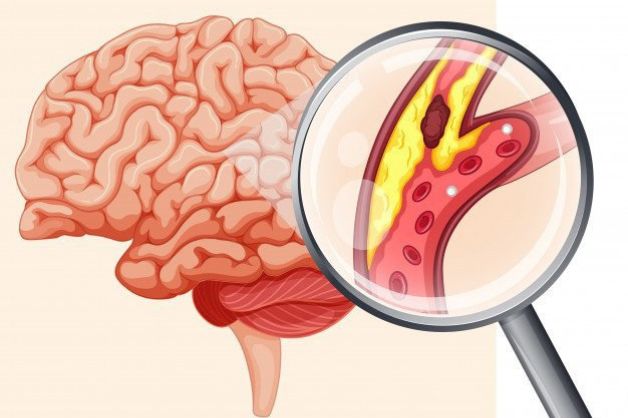
Why Sleep Problems Matter for Brain Health
During healthy sleep:
-
Blood pressure naturally drops at night
-
Blood vessels relax and recover
-
Inflammation is reduced
-
Blood clotting is regulated
When sleep is abnormal or disrupted, the opposite happens. Blood pressure may remain high, blood thickens, oxygen levels fluctuate, and
vascular damage accelerates - creating conditions that favor cerebral infarction.
1. Frequent Nighttime Awakening With Sudden Headaches or Dizziness
Waking suddenly at night with headaches, dizziness, or a spinning sensation is not normal and should not be dismissed.
Why this is concerning:
-
May indicate unstable cerebral blood flow
-
Can be linked to nighttime blood pressure spikes
-
Suggests reduced oxygen delivery to the brain
Many people assume nighttime headaches are caused by stress or fatigue, but recurring episodes—especially when accompanied by nausea
or balance issues - may signal narrowing or blockage in cerebral arteries.
This pattern is particularly dangerous because many strokes occur in the early morning hours, when blood pressure and clotting activity
surge.
2. Loud Snoring or Suspected Sleep Apnea
Chronic loud snoring, choking sounds during sleep, or pauses in breathing are classic signs of sleep apnea, a condition strongly linked to stroke.
How sleep apnea increases stroke risk:
-
Causes repeated drops in blood oxygen levels
-
Triggers inflammation in blood vessels
-
Raises nighttime and daytime blood pressure
-
Increases blood clot formation
People with untreated sleep apnea have a significantly higher risk of cerebral infarction, even if they are young or not overweight.
Warning signs include:
-
Loud snoring almost every night
-
Waking up gasping or choking
-
Morning headaches
-
Extreme daytime sleepiness
Sleep apnea often goes undiagnosed because it occurs during sleep - making awareness critical.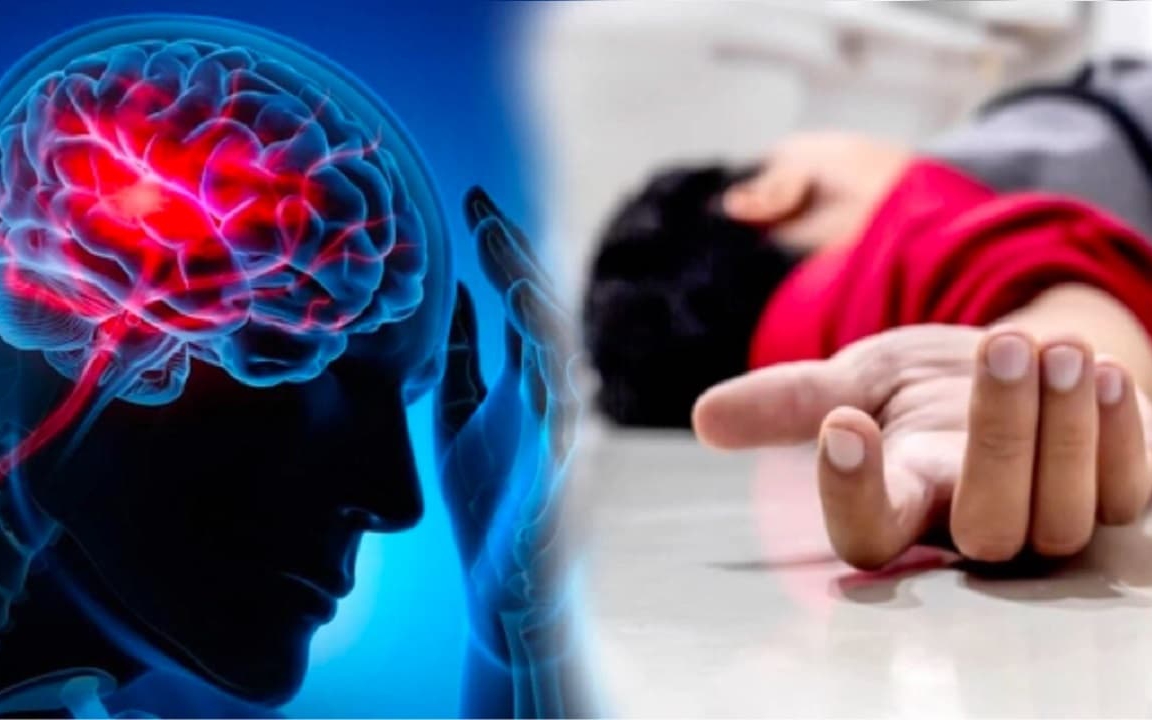
3. Insomnia or Extremely Poor Sleep Quality
Chronic insomnia - difficulty falling asleep, staying asleep, or waking too early - can silently increase stroke risk over time.
Why poor sleep quality is dangerous:
-
Keeps the nervous system in a constant stress state
-
Prevents nighttime blood pressure reduction
-
Increases cortisol and inflammatory markers
-
Promotes blood vessel damage
People who sleep fewer than 5–6 hours per night consistently are more likely to develop:
-
High blood pressure
-
Diabetes
-
Atherosclerosis
All of these are major contributors to cerebral infarction.
Importantly, it’s not just sleep duration but sleep quality that matters. Fragmented, shallow sleep does not provide the brain with sufficient
recovery.
Who Should Be Especially Careful
Sleep-related warning signs are particularly concerning in people who:
-
Have high blood pressure or diabetes
-
Are smokers
-
Are overweight
-
Have a family history of stroke
-
Are over age 40
However, younger adults are not immune - especially if sleep disorders are present.
What to Do If You Notice These Signs
If you experience any of these sleep abnormalities:
-
Do not ignore persistent symptoms
-
Monitor blood pressure regularly
-
Seek medical evaluation, especially a sleep study if snoring or apnea is suspected
-
Improve sleep hygiene (regular schedule, reduced screen time, quiet environment)
Early detection and treatment of sleep-related issues can significantly reduce stroke risk.
Ways to Protect Your Brain During Sleep
-
Sleep 7–8 hours consistently
-
Avoid alcohol and heavy meals before bed
-
Sleep on your side if snoring is present
-
Manage stress before bedtime
-
Treat underlying conditions such as hypertension or diabetes
Good sleep is one of the most powerful, yet underestimated, tools for stroke prevention.
Final Thoughts
The brain often sends warning signs at night - when the body is quiet and defenses are low. Frequent nighttime headaches, sleep apnea
symptoms, and chronic insomnia are not just sleep problems; they are potential vascular alarms.
Listening to these signals early may help prevent cerebral infarction before it occurs. In many cases, protecting your brain begins with
protecting your sleep.