Why Do Women Cross Their Legs When Sitting? The Psychology, Culture, and Comfort Behind a Common Habit
Facts 09/01/2026 21:36
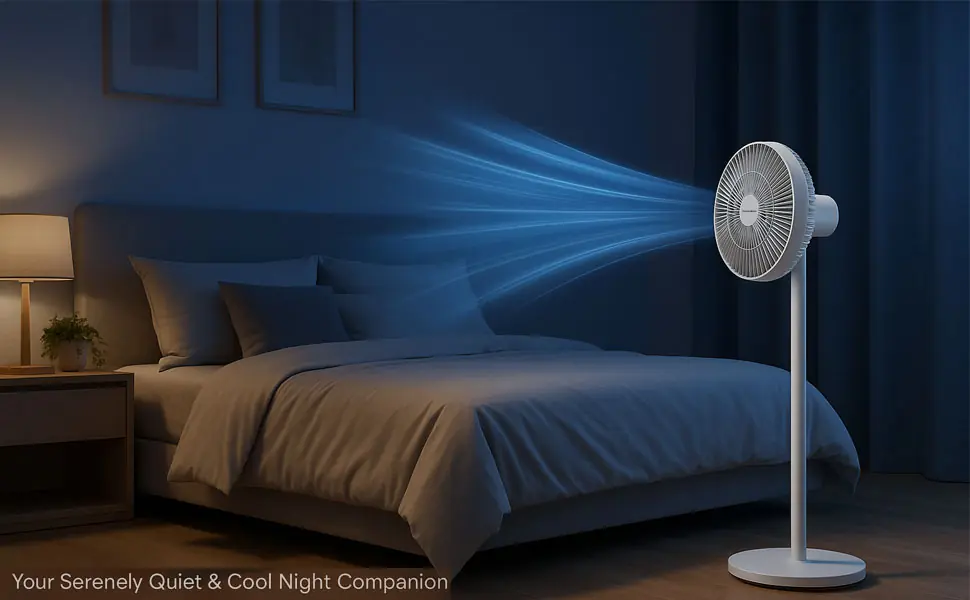
A striking question is spreading online alongside futuristic images of smart devices and digital dashboards: “Do you think there will be a future where a home can track all of your health metrics?” The idea may sound like science fiction, but many of the tools already exist. Smartwatches measure heart rate, bedrooms monitor sleep, and connected scales track body composition. Now, technology companies and healthcare systems are moving toward something bigger: a home that behaves like a personal health clinic—quietly collecting data and warning you before problems become serious.
But as this future gets closer, it raises equally important questions about privacy, accuracy, and control.
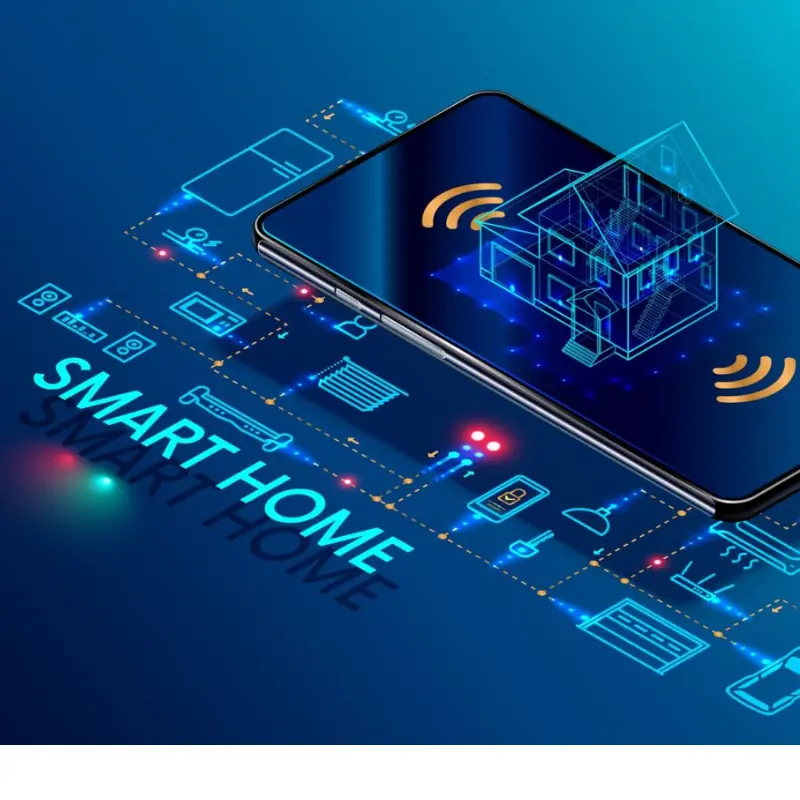
Today’s smart homes can already control lights, temperature, security, and appliances. The next step is health: using sensors, artificial intelligence, and connected devices to monitor the body in real time.
Experts call it ambient health monitoring—health tracking that happens passively, without needing to press buttons or visit a doctor. Instead of a single device, the entire home becomes a network of measurement tools.
Many metrics can be tracked using technology already on the market or in development. A future health-monitoring home may track:
heart rate and heart rhythm
blood pressure (through advanced wearables)
signs of irregular heartbeat
sleep duration and quality
breathing patterns
snoring and sleep apnea indicators
temperature shifts (fever detection)
stress signals using heart-rate variability
dehydration warnings
walking speed and posture
balance changes (useful for elderly safety)
falls or sudden collapse detection
cough detection and frequency
oxygen level estimates
indoor air triggers like dust or allergens
A home could also track environmental factors that affect health—such as air quality, humidity, carbon dioxide levels, and even light exposure.
A smart health home would likely combine multiple devices, including:
wearables (watches, rings, patches)
smart beds (pressure sensors, sleep tracking)
bathroom sensors (weight, hydration, urine analysis in future models)
voice assistants (detect changes in speech, cough, or mood patterns)
cameras or radar sensors (motion tracking without recording images)
air and temperature sensors (monitoring triggers for asthma or allergies)
AI would connect these signals to detect patterns, such as fatigue, irregular heartbeat, worsening breathing, or unusual inactivity.

Doctors often say the most powerful use of health monitoring is early detection. Many serious conditions develop slowly and quietly. A smart home could potentially alert someone to problems before they become emergencies—such as:
high blood pressure trends
signs of sleep apnea
abnormal heart rhythms
increased fall risk
worsening chronic illness symptoms
For older adults living alone, early warnings could be life-saving. Families might receive alerts if a parent has fallen, missed meals, or shows unusual movement patterns.
While the benefits sound impressive, experts also warn about major challenges.
A home that tracks everything could create a constant flow of sensitive health data. The biggest worry is: Who owns that data? If health tracking becomes linked to insurance, employers, or advertising, it could be misused.
Health sensors can trigger false alerts. Too many warnings may cause stress, panic, or unnecessary clinic visits. Accuracy depends on the device, the user’s body, and proper settings.
Any connected system can be hacked. Protecting medical-level data requires strong encryption, clear consent rules, and strict access limits.
Many experts believe it will, especially because:
healthcare systems are overwhelmed
populations are aging
chronic diseases are rising
remote monitoring saves time and cost
In the future, doctors may use home-generated data to adjust treatment. Instead of a patient visiting twice a year, the doctor may see trends daily—like blood pressure patterns, sleep quality, or activity levels.
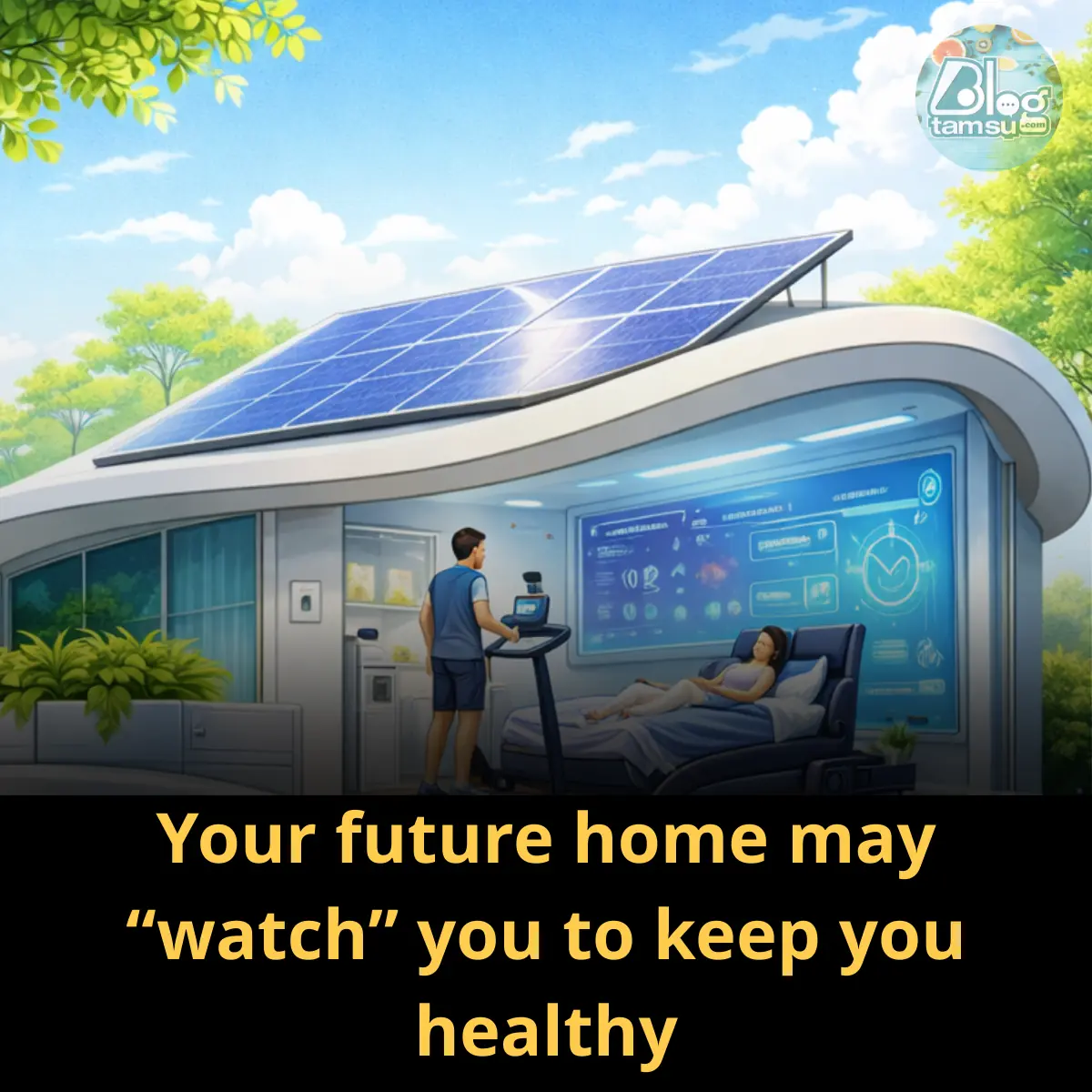
The likely future isn’t a home that “spies” on people. It’s a home that offers optional, user-controlled monitoring with strong privacy protections. Ideally, users will decide:
what gets tracked
what is shared
who receives alerts
when monitoring is turned off
Health tracking could become as normal as smoke alarms—quiet in the background, but ready when needed.