A striking image of a humanoid robot dressed in a suit, seated at a desk and facing a glowing analytics screen, is spreading online with a provocative question: “If AI keeps growing this fast, which job do you think will vanish first?” The idea may sound like science fiction, but the conversation is rapidly becoming reality as artificial intelligence moves from laboratories into offices, banks, call centers, and creative studios.
From automated customer service to AI-driven data analysis, the speed of adoption is raising an urgent question: Which jobs are most vulnerable—and which will evolve rather than disappear?
The Reality: Automation Usually Replaces Tasks, Not Entire Careers
Experts caution that most occupations won’t vanish overnight. Instead, AI tends to replace specific tasks—especially repetitive, rule-based work—while human workers shift toward responsibilities that require judgment, empathy, negotiation, and creativity.
However, when a job consists mainly of predictable tasks, companies may reduce hiring or eliminate roles entirely. In other words, the first jobs to “vanish” are often those where AI can do the core work faster and cheaper.
The Jobs Most Likely to Disappear First
1) Data Entry and Basic Administrative Work
AI systems can already read forms, extract information, sort files, and update databases with minimal human involvement. Businesses that rely heavily on routine paperwork may gradually automate these workflows.
Why at risk: repetitive tasks, structured data, low need for human judgment.
2) Customer Support for Simple Requests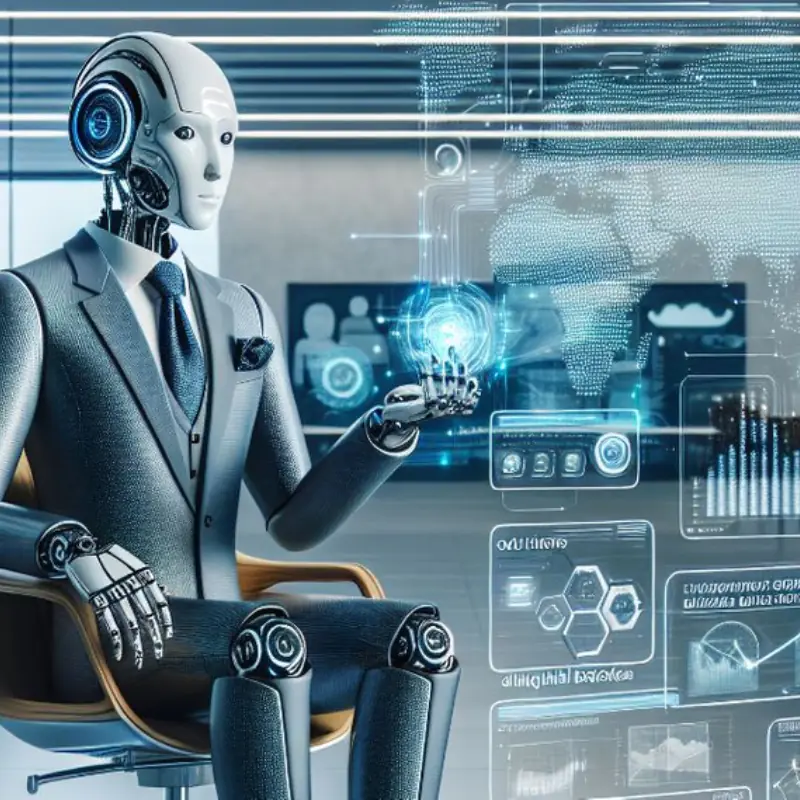
Chatbots and AI assistants can now handle common issues like password resets, order tracking, appointment scheduling, and refunds. Many companies use AI to reduce wait times and cut costs.
Why at risk: scripted conversations, predictable FAQs, high volume.
3) Telemarketing and Cold Calling
Sales calls that follow a strict script are increasingly automated by AI voice systems and targeted marketing tools. Instead of calling thousands of people, AI can identify likely buyers and generate personalized outreach instantly.
Why at risk: high repetition, measurable performance, easy to automate.
4) Basic Content Writing and Translation
AI can quickly generate short articles, product descriptions, email templates, and social media captions. Translation tools have also become more accurate and widely available, reducing demand for simple translation tasks.
Why at risk: standardized writing, formula-based content, speed advantage.
5) Simple Bookkeeping and Routine Accounting
Automated financial software can categorize transactions, detect anomalies, generate reports, and even predict cash flow. Accountants will still be needed, but the entry-level routine work may shrink.
Why at risk: rules-based processing, digital records, automation-ready systems.
The Image’s Message: AI Is Moving into “White-Collar” Territory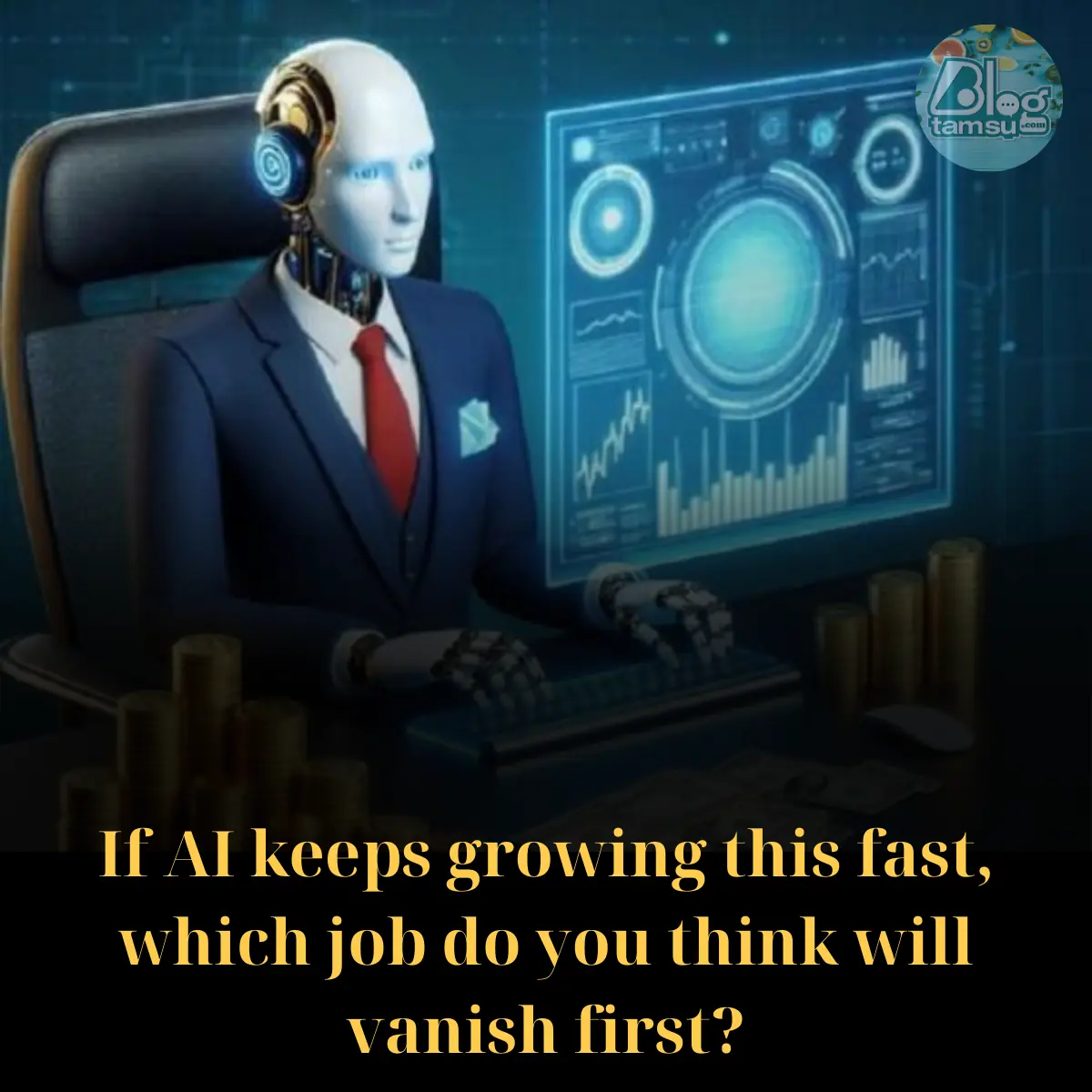
The robot in a business suit represents a growing truth: the AI revolution is no longer limited to factories. Automation is moving into white-collar work—especially where tasks involve:
-
structured information
-
repetitive decisions
-
predictable outcomes
-
digital communication
AI tools can already perform tasks once reserved for analysts, assistants, and junior professionals. That doesn’t mean humans are obsolete—but it does mean the job market is changing fast.
Jobs That Are Harder for AI to Replace
Even powerful AI struggles with real-world complexity, emotional intelligence, and responsibility. Roles that depend on human trust and physical presence are likely to remain in demand.
Examples include:
-
nurses and caregivers
-
teachers and counselors
-
skilled trades (electricians, plumbers, mechanics)
-
managers who lead people
-
emergency services
-
high-level strategy and negotiation roles
These jobs involve unpredictable situations, ethical decisions, and human connection—areas where AI remains limited.
The Biggest Change: Jobs Will Transform, Not Just Disappear
Many workers won’t lose employment entirely—they may find their roles reshaped. For example:
-
a customer service agent becomes an “AI supervisor,” handling complex cases
-
a writer becomes an editor and fact-checker for AI-generated drafts
-
an accountant becomes a financial advisor focused on strategy
In this sense, AI becomes less like a replacement and more like a powerful tool—one that rewards those who learn to use it.
What Workers Can Do Now
Experts recommend focusing on skills that are harder to automate:
-
communication and leadership
-
critical thinking
-
domain expertise (healthcare, law, finance, engineering)
-
creativity and problem-solving
-
tech literacy and AI tools
Learning how to collaborate with AI may become a key advantage in nearly every profession.