Europe’s Tech Awakening: How the EU Is Racing to Reclaim Its Digital Power
For years, the European Union has been labeled a “regulatory superpower but a technological lightweight.” Silicon Valley built the platforms, China scaled them at speed, and Europe wrote the rules. But that old narrative is starting to crack. Quietly, strategically, and sometimes controversially, the EU is reshaping its technological future — and the stakes could not be higher.
In a world where chips decide geopolitics, data fuels economies, and artificial intelligence rewrites productivity, Europe has realized one uncomfortable truth: technological dependence is a vulnerability. From relying on Asian semiconductor fabs to American cloud giants and social platforms, the EU has learned that sovereignty in the 21st century is no longer just about borders — it’s about code, servers, and supply chains.
From Regulation to Reinvention
Europe’s first instinct was regulation. Landmark laws like the GDPR, the Digital Markets Act (DMA), and the Digital Services Act (DSA) have reshaped how global tech companies operate. Love them or hate them, these rules forced Big Tech to adapt to European values: privacy, competition, and accountability.
But regulation alone doesn’t build technology. And Brussels knows it.
That’s why the EU is now pairing rules with massive investment. The EU Chips Act, backed by more than €43 billion, aims to double Europe’s share of global semiconductor production by 2030. The goal isn’t to beat Taiwan or South Korea — it’s to ensure Europe never again finds itself paralyzed by a chip shortage.
At the same time, initiatives like Horizon Europe and the Digital Europe Programme are funneling billions into AI, quantum computing, cybersecurity, and supercomputing. This is not just funding research papers; it’s about turning labs into industries.
AI: Europe’s High-Stakes Balancing Act
Artificial intelligence is where Europe’s technological philosophy becomes most visible — and most controversial.
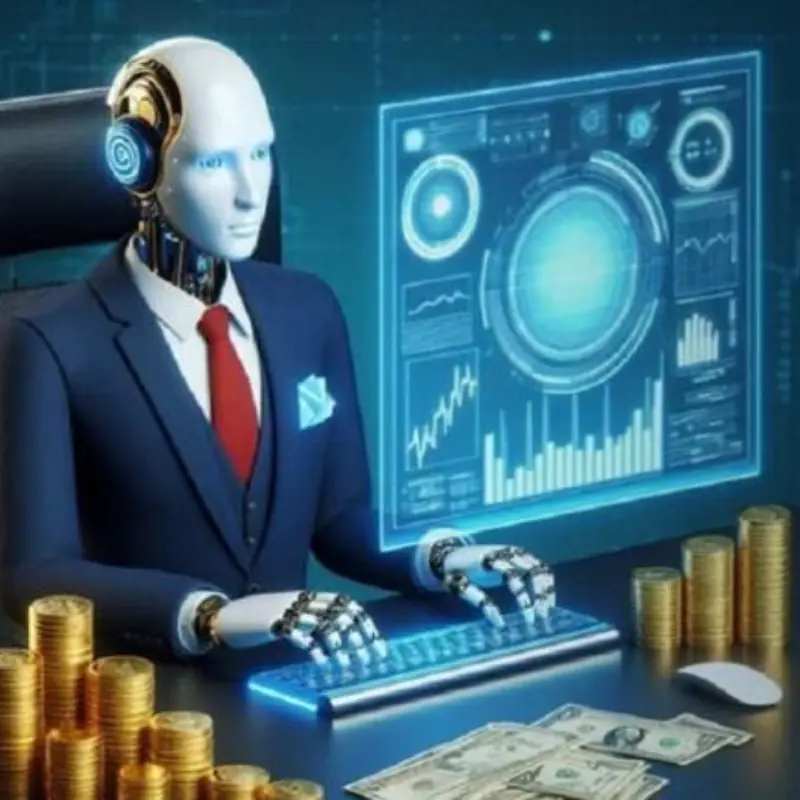
While the US races ahead with scale and China pushes state-driven deployment, the EU is betting on “trustworthy AI.” The AI Act, the world’s first comprehensive AI law, classifies AI systems by risk and places strict limits on uses like facial recognition and social scoring.
Critics argue this will slow innovation. Supporters say it will make European AI globally competitive by design — safer, more transparent, and more aligned with human rights.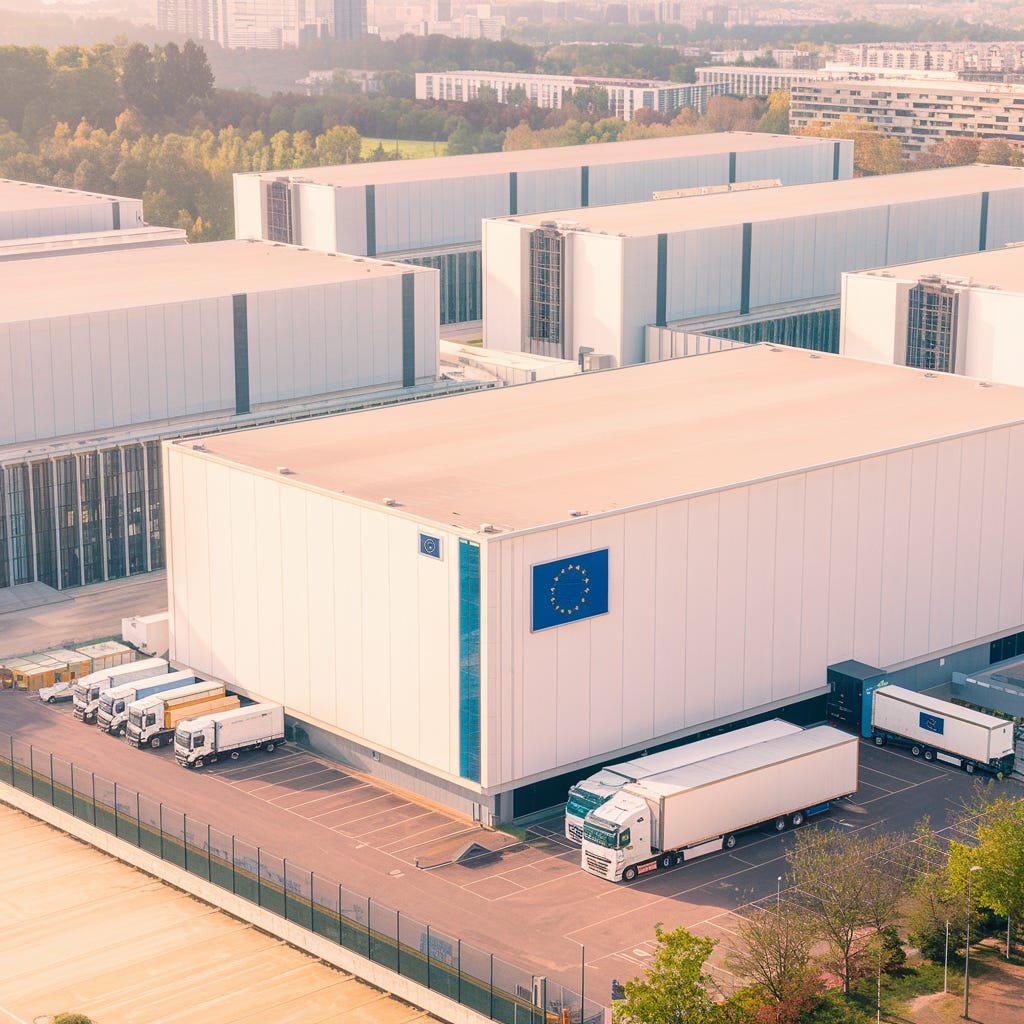
What’s clear is this: Europe doesn’t want to win the AI race by moving fastest. It wants to win by setting the standard. If successful, companies worldwide may end up building AI “the European way” simply to access the EU market.
Startups, Scaleups, and the Missing Giants
Europe is no longer short on startups. Cities like Berlin, Paris, Stockholm, Amsterdam, and Lisbon are buzzing with founders. Europe now produces world-class companies in fintech, climate tech, health tech, and deep tech.
The real problem is scale.
Too many European startups still sell early to US giants or struggle to grow into global platforms. Fragmented markets, cautious capital, and regulatory complexity remain barriers. The EU is trying to fix this with a Capital Markets Union, startup visas, and cross-border digital infrastructure — but progress is uneven.
Still, cracks in the old ceiling are showing. European companies are emerging as leaders in green technology, industrial AI, robotics, and energy systems — sectors where Europe’s engineering strength and climate priorities align perfectly.
Digital Sovereignty Is the New Power
Perhaps the most radical shift is philosophical. The EU is no longer pretending it can stay neutral in the tech power struggle. Concepts like digital sovereignty, strategic autonomy, and technological resilience are now central to policy.
This means European cloud projects, secure data spaces, domestic battery supply chains, and reduced dependence on foreign tech monopolies. It’s not about isolation — it’s about leverage.
The Shock Factor: Europe Is Playing the Long Game
The shocking part isn’t that Europe is behind. It’s that Europe may be building the most sustainable tech model of all.
While others chase speed, Europe is betting on durability. While others optimize for growth at any cost, Europe is optimizing for trust, stability, and societal impact. This approach may look slow — until the rest of the world starts copying it.
The EU’s technological comeback won’t be loud. It won’t look like Silicon Valley hype or Shenzhen scale. But if it works, Europe won’t just be a rule-maker anymore.
It will be a serious tech power — on its own terms.