Furthermore, the identification of these 'anxiety-off' switches suggests that the brain possesses an innate, high-speed regulatory system designed to restore emotional equilibrium after a perceived threat has passed. Scientists are now investigating whether chronic anxiety disorders stem from a functional 'stiffness' in these circuits, where the calming pathways become dormant or under-active over time.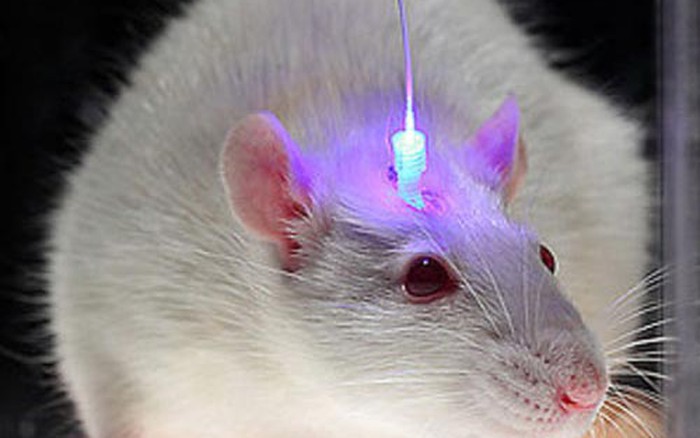
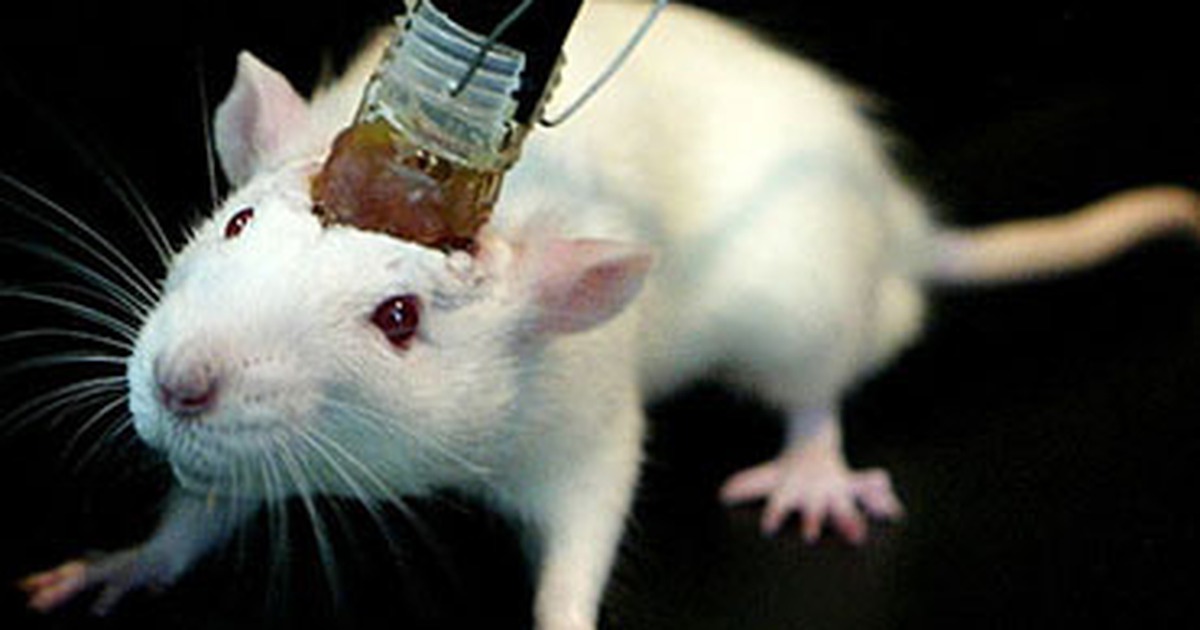
If these pathways can be non-invasively stimulated in humans, perhaps through refined Transcranial Magnetic Stimulation (TMS) or focused ultrasound, it would mark a departure from the 'chemical imbalance' model toward a more precise 'circuitry-based' psychiatry.

Such a shift promises a future where mental health crises can be de-escalated at the neurological level in real-time, offering a biological safety net for those resistant to traditional talk therapy. Ultimately, this paradigm transition from broad-spectrum pharmacology to localized circuit modulation could redefine our fundamental understanding of emotional resilience.