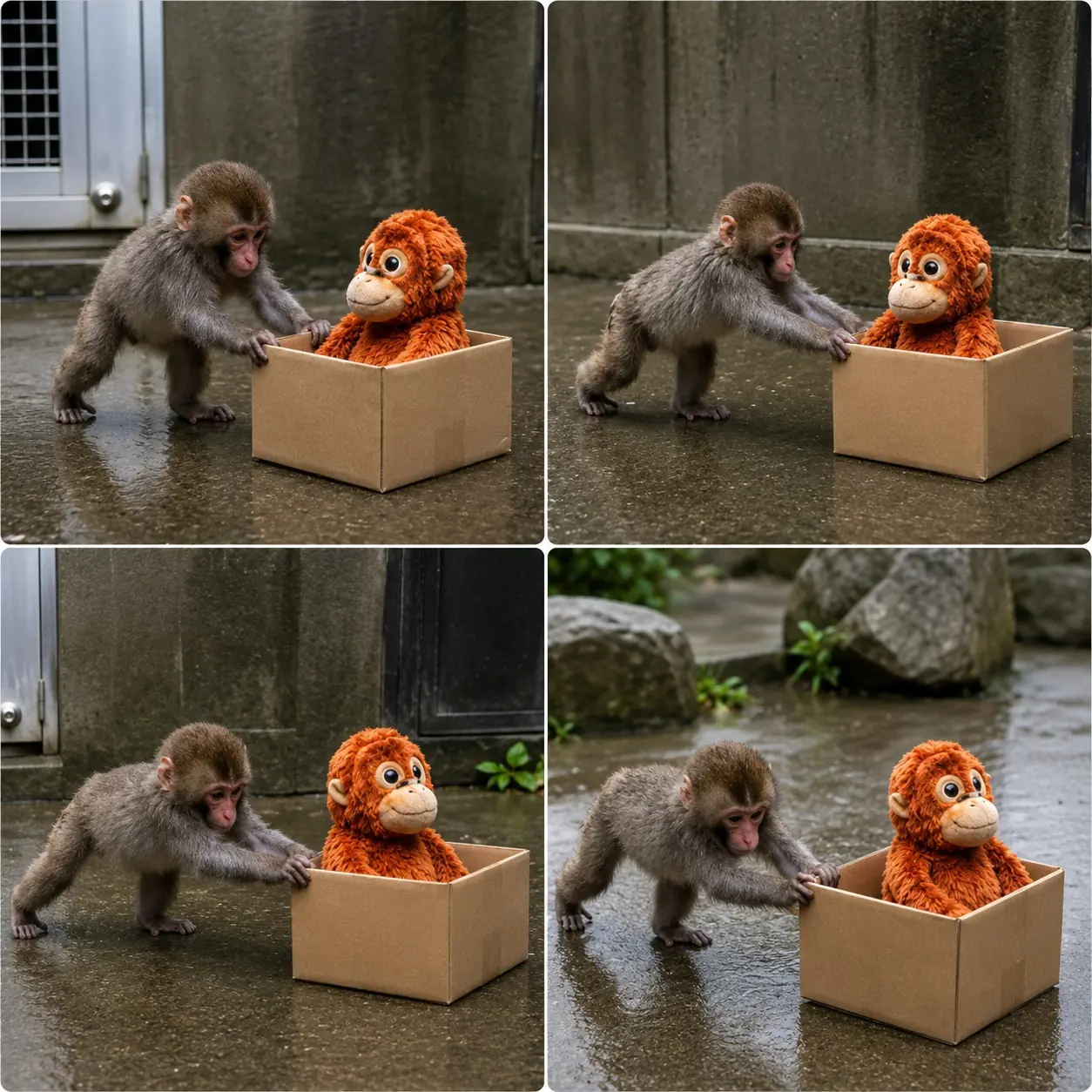
Nobody Expected Punch to Turn This Small Box Into a Full Adventure
Punch Turned a Tiny Cardboard Box Into the Cutest Little Tank Ever
News 26/05/2026 10:26
Excavations at the 3,000-year-old Syedra ancient city, about 20 kilometers (12.4 miles) east of Alanya in Türkiye’s Antalya province, show the site was a major olive oil production hub during the Hellenistic and Roman periods, with nearly 20 workshops uncovered so far and more than 100 identified citywide.
Speaking to Anadolu Agency, excavation director Professor Ertug Ergurer said the findings highlight the city’s industrial scale.
"Through excavations, we have uncovered nearly 20 olive oil workshops. Beyond that, we have identified over 100 such workshops across the entire ancient city. This indicates very intensive olive oil production here," he said.
Researchers say almost every structure in Syedra contains an olive oil or other production workshop beneath it, with large storage vessels known as “pithoi” used for keeping olive oil.
Ergurer said the placement of the workshops is unusual.
"The presence of olive oil workshops within the city was intriguing for us. Typically, production occurs outside the city, beyond the walls. Here, however, they are under nearly every building, which is noteworthy. This shows that olive oil production was carried out on a massive scale."
According to the excavation team, the volume of production suggests goods were exported across the Mediterranean, including to North Africa and the Levant, rather than serving only local needs.
Visitors to the site can observe demonstrations of ancient production methods with olives crushed, pressed using wooden lever systems and mechanisms, and transferred into storage containers before being moved to larger pithoi.
Archaeologists note that olive cultivation in the Eastern Mediterranean dates back to around 6000 BCE and spread widely by the Bronze Age, with the Mediterranean basin — including Türkiye’s coastal regions — remaining a core production and trade area for millennia.
Punch Turned a Tiny Cardboard Box Into the Cutest Little Tank Ever
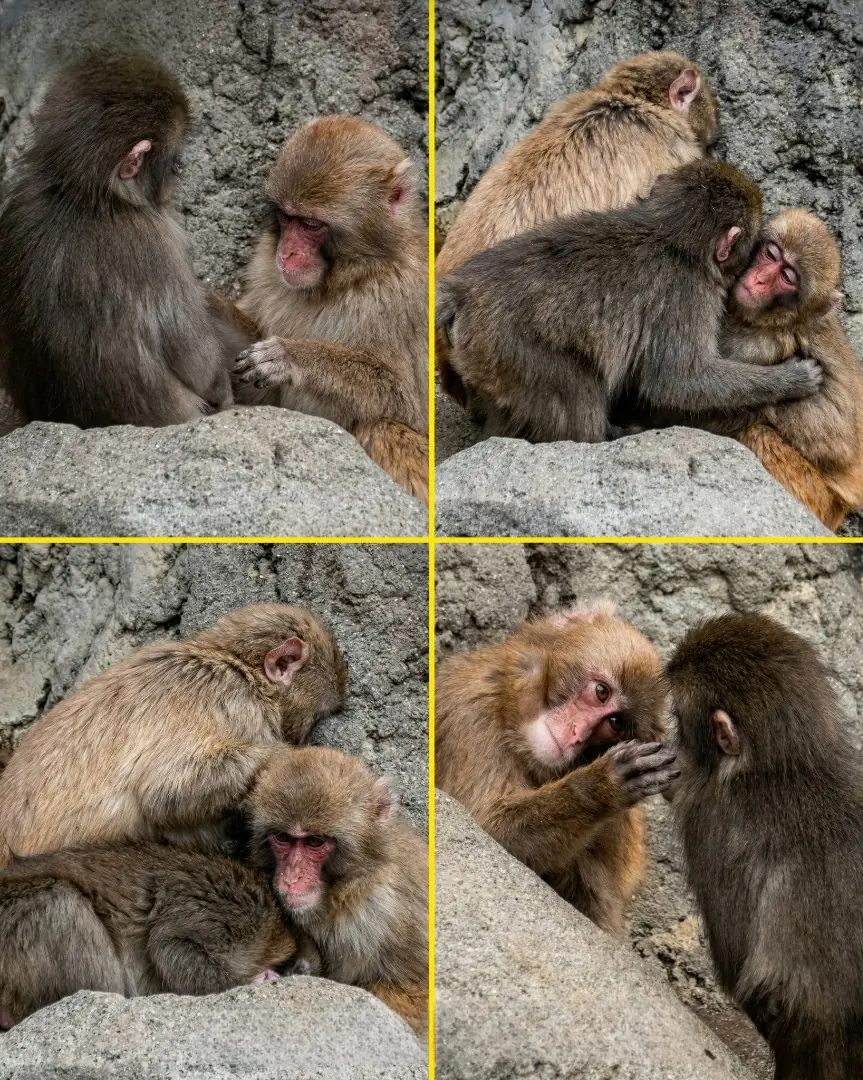
From Rejected to Loved: Little Punchy’s Emotional Journey Finally Comes Full Circle

In His Own Little World: How a Toy Helped a Baby Macaque Heal

Not Rejection, But Protection: What Punch the Monkey Teaches Us About Fear and Trust

3 Months vs. 9 Months: A Beautiful Reminder That Some Things Never Change

More Than Caretakers: The Quiet Love That Turned Into Family at Ichikawa Zoo

From Storms to Smiles: Understanding the Emotional Seasons We All Go Through

When Safety Becomes Home: The Meaning of Truly Belonging 🌿

How Trust Is Built Slowly—and Why It Lasts So Deeply

The Power of Stillness: What Punchy Teaches Without Words

Not Through Words, But Through Staying: A Story of Trust and Connection

A Small Act of Care Before a Sweet Moment with Momo-chan
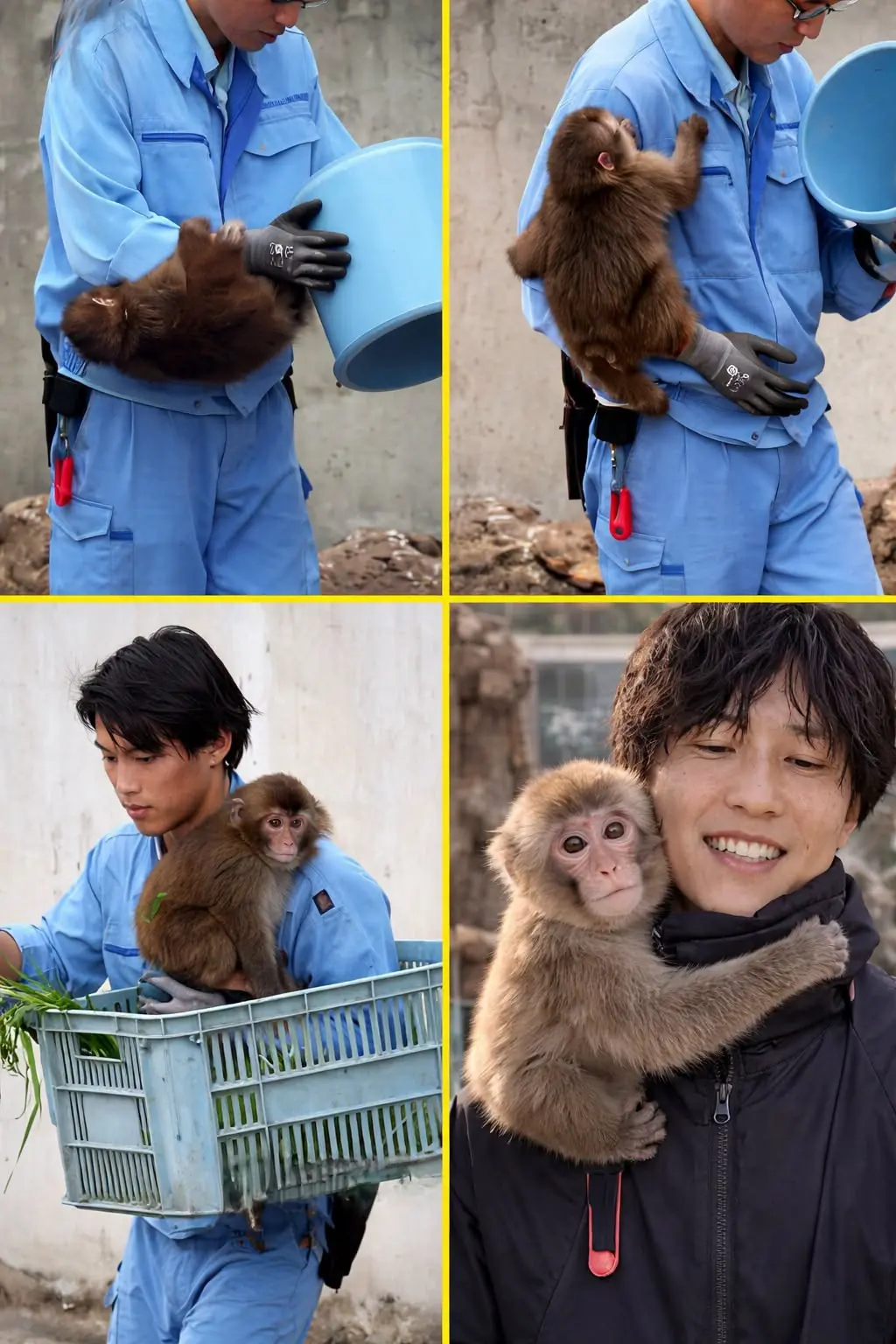
Even When Everything Was Shaking, Punchy Never Let Go

Sometimes We Don’t Notice the Signs Until They Become Loud
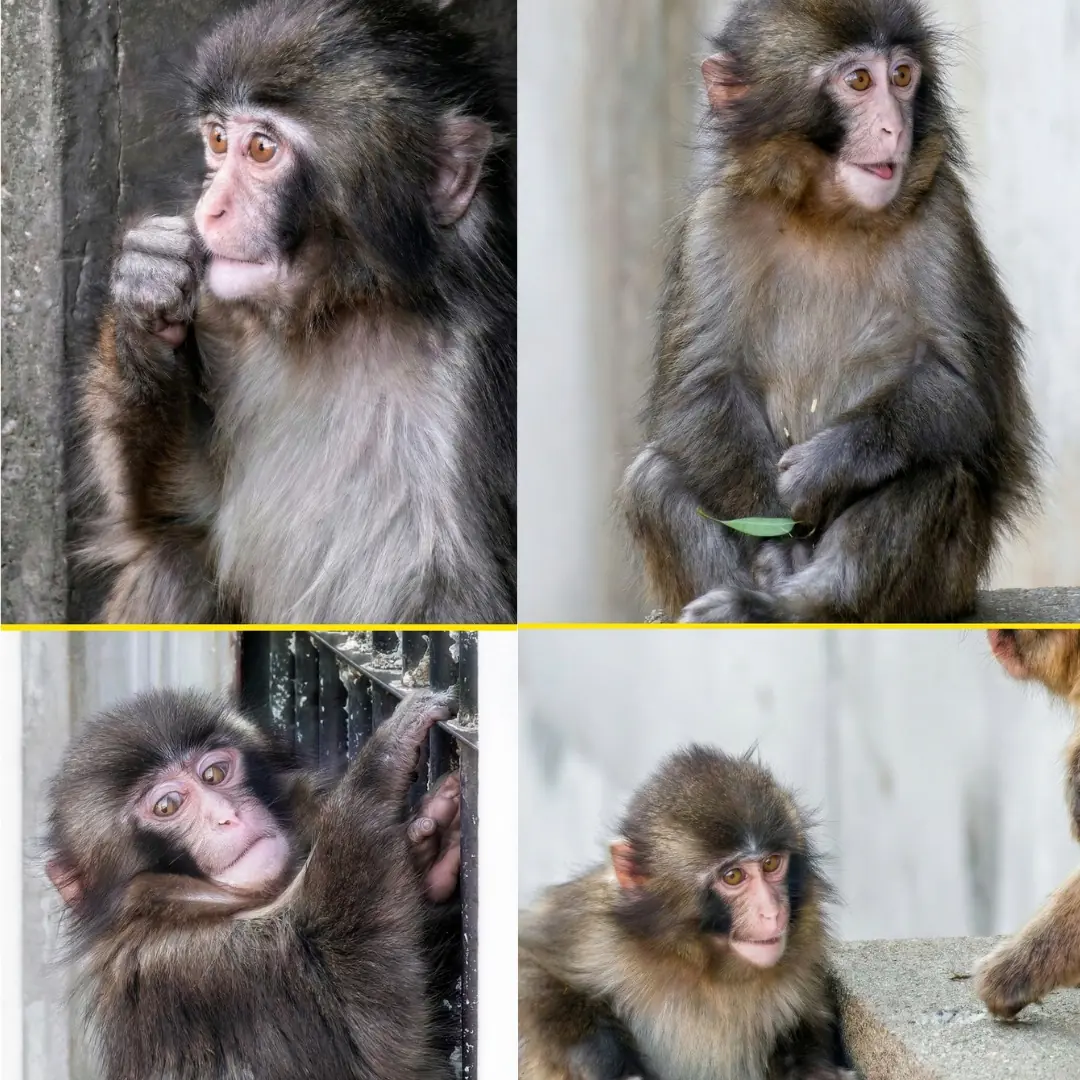
Little Punchy’s Transformation: From Hiding in Fear to Exploring with Confidence

Punch – The Baby Monkey Who Found Comfort in a Toy

What Do You Really See When You Look Into Punchy’s Eyes?

A Monkey, a Toy, and a Question About Emotion: What Is Punchy Really Feeling?

The Lonely Monkey Who Treated a Toy Like Family—Punch’s Emotional Story

The Untold Truth: How Bullying Affects a Monkey
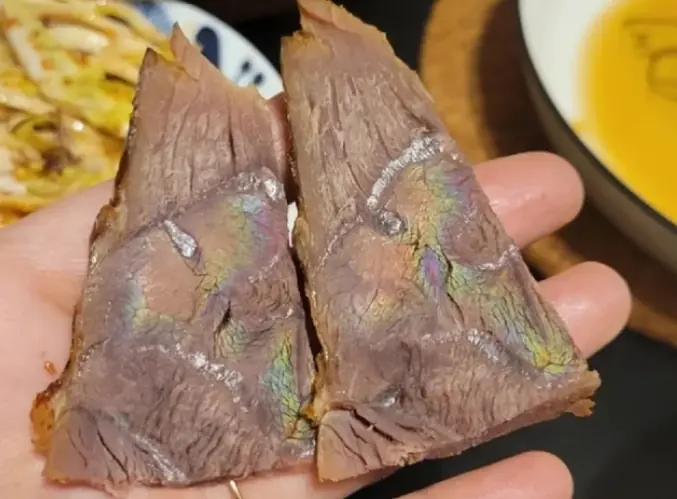
That colorful rainbow sheen on roast beef or ham isn't always a warning sign—it often has a simple scientific explanation.

The Hidden Reason Airport Staff Dislike Decorative Suitcase Ribbons
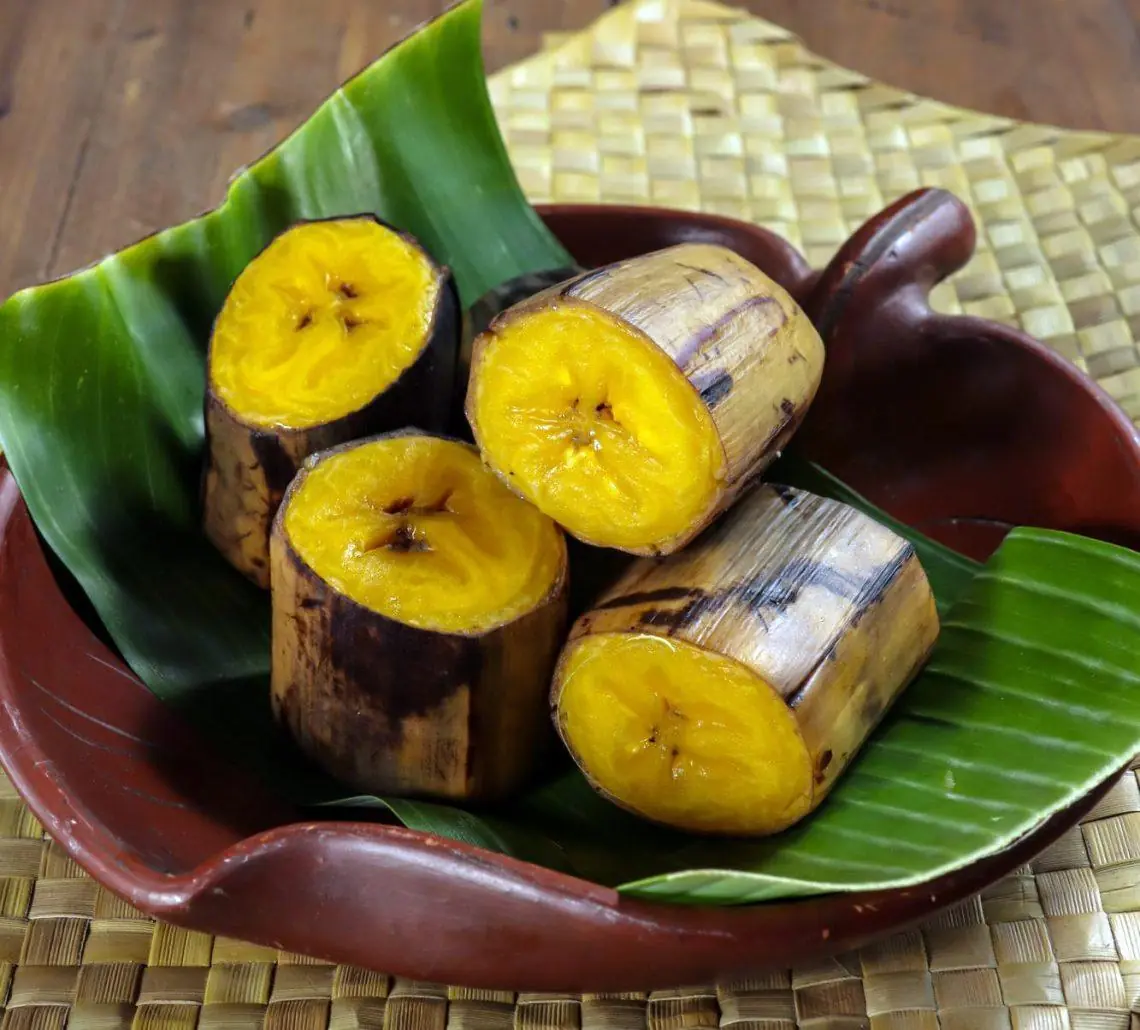
Doctors reveal why eating boiled bananas before meals may improve digestion, appetite control, and overall health.
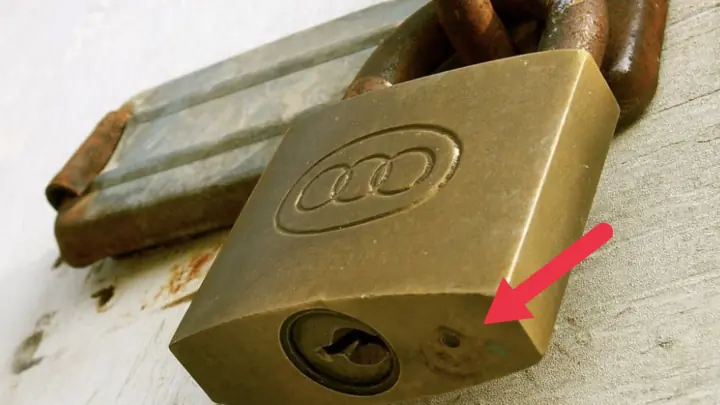
A Small Hole With a Surprisingly Important Job
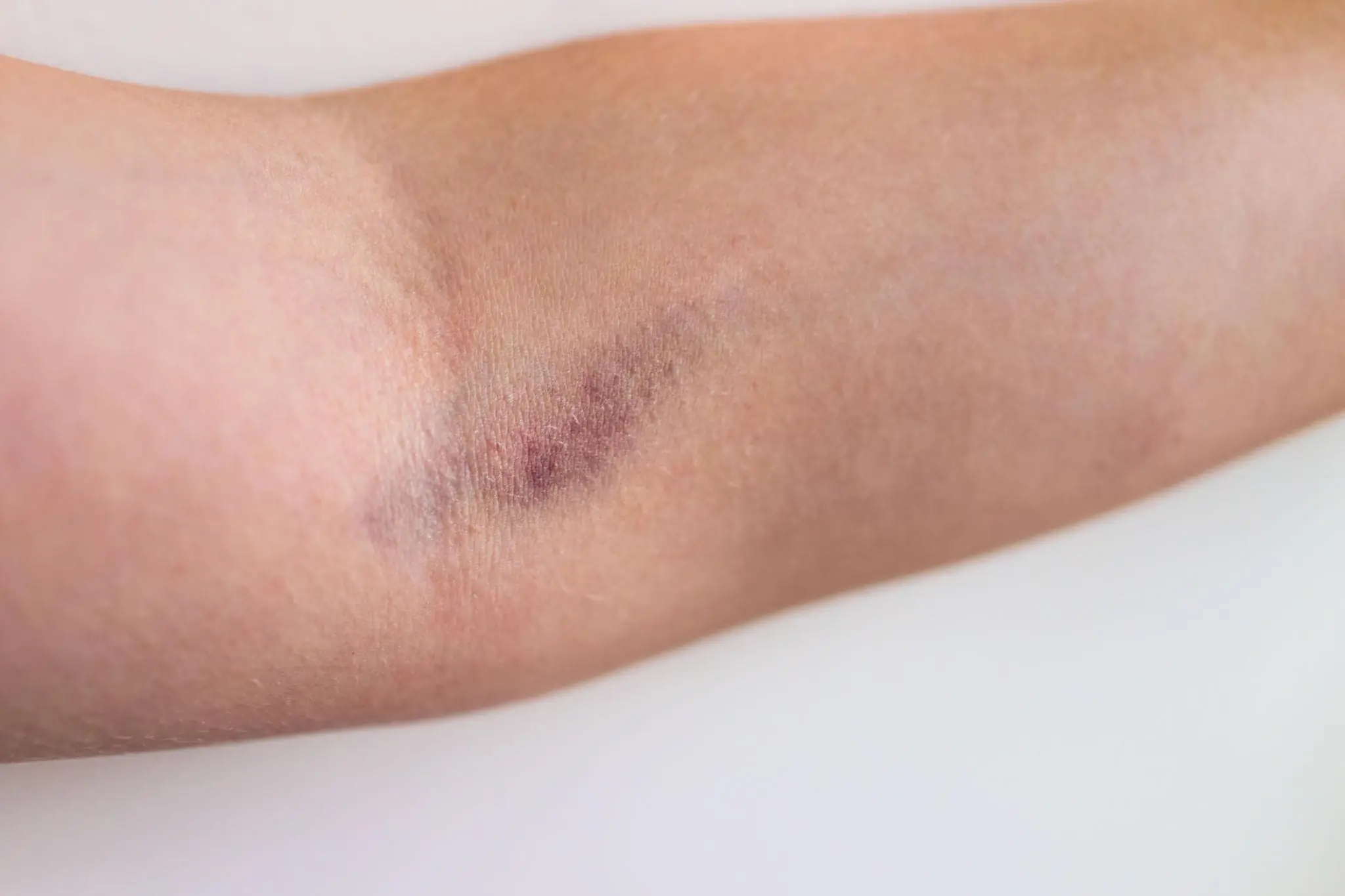
Frequent bruises without injury may be more than a cosmetic issue—they could signal an underlying health problem that deserves attention.
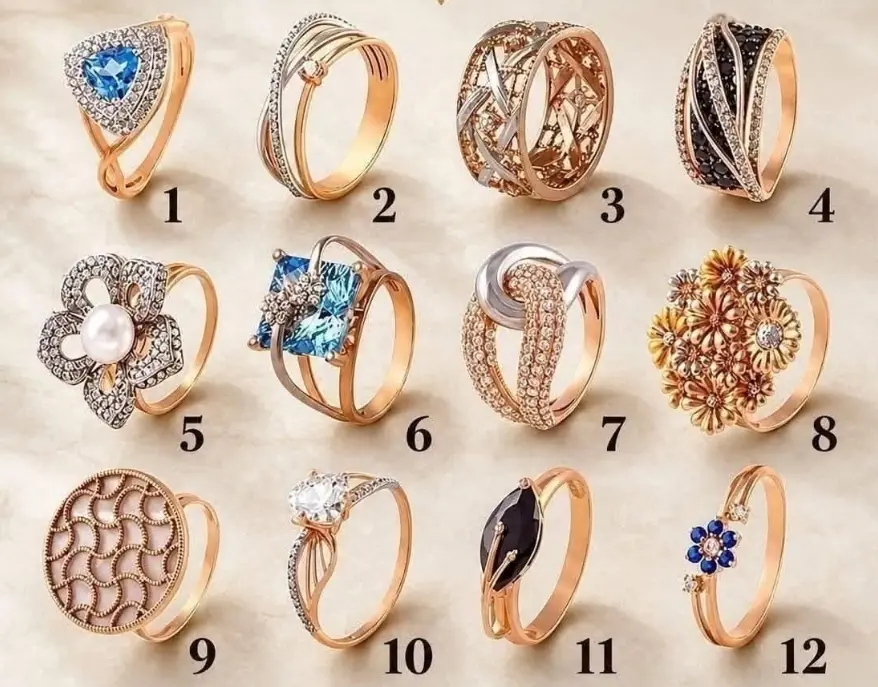
Your First Choice Says More About You Than You Think
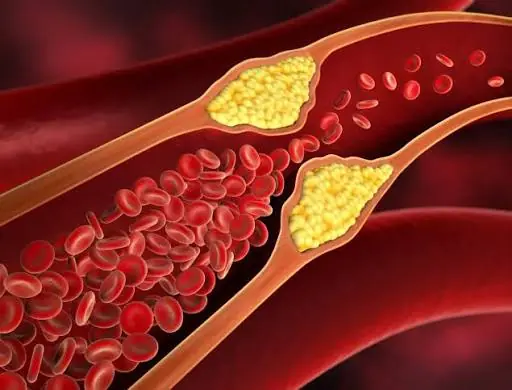
Simple Morning Changes That May Help Protect Your Heart
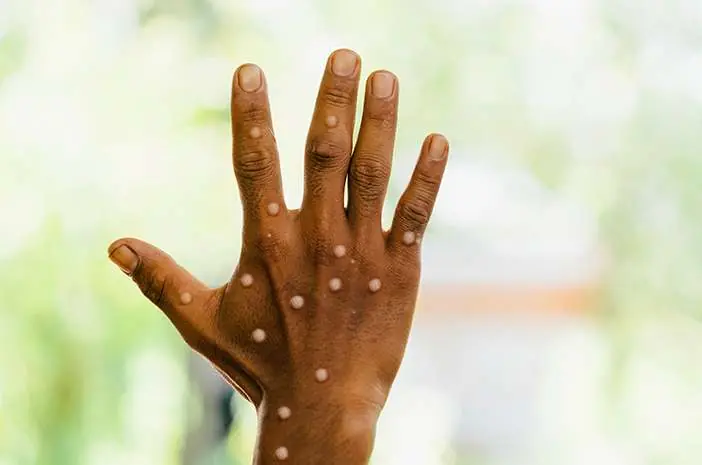
😳 Doctors Say These 6 Body Changes Become More Important to Monitor After 40
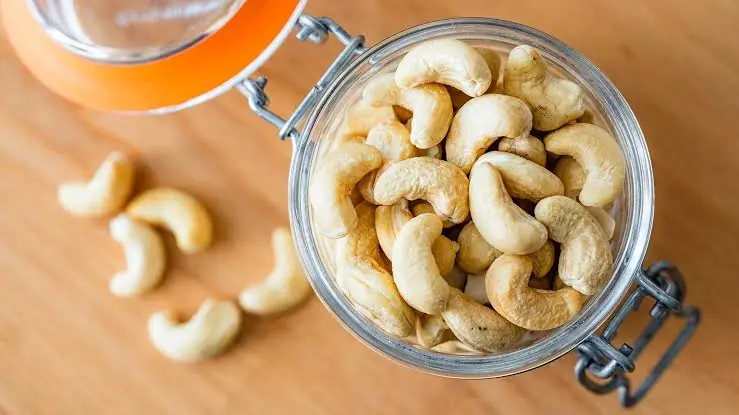
🥜 Thinking of Adding Cashews to Your Diet? Here's What Experts Say 👇
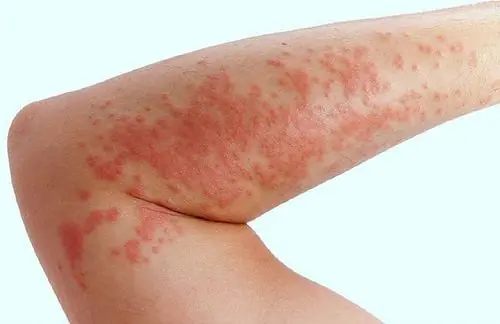
🚨 Don't Overlook Itchy Skin and Unusual Bumps—They Could Be Important Clues
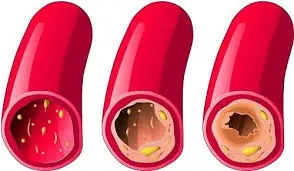
❤️ Healthy Arteries Start in the Kitchen: Foods That May Support Better Circulation
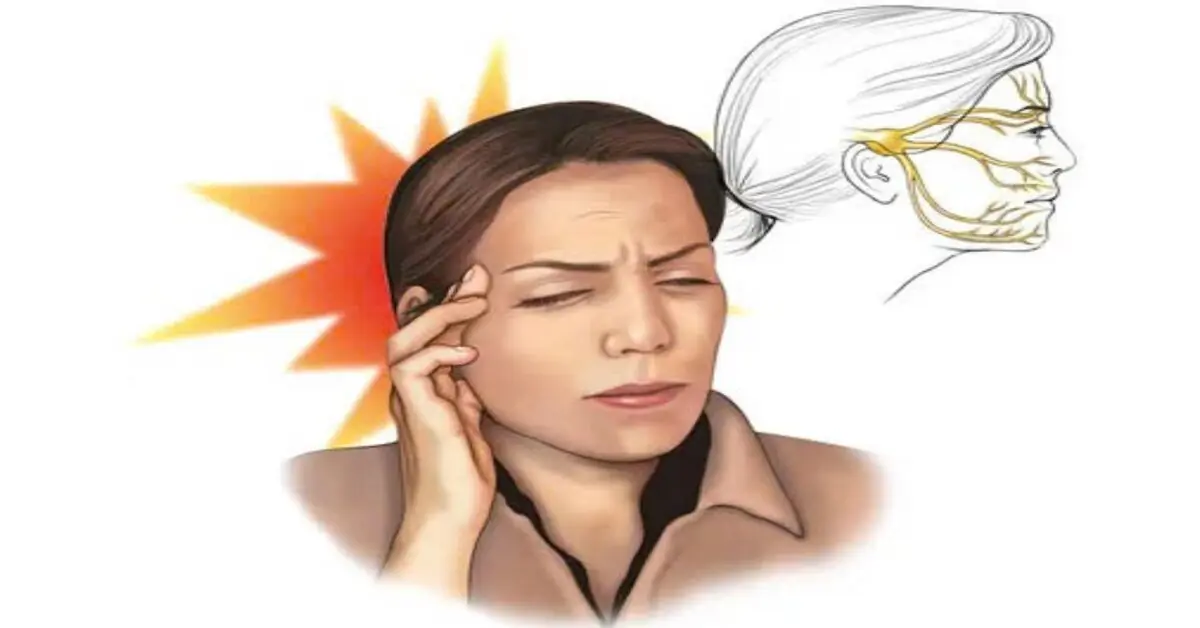
⚠️ Your Body Could Be Sending These 9 Early Diabetes Alerts Right Now
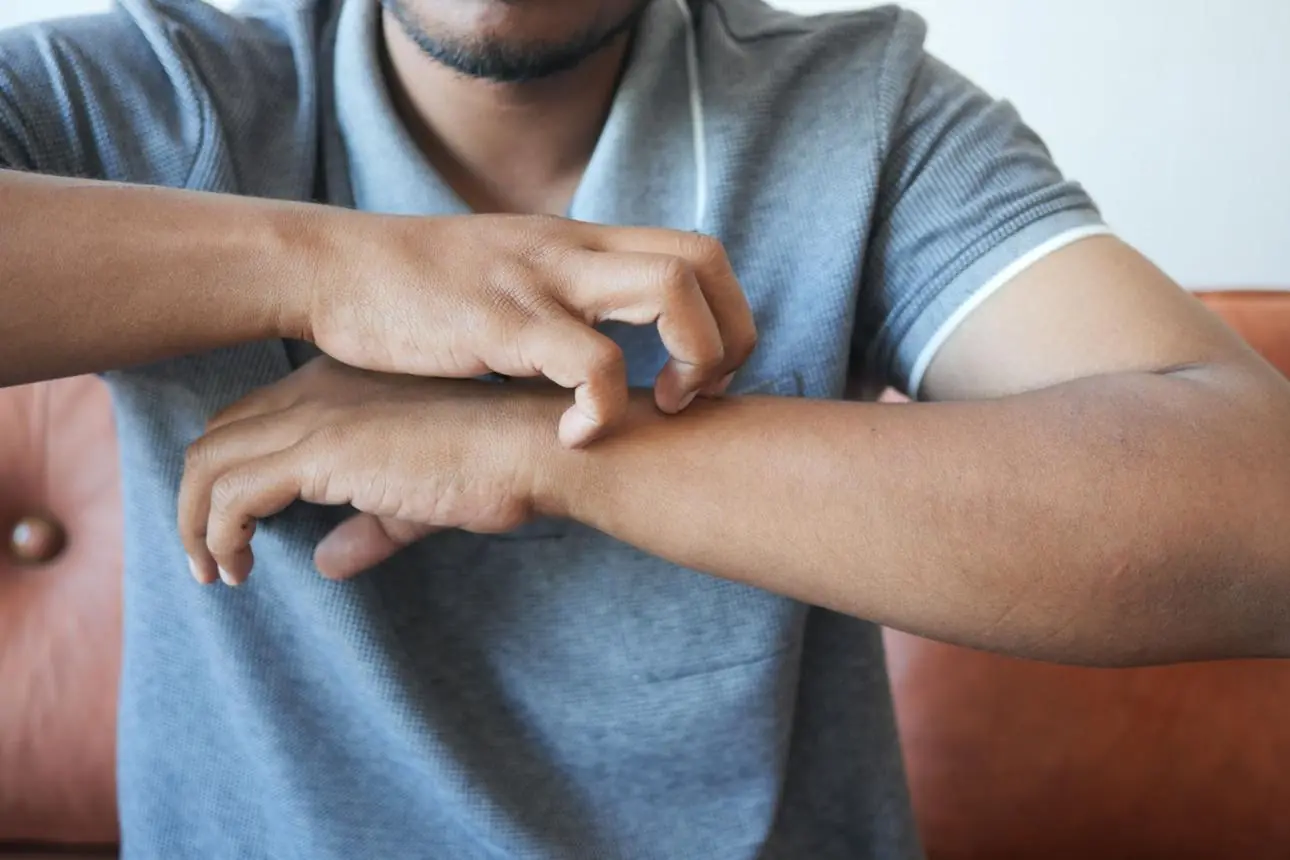
Nighttime itching may sometimes signal deeper health issues to investigate.
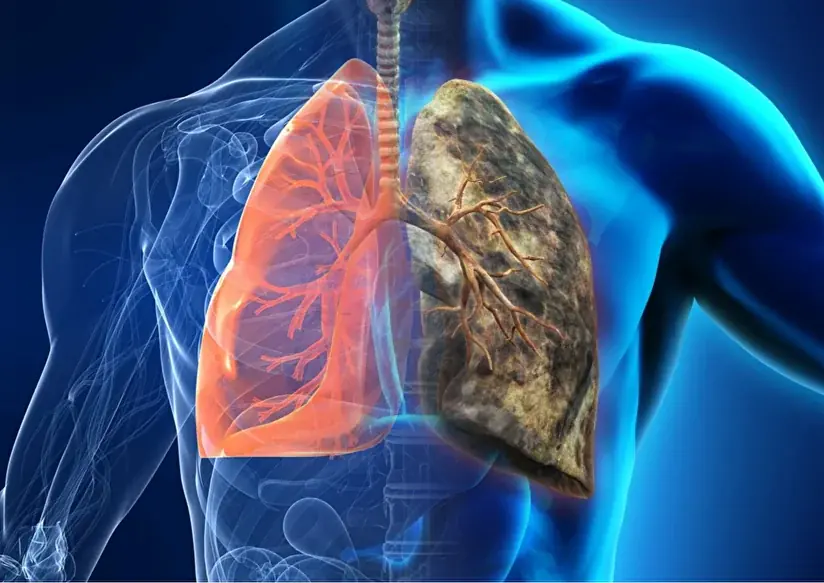
If you've noticed unusual changes in your fingers, your body may be trying to tell you something important 👀

Early kidney problems often show subtle signs many people overlook.
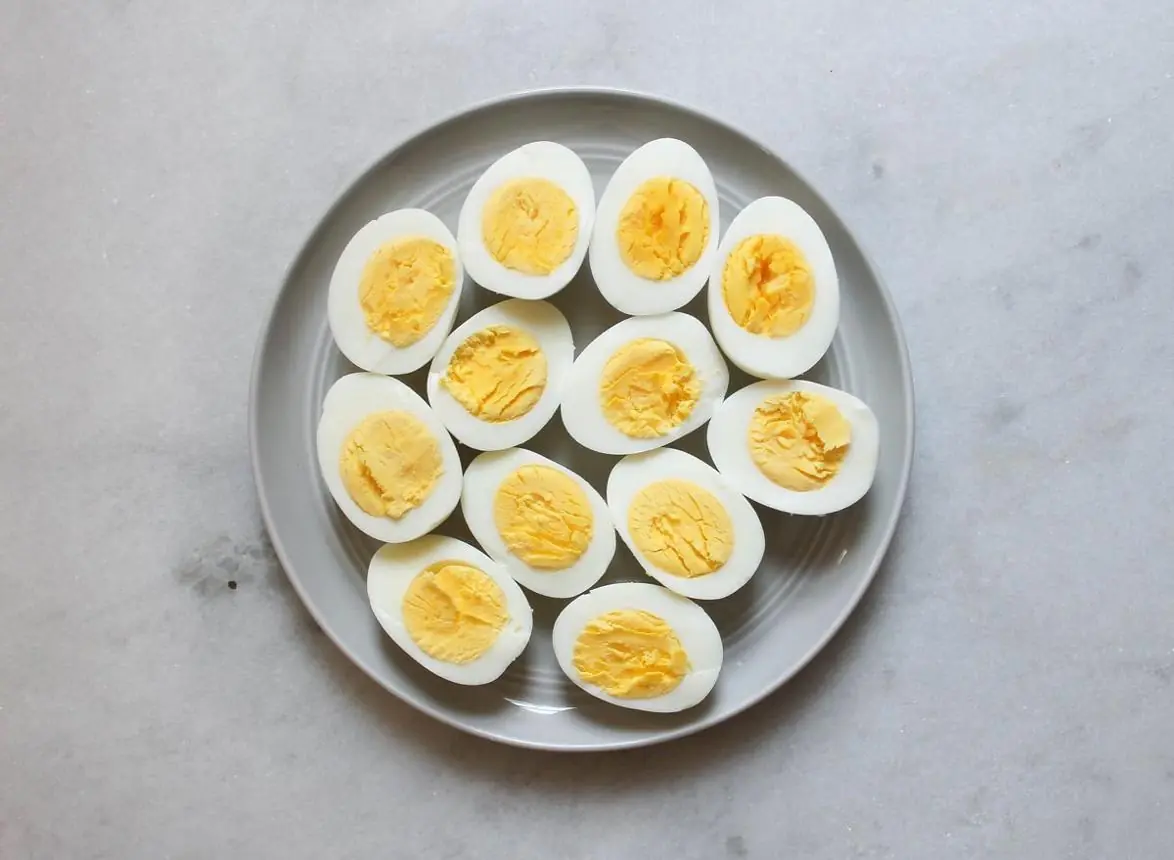
A simple mistake when eating eggs may pose serious health risks.

Waking up at 3 or 4 a.m. may reveal more about your sleep habits.
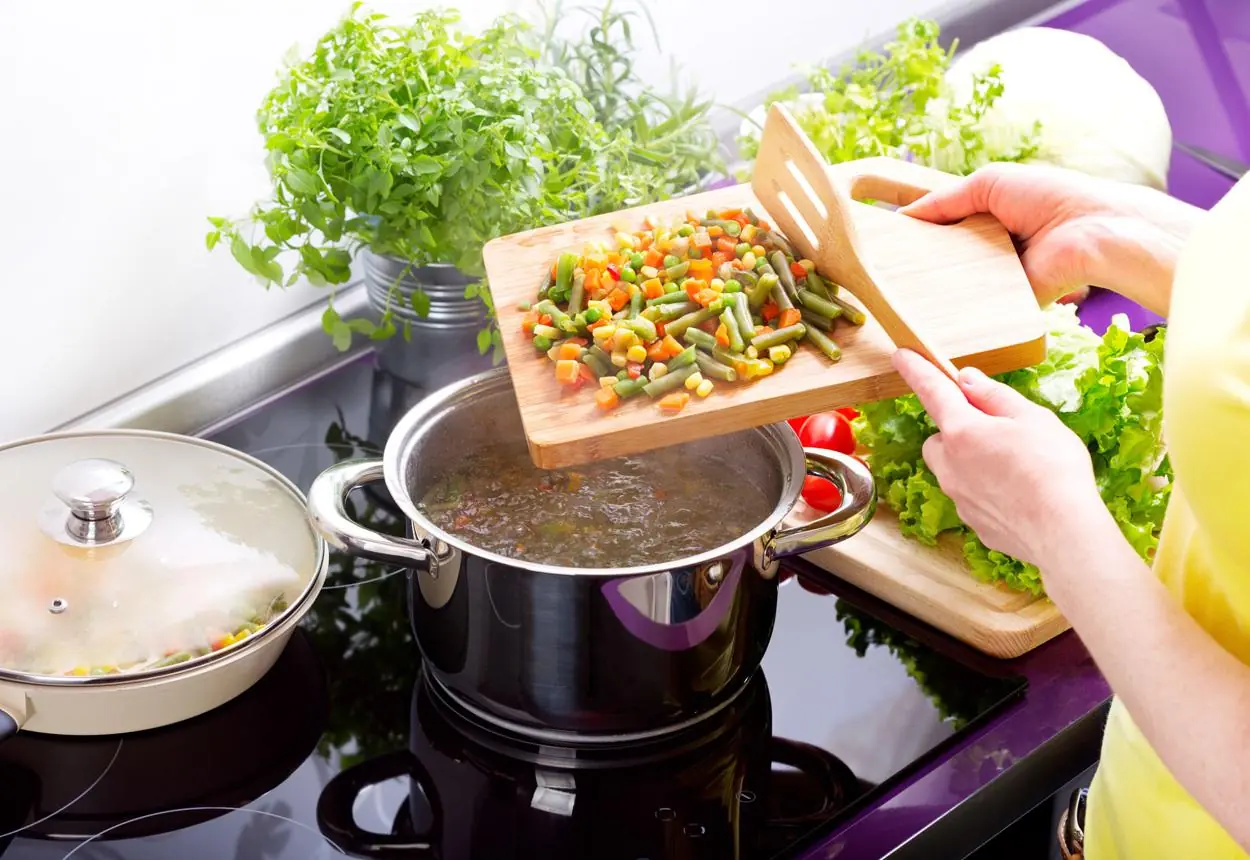
Food safety mistakes can lead to serious health risks and emergencies.

Funeral traditions often assign special meanings to clothing colors.
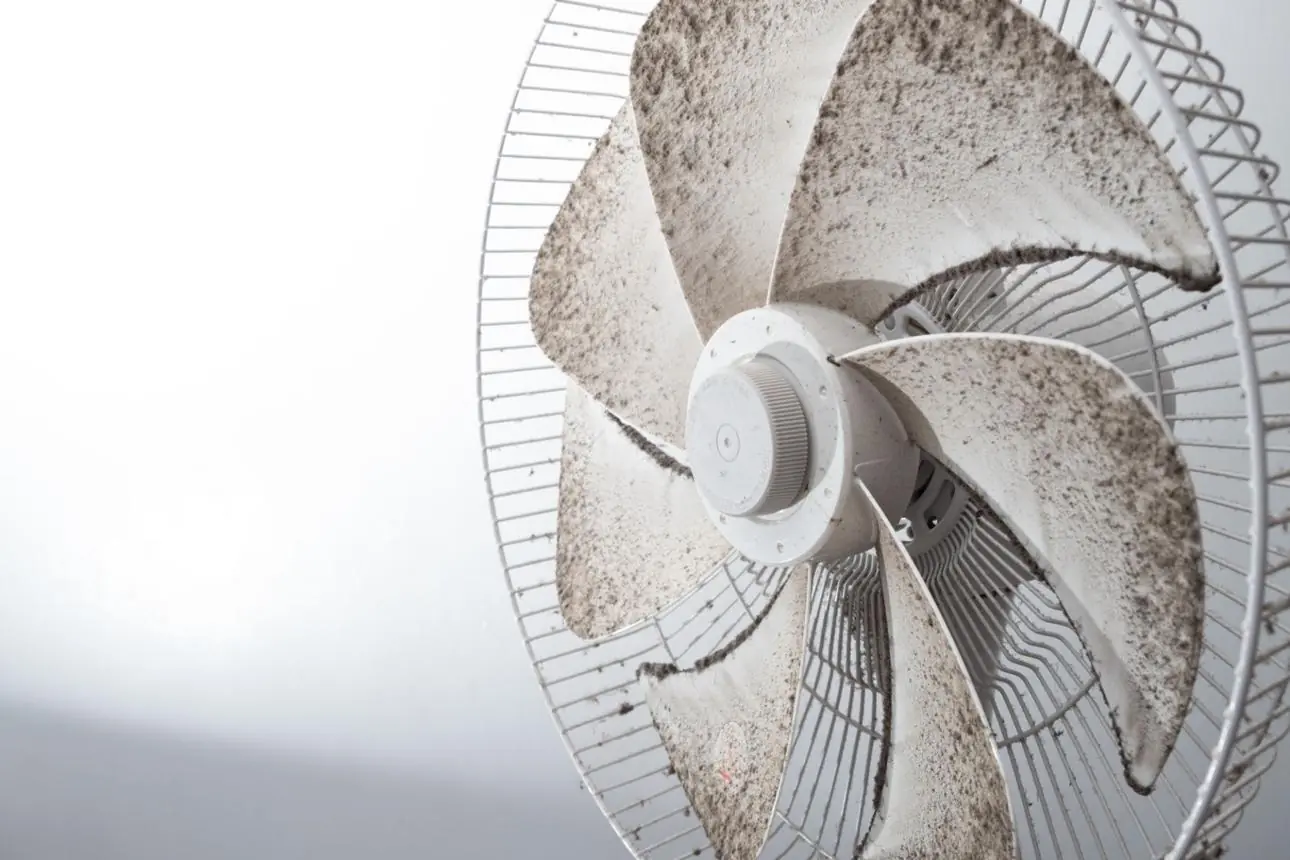
Clean dusty fan blades quickly with this easy no-disassembly method.