Doctor Warns: Eating Too Much Rice Could Cause… What You Should Know 😮
Rice is one of the most widely consumed staple foods in the world. For billions of people, it’s part of daily meals—breakfast, lunch, or dinner. It’s filling, affordable, and easy to prepare. But like many foods, eating too much of it may have some health consequences that are often overlooked.
Doctors and nutrition experts don’t usually say rice is “bad.” Instead, they emphasize balance, portion control, and diet variety. So what actually happens when you eat too much rice regularly?
Let’s break it down.

1. It May Lead to Blood Sugar Spikes
White rice, in particular, has a high glycemic index, meaning it can raise blood sugar levels quickly after eating.
When consumed in large amounts frequently, it may contribute to:
- Rapid increases in blood glucose
- Increased insulin demand
- Higher risk of blood sugar imbalance over time
This is especially important for people with or at risk of diabetes.
2. It Can Contribute to Weight Gain
Rice is not unhealthy on its own, but it is calorie-dense when eaten in large portions. If rice makes up most of your meals without enough protein, fiber, or vegetables, it may lead to:
- Excess calorie intake
- Increased fat storage
- Difficulty managing weight
The issue is often not rice itself, but overconsumption combined with an unbalanced diet.
3. It May Lack Nutritional Variety
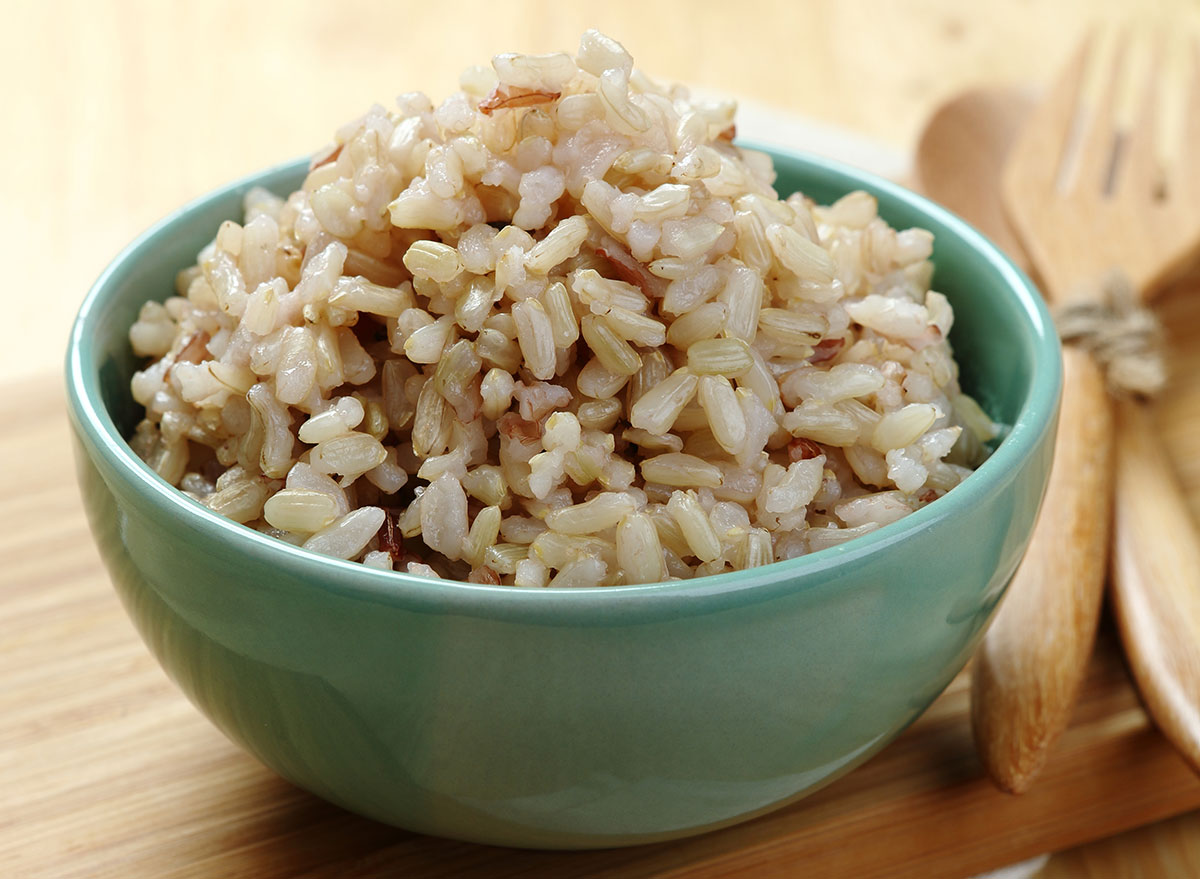
White rice is relatively low in fiber, vitamins, and minerals compared to whole grains. Eating too much of it may reduce space in your diet for more nutrient-rich foods like:
- Vegetables
- Fruits
- Lean proteins
- Whole grains
Over time, this imbalance can affect overall nutrition quality.
4. Digestive Imbalance in Some Cases
Because white rice is low in fiber, a diet heavily focused on it may contribute to:
- Constipation in some individuals
- Slower digestion
- Reduced gut microbiome diversity
Adding fiber-rich foods alongside rice can help balance this effect.
5. Increased Risk When Combined With Sedentary Lifestyle
Doctors often point out that health risks linked to rice are more noticeable when combined with:
- Lack of physical activity
- High intake of processed foods
- Low vegetable and protein consumption
In these cases, excess rice can contribute to metabolic imbalance over time.
Is Rice Really Dangerous?
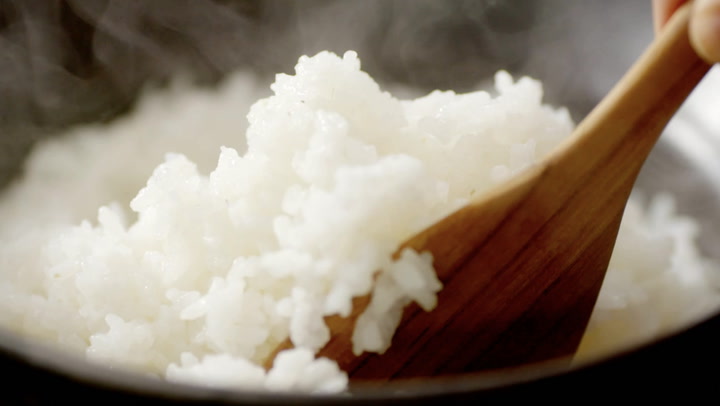
No—rice itself is not dangerous when eaten in moderation. In fact, it is a key energy source for many healthy populations worldwide.
The concern arises when:
- Portion sizes are too large
- Meals lack balance
- Diet becomes repetitive and low in nutrients
How to Eat Rice in a Healthier Way
Experts often recommend simple adjustments:
- Pair rice with protein (fish, eggs, chicken, beans)
- Add vegetables to every meal
- Choose brown rice or mixed grains when possible
- Control portion size (avoid oversized servings)
- Stay physically active
These habits help maintain balance without giving up rice entirely.
Final Thoughts
Eating too much rice doesn’t automatically cause illness—but it can contribute to health issues over time if your overall diet is unbalanced.
Doctors emphasize that the key is not avoiding rice, but eating it wisely and in moderation.
A healthy diet is not about removing a single food—it’s about creating balance across everything you eat every day.