For many homeowners, this is an unsettling discovery. Gardens are supposed to be places of relaxation, beauty, and comfort - not places where an unexpected encounter with a snake might occur.
But snakes do not necessarily enter residential gardens because a homeowner has planted one particular flower or ornamental shrub. In many cases, the surrounding environment offers exactly what these animals need: shelter, shade, moisture, and access to prey such as rodents, frogs, lizards, and insects.
Some common landscaping choices can unintentionally create favorable hiding places for snakes, especially when plants grow densely, cover the ground, or form tangled vegetation near walls, fences, sheds, and outdoor storage areas.
The important distinction is that plants do not generally attract snakes because of their smell or appearance alone. Instead, the way a garden is planted and maintained can make it more suitable for snakes to shelter, hunt, or travel through.
That means homeowners do not need to remove every tree, flower, or green plant from their property. A thoughtfully designed garden can remain beautiful while reducing unnecessary hiding places and making potential snake encounters easier to avoid.
Below are several types of plants and landscaping features to consider carefully, why they may provide shelter, and what you can do to make the area around your home safer.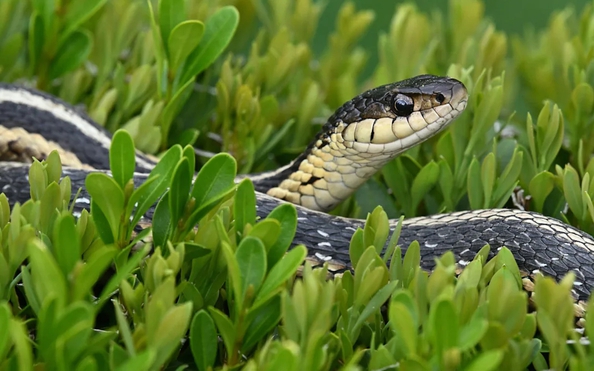
1. Dense Groundcover Plants That Spread Across the Soil
Groundcover plants are popular because they fill empty spaces, reduce exposed soil, control erosion, and create an attractive landscape. Depending on the species, they may form thick mats of leaves that spread horizontally across the ground.
However, groundcover can become a problem when it grows so densely that homeowners can no longer see the soil beneath it.
Thick vegetation may create cool, shaded spaces where small animals can rest undisturbed. When the groundcover extends beneath shrubs, around rocks, or along a fence, it can form a continuous area of concealment.
These spaces may be used by snakes that happen to live in the surrounding environment.
The plants themselves are not necessarily attracting snakes. Rather, dense groundcover can provide protection from direct sunlight, shelter from predators, and places where a snake can remain hidden while moving through the garden.
Groundcover may also create habitat for small lizards, frogs, and other animals that some snake species eat. If these prey animals are abundant, the surrounding garden may become more useful to snakes searching for food.
Which groundcover plants require attention?
The main concern is not one specific species but the way plants grow.
Low-growing ornamental plants, spreading vines, dense creeping vegetation, and thick beds of foliage can all reduce visibility when allowed to grow unchecked.
A groundcover plant growing in a small, well-maintained bed is not necessarily a concern. The risk of an unexpected encounter becomes more relevant when large sections of the garden are covered by tangled growth, especially next to places where people regularly walk or work.
How can you manage them safely?
Maintain clear paths through the garden and avoid allowing dense groundcover to spread into walkways, doorways, or areas where children play.
Where practical, choose planting arrangements that allow you to see the ground around the base of larger plants. Trim back overgrown sections, remove accumulated dead leaves, and maintain a visible gap between dense vegetation and the home's exterior.
You do not need to eliminate groundcover entirely. The goal is to prevent it from becoming an inaccessible, tangled layer where snakes or other animals can remain concealed.
When trimming dense vegetation, use appropriate tools and avoid reaching blindly into areas you cannot see. A snake may already be sheltering there, and disturbing it at close range can increase the risk of a defensive bite.
2. Ornamental Grasses That Grow Into Thick Clumps
Ornamental grasses are widely used in residential landscaping because they provide movement, texture, and color throughout the year. Some species grow in compact clumps, while others form large, dense masses of narrow leaves.
These plants can look particularly attractive along fences, garden borders, driveways, and pathways.
However, when ornamental grasses become tall or densely packed, the lower portions of the plants may create concealed spaces close to the ground.
Dead leaves and dry stems can accumulate within the clumps, making the area even harder to inspect. The plant's outer leaves may remain green while the center becomes a tangled mixture of living and dead vegetation.
Depending on the climate and local wildlife, such areas may provide shelter for small animals and occasionally for snakes.
This does not mean that every ornamental grass bed is dangerous. Snakes may never visit a particular garden, and many ornamental grasses are perfectly reasonable choices for residential landscapes.
The concern is greatest when large clumps are left unmaintained near building foundations, outdoor equipment, children's play areas, or frequently used paths.
Why do thick grass clumps matter?
Snakes generally prefer to avoid unnecessary contact with humans. Dense vegetation can help them remain concealed while moving between shelter and feeding areas.
A large grass clump may prevent a homeowner from seeing where they are placing their hands or feet. If a snake is hiding within the plant, someone trimming or pulling the grass could accidentally disturb it.
The thick foliage may also provide cover for rodents and lizards, depending on the habitat.
Better ways to use ornamental grasses
Choose species that suit the size of the garden and the amount of maintenance you can realistically provide.
Trim and divide overgrown clumps according to the plant's requirements. Remove excessive dead foliage and keep the surrounding ground accessible for inspection.
Avoid placing very dense grasses directly against exterior walls or immediately beside frequently used entrances.
When working with mature clumps, wear suitable footwear and gloves, use long-handled tools where appropriate, and inspect the work area from a safe position before disturbing it.
If a snake is visible in or beneath a clump, do not attempt to remove the animal yourself. Keep people and pets away and contact an appropriate local wildlife professional.
3. Thick Bushes and Shrubs Planted Close to the House
Shrubs are common features of home gardens. They can provide privacy, reduce the visual impact of fences, create shade, and add structure to a landscape.
Yet a row of densely planted shrubs directly against the house can create concealed spaces around the building.
When branches extend to the ground and foliage overlaps, it can become difficult to see what is moving underneath. Shrubs may also trap fallen leaves, shelter small animals, and create shaded areas that remain relatively cool during hot weather.
For a snake traveling through the garden, such cover may provide a route between a fence, a pile of stored materials, and another protected location.
Again, this does not mean the shrubs are inherently dangerous or that snakes are naturally drawn to a particular ornamental species.
The important factor is whether the vegetation provides concealment and connects different sheltered parts of the property.
Which landscaping arrangement is most concerning?
Consider a house surrounded by a continuous line of untrimmed shrubs. Beneath the branches, dry leaves have accumulated, the soil is difficult to see, and small gaps in the wall are hidden from view.
A snake could potentially pass through this area without being noticed.
Homeowners may also fail to notice rodent activity because the vegetation blocks their view of the ground.