Chapter 1: When Serious Illnesses Hide Behind an Apparently Healthy Body
Many people assume that a serious illness will always announce itself clearly before it becomes dangerous. They imagine that a person experiencing a life-threatening condition must have obvious symptoms, such as severe pain, persistent fever, difficulty breathing, or extreme weakness. In reality, some medical conditions can develop quietly, remain undetected for months or even years, and then suddenly lead to a critical medical emergency. This is one of the most frightening aspects of certain diseases: a person may appear relatively healthy, continue working, exercising, and carrying out everyday activities, while an underlying problem is gradually affecting the body.
Sudden medical emergencies can happen to people of different ages, although the risk is generally higher among individuals with certain medical conditions, family histories, lifestyle factors, or age-related changes. In some cases, the first noticeable symptom is a dramatic event such as collapse, loss of consciousness, severe chest discomfort, or an inability to breathe normally. These events may be caused by a condition that had previously produced subtle symptoms that were ignored, misunderstood, or never recognized.
The phrase "without warning" can be misleading, however. Some illnesses truly can cause sudden deterioration, but many people experience warning signs that are mild, unusual, intermittent, or easy to mistake for ordinary fatigue, indigestion, stress, or aging. A person may notice that they become tired more easily, feel occasional dizziness, experience brief episodes of palpitations, or develop unexplained shortness of breath. Because these symptoms do not necessarily feel urgent, they may be dismissed until the underlying condition becomes much more serious.
Another reason certain diseases remain undetected is that the body can compensate for problems surprisingly well. The heart, kidneys, lungs, blood vessels, and other organs have considerable reserve capacity. When one part of a system becomes impaired, other mechanisms may temporarily maintain normal function. This ability to compensate can create the illusion that everything is fine. Unfortunately, compensation has limits. If the underlying disease progresses or a sudden additional stress occurs, the body may no longer be able to maintain balance.
This is why understanding potentially life-threatening conditions is not about living in fear. It is about recognizing that good health cannot always be judged by appearance alone. Knowing which symptoms require urgent attention, understanding personal risk factors, and receiving appropriate medical checkups can make a meaningful difference. Some of the most dangerous conditions are also among those where early recognition and timely treatment can dramatically improve outcomes.
Throughout this article, we will examine several medical conditions that may lead to sudden, life-threatening emergencies. These include heart-related disorders, blood clots, strokes, dangerous problems involving major blood vessels, severe allergic reactions, infections, and other conditions that may become critical quickly. The goal is to understand how these illnesses develop, why they can sometimes be difficult to recognize, and what people should know to protect themselves and those around them.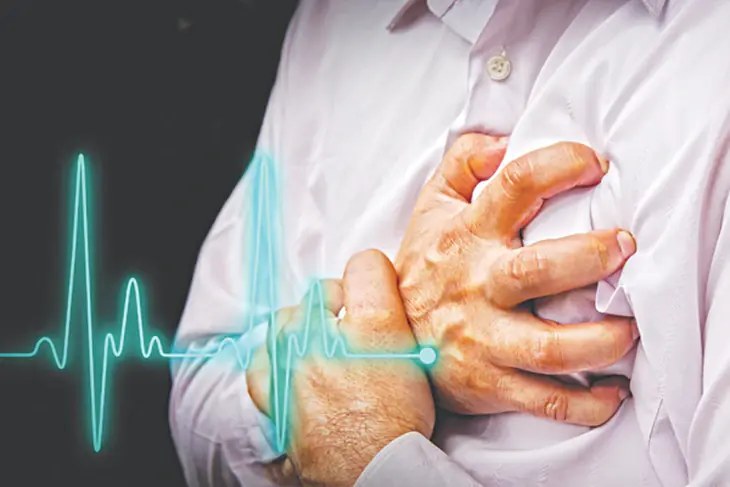
Chapter 2: Dangerous Heart Rhythm Problems That Can Stop the Heart Suddenly
The heart is one of the body's most essential organs, continuously pumping blood to deliver oxygen and nutrients to every tissue. Under normal circumstances, its electrical system coordinates each heartbeat in a precise pattern. When this electrical system becomes disrupted, the heart may beat too quickly, too slowly, or irregularly. Some rhythm abnormalities are relatively harmless, while others can interfere with the heart's ability to pump blood effectively and may become life-threatening within minutes.
One of the most dangerous rhythm disturbances is ventricular fibrillation. During this condition, the heart's lower chambers develop chaotic electrical activity instead of producing coordinated contractions. Rather than pumping blood efficiently, the heart essentially quivers. Blood circulation rapidly becomes inadequate, and the brain and other vital organs are deprived of oxygen. A person experiencing ventricular fibrillation may suddenly collapse, become unconscious, and stop breathing normally.
Ventricular fibrillation is a major cause of cardiac arrest. Cardiac arrest is not the same as a heart attack. A heart attack generally occurs when blood flow to part of the heart muscle becomes blocked, often because of a problem involving a coronary artery. Cardiac arrest occurs when the heart suddenly stops pumping blood effectively. A heart attack can trigger cardiac arrest, but cardiac arrest can also occur because of electrical abnormalities, certain inherited conditions, severe electrolyte disturbances, or other problems.