The aorta is not visible from the outside, and a person may not know that a problem is developing. This is why managing blood pressure and following medical recommendations for people with known aortic disease are particularly important.
Although aortic dissection is uncommon compared with many other cardiovascular conditions, it demonstrates how a hidden structural problem can suddenly become dangerous. Understanding the warning signs may help people recognize an emergency before the situation deteriorates further.
Chapter 7: Severe Allergic Reactions—When the Body's Defense System Becomes Dangerous
Allergic reactions occur when the immune system responds to a substance that it mistakenly identifies as harmful. Many allergies produce mild symptoms, such as sneezing, itchy eyes, skin irritation, or a localized rash. However, in some individuals, an allergic reaction can become severe and affect multiple systems throughout the body.
Anaphylaxis is a serious, potentially life-threatening allergic reaction that can develop rapidly. It may occur after exposure to foods, medications, insect stings, latex, or other triggers. The reaction can involve the skin, respiratory system, cardiovascular system, digestive system, or several of these at the same time.
Symptoms may include swelling of the lips, tongue, or throat; difficulty breathing; wheezing; widespread hives; vomiting; abdominal pain; dizziness; or a sudden drop in blood pressure. Some people may experience a feeling of impending doom or become confused and weak. In severe cases, anaphylaxis can lead to loss of consciousness and cardiac arrest.
Anaphylaxis does not always begin with a dramatic rash. Some severe reactions may involve primarily breathing problems or cardiovascular symptoms. This means that the absence of hives does not automatically rule out anaphylaxis when other concerning symptoms occur after exposure to a possible allergen.
People who have previously experienced severe allergic reactions may be at increased risk of another reaction. The severity of future reactions cannot always be predicted based on previous episodes. A person who once experienced a relatively mild reaction may not necessarily have the same experience after another exposure.
For individuals diagnosed with a risk of anaphylaxis, healthcare professionals may prescribe an epinephrine auto-injector and provide instructions on when and how to use it. Epinephrine is the first-line treatment for anaphylaxis. Antihistamines may help with some skin symptoms, but they do not replace epinephrine and should not delay emergency treatment.
If a person develops symptoms suggesting anaphylaxis, emergency services should be contacted immediately. If they have a prescribed epinephrine auto-injector, it should be used according to their emergency plan. The person should not be left alone, and additional medical care is required even if symptoms begin to improve.
Prevention involves identifying triggers whenever possible, reading food and medication labels, communicating allergies to healthcare providers and food-service staff, and carrying prescribed emergency medication. People with severe allergies may also benefit from wearing medical identification.
Allergic reactions can be unpredictable, but preparation can significantly improve safety. Knowing the difference between a mild reaction and symptoms of anaphylaxis is essential because the latter can progress rapidly and requires immediate treatment.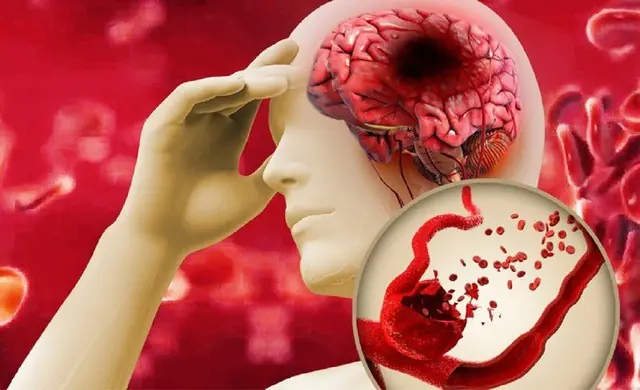
Conclusion: Awareness Can Make the Difference Between Waiting and Acting
Some diseases can become life-threatening with little obvious warning, but the idea that every dangerous illness strikes completely without symptoms is not accurate. Many conditions develop gradually, and some produce warning signs that may be subtle, intermittent, or easily mistaken for everyday problems. Others can deteriorate rapidly even when a person has been feeling well.
Heart rhythm disorders, heart attacks, pulmonary embolism, stroke, aortic dissection, anaphylaxis, sepsis, severe asthma attacks, and several other medical conditions can cause sudden emergencies. Each has different causes, risk factors, symptoms, and treatments, but they share one important characteristic: timely recognition and appropriate medical care can be crucial.
The most effective approach is not to live in constant fear of disease. It is to take a practical interest in health, understand personal risk factors, maintain appropriate preventive care, and avoid dismissing symptoms that are sudden, severe, unusual, or rapidly worsening.
Regular checkups, blood pressure monitoring, healthy lifestyle habits, medication adherence, and awareness of family history can help identify risks before they become emergencies. Knowing emergency warning signs can also help people act quickly when something serious occurs.
A person may look healthy and still have an underlying medical condition. At the same time, most everyday symptoms do not automatically indicate a life-threatening illness. The key is to recognize meaningful changes, seek medical advice when appropriate, and respond immediately when emergency symptoms appear.
Sometimes, the most important health decision is made not by knowing the exact disease, but by recognizing that something is seriously wrong and getting help without delay. That simple decision may save a life.